

How to Buy Flight Insurance is really about deciding what risk remains after airline rules, credit card benefits, refundability, and your own schedule flexibility. A flight-only policy can be useful, but it is not always the best answer.
This is general insurance education, not financial or legal advice. Airline rights and insurance claims are different systems; read the policy and current airline terms before paying.
Start With The Ticket
Look at the fare rules first. Is the ticket refundable? Can you change it for credit? Are bags, seats, and extras refundable? The insurance decision changes when the fare is already flexible.
A cheap nonrefundable fare and a refundable fare may need different protection. Do not buy insurance before you know what the airline already promises.
Know Airline Refund Rights
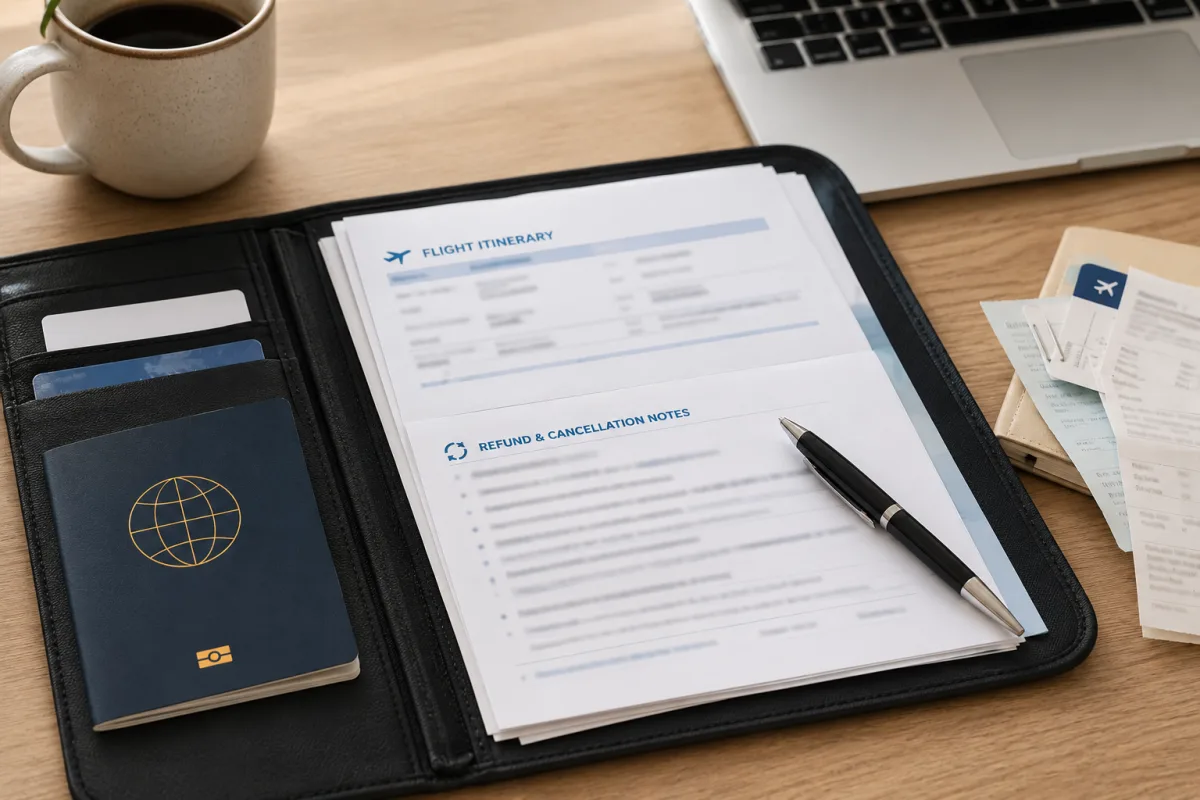
DOT's refunds page says consumers are entitled to refunds if an airline cancels a flight or makes a significant schedule change and the consumer chooses not to travel.
Flight insurance may cover other costs, but it does not replace a refund the airline owes. Start with the airline obligation, then look at the remaining gap.
Use The DOT Dashboard
For controllable cancellations or delays, DOT's airline cancellation and delay dashboard shows airline service commitments such as meals, hotels, and rebooking.
The dashboard is not insurance. It helps you understand what an airline has committed to provide before you decide what extra protection to buy.
Understand Flight Insurance
Flight insurance sold at checkout may cover accidental death, trip cancellation, interruption, delay, baggage, or medical benefits, depending on the product.
Read the benefit list. Some flight add-ons are narrow, and some are broader travel insurance plans attached to the ticket purchase.
Compare With Trip Insurance
If you booked hotels, cruises, tours, or rental cars, flight-only insurance may leave the bigger losses uncovered. A broader trip policy may fit better.
For a wider buying process, Livecub's savings bond value guide is not travel coverage, but it shows why records and dates matter in finance tasks. Livecub's fixed annuity and fixed index annuity article is another reminder to read definitions before buying financial products.
Check Credit Card Benefits

Some credit cards provide trip delay, cancellation, baggage, or rental car benefits if you paid with the card. Limits and exclusions vary.
Read the card benefits guide before buying duplicate coverage. Card benefits may be secondary, capped, or limited to certain reasons.
Look At Covered Reasons
Standard insurance usually covers listed reasons, not any reason you feel unable to fly. Illness, injury, severe weather, jury duty, or family emergencies may be covered only if the policy says so.
Cancel-for-any-reason coverage, if available, costs more and usually reimburses only part of the trip.
Buy Early For Extra Benefits
Time-sensitive benefits may require buying soon after the first payment. If pre-existing conditions, work reasons, or cancel-for-any-reason matter, timing can decide eligibility.
Waiting until a storm is named or symptoms appear may be too late. Insurance is designed for uncertain events, not known problems.
Match Coverage To Route
A nonstop domestic flight may need less protection than a multi-leg international trip with a cruise connection. Think about missed connections, overnight delays, and medical care away from home.
A tight connection before an expensive event may justify stronger delay or interruption benefits.
Use Real Numbers
Compare premium against the amount you could lose. If the ticket is $89 and changeable for credit, the insurance may not be worth much. If the ticket anchors a $6,000 trip, the math changes.
For broader finance habits, Livecub's teaching kids about money guide can help families talk through risk and tradeoffs.
Ask About Baggage
Baggage coverage may have limits for electronics, jewelry, cameras, sports gear, and documents. Airline liability rules may also apply.
Do not pack high-value items in checked bags and assume insurance will make everything simple.
Keep Proof
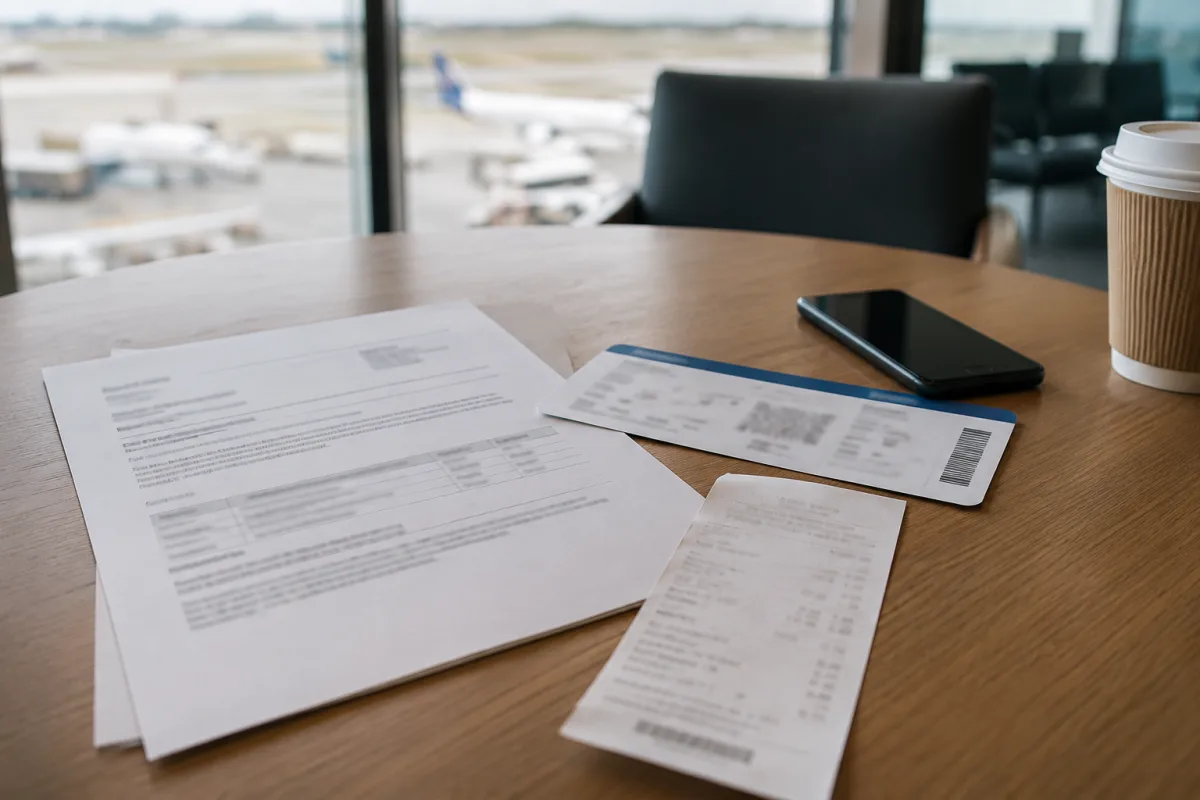
Save the ticket receipt, airline notices, delay confirmation, baggage reports, medical notes, and policy certificate. Claims often fail when proof is missing.
A screenshot during a delay can help, but keep official notices when available.
Avoid Duplicate Products
You may see airline add-ons, credit card coverage, a separate travel policy, and tour operator coverage. More products do not always mean more reimbursement.
Ask which policy pays first and whether duplicate coverage changes the claim.
Review After Purchase
Use any review period to read the plan. If it does not cover the reason you bought it for, cancel within the allowed window if the policy permits.
A few minutes of reading can prevent a very expensive misunderstanding later.
Missed Connections
A missed connection can be handled differently depending on cause, airline, ticket type, and policy. A protected connection on one ticket is not the same as separate self-booked flights.
If you build your own connection, leave more time or buy coverage that clearly addresses missed connections.
Weather And Known Events
Insurance usually covers uncertain events, not problems already known when you bought the plan. Once a storm is named or a strike is announced, related losses may be excluded.
Buy based on trip risk before headlines appear. Last-minute insurance often has the least value for the problem you already see.
Baggage Delay
Baggage delay coverage may reimburse essentials after a waiting period, but limits can be modest. Keep receipts for toiletries, clothing, and needed items.
If the airline also pays for essentials, ask how the travel policy coordinates with airline reimbursement.
Medical Reasons
A doctor's note may be needed if illness prevents flying. The policy may require that the illness is serious enough to prevent travel and that it occurs after coverage starts.
Do not assume feeling unwell is automatically covered. The exact covered reason matters.
Flight Insurance For Award Tickets
Award flights and points bookings can be tricky. Taxes, fees, redeposit fees, and point value may not be handled the same way as cash tickets.
Ask the insurer what can be insured when the ticket was bought with miles or points.
Decision Shortcut
If the flight is cheap, flexible, and close to home, you may skip insurance. If the flight is expensive, international, tied to a cruise, or medically sensitive, read plans carefully.
The decision should come from risk and documents, not from pressure at checkout.
International Flights
International flights can add medical, passport, visa, and connection risks that a simple flight add-on may not handle well. Look beyond the ticket price.
If the trip crosses borders, emergency medical and evacuation coverage may matter more than lost baggage.
Schedule Changes
Airlines can change schedules before departure. Your rights, airline options, and insurance response depend on the size of the change and the policy language.
Save every schedule-change notice. It may support refund requests, rebooking, or a claim.
Seat And Bag Fees
Ancillary fees such as seats, bags, upgrades, and priority boarding may not be treated like base airfare. Ask what happens if those services are not used or are refunded by the airline.
A policy that covers the ticket may not automatically cover every extra charge.
Traveling With Children
With children, a flight disruption can mean extra meals, diapers, formula, hotel needs, and transport. Delay coverage limits should be compared with real family costs.
Keep receipts for every necessary purchase during a covered delay.
Airport Costs
A long delay can create costs the ticket price does not show: airport meals, transport, hotel, parking, pet care, and missed work.
Check delay benefit limits against those real costs. A plan with a low cap may not cover much beyond a meal.
Proof Of Delay
Ask the airline for written delay or cancellation confirmation when possible. A text alert can help, but claim forms often ask for official proof.
Keep boarding passes and receipts until the claim is fully closed.
Medical Devices
If you travel with medical devices, mobility equipment, or refrigerated medicine, read baggage and medical assistance rules carefully.
The cost of disrupted equipment can be higher than the cost of clothing in a delayed bag.
Frequently Asked Questions
Is flight insurance worth buying?
It depends on ticket refundability, trip cost, health risk, route complexity, and existing credit card benefits.
Does flight insurance cover airline cancellations?
It may cover some costs, but DOT refund rules may already require airline refunds in certain situations.
Should I buy insurance at airline checkout?
Only after reading the actual coverage, exclusions, insurer, and claim rules.
Is flight insurance the same as trip insurance?
No. Flight insurance may be narrower than a broader trip policy.
Can credit card benefits replace flight insurance?
Sometimes, but card benefits have limits and exclusions, so read the guide.
Buy flight insurance only after checking fare rules, DOT refund rights, airline commitments, credit card benefits, covered reasons, and the real amount you could lose.

Timothy Davidson
Edits step-by-step general-interest guides for clarity, realistic limits and source verification.




Leave a reply
Replying to