
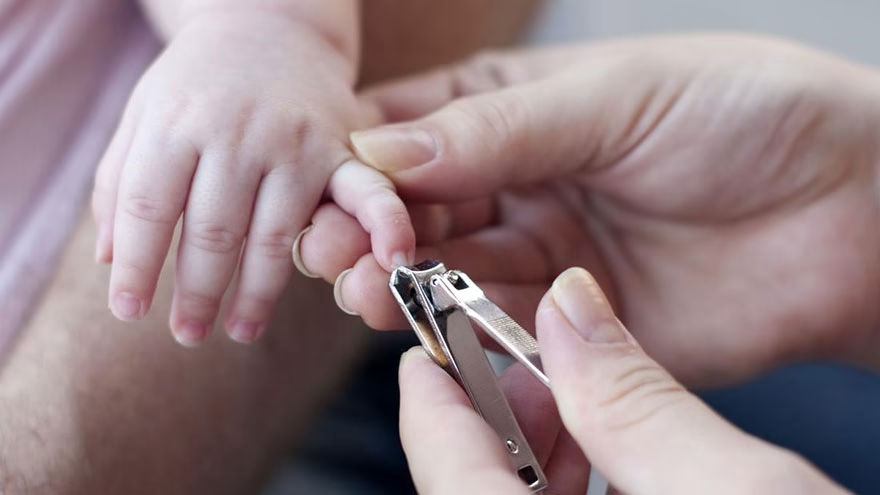
Cutting a preemie's nails can feel stressful because the fingers are tiny and the skin is fragile. The goal is to prevent scratches without rushing.
If the baby is still in the NICU or has medical equipment, ask staff what is allowed before trimming.
Use A File First When Possible
MedlinePlus says filing with an emery board is the safest method for newborn nails: MedlinePlus newborn nail care. That is especially useful with very small hands.
File sharp edges slowly rather than trying to cut a perfect curve.
Choose A Sleepy Or Calm Time
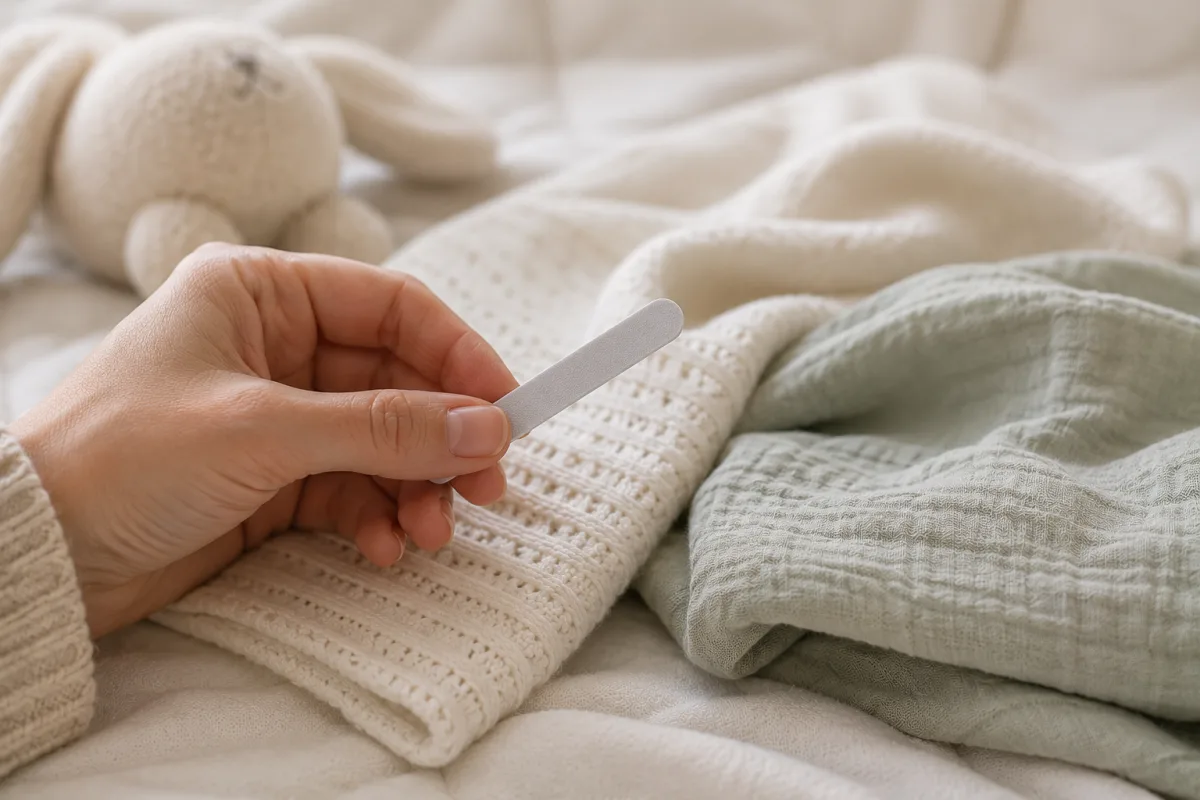
HealthyChildren says trimming may be easiest when the baby is asleep or after a bath if the baby lies quietly: HealthyChildren nail care.
For a preemie, choose the calmest time and stop if the baby becomes stressed.
Use Baby Tools Only
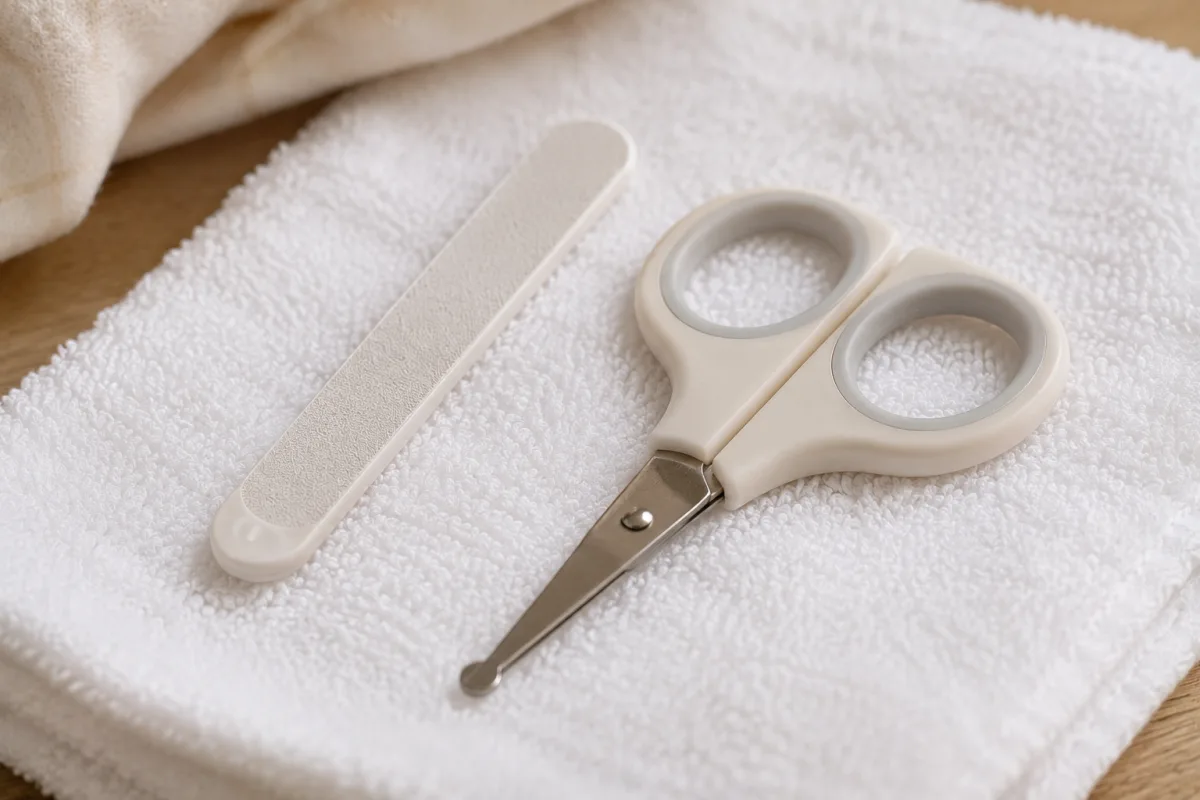
KidsHealth notes baby nails may need frequent trimming and recommends baby tools or a file: KidsHealth trimming nails.
Do not use adult clippers. They are too large for tiny nails.
Protect The Skin Under The Nail
Press the fingertip pad gently away from the nail edge before clipping. Cut small amounts, not deep corners.
If skin is nicked, use gentle pressure and ask the care team if bleeding worries you.
Ask The NICU Team
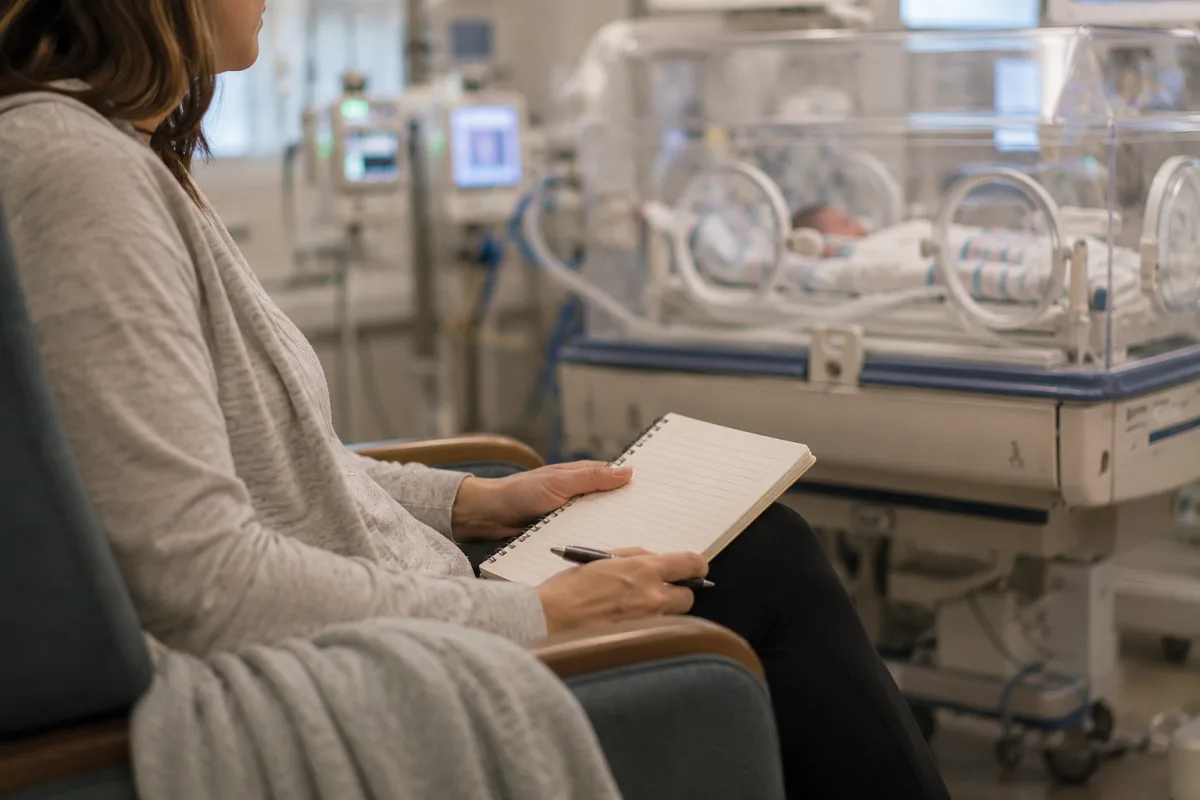
If monitors, oxygen, IV lines, or feeding tubes are involved, ask the nurse before nail care.
NICU staff can often show the safest angle.
Watch The Baby's Cues
For cut a preemie's nails, the baby's feeding, sleep, skin, breathing, crying, and comfort cues matter more than a perfect schedule.
Livecub's guide to ease newborn hiccups can help with one common feeding-related worry.
Keep Care Simple
Simple care is easier to repeat when everyone is tired: clean hands, safe sleep, gentle handling, prepared supplies, and a phone number for help.
Livecub's guide to wash an infant follows the same low-drama approach.
Adjust For Prematurity
Premature babies may need different feeding stamina, temperature care, timing, and follow-up. For cut a preemie's nails, use the baby's discharge plan first.
Livecub's guides to premature baby development and low birth weight and preterm infants give related context.
Track Skin And Comfort
Products, diapers, wipes, sunlight, bathing, and feeding can change skin comfort. For cut a preemie's nails, write down what changed before guessing.
Livecub's guide to baby rash and blister care can help parents decide what to document.
Keep The Home Ready
Put diapers, feeding supplies, cloths, safe sleep clothing, and care notes where another adult can find them.
As the baby grows, Livecub's room-by-room baby-proofing guide becomes the next safety layer.
Know When To Call
Call a clinician for fever, poor feeding, breathing trouble, dehydration signs, unusual sleepiness, worsening rash, or symptoms that do not fit the baby's normal pattern.
A clear call with notes is better than waiting because the symptom might be nothing.
Make A Short Checklist
After reading about cut a preemie's nails, write a short checklist with symptoms, supplies, dates, meals, calls, or warning signs that apply.
A checklist keeps the next step visible and prevents side questions from taking over.
Choose The Source Of Truth
Pick the source that should settle questions about cut a preemie's nails: a clinician, official guidance page, product label, discharge note, or crisis resource.
If advice conflicts, go back to that source before acting.
Save Proof With The Plan
Keep notes, photos, receipts, feeding logs, symptom records, or appointment instructions with the cut a preemie's nails plan.
Proof is easier to save at the start than to rebuild later.
Name The Red Flag
Every cut a preemie's nails plan should name the sign that changes the next step: fever, breathing trouble, suicidal talk, dehydration, pain, unsafe sleep, or worsening symptoms.
Writing the red flag down makes it easier to act while stressed.
Share The Plan
Someone else may need to help with cut a preemie's nails: a partner, caregiver, friend, clinician, or family member.
Share only the details they need to act quickly and safely.
Review After The Next Change
Review the cut a preemie's nails plan after the next feeding change, symptom shift, bad night, appointment, or new routine.
The review can be short. The point is to catch new facts while they are still useful.
Keep The Routine Realistic
A plan for cut a preemie's nails should work on a normal tired day, not only on a perfect day.
If the plan is too complicated to repeat, simplify it.
Close The Loop
When the main step for cut a preemie's nails is handled, record what was done, who confirmed it, what remains open, and when to check again.
Closing the loop keeps the same issue from returning as a surprise.
Name What Can Wait
Not every part of cut a preemie's nails needs action today. Separate the safety step from the task that can wait until tomorrow.
This helps tired caregivers and stressed adults use their energy where delay would cause the most harm.
Use One Small Test
If you are trying a change for cut a preemie's nails, make one change at a time. That might be a feeding pace, product, sleep cue, walk, supplement, or support call.
Changing everything at once makes it hard to know what helped and what made things worse.
Prepare Before The Hard Moment
The best time to plan for cut a preemie's nails is before the baby is crying, the symptoms are worse, the store is closing, or the support person is unavailable.
Put supplies, phone numbers, notes, and the next step where they can be found quickly.
Write The Plain Version
Turn the cut a preemie's nails plan into one plain sentence. For example: if this warning sign appears, call this person and use this record.
Plain wording helps another adult follow the plan without needing the whole article explained again.
Do Not Let Shame Run The Plan
Cut a preemie's nails can bring pressure from family, online comments, body expectations, feeding opinions, or holiday comparison.
Shame makes people hide problems. A better plan names the problem and connects it to practical help.
Check The Environment
Look around the setting tied to cut a preemie's nails: light, heat, noise, products, food, sleep, phone use, car seat, stroller, paperwork, or social pressure.
Sometimes the fix is not inside the person. It is a small change in the setup around them.
Keep The Person Safe First
Before optimizing cut a preemie's nails, protect basic safety: breathing, hydration, safe sleep, crisis support, pregnancy warning signs, and clear caregiver attention.
Safety comes before convenience, speed, appearance, or getting the routine exactly right.
Ask What The Pattern Says
One event may not explain much. A pattern around cut a preemie's nails can show up after the same feeding, product, time of day, thought loop, or daily habit.
Write the pattern down before deciding it is random.
Make A Backup Option
A backup option for cut a preemie's nails might be another caregiver, another feeding plan, another route, another support call, or another appointment time.
Backup plans reduce panic because the next step is already named.
Keep The Record Kind
Notes about cut a preemie's nails should be factual, not blaming. Write what happened, what was tried, and what changed.
Kind records are easier to share with clinicians, caregivers, or support people.
Review The Plan After Rest
If possible, review cut a preemie's nails after sleep, food, or a calmer hour. Tired brains often choose the fastest answer, not the best answer.
A short review can catch missing supplies, unsafe assumptions, or a step that no longer fits.
Leave A Hand-Off
If someone else takes over cut a preemie's nails, they should see the current status quickly: what happened, what helped, what failed, and what comes next.
A clear hand-off protects babies, pregnant patients, and people dealing with mental health strain.
Frequently Asked Questions
Should I cut or file preemie nails?
A file is often safest. Ask the NICU or pediatric team for personal guidance.
Can I use adult nail clippers?
No. Use baby nail tools or an emery board.
When is the best time?
A calm or sleepy time is usually easier.
What if I nick the skin?
Use gentle pressure and call the care team if bleeding does not stop or you are worried.
This article is for general information only and isn't a substitute for medical advice. Talk to a clinician who knows your full history before making changes.

Linda Fehrman
Edits general wellness and relationship explainers. Health material is educational, avoids diagnosis and links to health-authority guidance.




Leave a reply
Replying to