
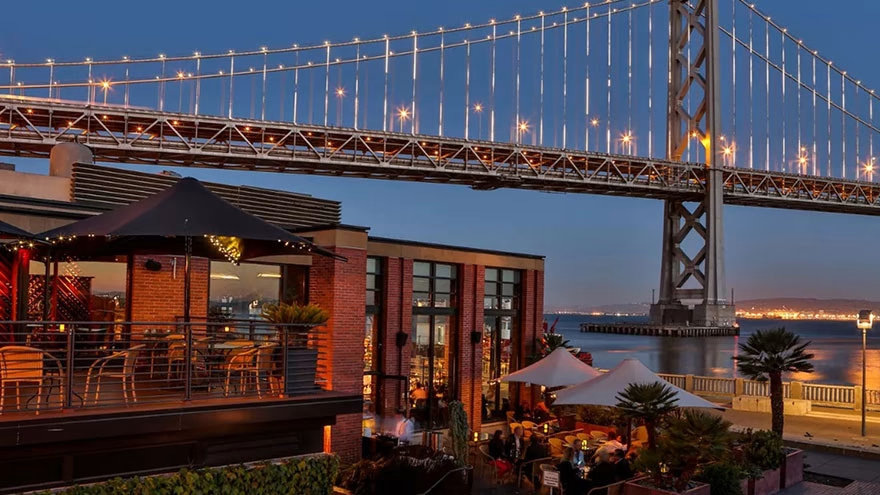
Cheap Eating Starts With Neighborhoods
How to eat in San Francisco on the cheap is not about finding one secret bargain. The city is expensive, and prices change. The reliable strategy is to plan food by neighborhood, avoid hungry transit decisions, and use simple meals where they make sense.
Pick one main food stop for each half day. Then surround it with bakeries, markets, taquerias, grocery picnics, food trucks, or counter-service places nearby.
The cheapest meal is often the one you planned before you were starving. Hunger makes the nearest option look better than it is.
Use Bakeries and Breakfast Counters
Breakfast can quietly wreck a budget if every morning becomes a full sit-down meal with coffee, pastry, tax, and tip. A bakery, bagel shop, dim sum counter, or grocery breakfast can keep the morning easy.
Buy enough to start the day but not so much that you carry leftovers uphill. If you are staying in a room with a fridge, yogurt, fruit, and simple breakfast items can save money across several days.
Breakfast is where budget travel gets momentum. Start simply and save money for the meal that matters most to you.
Plan Around Markets Without Overspending
The Ferry Building Marketplace is a classic stop for browsing, snacks, coffee, and food gifts. It can be budget-friendly if you treat it carefully, but it can also become a string of small purchases.
Set a purpose before you enter: one snack, one lunch item, one coffee, or one item to share. Browsing is free, but tasting your way through every counter is not.
For route planning near the waterfront, Livecub's How to Identify Cruise Lines by Their Smoke Stacks pairs naturally with the Embarcadero because arrival points and food stops often overlap.
Use Taquerias and Counter-Service Meals
Taquerias, noodle counters, pizza slices, banh mi shops, dumpling spots, and casual cafes can deliver a satisfying meal without a long sit-down bill. The Mission is famous for burritos, but the broader lesson is to look for places built around quick turnover and clear menus.
Share when portions are large. A burrito, sandwich, or market lunch can sometimes serve as one full meal plus a later snack.
Cheap does not have to mean bland. San Francisco's casual food can be one of the best parts of the trip.
Check Food Truck Schedules
Food trucks can be a good budget option when they are near your route. Off the Grid maintains event and food-truck information, so check current locations before assuming a truck will be there.
Do not cross town only for a cheap truck unless it is already part of the plan. Transit time can make a low-cost meal expensive in practice.
If you are planning other road-trip style stops, Livecub's Things to See Around Laughlin, Nevada shows the same budgeting principle: cluster the stops or the savings disappear.
Turn Parks Into Picnic Meals
Golden Gate Park, Dolores Park, Crissy Field, and waterfront benches can turn grocery food into a meal with a view. A picnic can be cheaper than a restaurant and more memorable than eating in a rushed line.
Keep it simple: bread, fruit, cheese, hummus, salad, dumplings, bakery items, or prepared grocery food. Bring a napkin, water, and a bag for trash.
A picnic is only cheap if it stays simple. Specialty drinks, too many snacks, and forgotten utensils can erase the savings.
Budget for One Planned Splurge
Trying to make every meal the cheapest possible can make the trip feel stingy. Choose one planned splurge: a seafood meal, a bakery you care about, a nice dinner, a cocktail, or a famous dessert.
San Francisco Travel's official visitor site can help with neighborhood and event context, but do your own price check before deciding where to spend.
For another travel situation where browsing can become spending, Livecub's The Top 5 Best Places to Shop In Gatlinburg is a useful reminder to decide what counts as entertainment and what counts as buying.
Avoid the Snack Spiral
Cheap trips often lose money through small snacks: another coffee, another pastry, a bottled drink, a convenience-store stop, and a late-night delivery fee. None looks serious alone, but together they can cost more than dinner.
Carry water and one simple snack. Then choose the food you actually want instead of buying something every time the group gets tired.
Food planning is energy planning. A fed group makes better decisions about transit, walking, and spending.
Use Lodging to Save on Food
A room with a fridge, microwave, or shared kitchen can lower food costs. Even a mini-fridge can handle breakfast items, leftovers, fruit, and cold drinks.
If cooking is part of your travel style, Livecub's Easy Yugoslavian Chicken Recipe is a reminder that make-ahead food works only when storage and reheating are safe.
Do not overbuy groceries on a short trip. Food waste is not cheaper than a simple counter meal.
Match the Meal to the Day
A museum day may need a packed snack and a casual dinner. A walking-heavy day may need a real lunch. A waterfront day may work with market food and a view.
Use Chinatown, Richmond, and Sunset Strategically
Chinatown can be good for bakeries, dim sum counters, and casual meals when you are already near North Beach or the waterfront. Richmond and Sunset can work well with Golden Gate Park days, especially if you want noodles, bakeries, dumplings, or simple cafe meals away from the heaviest tourist flow.
Do not chase a neighborhood only because someone online called it cheap. Put it where it fits the day. A low-cost meal that requires a long detour may not save money or energy.
The best cheap-eats neighborhood is the one already near you.
Remember Tax, Tip, and Drinks
Menu prices are not always the final cost. Sales tax, service fees, tips, drinks, and delivery charges can change the bill quickly. Counter-service food often helps because the total is clearer before you sit down.
Alcohol, specialty coffee, bottled drinks, and delivery apps are common budget leaks. Choose one or two that matter, then use water and simple drinks for the rest of the day.
A cheap entree with expensive extras is not a cheap meal.
Share Without Turning It Into a Math Problem
Sharing works well when portions are large or when everyone wants to taste a few things. It works badly when one person is left hungry and buys another snack ten minutes later.
Order one extra side, pastry, or dumpling plate if it keeps the group from drifting into another full purchase. Cheap eating should feel easy enough that people still enjoy the city.
Use Lunch as the Main Meal
Lunch often gives budget travelers more flexibility than dinner. Casual counters are open, neighborhoods feel easier to navigate, and you can recover from a morning of walking before afternoon plans.
If you want one nicer meal, lunch may also be easier to fit than a late dinner after a long sightseeing day. Save dinner for something lighter near transit or lodging.
A strong lunch prevents expensive fatigue. It can stop the chain of snacks, rideshares, and last-minute dinner decisions that add up quickly.
Do Not Ignore Grocery Stores
Grocery stores are not exciting, but they solve travel problems. They can cover breakfast, water, fruit, picnic supplies, and a late-night backup when restaurants are closed or too expensive.
Use them lightly. Buying a whole kitchen of food for a short hotel stay often creates waste, but a few basics can keep the food budget steady.
They also help when weather or transit delays push dinner later than planned.
A backup sandwich can save the night when everyone is too tired to compare menus.
Cheap eating in San Francisco is not about denying the city. It is about spending on flavor and place, not on panic, poor timing, or transportation mistakes.
Frequently Asked Questions
Can you eat cheaply in San Francisco?
Yes, if you use counter-service meals, bakeries, groceries, markets, food trucks, and neighborhood planning.
What neighborhoods are good for budget food?
The Mission, Chinatown, Richmond, Sunset, North Beach edges, and market areas can all work, depending on route and timing.
Are food trucks cheap in San Francisco?
Some are reasonable, but check current locations and prices. Do not travel far only to save a few dollars.
How do I avoid overspending on snacks?
Carry water, plan one main food stop, and choose one treat rather than buying something at every pause.

Olivia Prete
Edits culture and personal-development articles, distinguishing opinion and experience from verifiable claims.

Leave a reply
Replying to