
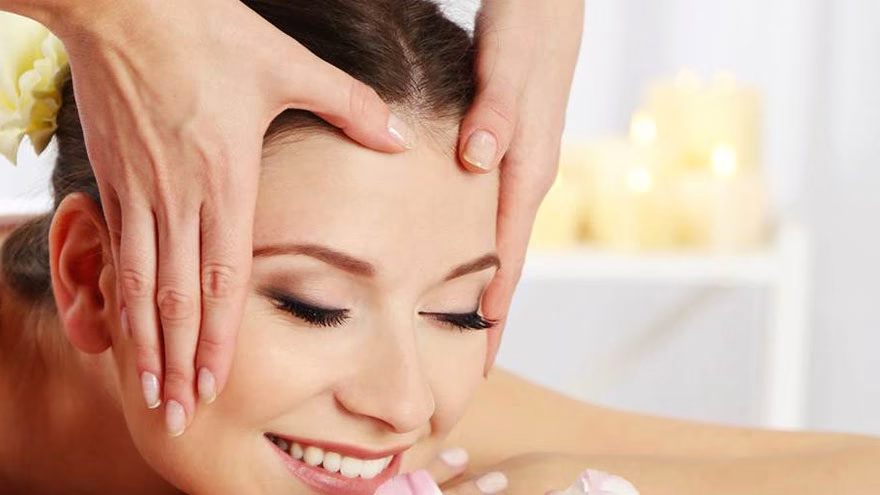
A Head and Scalp Massage Should Feel Safe First
How to Enjoy a Head and Scalp Massage is partly about technique, but comfort matters more. The best massage is not the hardest one. It is the one where the person receiving it can relax, give feedback, and trust that the giver will listen.
Use this as relaxation, not medical treatment. Skip massage over injuries, skin infection, recent surgery, severe scalp tenderness, unexplained pain, or symptoms that need a healthcare professional.
Comfort is the foundation of a good scalp massage.
Set Up the Chair and Neck Support
Choose a chair, sofa, or bed position where the neck does not have to strain. A rolled towel, pillow, or chair back can help the head feel supported.
NCCIH's massage therapy overview describes massage as manipulation of soft tissues for health or wellness purposes. At home, that means you should stay gentle and honest about what you are doing.
Keep the room quiet enough for feedback. Remove scratchy rings or bracelets, wash hands, and trim rough nails.
Good setup prevents the receiver from bracing before the massage starts.
Agree on Pressure Before Touching the Scalp
Ask how much pressure feels good: light, medium, or very light. Start lower than you think you need, especially around the temples and base of the skull.
Use the pads of the fingers, not fingernails. Move slowly enough that the receiver can settle instead of wondering what will happen next.
Livecub's relaxation massage guide follows the same idea: pressure should respond to the person, not the giver's assumptions.
Feedback is part of the massage, not an interruption.
Start With Shoulders and the Base of the Skull
Begin away from the scalp. Rest hands on the shoulders for a moment, then use slow, broad squeezes across the upper shoulders if that feels welcome.
Move to the base of the skull with tiny circles. Avoid pressing directly on the spine or using quick neck movements. The neck is not a place for showing off.
Mayo Clinic's massage therapy page notes that massage may help reduce stress, pain, and muscle tightness. At home, keep the goal modest: relaxation and comfort.
Work the Scalp in Sections
Imagine the scalp in zones: hairline, temples, crown, behind the ears, back of the head, and nape. Work one area at a time instead of rubbing randomly.
Use small circles, gentle kneading, still pressure, and slow strokes. If hair is long, slide fingers under the hair and move the scalp instead of tangling strands.
Livecub's great head massage guide can help if the giver wants a companion routine focused on technique.
A steady rhythm is usually better than constant novelty.
Be Careful Around Temples, Forehead, and Jaw
The temples and forehead can feel soothing with very light circles or outward strokes. Keep pressure gentle and avoid pressing near the eyes.
The jaw can hold tension, but it is personal. Ask before touching the jaw area, use light circles on the side of the face, and avoid pulling or pushing the jaw.
Cleveland Clinic's tension headache page discusses stress management, rest, massage therapy, and hot or cold compresses as part of tension headache care. New, severe, unusual, or changing headaches still need medical advice.
Use Oil Only if the Person Wants It
Oil can feel pleasant for some people and annoying for others. It adds scent, cleanup, texture, and possible scalp sensitivity.
If using oil, use a small amount and avoid essential oils unless the person already knows they tolerate them. Never put undiluted essential oil on the scalp.
A dry massage is often simpler and easier to enjoy.
Give Feedback While Receiving
If you are receiving the massage, say what helps: "lighter," "slower," "stay there," or "skip that spot." You are not being difficult by guiding the person.
If you are giving the massage, listen the first time. Do not argue that the pressure should feel good because it works for someone else.
For couples, Livecub's home massage article is a useful reminder that care works best when the receiver feels respected.
Know When to Stop
Stop for pain, dizziness, nausea, numbness, tingling, sudden headache change, emotional discomfort, or a direct request to stop.
A massage should not become something the receiver has to endure to be polite. End early if the body says no.
Stopping at the right time is part of doing it well.
End Slowly
Slow the movements before lifting the hands away. Rest hands lightly on the shoulders for a few seconds, then stop.
Offer water, a towel if oil was used, and a minute of quiet. Some people feel sleepy afterward; others feel clear and awake.
A calm ending helps the massage feel complete instead of abruptly interrupted.
Make the Receiver Part of the Routine
The person receiving the massage can help by removing hair clips, loosening tight collars, taking off glasses, and saying which areas feel tense.
They can also choose sitting or lying down. A massage is easier to enjoy when the receiver is not trapped in a position that strains the neck or lower back.
Receiving well means giving honest information.
Keep the Hands Slow and Warm
Cold hands, sudden pressure, and fast movements can make the receiver tense before the massage really begins. Rub hands together first and begin with still contact.
Move slowly enough that the nervous system can settle. A scalp massage is not a race across the head.
Slowness often feels more skilled than complexity.
Avoid Pulling Hair
Some people enjoy gentle hair traction, but it should never be assumed. Ask first and keep any traction very light.
If hair tangles easily, avoid sliding across it. Lift, reposition, and work through sections with patience.
Use Heat or Cold Carefully
A warm towel on the shoulders or a cool cloth on the forehead can feel good for some people. Keep temperatures mild and check comfort.
Do not use heat over inflamed, injured, or numb areas. Do not use cold so long that it becomes painful.
Make It Non-Romantic if Needed
A head and scalp massage can be romantic, but it does not have to be. It can also be a calm care routine between partners where the agreement is simple relaxation.
If the receiver wants rest, do not turn the massage into pressure for more intimacy. Respecting the purpose of the moment makes future touch easier to trust.
Clear expectations make relaxing easier.
Try a Self-Massage Version
You can enjoy a scalp massage alone with fingertips, a clean scalp massager, or a slow shower routine. Keep pressure light and avoid scratching.
Use small circles at the temples, hairline, crown, and base of the skull. Stop if your hands, neck, or head feel strained.
Keep Scalp Health in Mind
Skip massage over open skin, rash, infection, fresh sunburn, painful bumps, or areas that bleed. If the scalp is itchy, flaky, painful, or changing, consider medical advice.
Massage should not be used to push through skin problems. It should make the area feel cared for, not irritated.
Pair It With Breathing
The receiver can breathe slowly while the giver works in small circles. A longer exhale can help the shoulders drop and make lighter pressure feel more effective.
Do not overthink it. Two or three calm breaths at the start may be enough to change the whole pace.
Use a Simple Ten-Minute Pattern
Spend two minutes on shoulders and neck base, three minutes across the scalp, two minutes around temples and forehead, two minutes behind the ears and crown, and one minute slowing down.
This pattern keeps the giver from rushing and helps the receiver know what to expect.
Predictable touch can be easier to relax into.
It also makes a short massage feel complete, gentle, and unrushed.
Frequently Asked Questions
How long should a head and scalp massage last?
Five to fifteen minutes is enough for many people. Stop sooner if the receiver feels uncomfortable or overstimulated.
Should I use oil for a scalp massage?
Only if the person wants it. A dry massage is easier and avoids scent, cleanup, and sensitivity issues.
Can scalp massage help a headache?
It may feel soothing for ordinary tension, but it is not a diagnosis or cure. New, severe, unusual, or worsening headaches need medical advice.
Where should I avoid pressure?
Avoid the throat, eyes, spine, injured areas, infected skin, and any spot the person says is tender or unpleasant.

Olivia Prete
Edits culture and personal-development articles, distinguishing opinion and experience from verifiable claims.




Leave a reply
Replying to