
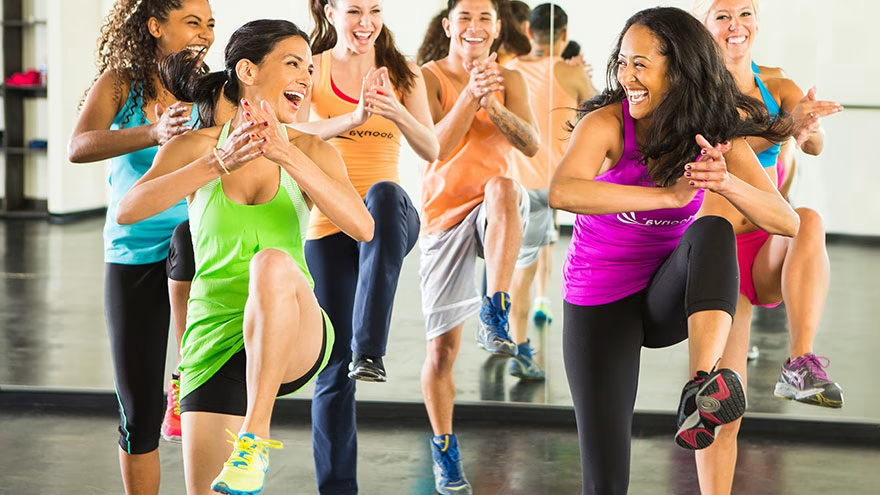
Start With the Kind of Zumba Class You Want
How to find a Zumba class is not only a location search. Zumba has different class types, instructors, settings, music styles, and intensity levels. A class that feels perfect for one person may feel too loud, too fast, too crowded, or too easy for another.
Start with the reason you want the class: cardio, community, dance practice, low-impact movement, weight management, mood, or a new weekly routine. The clearer the reason, the easier it is to choose.
The best class is the one you will return to safely.
Use the Official Class Search
The official Zumba site has a Find a Class tool that lets users search by location and class type. It also lists options such as Zumba, Aqua Zumba, Zumba Gold, Zumba Toning, and other formats.
Use the official search first, then confirm details with the gym, studio, community center, or instructor. Schedules change, rooms move, and class names on third-party sites can be outdated.
If group cardio feels intimidating, Livecub's How to Do Chair Dancing can be a gentler entry point while you build confidence with music-based movement.
Check Instructor Status and Style
Zumba's help center explains that the instructor finder can be searched by name, location, and radius, and that class profiles depend on instructor membership and listings. That means a real class may still need confirmation by phone or message.
Ask whether the instructor is licensed, what format they teach, and whether beginners are welcome. A good instructor should be able to explain class intensity without making you feel foolish for asking.
Instructor style matters. Some cue clearly and offer low-impact choices. Others teach fast, performance-heavy classes. Neither is wrong, but one may fit you better.
Pick the Right Class Type
Standard Zumba is usually dance-cardio with Latin and global rhythms. Zumba Gold is often better for beginners, older adults, or people wanting lower intensity. Aqua Zumba uses the pool. Toning classes add light resistance.
Do not choose the hardest-looking class first unless you already have the movement base. A class that lets you learn the steps and keep breathing will be more useful than one where you spend the hour lost.
For simple step patterns outside Zumba, Livecub's What Are Basic Aerobic Steps? can help you learn the kind of footwork that appears in many group fitness rooms.
Visit the Space Before Committing
Room setup changes the class. Check the floor, ventilation, crowd size, speaker volume, mirrors, water access, and whether the instructor can be seen from the back.
A sticky floor can bother knees. A slippery floor can make turns unsafe. A packed room may be fun for some people and stressful for others.
The room should let you move without guarding every step. If you spend the whole time avoiding elbows, the class is not serving you.
Ask About Trial Classes and Cost
Before buying a package, ask about a drop-in class, trial week, cancellation rules, and whether classes are included in a gym membership. Some community centers are cheaper than boutique studios.
Also ask what to bring: shoes, towel, water, mat, or light weights. Most Zumba classes need supportive shoes and comfortable clothing that allows movement.
If you are comparing cost with other workouts, Livecub's How to Lose Weight on Tae Bo is another cardio-style option, though any weight goal should be handled with realistic nutrition and consistency.
Use Intensity Cues During the First Class
The CDC's adult physical activity guidance supports regular aerobic activity, but the right intensity depends on your body. During the first class, use the talk test: you should be challenged, not unable to function.
Modify jumps, turns, squats, and arm movements. March instead of jumping. Step instead of pivoting. Keep the arms lower if shoulders fatigue.
You are allowed to make the class yours. Nobody wins because you pushed through knee pain in the third song.
Notice the Culture of the Class
Some classes feel welcoming because the instructor names modifications, greets newcomers, and keeps the energy playful. Others feel like a performance rehearsal. Choose the room where you can learn.
Good class culture also respects space, hygiene, water breaks, and different bodies. If the class shames beginners or ignores safety, keep looking.
For youth or family movement ideas, Livecub's Endurance Exercises for Kids can help parents think about age-appropriate conditioning instead of forcing children into adult class expectations.
Match Shoes to the Floor
Zumba includes steps, pivots, side movement, and quick changes. Running shoes with deep tread can stick during turns, while slippery shoes can make lateral movement unsafe.
Ask the instructor or studio what shoes work on that floor. Bring supportive shoes and avoid trying a new class in worn-out footwear.
Your knees and ankles notice the floor first. A class can be fun and still need better shoe choices.
Build a Routine After You Choose
Once you find a class, give it a fair trial. One awkward first class does not mean Zumba is wrong for you. Dance fitness takes a few sessions before patterns feel familiar.
Start with one or two classes a week, then add more only if joints, sleep, mood, and schedule handle it well. Pair Zumba with strength training, walking, mobility, or rest so the body gets variety.
Use the First Month as a Trial
Give the class a few tries before judging the choreography. The first class is often confusing because the songs, cues, and room are new.
After three or four classes, ask better questions: Do you feel welcome? Can you modify? Do joints feel okay the next day? Does the schedule fit? That tells you more than first-day nerves.
Check Online and In-Person Options
Some instructors offer both studio and virtual classes. Online classes can help if transportation, childcare, or schedule makes in-person attendance hard. In-person classes can be better if you need room energy and visible cueing.
For online classes, make sure the floor is clear, the speaker volume is reasonable, and the camera angle lets you follow the instructor. Do not dance on a slippery rug just because the class is streamed.
Convenience still needs safety. The best class format is the one you can do with enough space and attention.
Ask About Modifications Before Class Starts
Arrive a few minutes early and tell the instructor if you are new, returning after time off, or managing a knee, hip, back, or balance issue. You do not need a long explanation.
A good instructor can point out lower-impact options before the music starts. Marching, smaller steps, fewer turns, lower arms, and slower pivots can keep you in the class without copying every move.
If the instructor brushes off safety questions, choose a different class.
Bring the Right Expectations
You will probably miss steps at first. That is normal. Stay moving, watch the feet, and let the arms join later if the combination is confusing.
Most people are paying more attention to their own timing than to yours. The class gets easier when the songs repeat.
Look for Beginner-Friendly Cueing
A good instructor cues before the move changes, not only after everyone is already moving. They may point, count down, show direction, or repeat patterns in a way that lets the room catch up.
If you constantly feel lost, try another instructor before deciding Zumba is not for you. The same format can feel completely different with clearer cueing.
Good cueing lowers stress. It lets you work hard without spending the whole hour guessing. When cueing is clear, beginners can relax, move more, and stop watching the door for an escape halfway through class or song. That matters more than flashy choreography or volume in class for beginners especially.
A good Zumba class should leave you tired, clearer, and willing to come back. That is enough.
Frequently Asked Questions
Where should I look for a Zumba class?
Start with the official Zumba class search, then confirm schedule, location, cost, and class type with the instructor or facility.
Which Zumba class is best for beginners?
Zumba Gold or a beginner-friendly standard class may be best. Ask whether modifications and slower cueing are offered.
Do I need dance experience?
No. Dance experience helps, but a welcoming class should let beginners follow, modify, and learn over time.
What should I bring to Zumba?
Bring water, supportive shoes, comfortable clothes, and a towel. Avoid shoes that stick too much during turns.

Alyssa Curlin
Edits general health, nutrition and education explainers. Medical topics are educational and link to public-health guidance.
Leave a reply
Replying to