
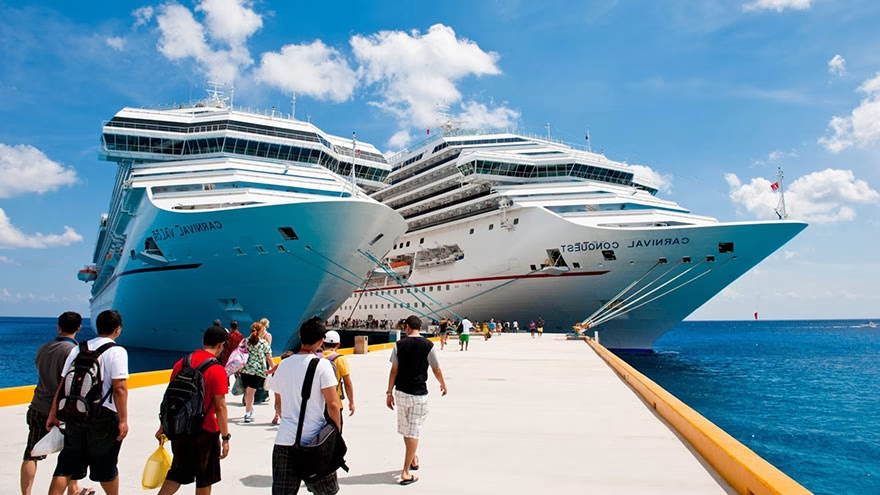
How to Get Cruise Travel Insurance starts with matching the policy to the way cruises fail: illness before departure, medical care at sea, missed flights, weather, lost bags, and emergency transport from a port.
This is general finance and travel education, not insurance, legal, or medical advice. Policy language, exclusions, benefit limits, provider networks, and visa rules can change. Read the certificate before buying.
Start With The Cruise Risks
Cruise travel combines prepaid trip cost, ports in different countries, shipboard medical care, weather delays, missed connections, and possible evacuation from a port. A regular trip policy may work, but only if it fits those risks.
NAIC explains travel insurance can include trip cancellation, baggage loss, and medical evacuation on its travel insurance overview.
Buy Early Enough
Many plans offer time-sensitive benefits only if purchased soon after the first trip deposit. That can include preexisting condition waivers or cancel-for-any-reason options when available.
Do not wait until final payment if medical history, family illness, hurricane season, or expensive airfare matters. Early purchase can preserve choices.
Medical Coverage At Sea
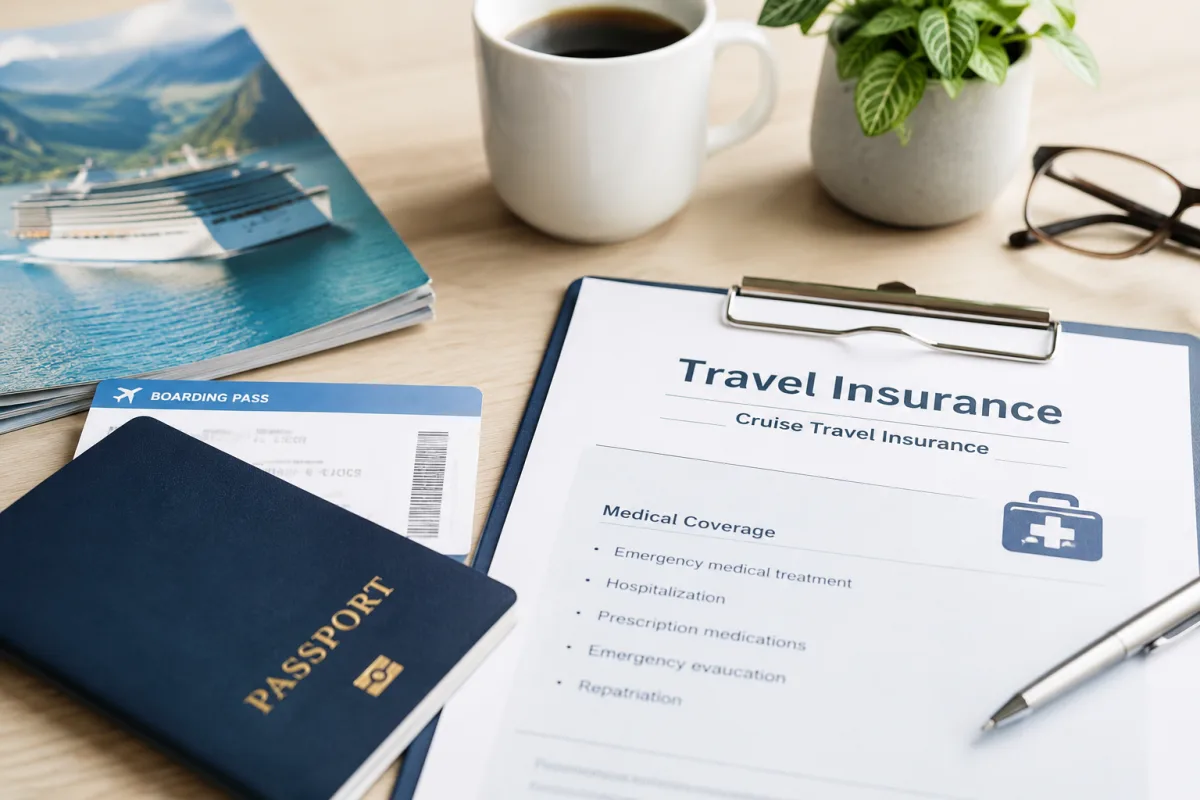
Ship medical centers can charge for care, and your regular health insurance may not cover everything outside the United States. Serious cases may require treatment in a port or evacuation.
The State Department's insurance guidance recommends checking medical and evacuation coverage before international travel.
Evacuation And Repatriation
Cruise passengers should check emergency evacuation and repatriation benefits carefully. A medical emergency may involve ship staff, port authorities, local hospitals, and the insurer's assistance company.
For broader finance comparison habits, Livecub's annuity comparison article shows why product terms need close reading.
Trip Cancellation
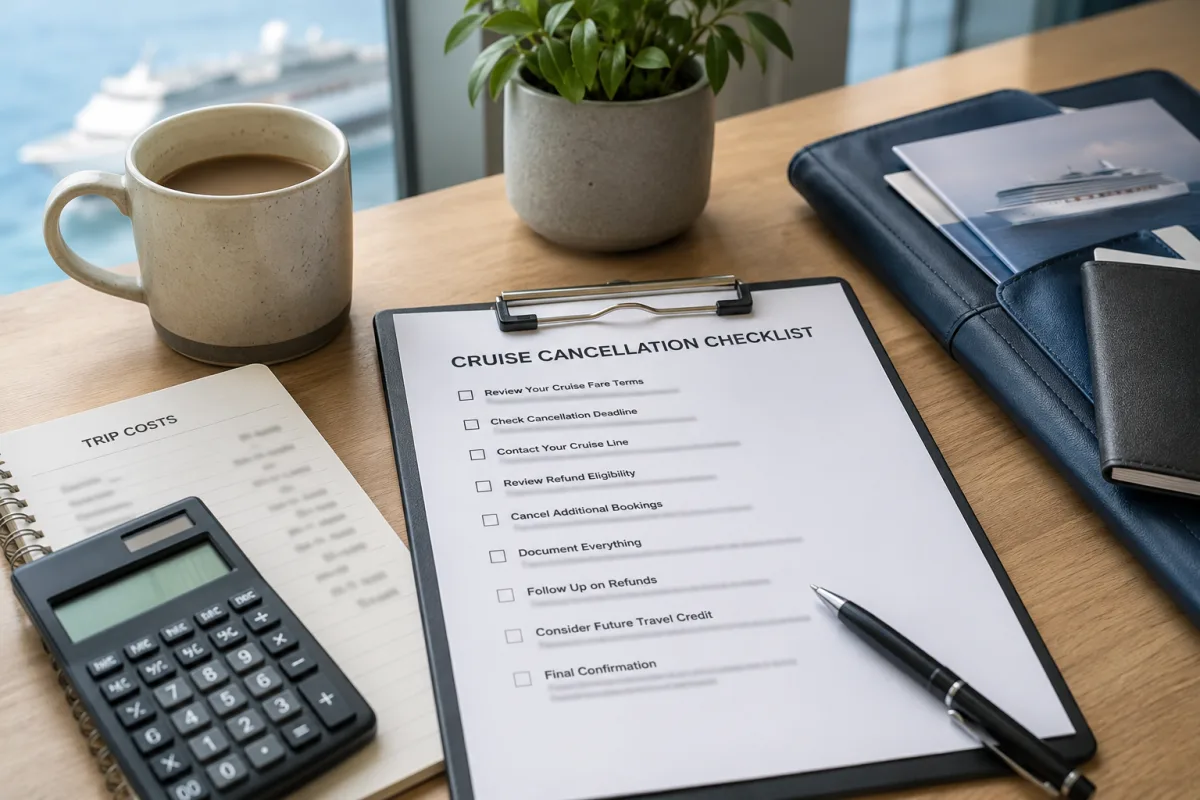
Trip cancellation coverage may reimburse prepaid, nonrefundable costs for covered reasons. Covered reasons vary. Illness, injury, death in the family, severe weather, jury duty, or job loss may be treated differently by each policy.
Cancel-for-any-reason coverage is different and usually costs more, has purchase deadlines, and reimburses only a percentage. Read the percentage and deadline.
Trip Interruption
Trip interruption can matter if you need to leave mid-cruise or miss part of the trip for a covered reason. It may help with unused trip cost and extra transportation, depending on policy language.
Cruise itineraries are rigid. Missing embarkation or a port can be costly, so missed connection and travel delay terms deserve attention.
Hurricane And Weather
Weather coverage depends on timing and policy terms. Once a storm is named or an event is known, it may be too late to buy coverage for that event.
Travelers sailing during storm seasons should compare weather, delay, missed connection, and cancellation terms before deposit deadlines.
Preexisting Conditions
Travelers with health conditions should look for a preexisting condition waiver and check purchase timing, stability rules, insured trip cost requirements, and medical lookback periods.
A stable condition may still need proper waiver timing. Do not assume a doctor's note after the fact will solve a policy exclusion.
Cruise Line Plans
Cruise lines may offer plans during booking, but those plans are not always the best fit. They may have limited medical or evacuation benefits, future cruise credit rules, or provider limits.
Compare a cruise line plan with third-party policies. The better option depends on trip cost, age, health, destination, and cancellation concerns.
Credit Card Benefits
Credit card travel protections can help with some delays, baggage, or cancellation issues, but they may not include enough travel medical or evacuation coverage for a cruise.
Check the guide to benefits and confirm whether the whole trip must be paid with that card.
Documents To Save
Save booking invoices, cruise line cancellation schedule, airfare receipts, medical records, delay notices, and payment proof. Claims often fail because travelers cannot show what was prepaid or why the claim is covered.
Keep policy numbers and assistance contacts offline, not only in email.
Budget Fit
Insurance cost depends on age, trip cost, destination, length, coverage level, and options. A cheaper plan with low medical evacuation benefits may be a poor match for an expensive international cruise.
For general fixed-income planning habits, Livecub's $100 Treasury bond guide shows the same discipline: understand terms before putting money in. Livecub's bond calculator guide is another example of checking inputs before trusting a final number.
Final Checklist
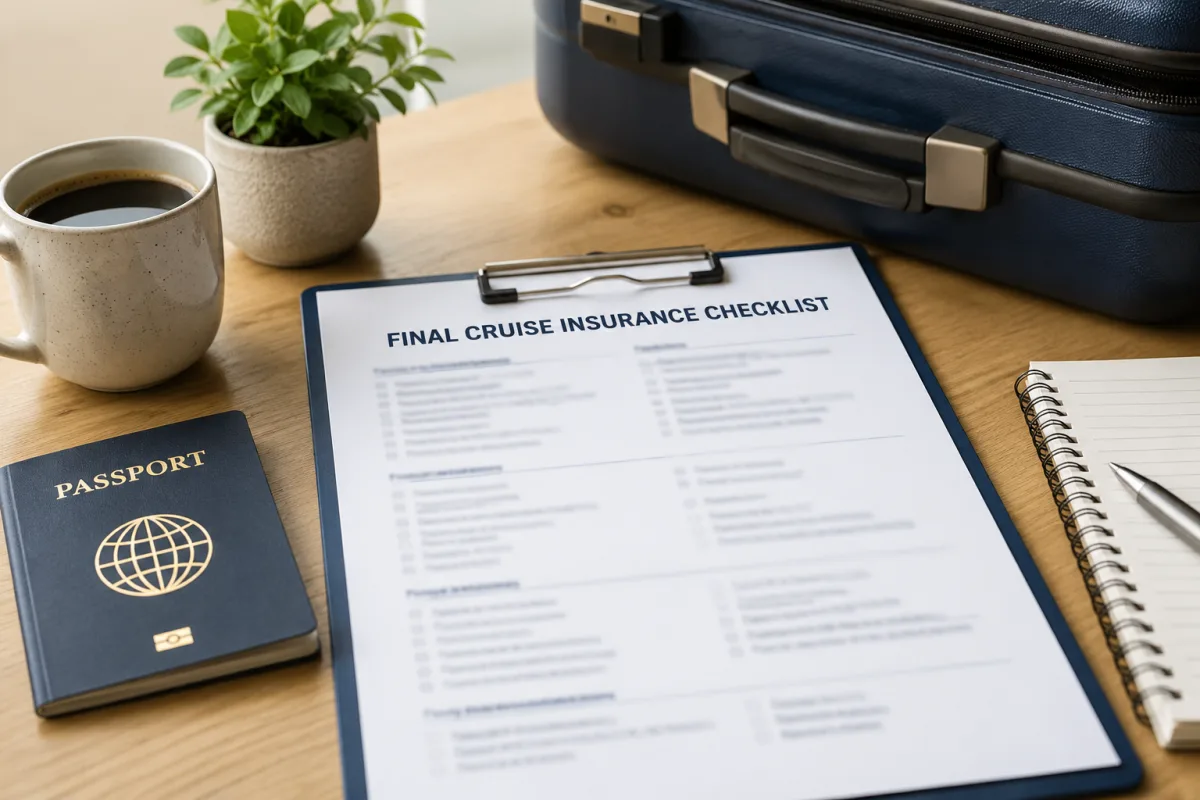
Before buying, check covered trip cost, medical limit, evacuation limit, repatriation wording, preexisting condition waiver, cancellation reasons, missed connection terms, baggage coverage, and assistance phone number.
If the trip includes older travelers, children, remote ports, or expensive flights, review the plan more carefully.
Match Coverage To Deposits
Cruises often have staged payments: deposit, final payment, excursions, flights, hotels, transfers, and prepaid packages. Add the nonrefundable parts before choosing trip cancellation coverage.
If you underinsure the trip cost, some benefits may be reduced or unavailable. If you overinsure, you may pay for coverage you cannot claim because refundable costs are not losses.
Ports And Visas
Some itineraries include countries with their own entry, health, or insurance expectations. Cruise passengers may assume the ship handles everything, but personal documents still matter.
Review passport validity, visa rules, vaccination requirements if relevant, and local medical access before sailing. Insurance does not fix missing documents.
Missed Embarkation
A delayed flight can cause a traveler to miss the ship. Some policies include missed connection coverage, but terms vary by delay length, covered cause, and extra transportation limits.
If the cruise is expensive, consider arriving a day early. Insurance can help with money, but it cannot always rescue the vacation experience.
Cabin Quarantine
Illness on a ship may lead to isolation, missed ports, medical bills, or changed travel plans. Coverage depends on the policy and documentation from the cruise line or medical staff.
Keep written instructions, bills, and proof of missed prepaid activities. A verbal explanation after the trip may not be enough for a claim.
Group And Family Travel
Families and groups should check how policies handle minors, older relatives, shared cabins, separate airfare, and one person's illness affecting others. The answer can differ by plan.
If one traveler has a preexisting condition, the whole group's cancellation exposure may depend on waiver timing and covered-family-member definitions.
Shore Excursions
Cruise excursions may involve snorkeling, scooters, hiking, zip lines, alcohol, private tour operators, or long drives from port. Some activities may be excluded or treated differently by insurance.
If an excursion is the main reason for the trip, check the policy before booking it. Also save excursion receipts and operator details in case a delay or injury affects the claim.
Airfare Bought Separately
Many cruise travelers buy airfare outside the cruise package. That can create separate cancellation rules, airline credits, and documentation needs. Insurance may cover the total insured trip cost only if those costs were included properly.
Keep airfare, hotel, transfer, and cruise documents together. A claim adjuster needs to see the whole trip timeline, not only the cruise invoice.
Medical Debarkation
If a passenger leaves the ship for medical care, travel plans can change quickly. The traveler may need local hospital records, new flights, hotel stays for a companion, and insurer coordination.
Ask the ship medical team for written records and contact the assistance company before making expensive arrangements whenever possible.
Baggage And Medication
Cruise travelers should pack prescription medicine, glasses, hearing aids, chargers, and essential documents in carry-on bags, not checked luggage. Baggage coverage may help after a loss, but it cannot replace a needed medicine at sea.
If medicine requires refrigeration or special handling, ask the cruise line and insurer what documentation is needed before departure.
Travel Companions
If one passenger becomes ill, a companion may need hotel nights, meals, local transport, or a new flight home. Some policies include companion benefits, but limits and covered reasons vary.
Check whether the policy covers only the sick traveler or also reasonable extra costs for someone staying with them. This matters for older travelers, children, and couples.
Frequently Asked Questions
When should I buy cruise travel insurance?
Soon after the first trip deposit if you want time-sensitive benefits such as some waivers or optional upgrades.
Does cruise insurance cover medical care on the ship?
Only if the policy includes travel medical coverage and the claim fits the terms.
Is cruise line insurance enough?
Sometimes, but compare medical, evacuation, cancellation, and reimbursement terms before relying on it.
Do I need evacuation coverage for a cruise?
It is wise to review it because serious medical cases may require port treatment or transport.
What paperwork should I keep?
Invoices, receipts, medical documents, delay notices, and policy contacts are useful for claims.
The Practical Takeaway
Get cruise travel insurance by comparing medical, evacuation, repatriation, cancellation, interruption, weather, missed connection, baggage, and preexisting condition terms before the trip becomes a known risk.

Tory Stearns
Edits practical household, travel and lifestyle explainers. Claims that can change are linked to current primary or subject-authority sources.




Leave a reply
Replying to