
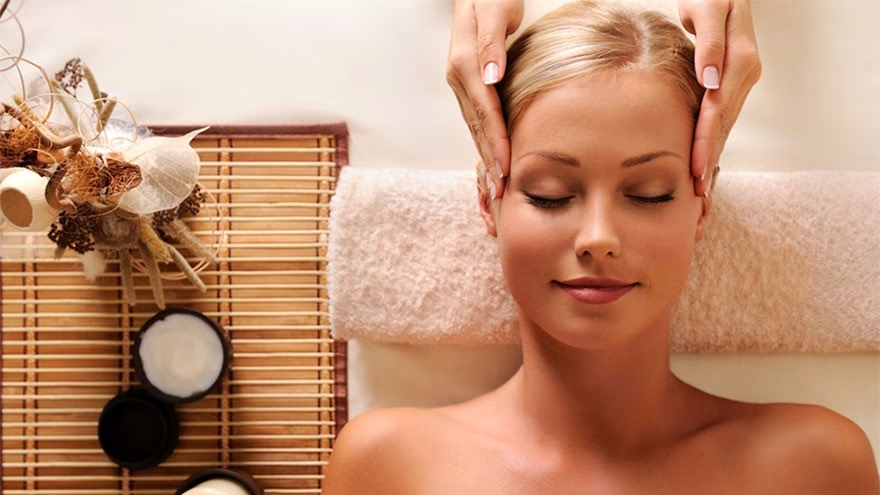
Keep Face Massage Gentle
To give a face massage well, start with gentleness. Facial skin is more delicate than the shoulders or back, and the area includes eyes, sinuses, jaw joints, acne, skin treatments, and sensitivities. The goal is relaxation and comfort, not forcing a dramatic change in someone's face.
Clean hands, trimmed nails, a calm pace, and clear consent matter more than complicated technique. Ask whether the person wants a face massage, whether any areas should be avoided, and whether they use products that make skin sensitive. A good massage is permission-based care.
Cleveland Clinic's page on lymphatic drainage massage explains that lymphatic techniques use very light pressure. That is a useful reminder for face work: lighter is often better.
Set Up a Clean, Comfortable Space
Wash your hands before touching the face. Remove rings or bracelets that could scratch. Use a clean towel, fresh pillowcase, or clean headrest cover. If the person wears makeup, ask whether they want to remove it first. Do not massage over eye makeup that may smear into the eyes.
Choose a product carefully. A small amount of plain, skin-safe oil or moisturizer can reduce friction, but avoid strong fragrance, essential oils near the eyes, or products the person has never used before. If someone has sensitive skin, acne treatment, rosacea, recent procedures, or sunburn, skip the product or avoid massage until skin has settled.
Patch-test unfamiliar products on a small area at another time rather than during the massage. If the person already knows a moisturizer works for them, use that. Familiar products lower the chance of redness, stinging, or eye irritation.
Lighting and position matter. The person should be able to relax the jaw and neck. A slight head support can help. If you are doing this as part of a caring routine, Livecub's relaxation massage guide can help with pace and atmosphere.
Start With the Neck and Jaw
Begin below the face. Rest your hands lightly at the sides of the neck and shoulders, then use slow upward and outward strokes toward the jawline. Keep pressure light. The neck is not a place for deep digging, especially near the throat.
For the jaw, use small circles along the jawline and the masseter area, where many people hold tension. Ask about pressure before increasing it. If the person has jaw pain, dental problems, or temporomandibular joint issues, use extra caution and stop if anything feels sharp or uncomfortable.
Use both hands evenly when possible. Symmetry helps the massage feel calm and prevents one side from receiving much more pressure than the other. If one area feels tender, lighten your touch instead of trying to work through it.
Do not press hard under the chin or directly on the front of the throat. A face massage should feel calming, not invasive. The jaw work should be slow and responsive.
Use Light Strokes on the Cheeks
Move from the center of the face outward. Use fingertips or the flats of your fingers to glide from the sides of the nose toward the ears, then from the corners of the mouth toward the cheekbones. Keep the motion smooth and symmetrical.
Small circles can feel good on the cheeks, but avoid dragging skin. Add a little product if friction builds. If the person has active acne, irritation, or broken skin, avoid those areas. Massage should not turn a skin problem into a bigger one.
Watch the person's face and breathing. If they tense, hold breath, pull away, or go quiet in a worried way, pause and ask. A relaxed face massage depends on feedback, not guessing.
A simple pattern can help: glide outward, pause, use small circles, then glide outward again. Repeat slowly instead of adding many different moves. Predictability lets the person relax because they know what is happening next.
Be Careful Around the Eyes
The eye area needs the lightest touch. Work around the brow bone and temples rather than pressing on the eyeball or eyelid. Use tiny circles at the temples and gentle strokes along the brow. Keep oil, lotion, and fingers away from the eyes themselves.
The American Academy of Dermatology advises gentle skin care and avoiding irritation, especially for sensitive or dry skin. Its dry skin care guidance is not a massage manual, but it supports the same idea: protect the skin barrier instead of overworking it.
If the person wears contact lenses, has eye irritation, recent eye surgery, or an infection, skip eye-area massage. There is no benefit to risking discomfort for a technique that should be optional.
Keep towels and product away from eyelashes and lash extensions. Pulling, rubbing, or oily residue near the lash line can be irritating. Around the eyes, almost no pressure is usually enough.
Forehead and Scalp Finish
For the forehead, glide from the center outward and use small circles above the brows. Keep pressure steady but light. Many people hold tension between the brows, but that does not mean the area needs hard rubbing.
Finish at the hairline and scalp if the person is comfortable. Use slow fingertip circles along the hairline, temples, and upper scalp. Livecub's great head massage article pairs naturally with this step because the transition from face to scalp can feel calming.
End by resting your hands lightly at the sides of the face or shoulders for a few seconds, then let go slowly. Abrupt endings can feel jarring after a quiet massage. Give the person time to sit up.
When to Avoid Face Massage
Do not give a face massage over sunburn, open cuts, active infection, unexplained swelling, painful acne, recent injections, recent surgery, or a skin condition that has not been cleared for touch. Avoid areas with new piercings or irritation.
If the person has facial nerve pain, severe headaches, jaw disorders, cancer treatment effects, blood clot concerns, or medical instructions limiting massage, ask a clinician first. Face massage is not a substitute for medical care. It should not be used to treat symptoms that need diagnosis.
Stop if there is numbness, dizziness, sharp pain, sudden swelling, vision changes, or unusual headache. Those are not normal relaxation responses. A massage should never make someone feel they must tolerate discomfort to be polite.
Consent can change during the massage. If the person says stop, pause, or lighter, respond immediately. In a relationship, respectful touch matters as much as technique. Livecub's massage a wife article is relationship-focused, but the same rule applies: comfort comes first.
Make It a Short Routine
A face massage does not need to be long. Five to ten minutes is enough for most people. Longer sessions can irritate skin, especially if friction builds or products are not a good match. Short, gentle, and wanted is better than elaborate.
After the massage, offer water, a clean towel, and a moment to rest. If product remains on the skin, ask whether the person wants it wiped away. Do not add new products afterward unless they ask.
If the massage is part of a relationship routine, keep the tone simple. Ask what felt good and what should be different next time. That feedback turns care into shared comfort, not performance.
Keep a small routine instead of trying every technique at once. Neck, jaw, cheeks, brow, and scalp are enough for most sessions. Repeating the same gentle order helps the person relax faster next time.
If the person prefers self-massage, demonstrate the same light strokes on your own face first. That keeps control with them and reduces awkwardness around sensitive areas.
The best face massage feels simple and attentive. Clean hands, light pressure, clear consent, and careful product choice will do more than a complicated routine copied from a video. Comfort should set the pace.
Frequently Asked Questions
How much pressure should I use for a face massage?
Use light pressure. Facial skin and the eye area are delicate, and comfort should guide the technique.
Can I use oil for face massage?
Yes, if the person tolerates it and it is safe for their skin. Avoid strong fragrance, eye contact, and unfamiliar products on sensitive skin.
How long should a face massage last?
Five to ten minutes is usually enough. Stop sooner if the skin becomes irritated or the person feels uncomfortable.
When should I avoid face massage?
Avoid massage over sunburn, infection, swelling, open skin, recent procedures, painful acne, or any condition where a clinician has advised against it.

Olivia Prete
Edits culture and personal-development articles, distinguishing opinion and experience from verifiable claims.




Leave a reply
Replying to