

A Christian proposal should feel like more than a pretty question. It should fit the couple's faith, respect both people, and point toward a marriage that has already been discussed with honesty. This guide on how to propose for a Christian marriage keeps the focus on prayer, readiness, family respect, consent, church expectations, and a proposal that does not try to replace real preparation.
What should happen before the proposal?
Before choosing a ring or location, talk about the marriage itself. Discuss faith, children, church involvement, money, work, family boundaries, sex, conflict, where you may live, and what support you expect from community. A surprise proposal should not be the first serious marriage conversation.
Focus on the Family has resources about preparing for marriage, and its preparing for marriage page is a useful starting point for couples who want faith-based questions before engagement or early in engagement.
For later-stage anniversary thinking, Livecub's 10 year anniversary guide is a reminder that a proposal is only the doorway, not the whole relationship.
How do prayer and discernment fit?

Prayer should slow the process down, not decorate a decision already made. Pray privately, talk together, seek wise counsel, and pay attention to patterns in the relationship. Peace about marriage should be supported by character, honesty, and shared direction.
Bible passages about love are often read at weddings, but they should not be reduced to decoration. The 1 Corinthians 13 passage is often used because it frames love as patient, kind, and enduring, not only romantic.
Do not use faith language to pressure a yes. A proposal should invite a free answer.
Should family be involved?
Family involvement depends on the couple, culture, age, safety, and family history. Asking for a blessing can be meaningful if it honors the partner and does not treat them as property. In strained or unsafe families, privacy may be wiser.
Talk with your partner ahead of time about what family involvement would feel respectful. Some people want parents included. Some want privacy first. Some want a pastor, mentor, or sibling to know.
If you are planning a faith-based event later, Livecub's marriage seminar ideas guide can help you think about community without turning the proposal into a production.
What role should premarital counseling play?
Many churches encourage or require premarital counseling before the wedding. It may cover communication, money, conflict, sexuality, family patterns, faith practices, and expectations for marriage. It is better to welcome this early than to treat it as a box to check after the date is set.
The USCCB marriage preparation page explains Catholic marriage-prep expectations, and the USCCB marriage preparation resource is useful for Catholic couples or anyone trying to understand why church preparation can be formal.
Counseling is not a sign that the relationship is weak. It is a way to bring hidden assumptions into the light before vows are made.
How should the proposal setting be chosen?
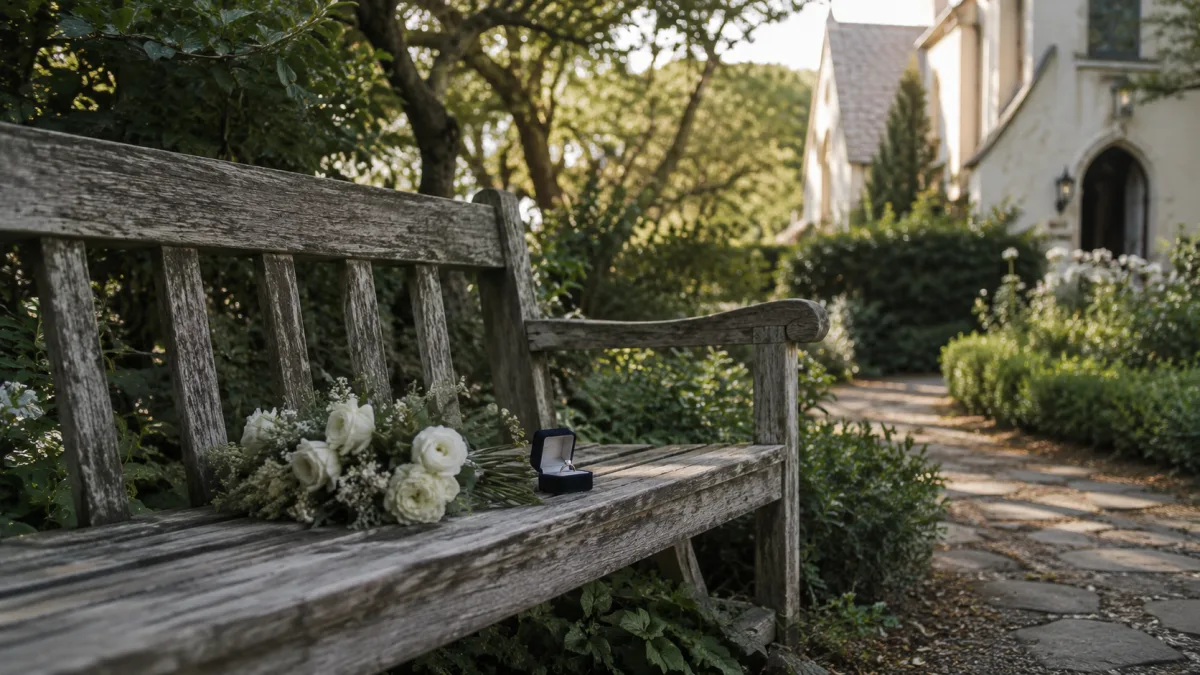
Choose a setting that fits your partner, not your ego. A chapel, garden, family home, quiet overlook, favorite restaurant, or private living room can all work. The right place is one where your partner can answer honestly and feel known.
Public proposals can be beautiful for people who love public moments. They can also trap someone into smiling while uncomfortable. If you are unsure, choose privacy. You can celebrate with others afterward.
How should ring and budget decisions be handled?
The ring should fit your finances and your partner's values. Some couples want a traditional diamond. Some prefer a smaller ring, a family ring, a different stone, a plain band, or no ring until later. None of those choices makes the proposal less Christian.
Do not use debt to create a spiritual-looking moment. A marriage starts better when the couple can talk honestly about money before the wedding. If you are unsure about style, ask careful questions long before the proposal or involve a trusted friend who knows your partner's taste.
The ring is a sign, not the covenant itself. Let it serve the promise instead of becoming the center of the story.
What should you say?
Speak plainly. Name what you love, what you respect, what you have prayed about, and what kind of marriage you hope to build. Avoid performing a sermon. Your partner is saying yes to a life with you, not to a speech you found online.
Name the relationship honestly
Mention the growth you have seen, not a fantasy version of the relationship. Honest words land better than dramatic claims.
Ask clearly
Use the actual question. Do not hide it inside a long speech or a crowd of distractions.
Leave room for emotion
Pause. Let the moment breathe. Nervous laughter, tears, or silence do not mean the proposal has failed.
What practical details matter?

Think about the ring, budget, transportation, weather, privacy, photos, family contact, and what happens after the answer. Do not spend money you cannot afford to create a spiritual-looking moment.
If romance is part of your everyday relationship, Livecub's romantic card games guide can be a lighter way to keep conversation playful before or after engagement.
For couples who value small gestures, Livecub's one-year anniversary ideas guide is a reminder that meaningful romance often looks personal rather than expensive.
What mistakes should be avoided?
Avoid proposing to fix a conflict, rushing because friends are getting married, using spiritual pressure, ignoring major disagreements, surprising someone who has not agreed marriage is near, or making family approval more central than the partner's free yes.
Also avoid pretending every Christian proposal must look the same. Denominations, cultures, families, and personalities differ. The proposal should honor shared faith without copying someone else's script.
What if the answer is not an easy yes?
A loving proposal leaves room for honesty. Your partner may need time, may want more counseling, may have concerns, or may say no. That answer should be received with humility, not embarrassment or spiritual pressure.
If the answer is "not yet," ask what needs to be discussed before moving forward. It may involve timing, family concerns, finances, conflict patterns, church expectations, or trust. A delayed yes is better than a rushed yes that hides fear.
A free answer is part of a faithful proposal. Love is not proved by cornering someone.
How do church customs affect the plan?
Some churches expect engaged couples to contact clergy early, complete premarital counseling, attend classes, or meet certain paperwork timelines. Other churches are less formal but still encourage mentor conversations.
Ask before setting a wedding date if your church has requirements. This is especially true if you want to marry in a specific church building, during a certain season, or with a particular pastor or priest.
Church expectations should not make the proposal feel bureaucratic, but they do affect planning. Knowing them early prevents stress later.
What should happen after the proposal?
Celebrate, pray, tell the people who should hear directly, and then slow down enough to plan wisely. Do not let the joy of the answer turn into immediate pressure about venues, photos, guest lists, and deadlines.
Schedule premarital counseling, revisit budget expectations, and decide how much family involvement is healthy. The proposal is a beginning. The next decisions should protect the relationship, not bury it under event planning.
Write down the conversations still needed before setting major dates. Money, housing, church membership, family boundaries, and conflict habits are easier to discuss before deposits and invitations create outside pressure. Quiet planning can be an act of care, not a lack of romance or faith in the future you hope to build together.
Frequently Asked Questions
Should I ask a pastor before proposing?
It can help if your church expects premarital counseling or you want wise counsel, but the proposal still belongs to the couple.
Should the proposal be public or private?
Choose what fits your partner. If you are unsure, private is usually kinder because it gives room for an honest answer.
Do I need to ask the family for permission?
Some couples value a family blessing. Others do not. Talk about what respect looks like in your relationship and family context.
Can Christians propose without a ring?
Yes. A ring can be meaningful, but the promise, readiness, and shared direction matter more than jewelry.
A Christian proposal should point toward a prepared marriage. Pray, talk, seek counsel, respect freedom, and plan a moment that sounds like the two of you.

Olivia Prete
Edits culture and personal-development articles, distinguishing opinion and experience from verifiable claims.




Leave a reply
Replying to