

Mastitis can feel like a sudden flu mixed with breast pain. It needs a practical plan, and sometimes it needs medical treatment quickly.
The safest approach is to contact a clinician for fever, worsening pain, spreading redness, or symptoms that do not improve, while keeping feeding guidance individualized.
Recognize Mastitis Symptoms
Mayo Clinic lists mastitis symptoms such as breast tenderness, warmth, swelling, pain, redness, feeling ill, and fever: Mayo Clinic mastitis symptoms. Symptoms can appear suddenly.
Redness may be harder to see on darker skin, so pay attention to warmth, swelling, pain, chills, and feeling unwell.
Call A Clinician For Fever Or Worsening Pain

CDC breastfeeding guidance says pain with fever should be discussed with a doctor or nurse: CDC breastfeeding pain guidance. Do not try to power through severe symptoms.
Call sooner for high fever, rapidly spreading redness, severe illness, pus, a painful lump that does not improve, or symptoms in the early postpartum period.
Ask About Continuing Breastfeeding Or Pumping
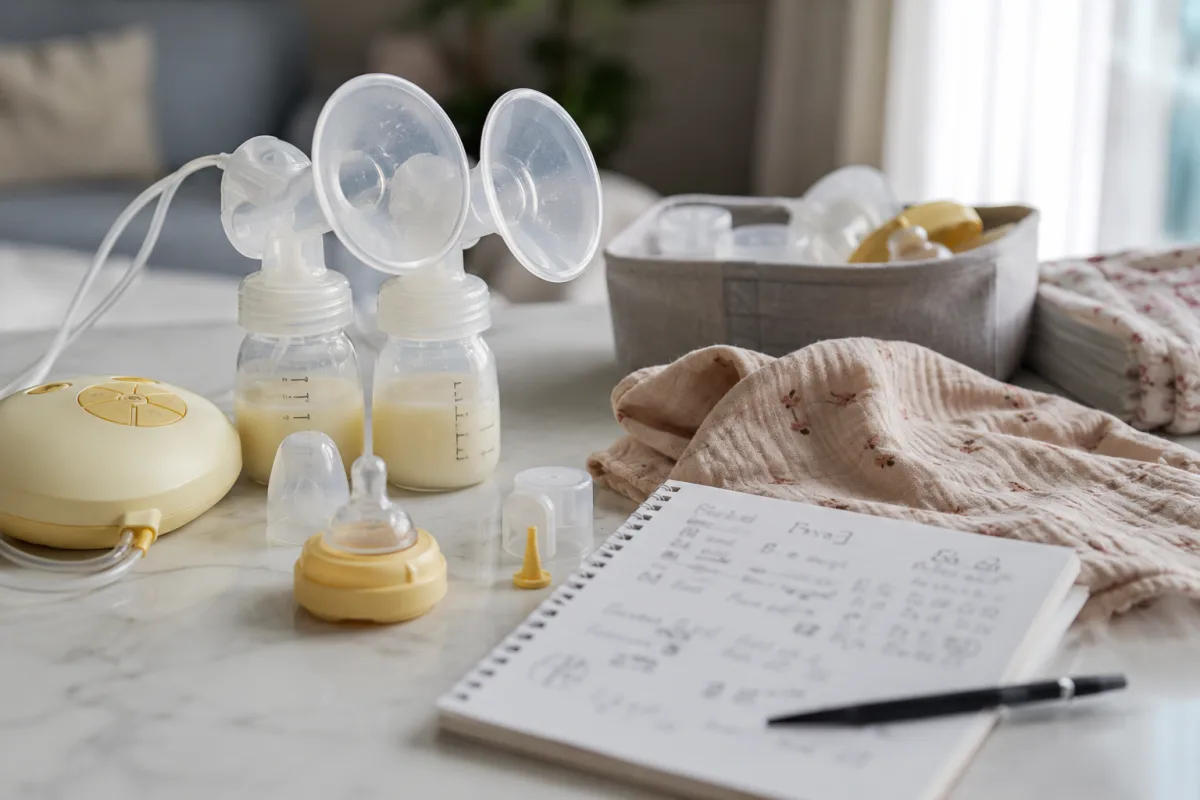
ACOG's breastfeeding challenges guidance notes that women can be reassured about treatments used for mastitis when clinically indicated: ACOG breastfeeding challenges. The feeding plan should come from your care team.
Sudden weaning can worsen engorgement for some people. Ask how to keep milk moving without aggressive massage or extra trauma.
Use Comfort Measures Carefully

Rest, fluids, supportive bra fit, gentle feeding support, and clinician-approved pain relief may help. Many current care plans favor gentle handling rather than hard massage.
If a lactation consultant is available, ask for latch and pumping help. A poor fit or skipped feeds can keep the cycle going.
Know Abscess Warning Signs
A persistent painful lump, worsening redness, fever that does not improve, or feeling very ill can signal a complication that needs prompt care.
Do not wait for a routine appointment if symptoms are escalating.
Watch The Baby, Not The Clock Alone
For treat mastitis, age and timing help, but the baby's cues matter too. Feeding, sleep, crying, recovery, and bonding all look different from one newborn to another.
If feeding makes hiccups or fussiness part of the picture, Livecub's guide to ease newborn hiccups can help parents sort normal moments from concerns to ask about.
Keep Basic Care Simple
The most useful newborn routines are repeatable: clean hands, safe sleep, calm feeding, diaper checks, and a plan for calling the pediatrician.
Livecub's guide to wash an infant fits that same practical approach: fewer steps, done carefully, by the tired adults who are actually there.
Adjust For Prematurity Or Extra Medical Needs
A premature baby, a baby with feeding concerns, or a baby coming home after extra hospital care may need a different plan. Treat mastitis should follow the baby's medical instructions first.
Parents can pair this article with Livecub's guide to premature baby development when milestones or feeding stamina are part of the question.
Make The Home Ready For Tired Caregivers
Care decisions are harder at night. Keep feeding supplies, clean cloths, safe sleep clothing, diapers, and phone numbers where adults can find them without searching.
As the baby grows, Livecub's room-by-room baby-proofing guide becomes the next layer of safety, but the habit starts with simple organization.
Know When To Call
Call a clinician for fever, poor feeding, dehydration signs, breathing trouble, unusual sleepiness, worsening pain, spreading redness, or any symptom that feels outside the baby's normal pattern.
If skin changes appear while you are focused on treat mastitis, Livecub's guide to baby rash and blister care can help you decide what to document before asking for help.
Share The Routine With Another Adult
A routine that only one parent understands will break under stress. Show another adult how bottles are prepared, where clean wraps are stored, what symptoms to watch, and how the baby prefers to be held.
That backup is not a luxury. It protects sleep, recovery, and safety during the first weeks.
Turn The Advice Into A Short Checklist
After reading about treat mastitis, write a short checklist with the names, dates, documents, phone numbers, and decisions that apply to your situation.
A checklist keeps the next step from getting buried under side questions. It also makes it easier for another adult to help without guessing.
Mark The Deadline
Most treat mastitis problems get worse when deadlines are missed. Put claim dates, court dates, renewal dates, appointment times, filing dates, and payment dates on a calendar.
If there is no formal deadline, create a review date anyway. Waiting without a review date is how small gaps become expensive.
Keep The Human Part Visible
Treat mastitis can involve money, safety, grief, feeding, travel stress, or a tired family. The practical answer should reduce confusion for the people living with it.
Use plain words in notes. A plan that only makes sense to the person who wrote it will not help much during a hard day.
Choose The Source Of Truth
Pick the document or professional source that should settle questions about treat mastitis: a policy certificate, court instruction, clinician guidance, loan contract, safe sleep guidance, or written quote.
If a website, salesperson, relative, and old memory disagree, go back to that source before acting. That habit prevents confident but wrong decisions.
Write Down What Changed
The answer for treat mastitis can change when dates, symptoms, travelers, vehicle use, estate assets, feeding patterns, or payment terms change.
Put the changed fact in writing. A small update can explain why yesterday's good plan is no longer the right plan today.
Keep Proof With The Decision
Save the record that supports your treat mastitis decision: receipt, policy page, court form, discharge note, feeding note, loan quote, or official guidance page.
Proof is easier to save at the start than to rebuild after a claim, appointment, dispute, or family conversation.
Ask For Plain Language
If an answer about treat mastitis uses terms you cannot repeat back clearly, ask for plain language before you rely on it.
This is especially useful with exclusions, court authority, medical warning signs, loan fees, and safe sleep instructions. Clear wording reduces mistakes.
Know The Backup Plan
A good plan for treat mastitis includes what to do if the first call, feed, claim, quote, court filing, or travel arrangement fails.
Write the backup contact, next deadline, or second option in the same note. Stress is lower when the second step is already visible.
Close The Loop
After the main step for treat mastitis is handled, record what was done, who confirmed it, what remains open, and when it should be checked again.
Closing the loop keeps the same problem from returning as a surprise later.
Avoid Solving Side Problems At Once
Treat mastitis often pulls in related worries. Park those side worries on a separate list so they do not derail the main task.
Finishing one clear step is better than opening five related questions and finishing none of them.
Share The Plan With The Right Person
Someone else may need to understand the treat mastitis plan: a partner, adult child, caregiver, traveler, agent, lender, court clerk, or clinician.
Share only the details they need to act. Too little information creates confusion; too much can bury the next step.
Watch The Cost Of Waiting
Delay can change the result for treat mastitis. A missed deadline, worsening symptom, expired quote, lost receipt, or late court filing can narrow the choices.
Waiting can still be reasonable, but it should be chosen on purpose. Put the reason for waiting in the notes.
Use The Right Professional
Some treat mastitis questions need a licensed agent, attorney, clinician, lender, court clerk, lactation consultant, or official agency instead of a general internet answer.
Ask the narrow question you need answered. A focused question gets a better answer than a long story with the key fact hidden.
Review After The Next Event
Review the treat mastitis plan after the next trip payment, flight change, feeding issue, court notice, loan quote, symptom change, or bedtime transition.
That review does not need to be long. The point is to catch new facts while they are still easy to act on.
Frequently Asked Questions
Can I keep breastfeeding with mastitis?
Often yes, but follow your clinician's advice for your situation and medicines.
When should I call a doctor?
Call for fever, flu-like symptoms, worsening pain, spreading redness, or symptoms that do not improve.
Do all cases need antibiotics?
Not always. A clinician decides based on severity, duration, infection signs, and exam.
Can mastitis become an abscess?
Yes. A worsening painful lump or persistent fever needs prompt medical care.
This article is for general information only and isn't a substitute for medical advice. Talk to a clinician who knows your full history before making changes.

Olivia Prete
Edits culture and personal-development articles, distinguishing opinion and experience from verifiable claims.




Leave a reply
Replying to