
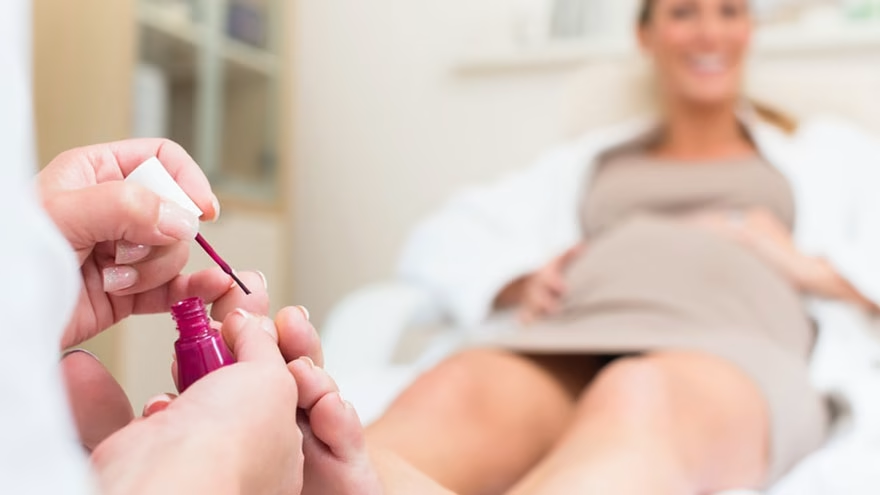
A manicure or pedicure during pregnancy is usually a comfort question, not a reason to panic. Many pregnant people continue basic nail care. The better question is how to reduce avoidable exposure: choose a clean, ventilated salon, avoid broken skin, speak up about fumes, and skip anything that feels irritating or unsafe.
This article is educational and does not replace medical advice from your pregnancy care provider or dermatologist. If you have asthma, severe nausea from fumes, chemical sensitivity, skin infection, diabetes, circulation problems, high-risk pregnancy concerns, or an open cut near the nail, ask your clinician before booking a manicure or pedicure.
Is A Manicure Or Pedicure Usually Safe?
For an occasional customer in a clean, well-ventilated salon, basic nail grooming and polish are generally considered low exposure. The bigger concerns are poor ventilation, strong fumes, skin cuts, contaminated tools, aggressive cuticle cutting, and prolonged occupational exposure for workers.
MotherToBaby explains that common nail products include polish, acrylics, gels, liquids, and powders, and that product ingredients and exposure level matter. That is the right frame: risk is not only "nails or no nails." It is product, ventilation, duration, and skin contact.
What Salon Conditions Matter Most?
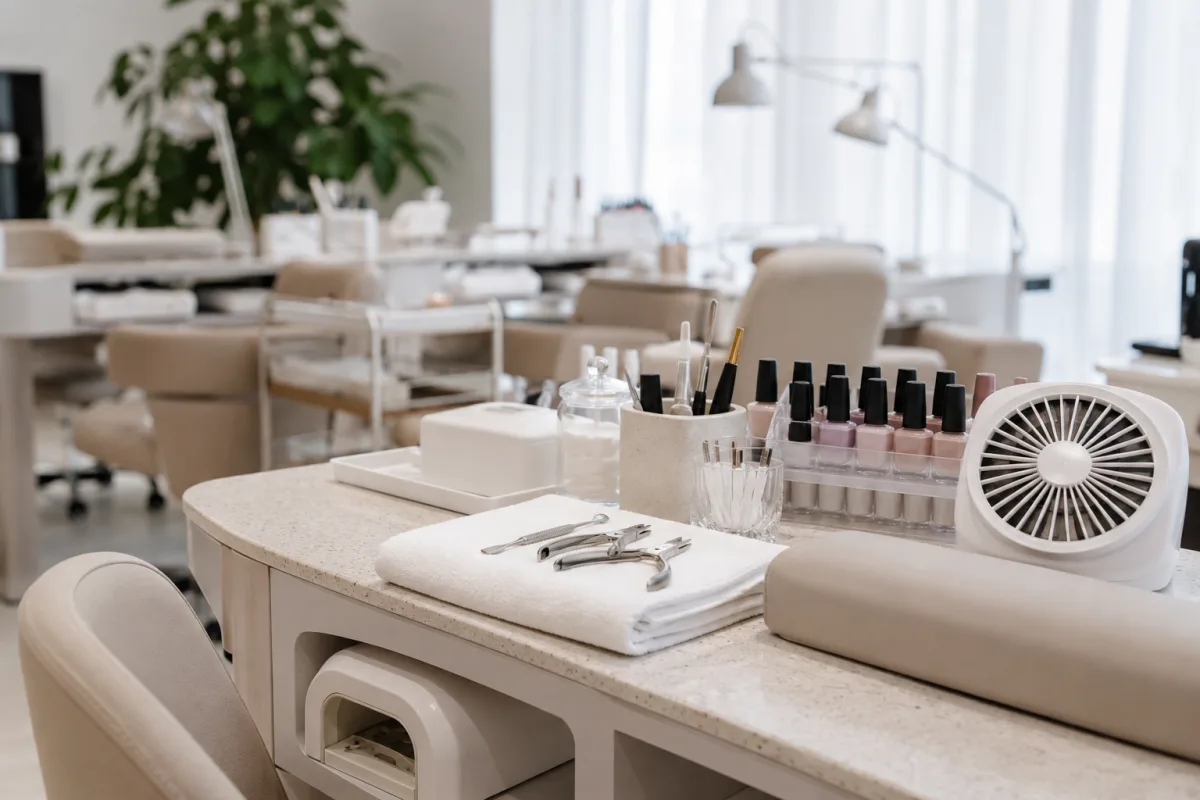
Choose a salon that smells less intense when you walk in, uses visible ventilation, keeps containers closed, cleans tools properly, and does not rush through foot baths or cuticle work. If the smell makes you dizzy, nauseated, or headachy, leave. Pregnancy can make smells harder to tolerate even when a service is allowed.
The CDC/NIOSH notes that ventilation and gloves can help reduce chemical exposure for nail technicians. Customers are exposed for far less time than workers, but the same idea helps: fresh air and less skin contact are sensible.
Should You Avoid Acrylics Or Gel?
Some people choose regular polish because it is simpler and usually less involved than acrylics or gels. Acrylic systems can involve powders, liquids, and more dust. Gel services may involve curing lamps and removal steps. Evidence for occasional customer exposure is limited, so many pregnant people choose the lower-fume, shorter service when they are unsure.
If you do choose gel or acrylic, pick a salon with good air movement, avoid sitting beside several active acrylic stations if fumes bother you, and do not let anyone file aggressively into the natural nail. Stop if you feel unwell.
What About Polish Ingredients?
Terms like "3-free," "5-free," or "10-free" can be helpful but are not magic. They refer to certain ingredients left out of a polish formula, and brands define the lists differently. If you have allergies or sensitivities, ask about the actual product and read the label.
ACOG's guidance on reducing toxic chemical exposure before and during pregnancy recommends practical exposure-reduction steps rather than fear. For nail care, that means ventilation, avoiding unnecessary fumes, and choosing products thoughtfully.
Is Acetone Safe During Pregnancy?
Occasional acetone exposure during polish removal is different from working with solvents all day. Use it in a ventilated area, avoid breathing over the bottle, keep lids closed, wash hands after removal, and moisturize afterward. If acetone makes you nauseated, use a different remover or delay the service.
The person with the higher concern is the nail worker who handles solvents for many hours, many days. Customers should still be sensible, but the exposure pattern is not the same.
Are Pedicures Different From Manicures?
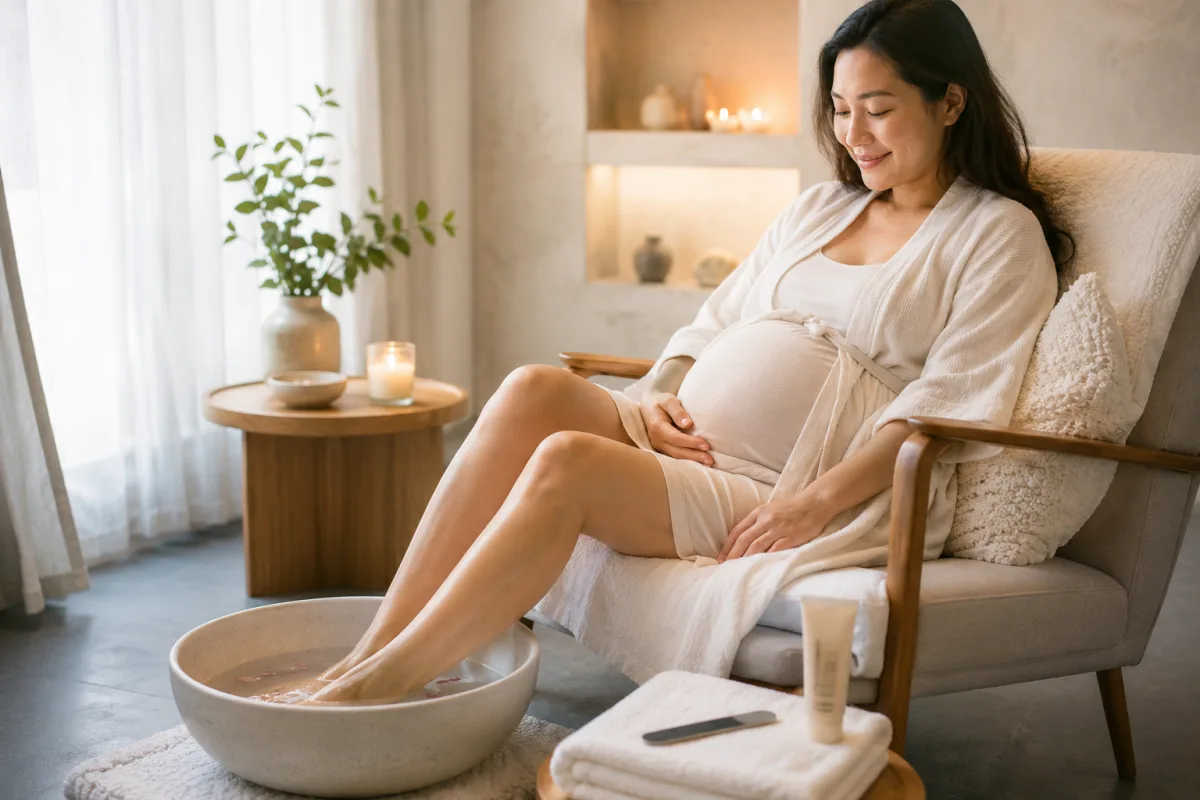
Pedicures add foot-soak and infection concerns. Avoid pedicures if you have cuts, blisters, athlete's foot, ingrown nails, or signs of infection. Ask that the technician avoid cutting cuticles or shaving calluses aggressively. Small wounds can become problems.
Pregnancy can make feet swell and skin feel tender. A gentle soak may feel good, but very hot water is not needed. If swelling is sudden, severe, one-sided, painful, or paired with headache or vision changes, contact your care provider instead of treating it as a spa issue.
Can Foot Massage Trigger Labor?
Ordinary light foot massage during a pedicure is unlikely to start labor in a healthy pregnancy. Still, avoid deep pressure if your provider has given restrictions, if you have pain, or if the technician claims to work on labor-inducing points. A nail appointment is not the place for experimental pressure-point work.
If you are close to labor and thinking about comfort measures, Livecub's early labor emotional support guide is a better place to think about calm support and practical care.
What If You Work In A Nail Salon?
Working in a nail salon while pregnant is a different exposure question than getting one manicure. Workers may handle solvents, dust, disinfectants, acrylic systems, and polish for long shifts. Talk with your clinician about your workplace and ask your employer about ventilation, gloves, breaks, and product safety data sheets.
MotherToBaby's nail salon worker fact sheet discusses pregnancy and nail-salon work, including questions about miscarriage, solvents, formaldehyde, and ways to reduce exposure. If this is your job, bring the product list or safety data sheets to a medical visit when possible.
How Can You Make A Nail Appointment Safer?
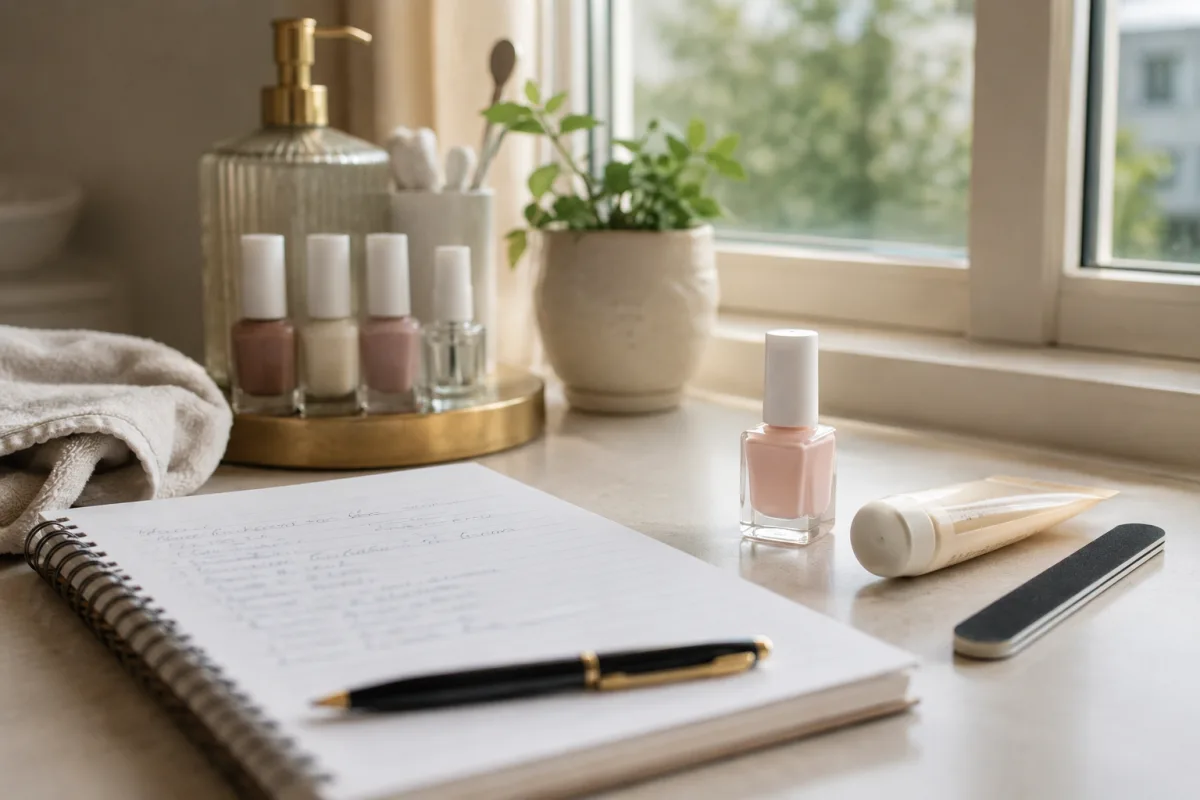
Book at a quieter time, sit near ventilation, bring your own polish if that makes you more comfortable, avoid cuticle cutting, skip services that create heavy dust or fumes, and wash hands before eating. Keep the visit short if smells trigger nausea.
If beauty care is part of feeling like yourself during pregnancy, that matters too. Livecub's feeling attractive during pregnancy guide can help separate reasonable self-care from pressure to look polished every day.
When Should You Skip The Appointment?
Skip or reschedule if you feel ill, have a skin or nail infection, cannot tolerate salon smells, have an open wound, or your provider has asked you to avoid certain exposures. Also skip if the salon looks dirty, tools are reused without cleaning, or staff dismiss safety questions.
If anxiety about the appointment feels larger than the benefit, choose home care instead: trim nails, file gently, moisturize, and use a low-odor polish in a ventilated room. Pregnancy self-care should reduce stress, not create more.
What Should You Tell The Technician?
Tell the technician you are pregnant if it helps you ask for gentler service, a shorter appointment, a seat near ventilation, or no cuticle cutting. You do not need to share private medical details. A simple request is enough: "Please keep the massage light," or "I need a break from the smell."
Ask them not to use razors or aggressive callus removal. Ask for clean tools and a fresh file. If the answer sounds dismissive, choose another salon. A good appointment should not require arguing for basic hygiene and comfort.
Bring water and a small snack if long appointments make you lightheaded or nauseated. Comfort matters too.
Choose a chair that lets you change position. Sitting still for too long can make late pregnancy uncomfortable.
How Does This Fit With Other Pregnancy Choices?
Nail care is one of many small choices people overanalyze during pregnancy. The pattern is the same: ask what the exposure is, how often it happens, what safer option exists, and whether your own health history changes the answer. Occasional nail care is not the same as daily workplace exposure.
If pregnancy worry is becoming constant, Livecub's depression during pregnancy article may help you recognize when worry needs more support. You deserve care for both body and mind.
Frequently Asked Questions
Can I get regular nail polish while pregnant?
Many people do. Choose a ventilated space, avoid skin cuts, and stop if fumes make you feel unwell.
Are gel manicures safe during pregnancy?
Evidence for occasional use is limited. Some people choose regular polish to reduce fumes, dust, and curing-lamp steps.
Can I get a pedicure in the third trimester?
Often yes, if the salon is clean and gentle. Avoid treatment on cuts, infections, or painful swelling.
Should I bring my own tools?
You can, but clean salon practices still matter. Tools should be disinfected properly either way.
What if I work in a nail salon?
Talk with your clinician about job exposure, ventilation, gloves, breaks, product lists, and safer work practices.
What Is The Practical Answer?
An occasional manicure or pedicure during pregnancy is usually a reasonable choice when the salon is clean, the air is fresh, and the service is gentle. Choose lower-fume options, protect your skin, avoid infection risks, and ask your care provider when your health history makes the answer less simple.

Linda Fehrman
Edits general wellness and relationship explainers. Health material is educational, avoids diagnosis and links to health-authority guidance.

Leave a reply
Replying to