
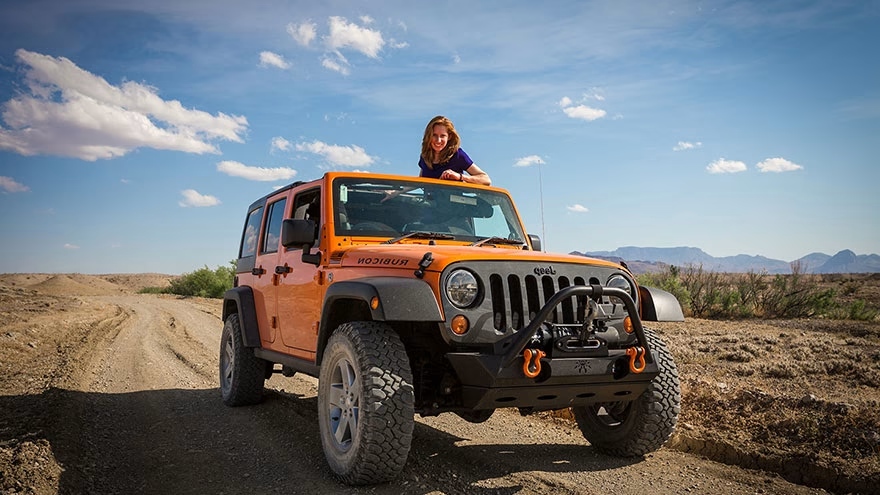
Texas has room for Jeep trips, but not every dirt road is a legal trail. A good guide to Jeep trails in Texas starts with permission, current park rules, vehicle preparation, and honest trail ratings. The best day is not the day you find the hardest obstacle; it is the day you get home with the Jeep, the land, and your group still in good shape.
What counts as a legal Jeep trail in Texas?
Use legal OHV venues, private off-road parks, public areas where motorized travel is allowed, and roads where your vehicle is permitted. Do not cut fences, drive riverbeds without permission, or follow an old online track across private land.
Texas Parks and Wildlife explains the state OHV program and decal requirements. The Texas OHV program page should be checked before a trip because decal rules, legal venues, and program details can change.
If your trail day includes hiking around viewpoints or campsites, Livecub's walking stick adjustment guide is a useful side read for the non-driving parts of the trip.
Where should new Jeep drivers start?
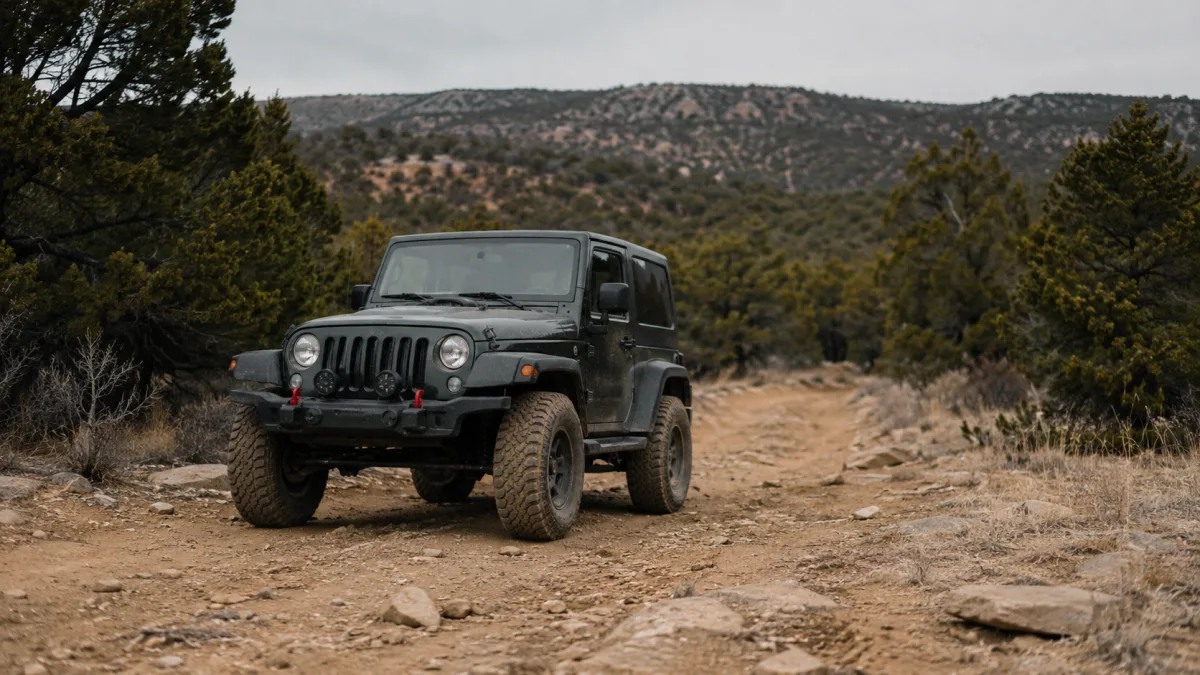
Start at an established park with maps, staff, posted rules, recovery expectations, and trails by difficulty. That structure matters when you are learning tire placement, spotting, hill climbs, mud, rocks, and how your Jeep behaves in low range.
New drivers should avoid proving themselves on the first obstacle. Learn to read trail ratings, watch experienced drivers, air down only when appropriate, and carry a way to air up again.
Easy trails are not wasted trails. They teach steering, patience, and vehicle feel without turning every decision into a repair bill.
What should you know about Barnwell Mountain?
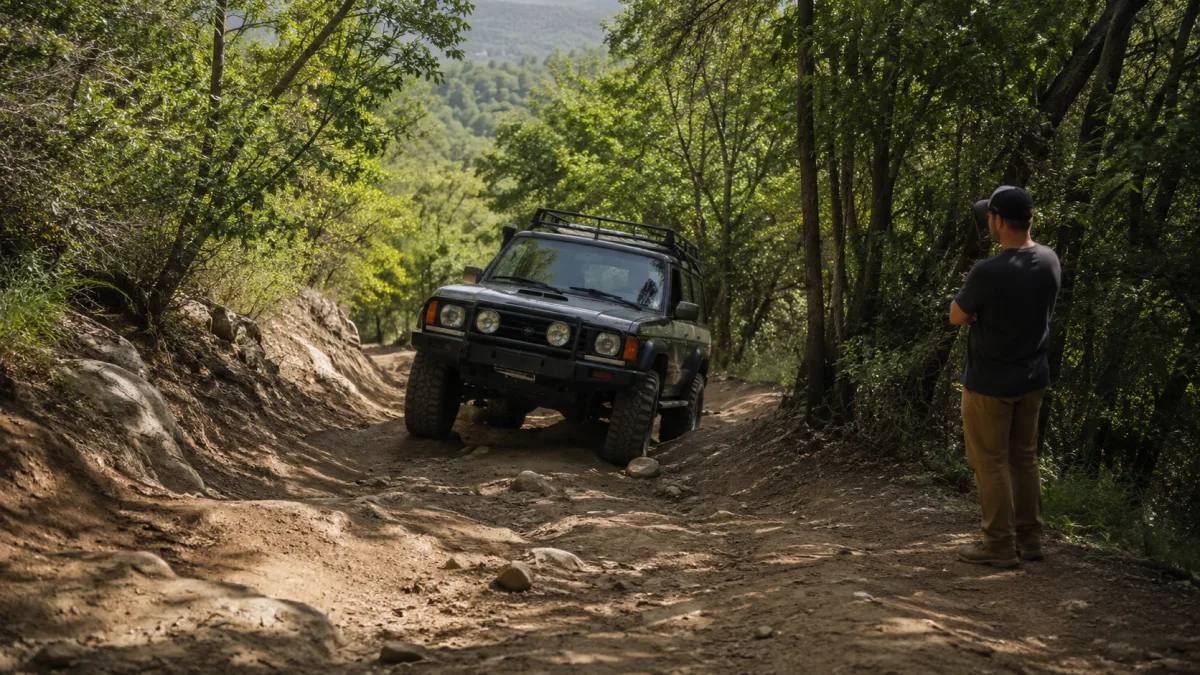
Barnwell Mountain Recreation Area in East Texas is one of the better-known off-road destinations in the state. Its official site describes a TMTC property near Gilmer with trails for dirt bikes, ATVs, UTVs, and OHVs. The Barnwell Mountain Recreation Area site should be checked for current hours, fees, maps, events, and vehicle rules.
Barnwell is often discussed by Texas Jeep owners because it has enough variety for different skill levels. Still, trail conditions can change with rain, maintenance, closures, and event traffic. Read the park information before assuming an old trail report still applies.
If you like travel routes built around unusual terrain, Livecub's Nevada meteorite places guide is a reminder that remote terrain planning should be specific, not casual.
What should you know about Hidden Falls?
Hidden Falls Adventure Park near Marble Falls is another major Texas off-road option. It has park rules, maps, lodging information, and trail resources for visitors. The Hidden Falls trail maps page is the right place to start before choosing a route inside the park.
Hill Country terrain can bring rock, ledges, loose surfaces, dust, and changing traction. A mild trail in dry weather may feel different after rain. Ask staff about current conditions if you are unsure.
A map is not a guarantee. It is a planning tool that still needs judgment on the ground.
What gear should be in the Jeep?
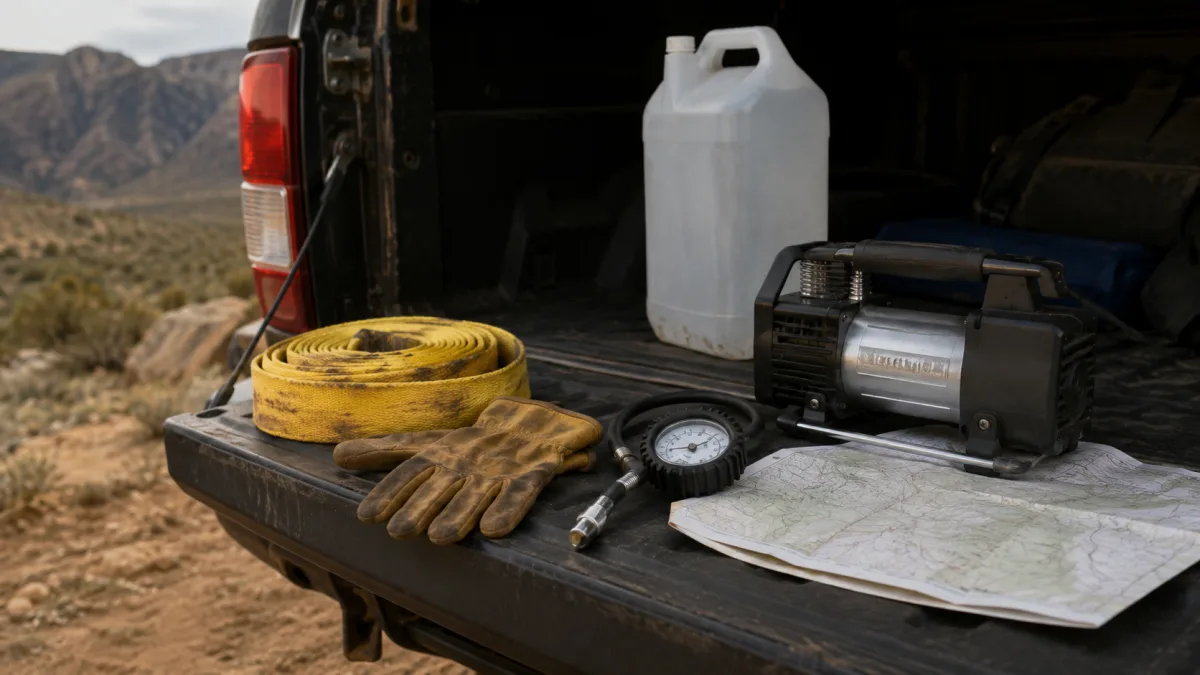
Carry the basics: full-size spare if possible, tire gauge, air source, recovery points, recovery strap, gloves, first aid kit, water, snacks, trash bags, flashlight, maps, phone battery, and weather-appropriate clothing. A winch helps only if it is installed correctly and used safely.
Travel with another vehicle when possible. Solo off-roading raises the stakes. Tell someone where you are going, check in and out when service allows, and know park procedures for stuck or broken vehicles.
Before leaving pavement, check lug nuts visually, look for loose cargo, confirm the spare has air, and make sure recovery gear is reachable. Gear buried under coolers is not useful when a storm is moving in or a tire is losing pressure. Put the first-aid kit where every adult can find it, and agree on hand signals before the first obstacle. Clear communication saves time, body panels, and tempers. It also keeps spotters safer around moving tires and loose rocks on uneven ground.
How should you choose a trail level?
Choose by the least experienced driver, not the most modified Jeep. A group moves better when everyone can finish the trail without constant panic. If one vehicle has street tires, low clearance, or no recovery points, that should shape the route.
Ask park staff about current conditions and read recent official updates. Rocks, ruts, mud, washouts, and bypass closures can make a familiar trail different from last month. Do not use old videos as your only plan.
The right trail is the one your group can drive cleanly. Struggling through every obstacle is not the same as learning.
How do trail ratings and weather affect the plan?
Trail ratings are local tools, not universal promises. A "moderate" trail at one park may be harder than a "moderate" trail somewhere else. Tire size, clearance, driver experience, lockers, rain, and traffic all change the day.
Heat matters in Texas. Bring more water than you think you need, protect pets and children, and do not ignore a rising engine temperature. Mud can also close trails or increase land damage, so respect park closures.
For another travel route where conditions shape the plan, Livecub's Spiral Jetty visiting guide is a useful comparison.
What etiquette keeps Jeep trails open?
Stay on marked trails, pack out trash, yield as posted, keep noise reasonable, avoid spinning tires for show, and do not build illegal bypasses. If a trail is above your ability, turn around where it is safe.
Spotters should use clear hand signals and stand out of the vehicle's path. Drivers should listen to one person at a time. A crowd yelling advice is not safer.
If the trip includes nearby sightseeing, Livecub's Laughlin area travel guide is a reminder to separate trail time from road-trip stops so nobody rushes either one.
What should you confirm before leaving home?
Confirm the park is open, the vehicle type is allowed, the route is within your group skill, and the weather is not creating closures. Check entry fees, camping rules, pet policies, waiver requirements, and whether cash or card is accepted.
Download or print maps before the drive. Cell service can fade exactly when you need it. Put the park address, emergency contact, and closing time somewhere everyone in the group can find them.
A good trail day starts before the highway miles. The less you guess at the gate, the calmer the day feels.
What if you get stuck?
Stop digging. Spinning tires can make the hole deeper, damage the trail, and make recovery harder. Step out safely, look at the tires, frame, slope, and available anchors, then decide whether to back out, stack traction boards, shovel, or ask for help.
Use rated recovery gear and real recovery points. Do not hook to a random bumper part or trailer ball. Keep people clear of loaded straps and winch lines, and let one person lead the recovery.
After the recovery, check for leaking fluids, damaged tires, bent steering parts, or loose gear before continuing. Pride should not push a broken Jeep deeper into the park.
How do you turn a trail day into a better trip?
Build in time for air-up, photos, food, cleanup, and the drive home. Many trail mistakes happen late in the day when people rush because dinner, weather, or closing time is suddenly close.
Keep notes after each trip: tire pressure used, trails driven, gear missed, what dragged, what overheated, and what you would skip next time. That habit makes the next Texas Jeep trip smarter.
Frequently Asked Questions
Do I need a Texas OHV decal for Jeep trails?
Check the current TPWD rules and the venue you plan to visit. Requirements depend on the legal venue and vehicle use.
Can a stock Jeep handle Texas trails?
Some beginner trails may be suitable for a stock Jeep, but conditions, tires, clearance, and driver skill matter. Ask the park before choosing a route.
Are Texas Jeep trails open year-round?
Some parks operate much of the year, but weather, maintenance, events, and closures can change access. Confirm before driving out.
Is it safe to go off-roading alone?
It is riskier. A second vehicle, basic recovery gear, communication plan, and current trail information make a trip safer.
Good Jeep travel is legal, prepared, and humble. Choose a real venue, check current rules, match the trail to the driver, and leave the place better than you found it.

Tory Stearns
Edits practical household, travel and lifestyle explainers. Claims that can change are linked to current primary or subject-authority sources.



Leave a reply
Replying to