
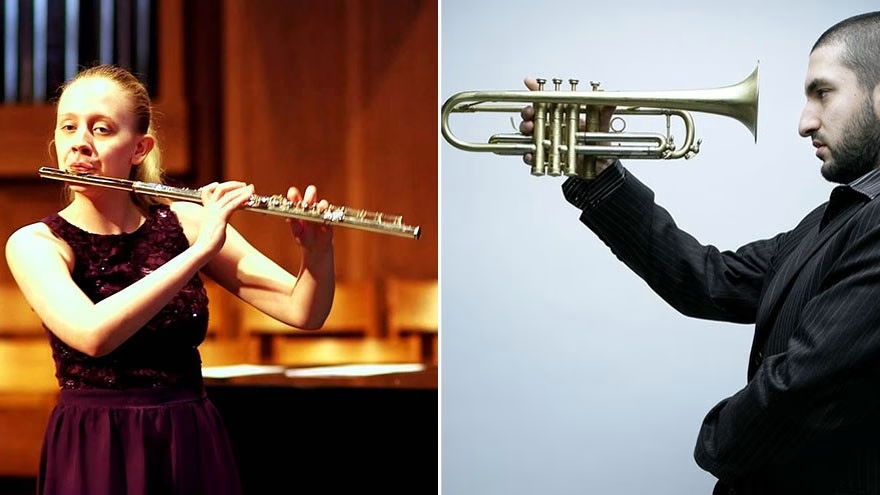
Musical band instruments for beginners should be chosen with the student, the band director, the family budget, and the child's body in mind. A child may love the look of a saxophone, but the best first instrument is the one they can hold, assemble, practice, clean, and keep enjoying after the first hard week. Flute, clarinet, trumpet, saxophone, and French horn can all be good starts for the right student. The decision should not be based only on which instrument seems glamorous in a video or cheapest in an online listing.
Start with the band director
The band director knows the school program, available instruments, beginner methods, repair options, and ensemble needs. Ask which instruments are open to beginners, which models the school recommends, and whether the student can try mouthpieces or hold instruments before choosing.
Bertrand's Music advises families to ask the band director for guidance and to ask practical questions about student-ready instruments, service, and switching options. Its band instrument guide is useful because it treats fit and support as part of the decision.
Fit beats fantasy. A student is more likely to stay with an instrument that works in the school system and feels manageable at home.
Rent before buying in many cases
Many beginners change their minds after a semester. Renting gives the family time to see whether practice becomes a habit, whether the instrument suits the child, and whether maintenance is manageable. Some rental plans also include repair support, which can be helpful in the first year.
Lessonface notes that popular band instruments such as trumpet, trombone, flute, and clarinet often rent monthly, while some larger or less common instruments may cost more. Its renting vs buying overview explains the flexibility families are usually looking for.
A rental period is not wasted money if it prevents the wrong purchase. It also gives the student a chance to prove interest through practice rather than promises.
Flute for focused breath control
The flute is light, portable, and common in school bands. It can play melody, harmony, and solo parts. It also asks for steady breath control and a good head-joint position. Some students make a sound quickly. Others need patient help before the tone appears.
Flute can be a good fit for a child who likes detail, can sit with repeated attempts, and does not get discouraged by quiet early practice. The instrument has small keys and needs careful handling, so a case routine matters.
Do not buy the cheapest flute blindly. A leaky or poorly adjusted flute can make a beginner think they are failing when the instrument is the problem.
Clarinet for a flexible woodwind start
Clarinet is a common beginner woodwind and often a strong path into school band. It uses reeds, which means sound production can feel strange at first. Squeaks are normal in the early stage, but steady reed care and correct assembly help.
Students need extra reeds, a swab, cork grease when recommended, and a case routine. Reeds can chip easily, so beginners should learn how to place and remove them without rushing. A child who likes a warm tone and can handle small maintenance tasks may do well.
Parents can use the same prepared-question habit they would use for any serious appointment. A planning article like questions to ask an estate lawyer is not about music, but the method is similar: write the questions before you spend money.
Trumpet for a compact brass choice
Trumpet is compact, loud enough for confident students, and used across concert band, jazz, marching band, and many other styles. It asks for buzzing lips, breath support, and daily practice. Early sound can be bright, rough, or uneven before it becomes controlled.
Care includes emptying water keys, cleaning the mouthpiece, oiling valves, and protecting the bell from dents. A trumpet can be a good fit for a child who likes clear parts and does not mind being heard while learning.
Brass practice needs manners. Families should choose a practice time and place so the student can repeat notes without feeling like a nuisance.
Saxophone and French horn need extra thought
Saxophone is attractive to many students because it feels familiar from popular music, jazz, and school performances. It is larger than clarinet, uses reeds, and can be more expensive. Renting first is often a practical move.
French horn has a beautiful sound, but it can be less forgiving for beginners because pitch placement asks for a good ear and steady support. Some schools start students on trumpet before switching to horn. Others begin horn directly when the director thinks the student is ready.
Carnegie Hall's instrument families materials show how brass and woodwinds differ in sound production and ensemble role. Listening before choosing can help a child make a less impulsive decision.
Support practice at home
Beginner practice should be short, regular, and specific. Ten focused minutes most days beats one long frustrated session. Ask the teacher what to practice, what a reasonable sound should be at this stage, and how parents can help without hovering.
Group learning can also help. Articles about structured activities, like interactive seminar ideas, show the same principle in another setting: people learn better when practice has a shape, not only a vague instruction to improve.
Celebrate routine, not noise. A beginner's first victory is showing up, assembling the instrument correctly, and practicing the assigned line.
Care keeps instruments playable
Every instrument needs care: swabbing, wiping, valve oil, cork care, reed replacement, safe storage, and regular checkups when something changes. The better the care routine, the less often the student loses practice time to preventable problems.
The care mindset is familiar from other skill areas. Even a guide like grooming a longhair Dachshund points to the same idea: routine maintenance prevents small problems from becoming discouraging ones.
Ask before forcing repairs. If a key, valve, slide, or mouthpiece feels stuck, contact the teacher or repair shop rather than twisting harder.
Think about the child's body and comfort
Instrument fit is physical. A small student may struggle with a large saxophone case. A child with braces may need extra help finding a comfortable brass mouthpiece. A student with small hands may need to try key spacing before committing.
Breath comfort matters too. Woodwinds and brass ask students to coordinate air, posture, and embouchure. A trial session can reveal whether a child feels curious or overwhelmed by that first sound-making step.
Comfort is not softness. A comfortable beginner is more likely to practice long enough to face the hard parts.
Budget beyond the instrument
The monthly rental or purchase price is not the full cost. Reeds, valve oil, cleaning swabs, cork grease, music books, a stand, repairs, concert clothing, and transportation can all add up. Ask the teacher what is needed in the first semester.
Do not buy every accessory at once. Start with the required care items and method book, then add tools as the teacher recommends them. A family can waste money on accessories that do not fit the instrument or the school routine.
Budget for maintenance. A playable middle-priced instrument with support is usually better than a cheap instrument that fights the student.
Listen before deciding
Have the student listen to beginner and advanced examples of each instrument. A professional recording can inspire, but a beginner recording can set expectations. The first month will not sound like the concert hall.
Listening also helps students understand ensemble roles. Flute may often carry bright melody, clarinet blends, trumpet projects, saxophone can sit between woodwind and jazz sounds, and French horn often fills harmony and color in a band.
Choose curiosity. The best sign is not instant perfection. It is the child wanting to hear, hold, and try the instrument again.
Frequently Asked Questions
What is the easiest band instrument for a beginner?
There is no single easiest choice. Flute, clarinet, and trumpet are common starts, but the best fit depends on the child, teacher, and school program.
Should we buy a used instrument online?
Only with expert help. A cheap used instrument can need repairs that cost more than expected and can discourage a beginner.
How long should my child try an instrument before switching?
Ask the band director. Many students need several weeks to get through early sound problems before a switch is considered.
Does instrument size matter?
Yes. Hand size, arm length, braces, breath comfort, and carrying weight can all affect the choice.
A beginner band instrument is a family decision, a teacher decision, and a student decision together. Try before buying when possible, rent when flexibility matters, and choose the instrument the child can actually live with.

Linda Fehrman
Edits general wellness and relationship explainers. Health material is educational, avoids diagnosis and links to health-authority guidance.
Leave a reply
Replying to