
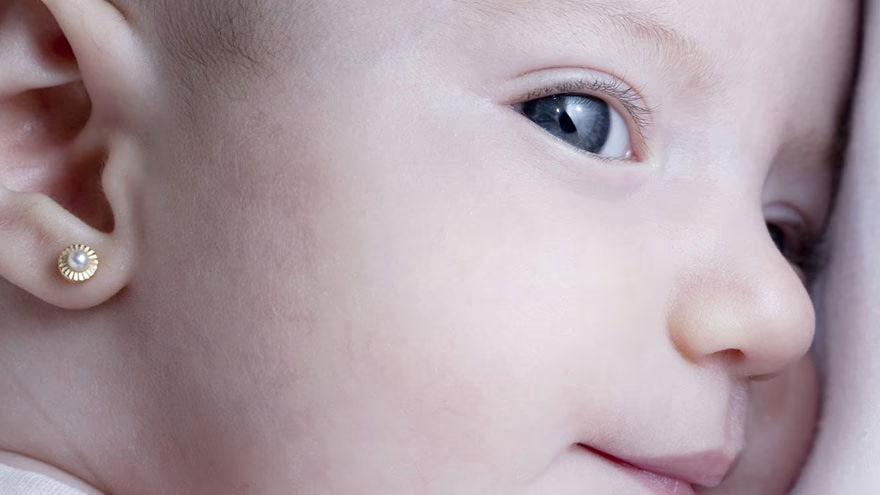
Numbing Cream for Infant Ear Piercings is not a simple cosmetic choice. Numbing creams can contain medicines such as lidocaine or prilocaine, and babies absorb medicines differently than adults. Using too much, using the wrong product, covering it tightly, or applying it to broken skin can be dangerous.
This article is general health education, not medical advice. Do not use numbing cream on an infant unless the child's pediatrician says it is appropriate and gives exact instructions. Seek urgent care for trouble breathing, extreme sleepiness, gray or blue color, seizure, swelling, spreading redness, fever, or a baby who seems very ill.
The Safety Question
The safest question is not "How can I make the piercing painless?" It is "Is this product, dose, timing, and setting safe for this baby?" That answer depends on age, weight, skin condition, health history, and the exact medicine.
Ask The Pediatrician First

Before infant ear piercing, ask the pediatrician whether piercing should wait, where it should be done, what infection risks apply, and whether any numbing product is safe. Some pediatric offices pierce ears; others recommend waiting.
HealthyChildren.org from the American Academy of Pediatrics advises in its ear piercing guidance that piercing should be done with sterile technique and that parents should watch for infection.
Why Numbing Cream Is Risky
Topical anesthetics can enter the bloodstream. Infants have small bodies, delicate skin, and less room for dosing mistakes. A product that seems mild on adult skin may be too strong for a baby, especially if applied under plastic wrap or left too long.
The FDA has warned about serious harm from too much topical numbing medicine in children in several contexts. Its topical medication warning for teething pain is about oral use, but it shows why numbing medicines should not be used casually in babies.
Do Not Guess The Dose
If a clinician approves a numbing cream, follow the exact product, amount, timing, location, and removal instructions. Do not apply extra because the baby cried. Do not use adult-strength products, leftover prescription cream, or online instructions from another child.
Do not put cream on irritated, cut, infected, or recently scratched skin. Broken skin can change absorption and infection risk.
Choose A Safer Piercing Setting
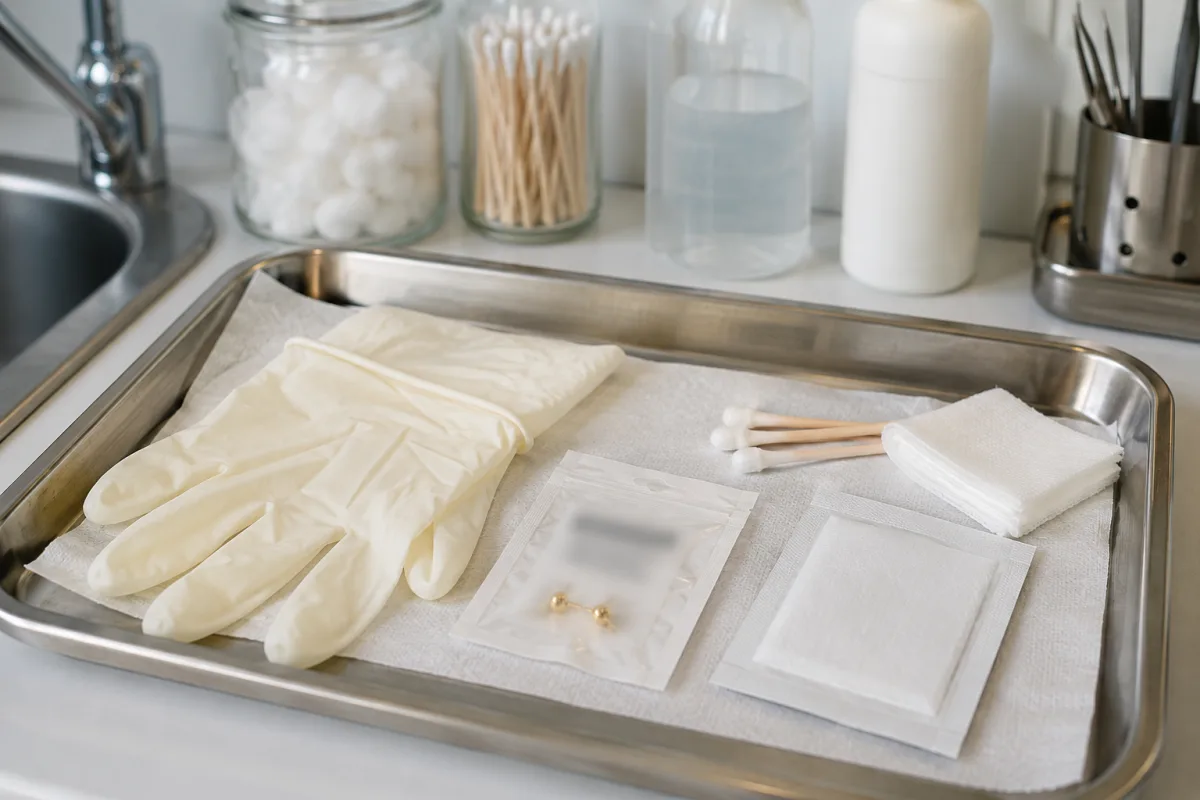
If you decide to pierce, choose a setting that uses sterile equipment, clean technique, proper jewelry, and staff trained to work with infants. Ask how they prevent infection, what jewelry material they use, and what aftercare instructions they provide.
Cleveland Clinic's ear piercing guidance explains signs such as redness, swelling, pain, warmth, and discharge. Babies cannot explain pain, so parents need to watch closely.
Timing Matters
Some families wait until vaccines are underway, the baby is older, or the child can participate in the choice. Cultural and family traditions matter, but medical safety still matters. Ask your pediatrician about timing based on your baby's health.
Premature or low birth weight babies may need extra caution. Livecub's low birth weight and preterm infant article can help with why early health history changes routine decisions.
Aftercare Basics
Follow the piercer or pediatrician's written aftercare instructions. Wash hands before touching the ears. Avoid twisting, pulling, or changing jewelry too early unless instructed. Keep hair, hats, and dirty hands away from the piercing.
For general hygiene, Livecub's infant washing guide can help with gentle cleaning routines, but piercing aftercare should follow medical or piercing-specific instructions.
Infection Warning Signs
Call the pediatrician for spreading redness, warmth, swelling, pus, bad smell, fever, increasing pain, the earring becoming embedded, or a baby who feeds poorly or seems unusually sleepy. Infection near cartilage or in a young infant should be taken seriously.
Livecub's baby rash and blister guide can help identify broader skin warning signs, but piercing infections need direct care.
Allergic Reactions
Nickel sensitivity and other reactions can cause redness, itching, crusting, or swelling. Ask about hypoallergenic jewelry such as appropriate surgical steel, titanium, or gold that meets pediatrician or professional standards.
Do not keep irritating jewelry in place for weeks hoping the skin will adjust. Babies can scratch or pull at sore ears.
Pain Without Numbing Cream
If numbing cream is not advised, ask about safer comfort options: feeding afterward, holding the baby, a pacifier if used, distraction, or timing the appointment when the baby is rested. Pain is brief for many piercings, but aftercare lasts longer.
If the reason for numbing cream is fear of crying, remember that crying does not always mean a procedure is unsafe. Medication risk needs its own decision.
When To Wait
Wait if the baby is sick, feverish, has skin irritation near the ears, has immune problems, has a history of poor wound healing, or if the setting cannot answer safety questions. Waiting is often the simplest safety choice.
If the home is already managing newborn health issues, Livecub's newborn hiccups guide and baby-proofing guide may help with routine care priorities before adding a piercing.
Ingredient Questions To Bring
If someone suggests numbing cream, bring the exact product name, ingredient list, strength, and packaging to the pediatrician. "A little lidocaine" is not enough information. Different products can have different strengths and instructions.
Ask whether the cream is appropriate for your baby's age and weight, how much could be used, how long it may stay on, whether it should be covered, and what symptoms would mean too much medicine was absorbed.
Do Not Use Teething Gel
Do not use oral teething gels or mouth-numbing products on the ears. They are made for a different setting, may contain ingredients that should not be used on infants, and can be dangerous if misused.
Also avoid essential oils, alcohol-heavy home remedies, ice held directly on skin, or advice copied from adult piercing forums. Infant skin needs infant-specific medical judgment.
Jewelry And Choking Risk
Jewelry choice matters after piercing. Earrings should be the right size, secure, smooth, and made from a material less likely to irritate skin. Loose backs can become choking hazards if they fall off.
Check earrings during diaper changes or dressing, but do not pull and twist them for entertainment. If the backing is tight, buried, missing, or the ear looks swollen around it, call the pediatrician.
Plan The First Night
The first night after piercing is when small problems can be missed. Look at both ears in good light before bed. Make sure hats, swaddles, sleep sacks, or bedding are not rubbing the posts.
Expect some fussing, but do not assume every cry is normal. Poor feeding, fever, spreading redness, or unusual sleepiness deserves medical advice.
Follow Up If Anything Looks Off
Do not wait several days for a young infant's irritated piercing to "settle." Babies can worsen quickly, and infection can be harder to judge when they cannot describe pain.
Take clear photos only for your own notes or to share with a clinician if asked. Avoid posting close-up medical images of your child publicly for advice from strangers.
After Vaccines Or Illness
If a baby has just had vaccines, has a fever, is feeding poorly, or is fighting a skin irritation, postpone piercing and numbing products. It is harder to tell whether fussiness or redness came from the piercing, medicine, illness, or another cause.
A calm week gives you a cleaner baseline. That makes aftercare easier and makes warning signs easier to spot.
If the appointment is already booked and the baby becomes sick, reschedule. A piercing can wait; a confusing fever in a young infant should not be made harder to interpret.
Frequently Asked Questions
Can I use adult numbing cream on a baby?
No. Do not use adult or leftover numbing products on an infant unless the pediatrician gives exact instructions.
Is lidocaine cream safe for infant ear piercing?
Only a clinician can advise for a specific baby, product, dose, and timing.
Should I cover numbing cream with plastic?
Do not cover it unless the clinician specifically instructs you. Covering can increase absorption.
What infection signs should I watch?
Watch for spreading redness, swelling, warmth, pus, fever, poor feeding, or unusual sleepiness.
Is it better to wait?
Often, waiting is reasonable, especially if the baby is young, premature, sick, or has skin concerns.
The Safety Rule
Numbing cream for infant ear piercings should never be a guess. Ask the pediatrician first, use only approved products exactly as directed, choose sterile piercing care, watch closely for infection, and wait when the baby's age or health makes the risk higher.

Linda Fehrman
Edits general wellness and relationship explainers. Health material is educational, avoids diagnosis and links to health-authority guidance.




Leave a reply
Replying to