
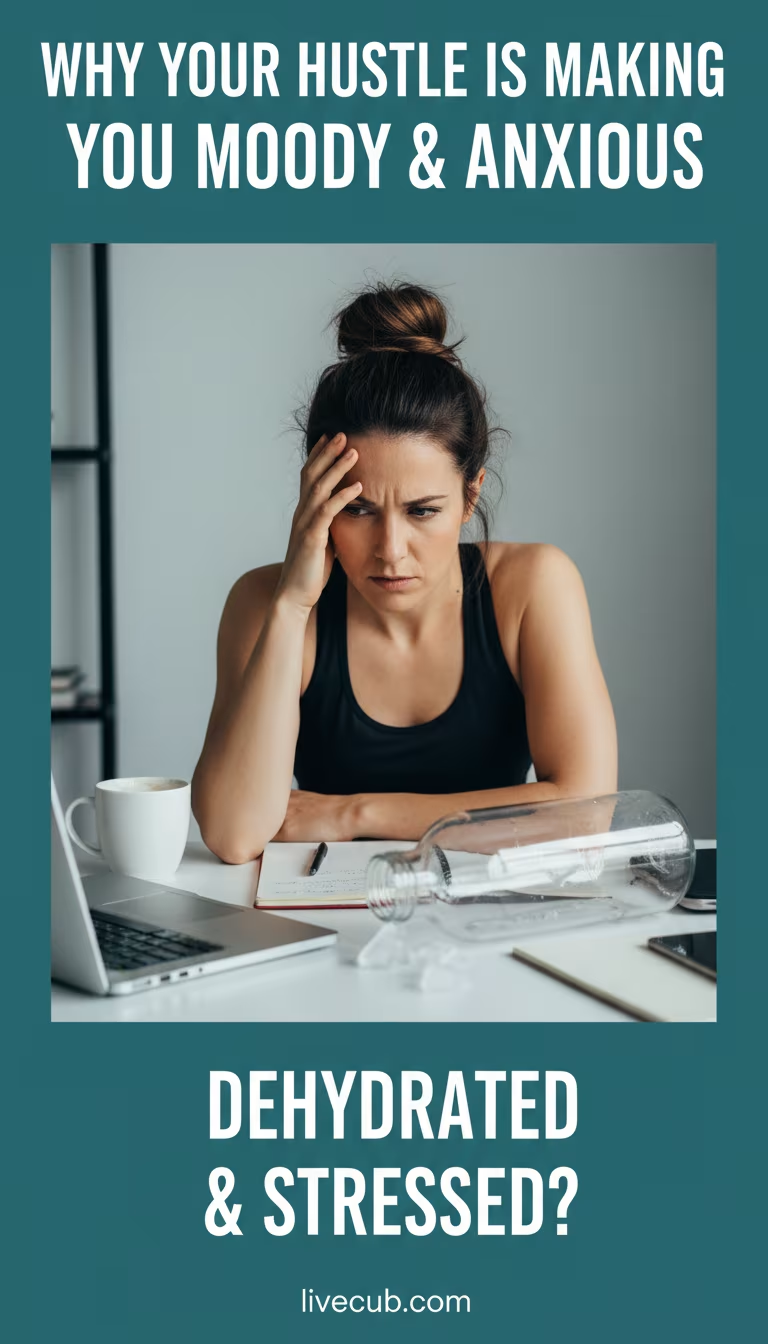
A short temper on a hot afternoon, a foggy hour before lunch, or a headache that arrives with irritability can all trace back to something as ordinary as fluid balance. Losing even a small percentage of body water affects energy, focus, and how the brain manages physical stress, so it is worth checking before you assume the mood came from nowhere.
Hydration is one piece of the picture, not the whole answer. The useful approach is to rule it in or out quickly, then look at sleep, food, caffeine, and stress with the same honesty.
Recognise the early signs
Thirst is a late signal, not a first one. By the time your mouth feels dry you are often already behind. MedlinePlus lists the common markers of fluid loss, including dark urine, dizziness, tiredness, and reduced concentration: MedlinePlus dehydration.
Urine colour is the most practical home check. Pale straw suggests you are well hydrated; deep amber or a full day without needing the bathroom suggests you are not. Severe dehydration, with confusion, fainting, a racing heart, or an inability to keep fluids down, is a medical emergency, and the risk climbs faster in children, older adults, and anyone who is ill.
Make water the default, then adjust
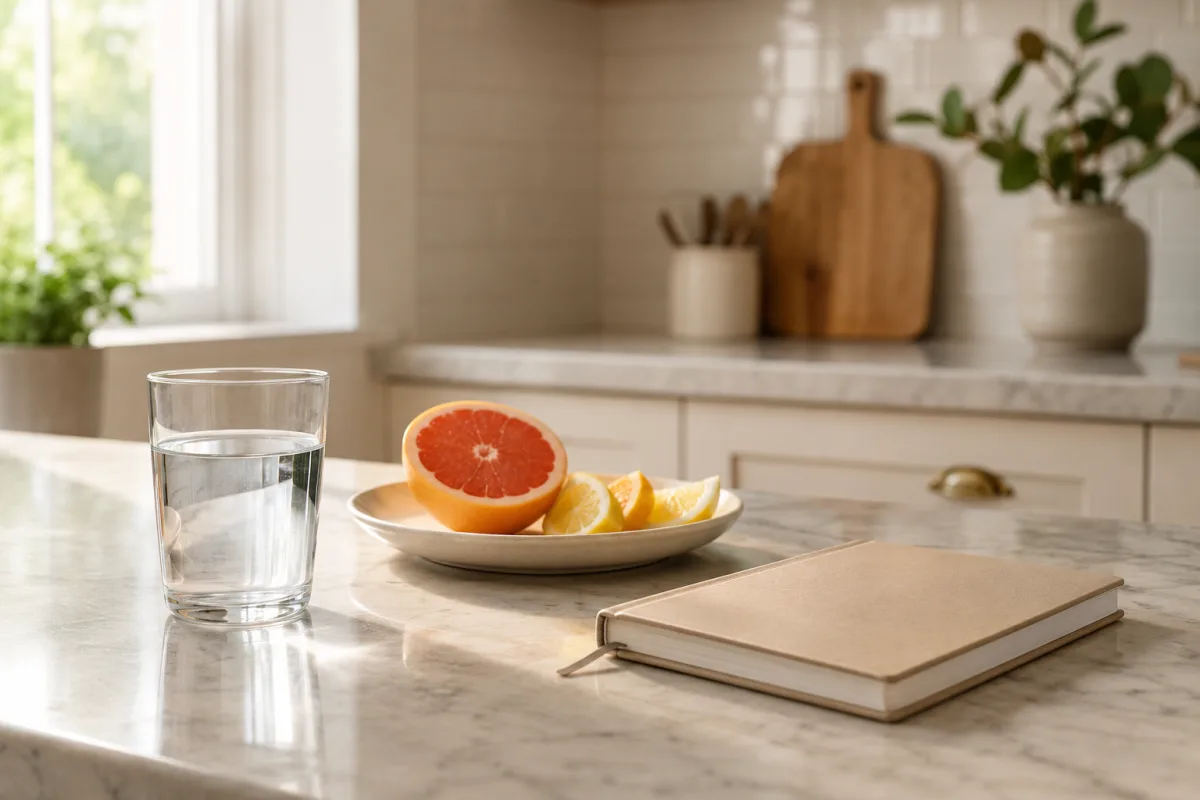
Most mood dips tied to fluid do not need a special product. Plain water covers the ordinary day, and the CDC explains why it is the sensible replacement for sugary drinks that add calories without steadying you: CDC water and healthier drinks.
Sports drinks earn their place during long endurance efforts or heavy sweating in heat, when you lose electrolytes as well as water. For a desk-bound slump they are unnecessary; unsweetened sparkling water, a slice of citrus, or herbal tea all count toward the same total.
Mood rarely has a single cause, and neither does dehydration. Skipped meals, extra coffee, alcohol the night before, poor sleep, a warm room, or illness can all quietly reduce how much you drink. Caffeine and alcohol both nudge the body to release more water, so a day built on coffee alone leaves both hydration and mood unsteady.
Food carries more water than people expect. Soups, fruit, vegetables, yogurt, and cooked grains such as oats or rice all contribute, which matters for anyone who dislikes drinking plain water. Building meals around vegetables is an easy way to raise your intake without thinking about glasses; Livecub's guide to pasta substitutes leans in that direction. Pairing fluids with regular meals, rather than grazing on caffeine, keeps energy and temper more level through the afternoon.
Track the pattern for one week
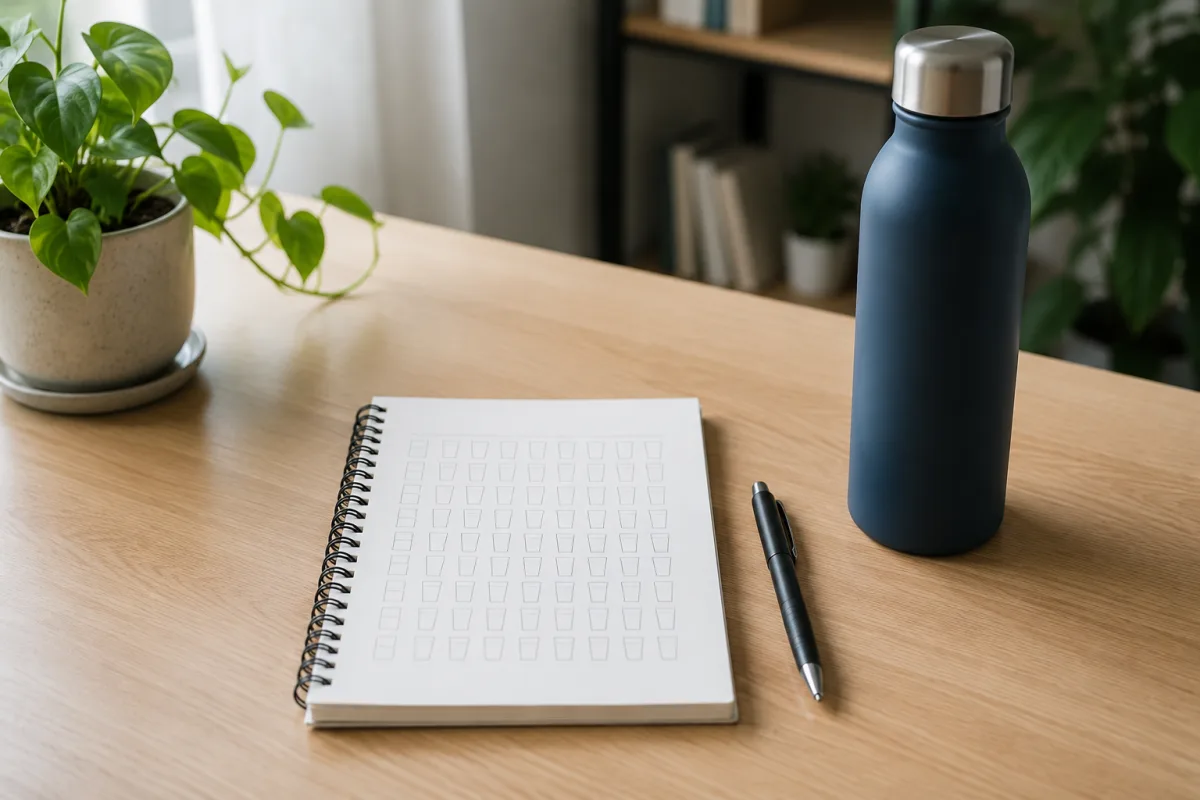
Guessing is where most people go wrong. For seven days, jot down a few details each evening: rough fluid intake, caffeine, alcohol, sleep, exercise, the weather, meals, and how your mood ran. Patterns that are invisible in the moment become obvious on paper, and you may find your worst hours cluster on low-water, high-caffeine days. Livecub's article on writing a food journal offers a short format you can borrow for this.
Some situations deserve extra attention because they drain fluid fast: vomiting, diarrhoea, fever, heavy sweating, hot weather, pregnancy, and certain medications such as diuretics. Older adults feel thirst less reliably and may drink too little without noticing, so a gentle routine helps; Livecub's piece on motivating older adults can support that daily habit.
The table below sums up common triggers and a first response.
| Trigger | Why it drains fluid | First response |
|---|---|---|
| Hot weather or exercise | Sweating raises water loss | Drink before, during, and after; add electrolytes for long efforts |
| Too much caffeine | Mild diuretic effect, often replaces water | Match each coffee with a glass of water |
| Alcohol the night before | Increases fluid output overnight | Water alongside drinks and again in the morning |
| Skipped meals | Food and drink both missed | Eat regularly; include water-rich foods |
| Illness (fever, vomiting) | Rapid fluid loss | Sip fluids often; seek care if you cannot keep them down |
When mood is the real red flag
Hydration is a reasonable thing to fix, but it is not a substitute for care. Mood swings that come with confusion, fainting, thoughts of self-harm, severe anxiety, or a marked change in behaviour need a doctor or mental health professional, not another glass of water. A web article should never slow down help when safety is uncertain; use emergency services if you are worried about immediate danger.
Start small and test one change at a time. Keep a full glass on your desk, drink one with each meal, and check your urine colour once a day for a week. If your afternoons steady, you have learned something cheap and useful. If they do not, you have ruled out one variable and can look harder at sleep, stress, or a health issue worth raising with a clinician. Either way, the week of notes is what turns a vague hunch into a decision you can act on.
Frequently asked questions
Can dehydration really affect mood?
It can contribute to fatigue, irritability, headache, and poor concentration, but mood has many causes, so treat fluid as one factor among several.
How do I know if I am dehydrated?
Dark urine, thirst, dry mouth, dizziness, and tiredness are common clues; urine colour is the easiest daily check.
Is water better than sports drinks?
For most ordinary days, yes. Sports drinks suit long endurance efforts or heavy sweating, not a routine afternoon slump.
Can food count toward hydration?
Yes. Fruit, vegetables, soups, yogurt, and cooked grains all add fluid, which helps people who dislike plain water.
When is dehydration urgent?
Confusion, fainting, a racing heart, or being unable to keep fluids down need prompt medical care.
This article is for general information only and is not medical or mental health advice. If symptoms, distress, or safety concerns are present, contact a qualified professional or emergency services.

Tory Stearns
Edits practical household, travel and lifestyle explainers. Claims that can change are linked to current primary or subject-authority sources.



Leave a reply
Replying to