
New Brunswick Places Are Shaped by Tides, Forest, and Coast
New Brunswick places can feel surprisingly varied for a province that many travelers cross too quickly. The Bay of Fundy brings extreme tides, the north and east bring Acadian culture and beaches, and the national parks give the trip a slower forest-and-coast rhythm.
A good route should not chase beauty as a vague idea. It should match tide times, walking ability, weather, and how much driving you want between shorelines.
New Brunswick is best planned by region, because the coast can look completely different from one side of the province to the other.
Why Do the Hopewell Rocks Need Tide Planning?
The Hopewell Rocks are often the image travelers know first: flowerpot formations, red-brown cliffs, and the chance to walk on the ocean floor at low tide. The experience depends on timing.
Hopewell Rocks' official visitor information is the place to check tide tables, hours, and access details. Arriving at the wrong tide can turn the main walk into a viewpoint-only visit.
Low tide is not a playground without rules. Mud, wet rocks, stairs, and returning water require attention. Wear footwear that can handle slippery ground and give yourself time to climb back before the tide changes.
Travelers who enjoy water-shaped landscapes may also like reading about waterfalls on Skyline Drive, where timing and trail conditions also affect what the day feels like.
What Makes Fundy National Park Stand Out?
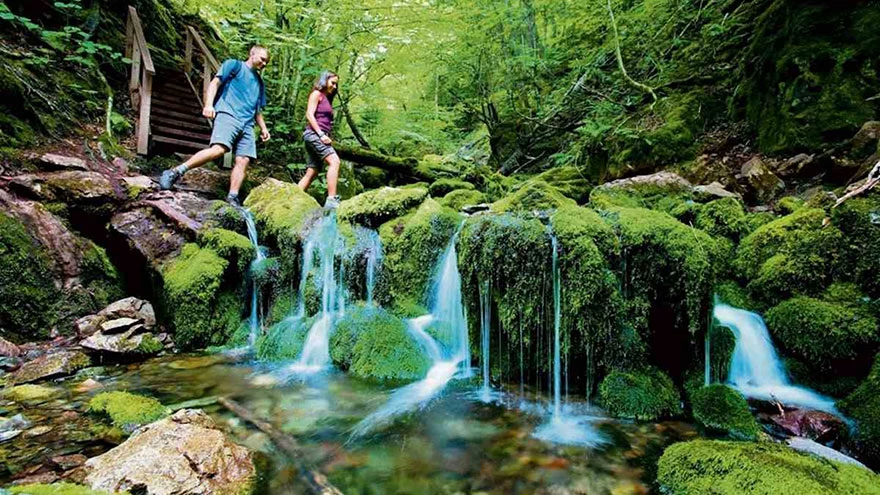
Fundy National Park combines forest, coastal views, waterfalls, campgrounds, trails, and access to the Bay of Fundy region. It works for travelers who want a more active day than a quick viewpoint stop.
Parks Canada's Fundy National Park page provides current details on trails, camping, fees, safety, and seasonal services. That matters because park facilities and road conditions can change by season.
Choose hikes by time and footing, not just distance. A short trail with roots, wet rock, or steep sections can take longer than expected. Pack water, layers, and insect protection in warmer months.
Fundy is not a drive-by park. Give it at least a full day if you want to understand why it belongs on a New Brunswick route.
Why Include Kouchibouguac National Park?
Kouchibouguac National Park gives the trip a different face: dunes, lagoons, salt marsh, forest, dark skies, beaches, and a strong sense of coastal ecology. It is less about dramatic cliffs and more about open space.
Parks Canada's Kouchibouguac National Park page is the current source for camping, trails, cycling, paddling, and beach information.
The park is also a good place to slow down. Bike paths, boardwalks, and beach walks can balance a route that has included too much driving and too many photo stops.
If you use walking poles or need steady footing on boardwalk approaches and trails, a simple guide to adjusting walking sticks can help keep a long park day comfortable.
Which Beaches Belong on a New Brunswick Trip?
New Brunswick's beaches vary by coast. Some are tied to warm shallow water, some to dunes, some to village life, and some to long walks rather than swimming. Do not assume every beach day has the same conditions.
Parlee Beach and Aboiteau Beach are often mentioned for warm-weather trips, especially for travelers who want a classic beach day with services nearby. Weather, water conditions, and crowd levels still matter.
Pack sun protection and a wind layer. Maritime weather can change quickly, and a beach that feels hot at noon can feel cool by late afternoon.
The best beach choice depends on the kind of day you want: swimming, walking, family facilities, quiet, photos, or a stop near food and lodging.
How Does Acadian Culture Shape the Route?
New Brunswick is the only officially bilingual province in Canada, and Acadian culture gives many eastern and northern routes a strong sense of place. Food, music, language, flags, churches, and coastal villages can shape a trip as much as scenery does.
Do not treat culture as a decorative stop. Build time for local restaurants, small museums, festivals, and conversations where appropriate. A route through Acadian communities should not feel like rushing through signs in two languages.
Travelers who like compact regional towns may compare the feeling with places to see in Petoskey, where water, food, and local identity also work together.
Leave space in the day. The most memorable part may be a bakery, harbor, beach road, or small museum that was not the original reason for the trip.
What Is the Best Way to Connect These Places?
Build the route around two or three bases instead of one giant loop with constant packing. Fundy coast, Moncton-area tide stops, and the eastern shore can each support a different pace.
Driving times can look simple on a map but stretch with weather, road work, scenic stops, and ferry or park timing. Put tide-dependent stops on the calendar first, then fit beaches and towns around them.
For an outdoor-heavy route, bring footwear that handles mud, stairs, boardwalks, beach sand, and wet rock. New Brunswick is beautiful, but it is not always polished.
Let the tide table plan part of the trip. Fighting it wastes the very thing that makes the province distinctive.
When Is the Best Time to Visit New Brunswick?
Summer is the easiest season for beaches, camping, long daylight, and full services. It is also the season when popular coastal stops are busiest. Book lodging and park sites early if your dates are fixed.
Early fall can be excellent for cooler walks, quieter roads, and color in forested areas. Spring can be muddy and changeable, while winter belongs to travelers prepared for cold, snow, and limited services.
Weather can shift quickly along the coast. Pack a rain layer, warm layer, and shoes that can get dirty. A sunny morning at a beach can turn into a cool, windy afternoon near the bay.
Wildlife-minded travelers heading elsewhere in the region may compare planning habits with seeing moose near North Conway: start early, keep distance, and let conditions guide the day.
The season should match the route. A beach-focused trip and a trail-focused trip do not need the same dates.
What Should You Pack for a New Brunswick Route?
Pack for wet ground, stairs, beach wind, and car time. Useful basics include waterproof shoes or sandals, a rain shell, warm layer, water bottle, insect repellent, sun protection, and a small towel for muddy tide stops.
Bring offline maps where service may fade and keep tide times saved outside a browser tab. A dead signal should not decide whether you reach the right beach at the right hour.
If you are crossing from the United States or another Canadian province, check documents, phone roaming, and park pass needs before the trip. Small administrative details can eat into the first day.
The right packing list makes the province easier. You can enjoy mud, fog, and wind when you dressed for them.
Keep a dry bag or spare shoes in the car if you are visiting tide flats and beaches on the same day. Clean socks can rescue the drive between stops, and a small towel keeps mud from spreading through the trunk during a long day on the coast.
Pack patience as well, because weather, tides, and coastal roads rarely move at a rushed traveler's pace.
Frequently Asked Questions
What is the most famous natural attraction in New Brunswick?
The Hopewell Rocks are among the best-known natural attractions because of the Bay of Fundy tides and the chance to walk near the rock formations at low tide.
How many days do you need in New Brunswick?
Three to five days can cover one region well. A week gives more room for Fundy, Kouchibouguac, beaches, and Acadian coastal towns.
Is Fundy National Park worth visiting?
Yes. It offers trails, coastal views, waterfalls, camping, and access to the Bay of Fundy region. Check Parks Canada for current conditions.
When should you visit Hopewell Rocks?
Visit around low tide if you want to walk on the ocean floor. Check the official tide schedule before choosing your arrival time.
Are New Brunswick beaches warm?
Some eastern beaches can feel warmer in summer than visitors expect, but conditions vary by beach, weather, wind, and time of season.
Plan New Brunswick Around Water and Time
The province is easiest to love when you respect its rhythms. Check tides, choose a region, give parks real time, and let beaches, forests, and Acadian towns share the route.

Cashie Evans
Covers parenting and practical household topics with clear steps, safety notes and links to current guidance.




Leave a reply
Replying to