
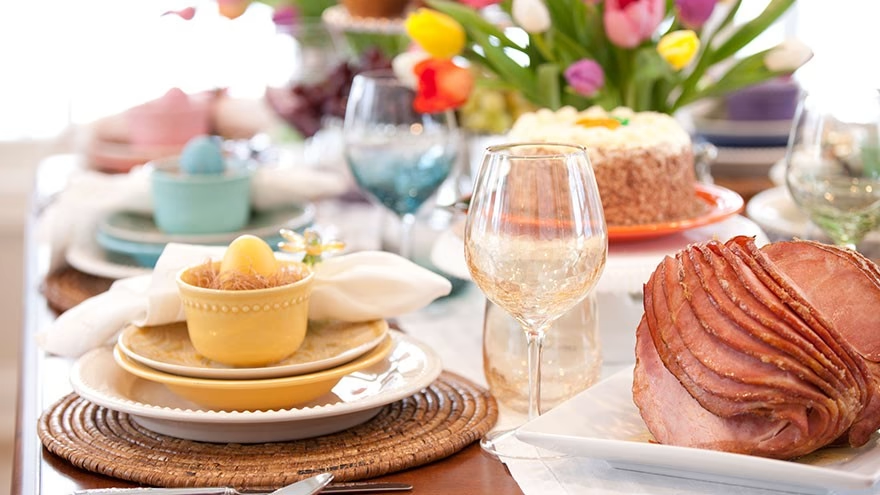
Traditional Easter foods usually carry two stories at once: the religious or seasonal meaning behind the dish and the practical food that gathers people at the table. Eggs, lamb, ham, breads, greens, sweets, and spring vegetables all show up in different communities, but no single menu belongs to everyone.
The best Easter table respects tradition without pretending every family eats the same way. Some households roast lamb. Some bake ham. Some focus on hot cross buns, dyed eggs, tsoureki, deviled eggs, pies, salads, or fresh greens. The pattern is renewal, abundance after fasting, and food that can be shared.
Think of the menu as a family map rather than a checklist. Geography, religion, budget, immigration history, dietary rules, and kitchen size all change the table. A modest meal can still be deeply traditional if it carries meaning.
Why Are Eggs Traditional At Easter?
Eggs are one of the most recognizable Easter foods because they connect easily to spring, new life, and celebration after periods of fasting. Dyed eggs, hard-boiled eggs, deviled eggs, and egg-rich breads appear in many traditions.
Food safety still matters. The FDA warns not to eat Easter eggs after hiding or playing with them because bacteria and viruses from shells can transfer to the edible part. Use separate eggs for display or hunting if they will be handled heavily.
If you plan to eat dyed eggs, keep them refrigerated, use food-safe dye, avoid cracked shells, and do not leave them hidden outside for long periods. A bowl of safe deviled eggs is better than gambling on eggs handled by every child in the yard.
Why Is Lamb Served For Easter?
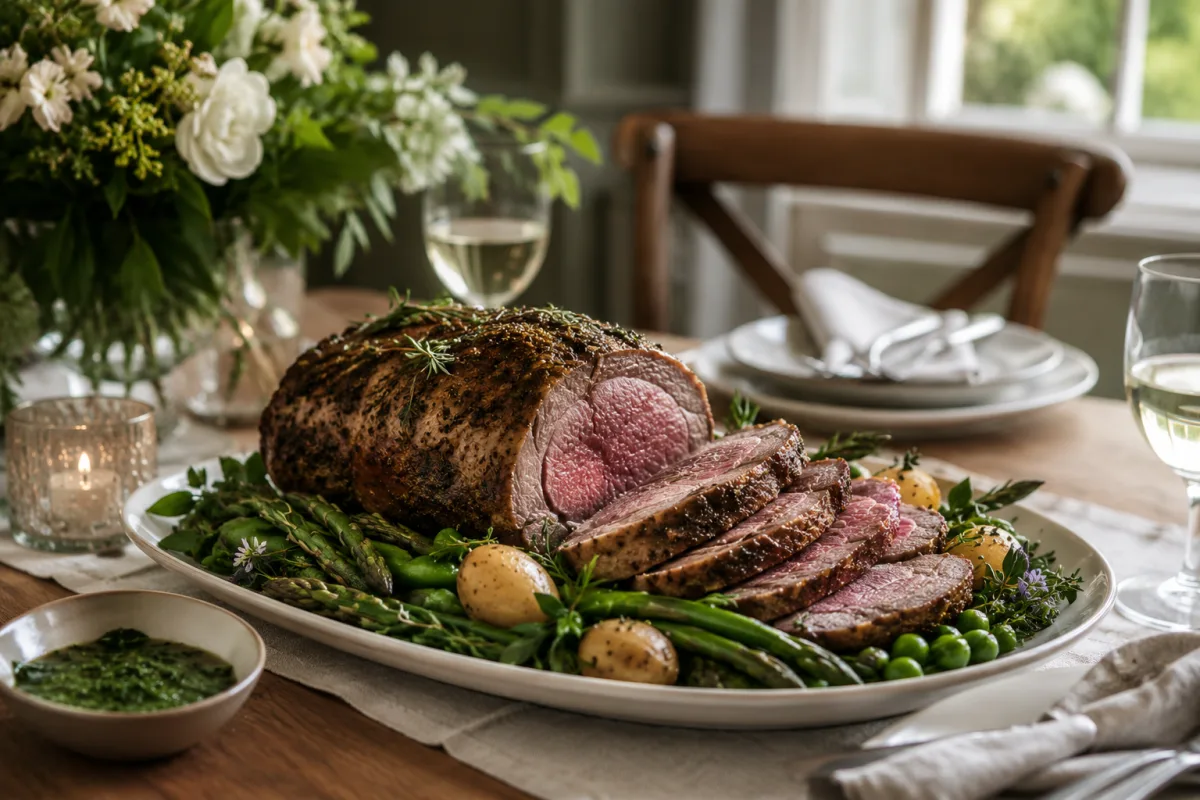
Lamb appears in Christian, Jewish, Mediterranean, and springtime food traditions, though meanings and customs vary. For many Easter tables, lamb signals a feast after Lent or a connection to religious symbolism. It may be roasted whole, served as a leg, grilled as chops, or folded into regional dishes.
The Smithsonian discusses Easter traditions around eggs, lamb, and hot cross buns, showing how these foods became part of seasonal and religious meals. For a practical holiday roast, Livecub's goose cooking guide is a different bird, but the planning lessons for timing, resting, and serving still help.
Keep lamb simple if guests are divided on strong flavors. Garlic, rosemary, lemon, salt, pepper, and pan juices are enough for many tables. A heavy spice crust can be wonderful, but it should match the people eating, not only the cook's ambition.
If lamb is unfamiliar to some guests, slice it thin and offer sauces on the side. Mint, yogurt, lemon, pan sauce, or a mild herb dressing lets people choose the flavor level without changing the roast.
Why Do Some Families Serve Ham?
Ham is common on many American Easter tables because it is easy to serve a group, can be prepared ahead, and pairs well with spring sides. In older seasonal rhythms, preserved pork also made sense after winter. Today, convenience is often the reason.
A glazed ham can anchor a table with potatoes, greens, rolls, salads, and eggs. It is also forgiving for staggered arrivals because it slices cleanly and reheats better than many roasts.
Balance sweet glaze with something sharp: mustard, vinegar, pickles, citrus salad, or bitter greens. Ham can dominate a plate if every side is also sweet, creamy, or soft.
What Are Hot Cross Buns?
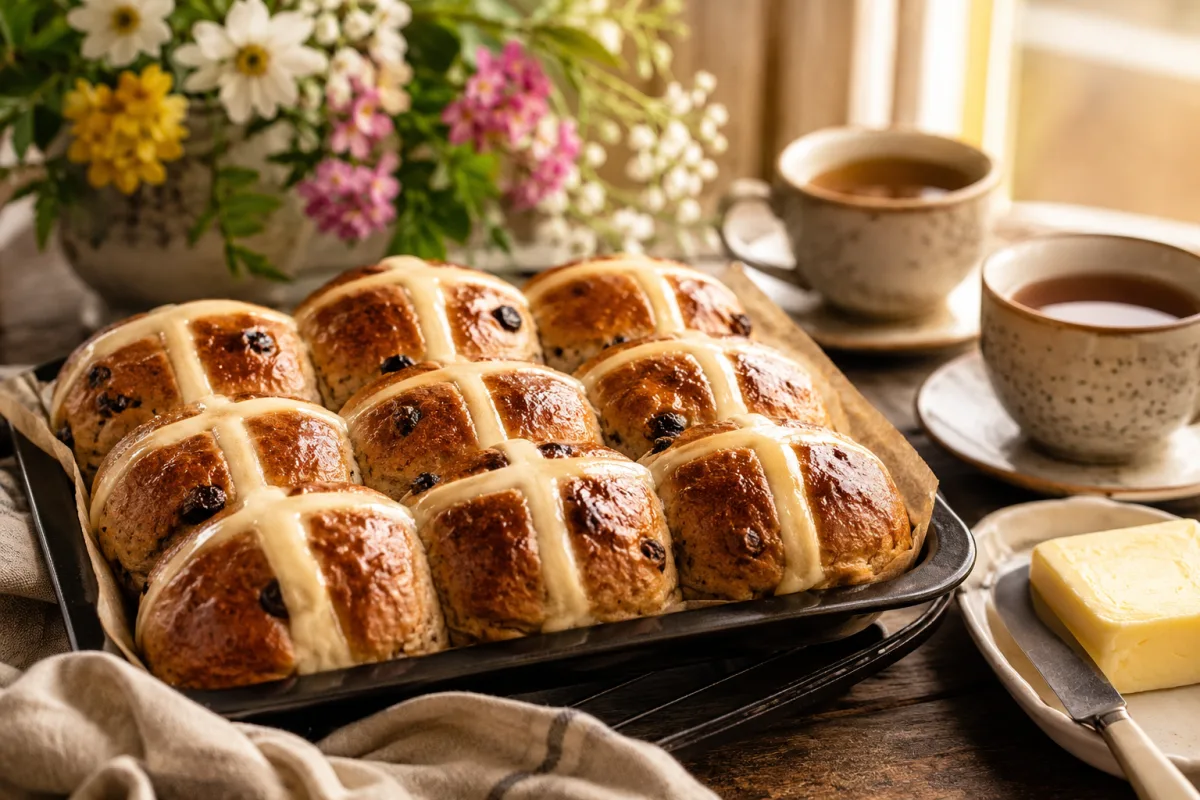
Hot cross buns are spiced, enriched buns marked with a cross, often eaten on Good Friday or around Easter. They may include raisins, currants, candied peel, or warm spices. Some versions use a flour paste cross before baking; others use icing after baking.
The cross gives the bread its visual identity, but texture matters too. The best buns are soft, fragrant, and not overly sweet. If you are building an Easter dessert table, Livecub's cookie display guide can help with tray arrangement and spacing.
Serve them warm if possible. Butter, marmalade, honey, or a little cream cheese can turn hot cross buns into breakfast, dessert, or an afternoon plate with tea. They also freeze well if wrapped before they dry out.
What Easter Breads Are Popular?
Many cultures celebrate Easter with enriched bread. Greek tsoureki, Italian Easter bread, Polish babka, and sweet braided loaves often include eggs, butter, milk, citrus, spices, or decorative dyed eggs. These breads feel festive because they use ingredients that may have been limited during fasting seasons.
Plan bread around the oven schedule. Enriched dough needs time to rise and cool. If you also plan a custard or cream dessert, Livecub's perfect tiramisu guide can fill a no-bake dessert role while the oven is busy.
Decorative eggs baked into bread should be handled with care. If the eggs are meant to be eaten, use food-safe dye and proper storage. If they are only decoration, make that clear before children start picking them apart.
What Side Dishes Fit An Easter Meal?
Spring sides often include asparagus, peas, carrots, potatoes, greens, herbs, salads, and citrus. The meal can feel heavy if every dish is rich, so add something crisp or green beside ham, lamb, or bread.
Livecub's guide to cooking greens is useful because greens can balance salty ham, fatty lamb, and sweet bread. A simple side with lemon, garlic, or vinegar keeps the plate from feeling flat.
Choose sides that survive the timing of the day. Roasted carrots, chilled asparagus salad, potato salad, and braised greens can wait better than a last-minute souffle. One delicate dish is fine; five delicate dishes make the cook disappear.
How Do You Keep Easter Food Safe?
Eggs, ham, lamb, mayonnaise salads, cream desserts, and cooked sides need normal food safety habits. Keep cold food cold, hot food hot, and do not leave perishable dishes out for long periods. Holiday tables can drift into grazing for hours, which is where mistakes happen.
The USDA has shared Passover and Easter food safety tips, including keeping cooked egg dishes at safe temperatures. Use shallow containers for leftovers and refrigerate promptly. If you need make-ahead vegetable planning, Livecub's freezing fresh vegetables guide can help before the holiday rush.
Label leftovers before the refrigerator fills. Ham, lamb, egg dishes, and cream desserts all look different after guests move serving spoons around. Clear containers and dates help you avoid guessing later in the week.
Set out smaller platters and refill them from the refrigerator rather than leaving every perishable dish on the table. This keeps food safer and makes the table easier to manage when guests graze.
How Do You Build A Balanced Easter Menu?
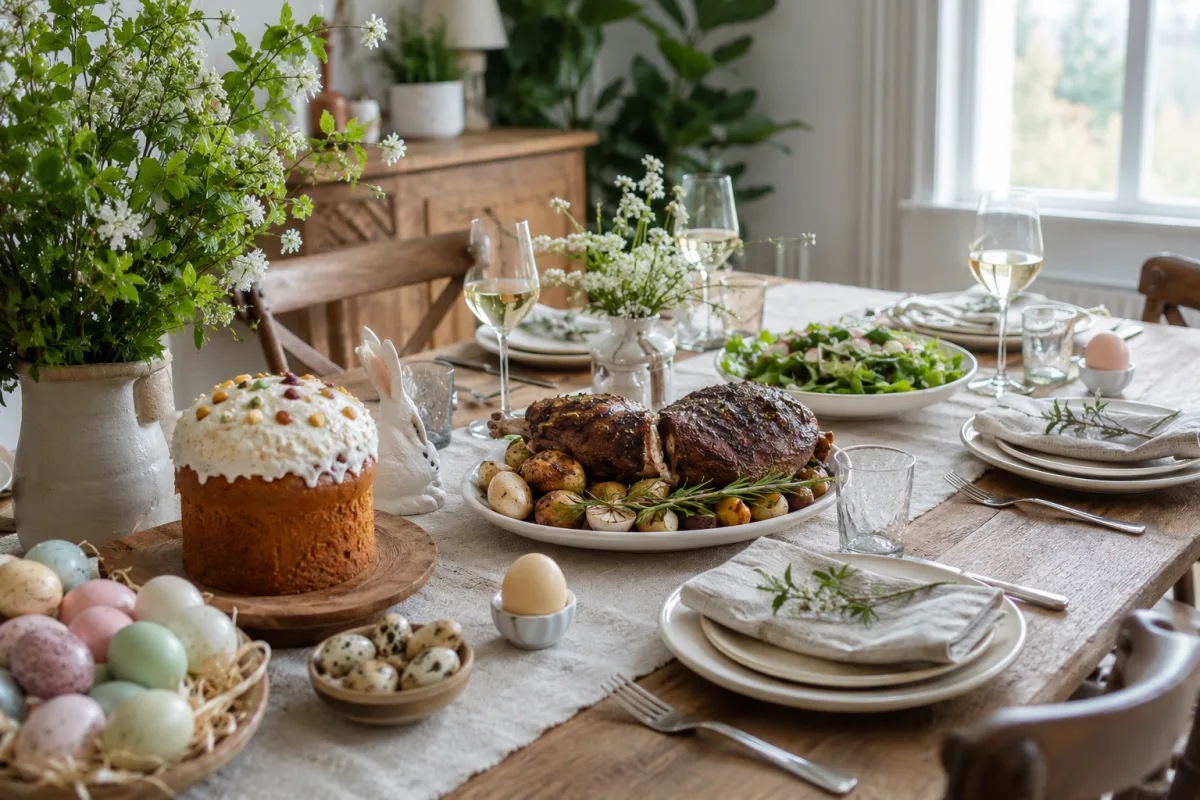
Choose one main dish, one bread, two or three sides, one egg dish if you like, and one dessert. Then check the oven, refrigerator, and serving schedule. A menu with five beloved dishes is better than ten dishes that all need attention at the same minute.
Mix temperatures and textures: hot roast, room-temperature bread, crisp salad, warm vegetables, and a dessert that can wait. That makes the meal easier to serve and easier to enjoy.
Build the schedule backward from serving time. Decide what can be cooked the day before, what needs oven space, what gets served cold, and what can sit covered. Tradition feels easier when timing is not left to hope.
Frequently Asked Questions
What is the most traditional Easter food?
There is no single answer, but eggs, lamb, ham, hot cross buns, and sweet breads are common in many places.
Can dyed Easter eggs be eaten?
Only if they were handled safely, refrigerated properly, and dyed with food-safe materials. Hunt eggs are better kept separate.
Why are hot cross buns eaten at Easter?
The cross connects them to Good Friday and Easter symbolism, while the spiced bread fits the holiday table.
Is lamb or ham more traditional?
Both can be traditional depending on culture, region, religion, and family history.
What can I serve for a lighter Easter meal?
Choose eggs, spring vegetables, salad, bread, fruit, and one modest main instead of several rich dishes.
What Should Guide The Table?
Let tradition shape the meal, then let your real kitchen finish it. Traditional Easter foods work best when the menu has meaning, food safety, and enough breathing room for people to gather without the cook missing the day. A smaller menu with safe eggs, rested roasts, and room for conversation is better than a crowded table that exhausts everyone before dessert starts.

Alyssa Curlin
Edits general health, nutrition and education explainers. Medical topics are educational and link to public-health guidance.




Leave a reply
Replying to