
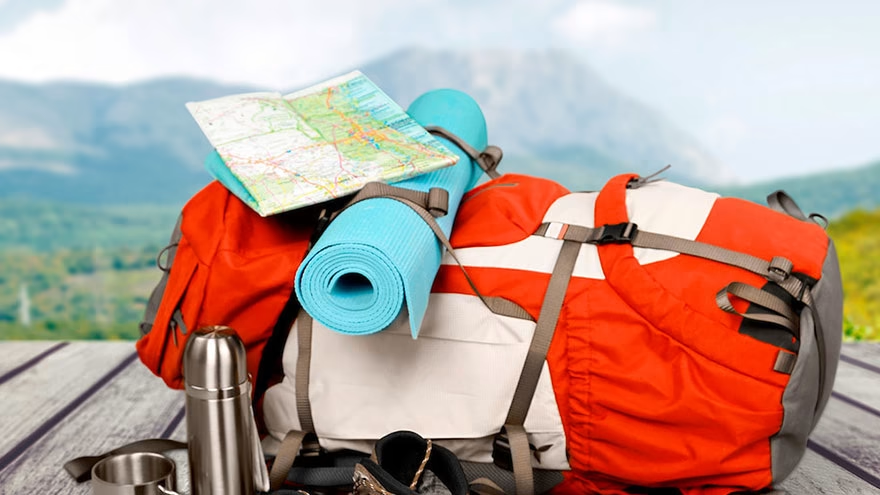
Backpacker Travel Insurance has to fit long trips, changing plans, low-cost lodging, buses, borders, trails, and gear that may be carried for months.
A backpacker policy is not automatically better because it sounds adventurous. The right policy is the one that matches your route, health needs, activities, trip length, and claim documentation habits.
Start With Trip Length
Backpacking trips often run longer than a standard vacation. Check the maximum trip duration, renewal rules, home-country return rules, and whether coverage ends if you come home briefly.
A cheap policy with a short trip limit can fail exactly when a long route changes. Match the policy dates to the real itinerary, not the optimistic version.
Medical Coverage
Illness, injury, food poisoning, scooter crashes, infections, and hiking accidents can become expensive abroad. Travel medical coverage may help with eligible medical costs, but limits and exclusions vary.
The State Department recommends checking insurance before international travel and reviewing health and evacuation coverage: State Department insurance guidance.
Medical Evacuation
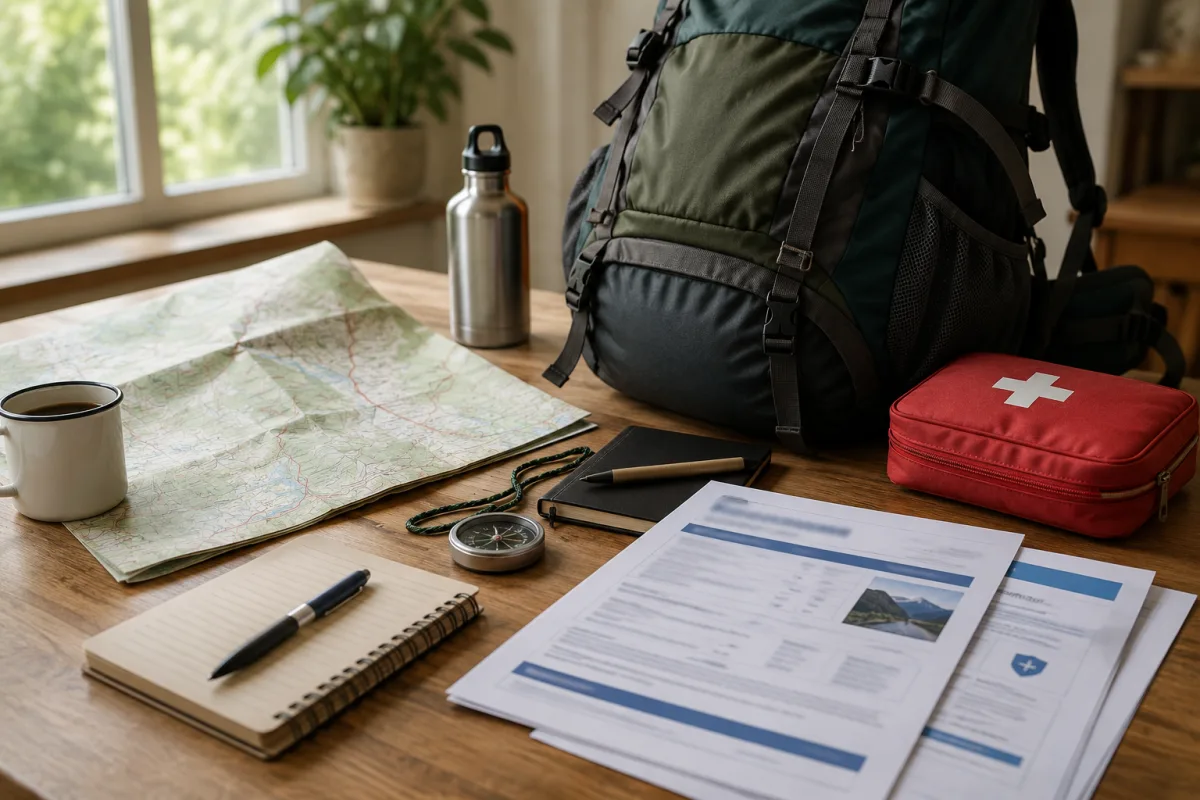
Backpackers may visit islands, mountains, rural areas, and regions where care is limited. Evacuation coverage can matter more than a lost hostel booking.
CDC says medical evacuation insurance can cover emergency transport from a remote area to a higher-quality hospital, and the cost can otherwise be very high: CDC travel insurance page.
Adventure Activity Exclusions
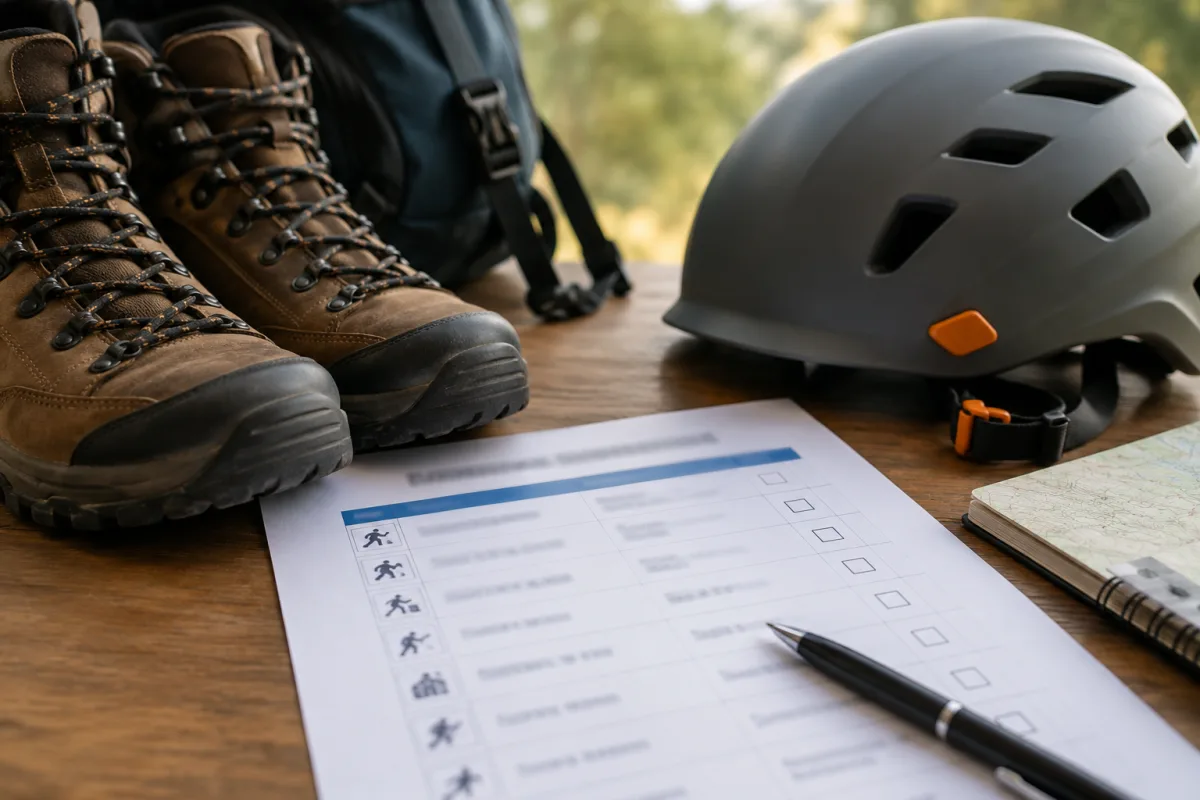
Trekking, scuba, climbing, skiing, motorbikes, volunteering, and altitude travel may be excluded or require an upgrade. Read the activity list before paying.
NAIC warns that emergency evacuation or repatriation coverage may not apply to activities an insurer considers dangerous, unless specialty coverage is bought: NAIC travel insurance consumer insight.
Motorbikes And Scooters
Many backpackers rent scooters because they are cheap and easy. Insurance may require a valid license, helmet, legal rental, and no alcohol or drug use.
If scooter use is likely, check the policy wording before the trip. Do not assume medical, liability, or evacuation coverage applies automatically.
Baggage And Gear
Backpacks, phones, cameras, laptops, passports, hiking gear, and prescription items need different levels of care. Baggage coverage often has item caps and exclusions.
Make a photo inventory before departure. Keep receipts for expensive gear. A claim is much harder if you cannot show what was lost or stolen.
Hostels And Shared Rooms
Shared rooms change theft risk. Some policies may not cover unattended items unless they were locked in a secure place.
Use lockers, split cards and cash, and keep passport copies separate. Insurance helps after a loss; habits reduce the chance of one.
Changing Countries
Backpacker routes change. A policy may exclude some countries, advisory levels, war zones, sanctions, or regions outside the area you selected.
Check coverage before crossing a border. If your route shifts from Europe to Asia or from cities to remote trekking, the old plan may not fit.
Trip Interruption
If you need to return home because of a covered family emergency or illness, interruption benefits may help with unused costs or extra transport.
Read the family definition, proof requirements, and limits. Long trips make documentation harder, so save emails and receipts as you go.
Travel Delays
Budget routes often involve overnight buses, discount airlines, ferries, and tight connections. Delay coverage may help with lodging and meals only after a stated waiting period.
Do not spend freely during a delay and assume reimbursement. Save official notices and keep costs within policy limits.
Pre-Existing Conditions
If you have a medical condition, medication, recent hospitalization, or ongoing treatment, read the pre-existing condition wording closely. Some policies require early purchase or stability periods.
For a finance comparison mindset, Livecub's fixed annuity and fixed index annuity guide shows why details inside contracts can matter more than product names.
Budgeting For The Policy
Backpackers often plan daily costs carefully, then skip insurance because it feels like a large upfront expense. Compare the premium against the loss you could not handle alone.
Livecub's kids and money guide is for family teaching, but the budgeting habit applies: name the risk before deciding to carry it yourself.
Compare More Than Price
Look at medical limits, evacuation, activities, baggage caps, electronics, deductible, claims process, emergency assistance, and trip length. A cheaper plan may remove the one benefit you need.
Livecub's financial calculator guide is a separate finance topic, but the same discipline helps here: compare inputs before trusting the final number.
Documents To Carry
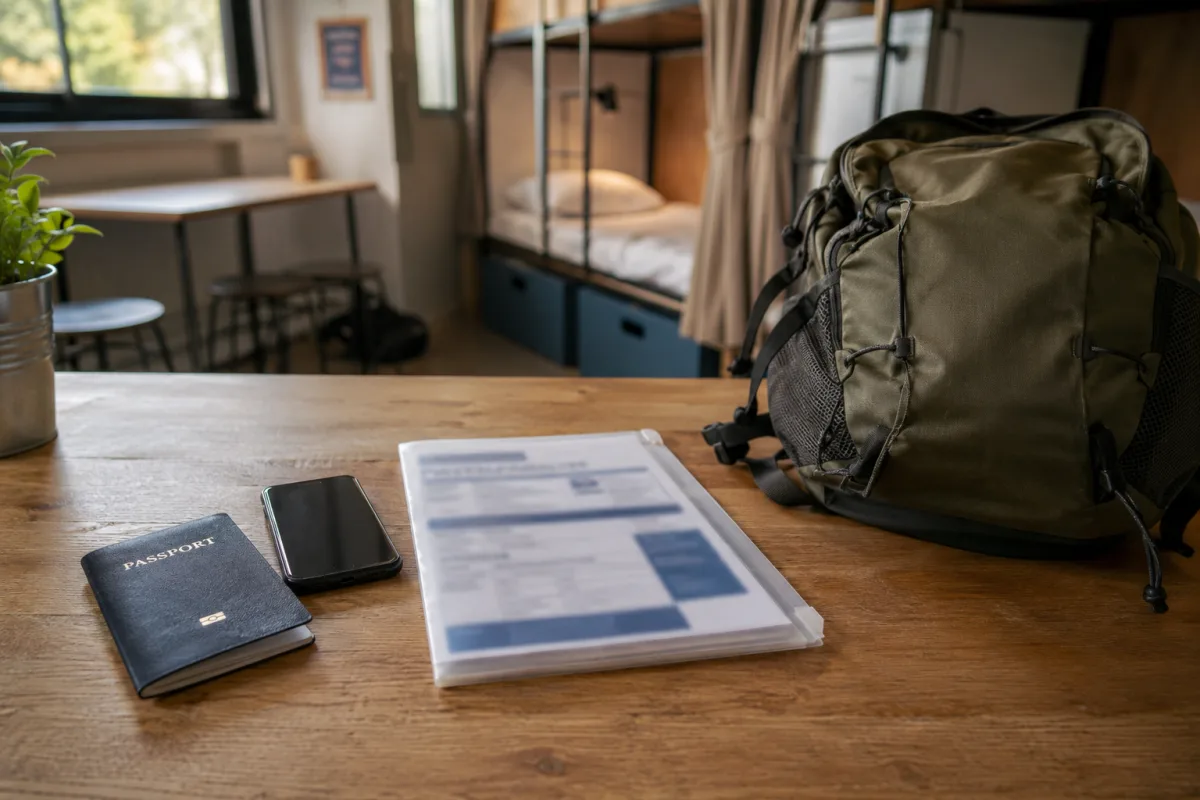
Keep offline copies of the policy, emergency assistance number, passport, visa, prescriptions, and key receipts. Store copies in cloud storage and with someone at home.
In a crisis, you may not have strong internet or a calm hour to search email. Prepare the boring paperwork before the trip becomes stressful.
When Backpacker Insurance May Not Fit
A standard backpacker policy may not suit digital nomad work, paid labor, competitive sports, high-altitude climbing, long-term residency, or one-way migration plans.
If the trip is not really a vacation, tell the insurer what you are doing. A policy that does not match the trip can look fine until a claim is denied.
One-Way Tickets Need Extra Attention
Some backpackers start with a one-way ticket and decide later where to go next. Policies may ask for home country, destination region, and end date, so flexible travel needs careful setup.
If the route is open-ended, contact the insurer before buying. A plan built for a fixed vacation may not handle long gaps, route changes, or mid-trip extensions.
Working Or Volunteering Abroad
Paid work, farm stays, teaching, volunteering, and hostel work exchanges may not fit a basic backpacker policy. Injuries during work can be treated differently from vacation injuries.
Describe the activity honestly. A cheaper policy is not cheaper if the claim fails because the trip purpose was outside the rules.
Altitude And Remote Trails
Trekking at altitude, remote camping, and multi-day routes can trigger special exclusions. Some policies set altitude limits or require guided routes and rescue coverage.
Read the adventure section before booking permits. The time to discover an altitude limit is at home, not at the trailhead.
Keep Claims Realistic
Insurance will not replace every inconvenience. Small losses, worn-out gear, missed fun, or poor planning may not qualify. Policies usually need covered reasons and proof.
Use insurance for losses you cannot comfortably absorb, and use planning for the predictable problems: backup cards, copies, locks, medicine, and flexible travel days.
Phone And Electronics Limits
Phones are maps, tickets, bank access, translation tools, and emergency contacts for many backpackers. Yet electronics often have low item limits or special proof rules.
Check the electronics section before assuming your phone, camera, laptop, or drone is covered. Keep serial numbers and purchase proof somewhere separate from the device.
Medication And Prescriptions
Backpackers who take regular medication should carry enough supply, prescription copies, and a plan for delays. Insurance may not solve a refill problem in a remote place.
Ask a clinician and insurer what documentation to carry. Keep medicine in original packaging when possible and split supplies safely if your clinician agrees.
Emergency Contact Discipline
Leave your route, policy number, and insurer assistance line with someone at home. Update that person when the plan changes.
This takes minutes and can save hours if you are injured, hospitalized, detained, or unable to access your phone.
Know What You Are Self-Insuring
Some travelers choose a higher deductible or skip baggage coverage to save money. That can be reasonable if you know the loss you would carry yourself.
Write down the losses you can absorb and the ones that would end the trip. Buy insurance for the second group, not for every minor inconvenience.
Frequently Asked Questions
What is backpacker travel insurance?
It is travel insurance built for longer, flexible trips, often with medical, evacuation, baggage, delay, and interruption benefits.
Do backpackers need medical evacuation coverage?
It is often worth considering for remote routes, developing regions, islands, mountains, or places where local care may be limited.
Does backpacker insurance cover adventure sports?
Not always. Trekking, scuba, motorbikes, skiing, climbing, and high-altitude activities may need upgrades or separate coverage.
Will insurance cover stolen backpacking gear?
It may, but item caps, unattended bag exclusions, proof of ownership, and police report rules can limit claims.
Can I buy backpacker insurance after leaving home?
Some insurers allow it and others do not. Check purchase timing, waiting periods, and whether coverage starts immediately.
Backpacker travel insurance should be chosen from the route outward: trip length, medical risk, evacuation, activities, gear, borders, and the paperwork you can actually keep.

Patrick Harwood
Edits sports, consumer-finance and general legal explainers. Regulated or time-sensitive topics link to primary sources and are not professional advice.




Leave a reply
Replying to