
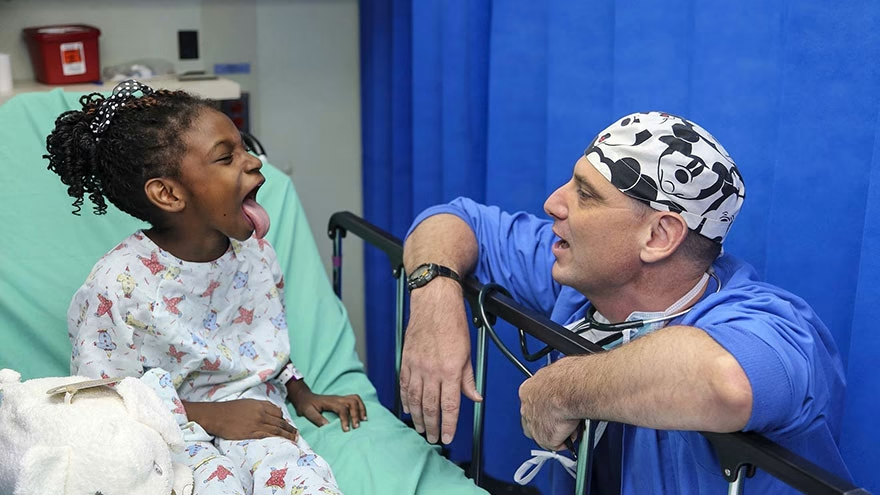
Childhood Brain Cancer Symptoms can be hard to spot because children get headaches, stomach bugs, clumsiness, mood changes, and school struggles for many reasons. The concern rises when symptoms are new, persistent, progressive, worse in the morning, tied to vomiting, or paired with neurological changes.
This is general health education, not diagnosis. If a child has a seizure, sudden weakness, severe headache, confusion, trouble walking, vision loss, repeated morning vomiting, or a rapidly worsening symptom, seek urgent medical care.
Headaches That Change
Many childhood headaches are not cancer. Warning patterns include headaches that wake a child, are worse in the morning, grow more frequent, come with vomiting, or appear with vision, balance, or personality changes.
The National Cancer Institute describes pediatric brain tumor symptoms in its childhood brain tumor treatment information, including symptoms related to pressure and tumor location.
Morning Vomiting

Repeated vomiting in the morning, especially without diarrhea or a clear stomach illness, deserves medical attention when paired with headache, sleepiness, balance trouble, or vision changes. Increased pressure in the skull is one possible concern among others.
Do not assume every vomit is cancer; do not ignore a pattern that keeps returning.
Vision Changes

A child may complain of blurry vision, double vision, new eye crossing, trouble reading the board, bumping into things, or holding objects unusually close. Younger children may not describe vision well, so behavior matters.
For neurological context, Livecub's glioma causes article helps separate tumor risk language from symptom evaluation.
Balance And Coordination
New clumsiness, falling, stumbling, changes in handwriting, trouble with stairs, or loss of sports skills can point to neurological problems. The cerebellum and brain pathways affect coordination, and symptoms depend on location.
If a child suddenly cannot walk normally, seek prompt care.
Seizures
A first seizure needs medical evaluation. Seizures can involve shaking, staring, confusion, odd sensations, speech arrest, or lost time. Brain tumors are only one possible cause, but a first seizure should not be explained away.
Call emergency services if a seizure lasts several minutes, breathing is affected, injury occurs, or the child does not recover normally.
Personality Or School Changes
A tumor can affect mood, attention, memory, sleep, or behavior depending on location. Parents may notice a child becoming unusually irritable, withdrawn, sleepy, or unlike themselves. School performance may drop.
Behavior changes alone have many causes, but paired neurological symptoms should raise concern.
Growth And Hormone Clues
Tumors near the pituitary or hypothalamus may affect growth, puberty, thirst, urination, weight, or energy. These signs often lead to endocrine evaluation rather than an obvious cancer concern at first.
Keep growth charts and mention unusual thirst, urination, or puberty timing to the pediatrician.
Infants And Toddlers
Babies and toddlers cannot report headaches. Watch for persistent vomiting, abnormal eye movements, developmental regression, poor feeding, unusual sleepiness, irritability, increased head size, bulging fontanelle, or loss of milestones.
Livecub's glioblastoma prognosis article is adult-focused, but it shows why serious brain tumor symptoms need prompt medical care.
Bone Or Body Pain
Body pain is not usually the main sign of a primary brain tumor, but cancer symptoms can overlap and spread from other cancers can create different patterns. Persistent unexplained pain with weight loss, fever, or neurological signs needs evaluation.
Livecub's metastatic bone cancer symptoms article covers a different cancer symptom pattern.
What The Doctor May Do

The clinician may ask about timing, morning symptoms, vomiting, vision, school changes, seizures, family history, and medications. The exam may check eyes, strength, reflexes, coordination, walking, growth, and vital signs. Imaging may be ordered if the pattern is concerning.
Bring a symptom timeline and videos of unusual movements if safe to record.
Pediatric Cancer Resources
Families may need plain language after a concerning referral. The American Cancer Society's childhood brain and spinal cord tumor symptoms page is a useful companion to the pediatrician's instructions.
Use outside reading to prepare questions, not to replace the child's medical team.
Do Not Wait On Progressive Symptoms
Progressive symptoms are the key: worse week by week, new functions lost, headaches changing, vomiting returning, or balance worsening. A parent does not need to prove cancer before asking for care.
For glioma background, Livecub's glioma causes article can help separate causes from symptoms.
Support The Child
Stay calm and concrete. Say, we are going to ask the doctor why this is happening. Avoid frightening labels before evaluation. Children need honesty matched to their age and enough routine to feel held.
Parents also need support. Waiting for scans or referrals can be exhausting.
Pain And Head Tilt
Some children tilt the head, squint, or adopt unusual posture to compensate for vision changes or pressure. Others become unusually tired after reading or looking at screens. These signs are not specific to cancer, but they belong in the symptom timeline.
Mention them if they appear with headache, vomiting, balance changes, or school decline.
Back Pain Or Neck Pain
Tumors in the brain or spinal cord can sometimes cause neck pain, back pain, stiffness, weakness, or walking changes. Common injuries are much more likely, but persistent pain with neurological signs should be checked.
Do not repeatedly treat a progressive pattern as a pulled muscle without follow-up.
What Parents Can Track
Track time of day, triggers, vomiting, headache location, vision complaints, falls, seizures, sleepiness, appetite, school reports, and medicines. Keep entries short. A clear pattern helps the pediatrician decide what needs urgent workup.
Bring the notes instead of trying to remember everything in the exam room.
Emergency Versus Appointment
A stable, mild symptom may start with a pediatric appointment. A sudden seizure, new weakness, confusion, severe headache, or inability to walk normally is different. Those need urgent care.
Parents do not need to know the diagnosis to choose the right level of urgency.
After Imaging Is Ordered
If imaging is ordered, ask what type, how soon, whether sedation is needed, what symptoms should trigger emergency care while waiting, and how results will be communicated. Waiting without a plan adds avoidable fear.
Write the plan down before leaving the clinic.
Support Siblings
If one child is being evaluated for serious symptoms, siblings may notice fear and schedule changes. Give simple, truthful updates without frightening details. Keep routines where possible and name another adult they can talk to.
The whole family needs steadiness during medical uncertainty.
Common Misread Signs
Children may say their stomach hurts when the real problem is nausea from headache. They may say school is hard when vision is changing. They may seem lazy when fatigue is worsening. Parents can help by describing behavior, not only the child's words.
A concrete description is easier for a clinician to evaluate.
Ask About Eye Exam Findings
Sometimes an eye exam finds swelling of the optic nerve or other signs that need urgent medical attention. If an optometrist or doctor mentions papilledema, vision field loss, or pressure concerns, follow the referral instructions promptly.
Eye findings can be an important clue when headaches are changing.
Medication Masking
Pain relievers may temporarily reduce headache and make a pattern harder to see. Record how often medicine is used and whether symptoms return. Overuse of headache medicine can also create its own problems.
Bring the medication log to the appointment.
Family History
Most childhood brain tumors are not caused by a simple family pattern, but the doctor should know about genetic syndromes, multiple cancers, or unusual tumors in relatives. Family history is one piece of the puzzle, not a diagnosis.
Do not panic over one distant relative; give the facts and let the clinician interpret them.
Trust Parent Instincts With Facts
Parents often know when a child is not acting like themselves. Pair that instinct with specifics: dates, times, symptoms, videos, school notes, and medication use. Clear facts make it easier for clinicians to act.
Follow Up If The Pattern Continues
If the first visit does not find a cause but symptoms continue or worsen, follow up. New information can change the decision about labs, eye exam, neurology referral, or imaging. Persistence is reasonable when the pattern is real.
Frequently Asked Questions
Are headaches usually brain cancer in children?
No. Most headaches are not cancer, but changing headaches with vomiting or neurological signs need care.
What symptom is most urgent?
Seizure, sudden weakness, confusion, vision loss, severe headache, or rapidly worsening symptoms need urgent help.
Can brain tumors change behavior?
Yes, depending on location, but behavior changes also have many other causes.
Should I record symptoms?
A timeline and safe videos of unusual movements can help clinicians.
Can infants show symptoms?
Yes. Watch for vomiting, abnormal eye movements, poor feeding, sleepiness, irritability, head growth, or milestone loss.
The Practical Takeaway
Childhood brain cancer symptoms depend on tumor location and pressure. Watch for progressive headaches, morning vomiting, vision changes, seizures, balance problems, behavior changes, and urgent neurological signs.

Chiara Bradshaw
Covers education, culture and creative topics with an emphasis on readable explanations and verifiable references.




Leave a reply
Replying to