

Do You Have to Be Ovulating to Get Pregnant? has a short answer with a timing catch. Pregnancy generally needs an egg to be released, but sex does not have to happen on the exact ovulation day.
Sperm can wait in the reproductive tract for several days, so sex before ovulation can still lead to conception. That is why the fertile window matters more than one perfect calendar square.
The Direct Answer
You usually need ovulation for pregnancy because ovulation releases the egg that sperm can fertilize. Without an egg, conception cannot start in the usual way.
ACOG explains that people are most fertile around the time an egg is released and should plan sex around ovulation when trying to conceive: ACOG timing sex for pregnancy.
Why Sex Before Ovulation Can Work
Sex before ovulation can lead to pregnancy because sperm may still be alive when the egg is released. This is the part that confuses many people.
Mayo Clinic says having sex from 3 to 4 days before ovulation until one day after ovulation improves the odds of pregnancy: Mayo Clinic how to get pregnant.
The Egg Has A Short Window
After ovulation, the egg has a short useful life. If sperm is not already nearby or arriving soon, the chance drops quickly.
Mayo Clinic also notes that the egg can be fertilized for about 12 to 24 hours after release, while sperm can live 3 to 5 days after sex: Mayo Clinic ovulation signs.
What Counts As The Fertile Window

The fertile window usually means the few days before ovulation and the day of ovulation. Some calculators use six days because cycles vary.
If your cycles are irregular, the window may move. A calendar app can estimate, but it cannot prove ovulation.
Cycle Day 14 Is Not Universal
Ovulation around day 14 is a rough example for a 28-day cycle. Short cycles, long cycles, stress, illness, travel, breastfeeding, and age can shift timing.
Do not assume you missed the month because day 14 passed. Track patterns over more than one cycle if you can.
Ovulation Predictor Tests
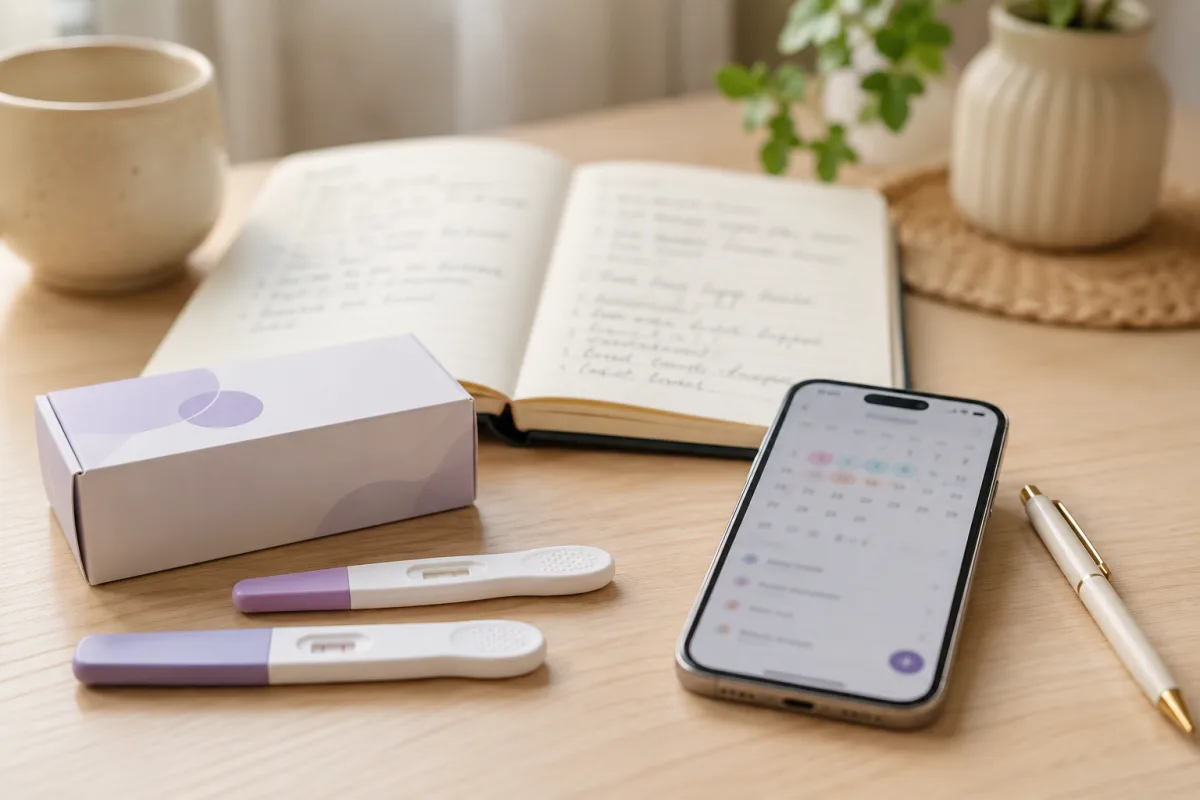
Ovulation predictor kits detect a hormone surge that often happens before ovulation. They are timing tools, not pregnancy tests.
A positive ovulation test means the fertile window may be close. It does not guarantee an egg released or that pregnancy will happen.
Cervical Mucus Clues
Fertile cervical mucus often becomes clearer, stretchier, and more slippery. Some people notice it easily; others do not.
Mucus can be affected by hydration, medication, infection, sex, and normal body variation, so use it as one clue rather than the whole answer.
Basal Temperature Limits
Basal body temperature usually rises after ovulation. That can confirm a pattern after the fact, but it often comes too late to time sex for the same cycle.
It can still help you learn your cycle over months, especially if the data is not making you anxious.
Anovulatory Cycles
An anovulatory cycle is a cycle where ovulation does not happen. Bleeding can still occur, which makes it easy to think everything is regular.
If periods are very irregular, absent, or unpredictable, ask a clinician about ovulation, thyroid issues, PCOS, prolactin, weight changes, medications, and age.
Pregnancy During A Period
Pregnancy from sex during bleeding is less likely, but not impossible if bleeding is not a true period, the cycle is short, or ovulation happens soon after.
The safest way to avoid guessing is to track cycle length and use contraception if you are not trying to conceive.
Timing Sex Without Stress
Many couples do better with sex every 1 to 2 days during the fertile stretch instead of treating one day as a test.
Livecub's staying intimate during pregnancy guide is written for pregnancy, but the consent and pressure-less touch ideas apply while trying too.
Boy Or Girl Timing Claims
Timing sex around ovulation is often sold as a way to choose a baby's sex. The evidence behind those promises is weak.
If you have seen timing claims, Livecub's conceiving a boy guide should be read carefully as general discussion, not a guarantee.
After A Positive Test
If a test is positive, ovulation already happened earlier in that cycle. Symptoms alone cannot date conception accurately.
Livecub's first week pregnancy signs guide can help with early symptom context, but a clinician confirms dates with history and ultrasound when needed.
Reading Faint Tests
Trying to time ovulation can make every faint line feel urgent. Read pregnancy tests within the test's time window and follow the instructions.
Livecub's evaporation line guide can help with test-reading confusion, but repeat testing or clinical testing is clearer.
When To Ask For Help

If you are under 35, many clinicians suggest seeking fertility help after 12 months of trying. Ages 35 to 40 often use a six-month point. Over 40 may need earlier advice.
Ask sooner with absent periods, known endometriosis, PCOS, previous pelvic infection, repeated pregnancy loss, or a partner factor concern.
Do Not Ignore Mood
Trying to conceive can turn sex, timing, and test days into a monthly emotional swing. That stress is real even when nothing is medically wrong.
Livecub's pregnancy depression guide is pregnancy-focused, but it can help readers recognize mood symptoms that deserve care.
What A Clinician May Check
A clinician may ask about cycle length, bleeding, ovulation signs, medications, health history, age, intercourse timing, and partner history.
They may use blood work, ultrasound, semen analysis, or referrals depending on the situation. The first visit is usually about narrowing the question.
PCOS And Ovulation
PCOS can make ovulation irregular or less predictable. Some people still ovulate sometimes, which can make tracking confusing.
If cycles are long, acne or excess hair growth is present, or periods skip often, bring those details to a clinician instead of only buying more test strips.
Fertility Apps
Apps estimate ovulation from past cycle dates. They can be helpful for reminders, but they cannot see hormones, egg release, illness, or travel stress.
If an app prediction and body signs disagree, treat the app as a guess. Having sex every couple of days around the possible window may reduce pressure.
Male Factor Matters
Ovulation timing is only one side of conception. Sperm count, movement, shape, ejaculation issues, medications, heat exposure, and health history can matter too.
A semen analysis is often simpler and less invasive than many fertility tests, so partner testing should not be treated as a last resort.
After Emergency Contraception
Some emergency contraception works mainly by delaying ovulation. That can shift bleeding and confuse the next cycle's timing.
If you used emergency contraception and are unsure about pregnancy risk, follow the product guidance and use a pregnancy test at the recommended time.
Chemical Pregnancy Confusion
Very early loss can make timing feel impossible because a test may be briefly positive before bleeding starts.
If this happens repeatedly, or if pain or heavy bleeding occurs, ask a clinician for guidance rather than trying to solve it with ovulation charts alone.
Keep The Tracking Humane
Tracking should help, not take over. If charts and strips are making you dread sex or blame your body, simplify the plan for a cycle.
A simple calendar, two or three fertile-window days, and a clear help point can be enough for many couples.
Irregular Cycles
With irregular cycles, the question is often not one ovulation day but whether ovulation is happening predictably at all.
Bring several months of dates to a clinician. Guessing from memory is harder than showing a simple list.
Breastfeeding And Postpartum
Ovulation can return before the first postpartum period. That means pregnancy can happen before bleeding returns.
If you are postpartum and do not want pregnancy yet, ask about contraception rather than relying on the absence of periods.
Frequently Asked Questions
Can you get pregnant without ovulating?
Pregnancy usually requires ovulation because an egg must be released for sperm to fertilize.
Can sex before ovulation cause pregnancy?
Yes. Sperm can live for several days, so sex before ovulation can lead to conception when the egg is released.
How long after ovulation can you get pregnant?
The egg is usually fertilizable for about 12 to 24 hours after release, so the chance drops quickly after ovulation.
Do ovulation tests prove I ovulated?
No. They detect a hormone surge that often comes before ovulation, but they do not prove that an egg released.
When should I seek fertility help?
Many people under 35 ask after 12 months of trying, ages 35 to 40 after six months, and over 40 sooner.
You generally need ovulation to get pregnant, but sex before ovulation can be enough. Think in terms of a fertile window, not one magic day.

Linda Fehrman
Edits general wellness and relationship explainers. Health material is educational, avoids diagnosis and links to health-authority guidance.




Leave a reply
Replying to