
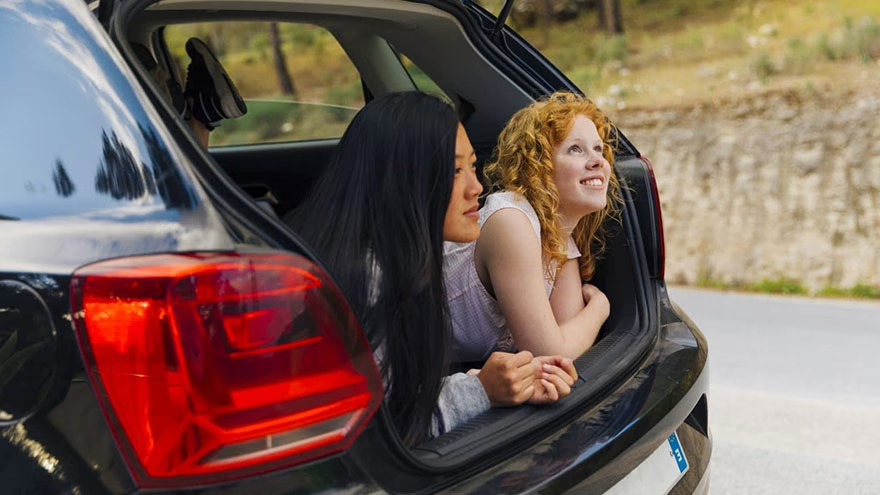
Frugal Car Camping Is About What You Do Not Buy
How to car camp frugally begins with restraint. A car lets you carry more than a backpack, but that does not mean you need every gadget sold in the camping aisle. A comfortable budget trip usually comes from a simple shelter, good sleep, safe food, and a plan for weather.
Car camping means you drive to an established campsite or camping area and use the car as your transport and storage base. You may sleep in a tent, in the vehicle where allowed, or under a simple shelter depending on the site rules.
The cheapest setup is the one you can use repeatedly. Borrow first, buy later, and avoid gear that solves a problem you do not actually have.
Book Campsites With the Full Cost in Mind
Campground fees vary widely. Recreation.gov is the main federal booking platform for many campsites, cabins, permits, and passes. Its camping and passes portal is a practical starting point for comparing locations and fees.
Look at the total cost: campsite fee, reservation fee, park entrance fee, fuel, firewood, showers, and extra vehicle charges. A site that looks cheap may cost more after a long drive or required extras.
If you are building a scenic road trip, Livecub's How to Visit the Spiral Jetty on Utah's Great Salt Lake is a useful reminder that remote destinations need fuel, food, and timing plans.
Also compare cancellation rules. A nonrefundable bargain can be painful when storms, illness, wildfire smoke, or work schedules change the trip. Paying a few dollars more for a site with clearer rules can protect the wider budget.
Borrow or Rent Before Buying
For a first trip, borrow a tent, sleeping pad, stove, cooler, lantern, or camp chairs if you can. Renting can also make sense when you are testing whether camping fits your life.
Buy the sleep system first if you buy anything. A decent sleeping pad and weather-appropriate bag matter more than decorative camp lights or a complicated kitchen.
Bad sleep makes cheap camping feel expensive. Spend where comfort and safety change the trip.
Make a short borrowed-gear list before the trip and check it when packing to leave. Returning someone else's stakes, rainfly, pump, and fuel canister matters, and it keeps you welcome for the next loan.
Test borrowed gear at home. Set up the tent, inflate the pad, light the stove outdoors if you know how to do so safely, and make sure the lantern works before you are standing in the dark.
Pack a Small Camp Kitchen
A frugal camp kitchen can be basic: one stove, fuel, lighter, pot, pan, cutting board, knife, spoon, bowl, mug, cooler, sponge, trash bag, and a small soap bottle. Add only what your meals require.
Plan meals that use the same ingredients. Oatmeal, eggs, tortillas, beans, rice, pasta, soup, sandwiches, and simple skillet meals stretch well. Pre-chop at home if it reduces mess and waste.
For easy road food before or after camp, Livecub's Easy Yugoslavian Chicken Recipe can be adapted as a make-ahead meal with safe cooling and storage.
Know Frontcountry Campground Basics
The National Park Service describes frontcountry camping as camping where visitors drive to established campgrounds, often with loops, sites, and shared amenities. That is the closest match for most car camping.
Read the campground page before leaving. Check whether the site has potable water, toilets, bear boxes, fire rings, picnic tables, shade, quiet hours, and vehicle limits.
A cheap site is not cheap if it lacks what your group needs. A family with small children may value bathrooms and water more than a lower nightly fee.
Store Food Safely
Food storage rules depend on the place. In bear country and many parks, food, coolers, trash, toiletries, and scented items may need to go in provided lockers or approved containers.
NPS food-storage guidance for bear country warns visitors to store food and scented items properly whenever they are not in use. The exact rules vary by park, so read the local page rather than assuming your trunk is enough.
If your trip includes hiking, Livecub's How to Adjust Walking Sticks fits the same planning mindset: small setup details can prevent bigger problems later.
Use Leave No Trace as a Money Saver
Leave No Trace's seven principles include planning ahead, camping on durable surfaces, disposing of waste properly, minimizing fire impacts, respecting wildlife, and being considerate of others.
These ethics also save money. Planning ahead prevents emergency purchases. Durable campsites protect gear and land. Proper trash handling avoids mess, fees, and wildlife trouble.
Cheap camping should not mean careless camping. The campsite should look good when the next family arrives.
Stay Warm and Dry Without Overpacking
Bring layers instead of one huge jacket. Pack dry sleep clothes, warm socks, rain protection, and a tarp or canopy only if the campground allows it and the forecast makes sense.
The NPS what-to-bring camping guidance notes practical items such as rain or sun shelter and dry clothes before bed. Those basics matter more than clever gear.
If weather turns rough, adjust the plan. A cheap trip is not worth unsafe heat, lightning, flooding, wildfire smoke, or cold beyond your gear.
Pack sleep clothes in a separate dry bag, even if that bag is only a reused zip bag or a small stuff sack. Clothes worn while cooking, hiking, or sitting near smoke can feel damp and cold after sunset.
Dry socks are cheap comfort. Put one clean pair aside for sleeping and do not raid it during the day unless safety requires it.
Make the Car Work for You
Use clear bins or bags by category: sleep, kitchen, food, clothes, tools, and dirty items. Keep the flashlight, keys, shoes, and jacket easy to reach at night.
Do not bury essentials under firewood or loose gear. A small packing system makes camp feel calmer and reduces the urge to buy duplicates because you cannot find what you packed.
For another low-cost travel approach, Livecub's Top 5 Places to See In Petoskey, Michigan shows how simple stops can carry a trip when lodging and entertainment are kept modest.
Plan Entertainment That Does Not Need Signal
Camp evenings become expensive when everyone gets bored and drives to town for snacks, drinks, or shopping. Pack cards, a paperback, downloaded maps, a simple trail plan, binoculars, or a notebook.
For children, bring a few familiar low-cost activities rather than buying campground toys at the last minute. A flashlight walk, nature journal, or campfire story can be enough when expectations are set early.
Frugal camping works better with slower expectations. The trip is not supposed to copy a resort weekend in a cheaper setting.
Keep a Post-Trip Gear Note
After the trip, write down what you used, what stayed in the bin, what broke, and what you wished you had packed. That note is more useful than shopping from memory a month later.
Buy one improvement at a time. If the pad was painful, upgrade the pad. If meals were messy, improve the kitchen bin. If rain got inside the tent, solve shelter before buying decorative extras.
Keep a small repair kit with tape, a cord, a spare lighter, a trash bag, and basic first-aid items. Cheap trips get expensive when a tiny failure forces a town run or ends the night early.
Do the same with food notes. If you brought too much ice, too many snacks, or meals nobody wanted to cook, change the next menu. Frugality improves when the packing list reflects the way you actually camp.
Clean and dry the gear before storing it. Replacing a mildewed tent or cracked cooler is far more expensive than spending twenty minutes on cleanup after you get home.
The best frugal camping system gets leaner after each trip, not larger.
Frequently Asked Questions
Is car camping cheaper than a hotel?
Often yes, but compare campsite fees, fuel, gear, food, entrance fees, and reservation charges before assuming.
What should I buy first for car camping?
Prioritize sleep and safety: a reliable shelter, sleeping pad, sleeping bag or blankets, light, water storage, and simple cooking gear.
Can I sleep in my car at any campground?
Not always. Rules vary by campground, park, and vehicle type. Check the specific site's rules before booking.
How do I save money on camp food?
Plan simple meals with shared ingredients, prep at home, avoid one-use specialty foods, and pack leftovers safely.

Linda Fehrman
Edits general wellness and relationship explainers. Health material is educational, avoids diagnosis and links to health-authority guidance.


Leave a reply
Replying to