

A Target baby registry can be useful, but it should not become a race to add every cute product. The best registry is a care plan in shopping form.
Start with current Target rules, then build around safe sleep, diapers, feeding, bathing, transport, and postpartum support.
Start With Target's Registry Page
Target's baby registry page describes registry perks such as a welcome kit, discount, checklist, and sharing with family and friends: Target baby registry. Start there rather than copying a random influencer list.
Policies, perks, and app screens can change, so check Target's own page while creating the registry.
Read The Welcome Kit Rules

Target's registry help page lists steps tied to the welcome kit and Target Circle Bonus, including creating a registry and adding qualifying items: Target registry help. Read the current terms before promising yourself a kit.
Treat perks as extras. The registry should still work if a sample bag is out of stock or rules change.
Put Safety Items Before Cute Items
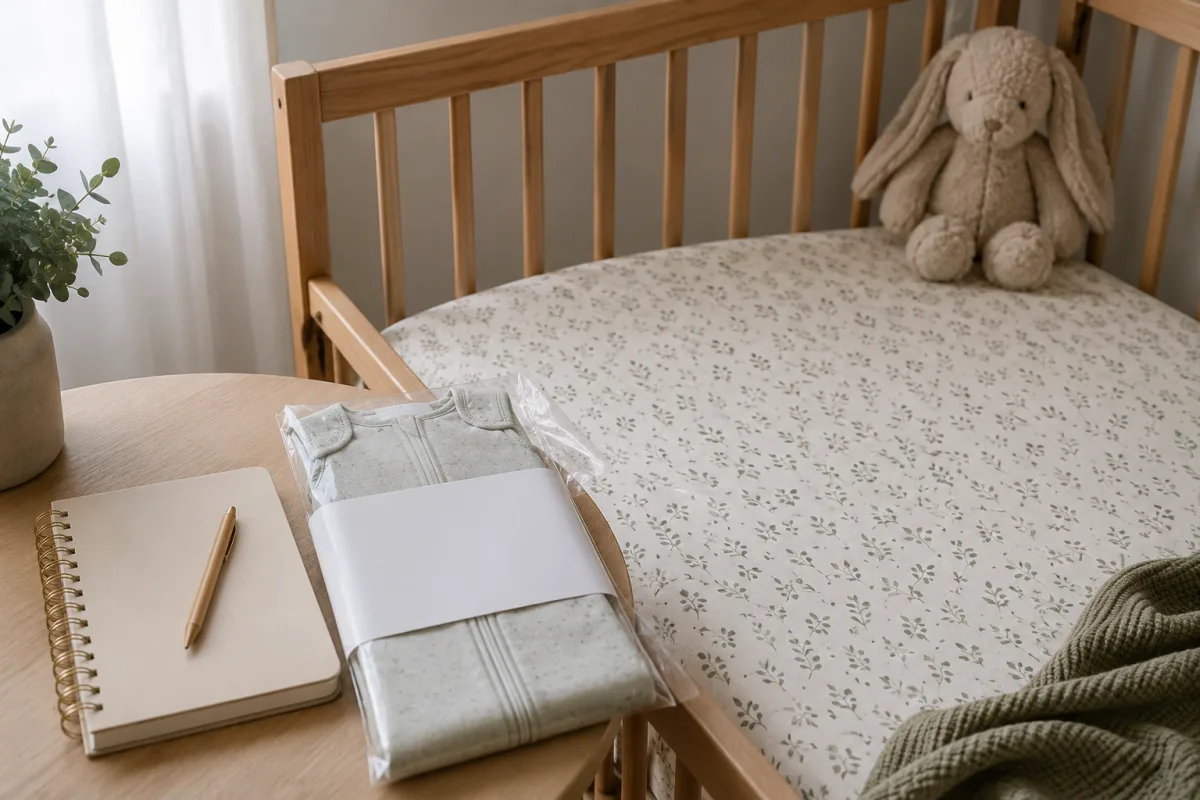
CPSC safe sleep guidance says the sleep space should be bare and use a product intended for sleep: CPSC safe sleep guidance. That should shape registry choices before blankets, pillows, loungers, or decorative crib items.
Livecub's guide to share the baby's gender can help with announcement fun without filling the registry with decor that cannot be used safely.
Build The Registry In Phases
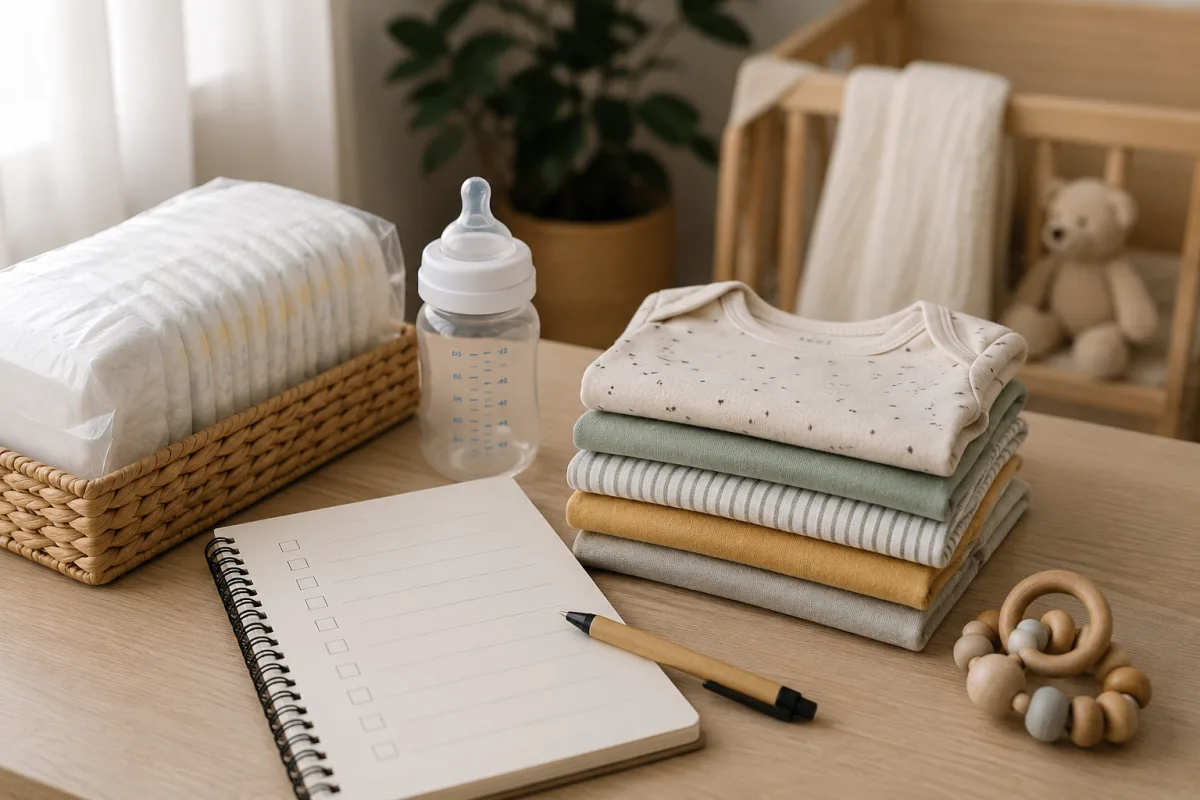
Start with sleep, diapers, feeding, bathing, basic clothes, postpartum needs, and transport. Livecub's guide to bland pregnancy meals can help if pregnancy nausea affects what the household can realistically prep.
Add optional gear only after the basics are covered.
Use Group Gifts And Returns Thoughtfully
Large items may be better as group gifts if Target's current tools allow it. Livecub's guide to emotional support during early labor can help partners see the registry as practical support, not just shopping.
If registry pressure is bringing stress, Livecub's guide to depression during pregnancy can help name that emotional load before it takes over.
Start With Safety Before Style
For how to create a target baby registry, the safest setup is often the plainest one. Decide where the baby will sleep, where diapers will be changed, and where supplies will be stored before choosing decor.
A room that photographs well but blocks night care, crowds the crib, or hides hazards is not working.
Keep Sleep Space Bare
The crib, bassinet, portable crib, or play yard should stay free of pillows, bumpers, blankets, wedges, stuffed toys, and decorative extras.
Use the right mattress and fitted sheet for the product. Do not add padding because a product looks too firm.
Anchor And Measure
Measure the room, door swing, closet clearance, windows, vents, cords, outlets, and the path you will walk at night.
Anchor dressers, shelves, bookcases, and heavy furniture before the baby becomes mobile. It is easier to do before the room is full.
Use Storage That Works One-Handed
Diapers, wipes, spare clothes, burp cloths, and trash bags should be reachable without stepping away from the baby.
If a supply needs two hands or a step stool during a diaper change, it belongs somewhere else.
Check Recalls And Manuals
Secondhand gear should be checked for recalls, missing parts, broken locks, and the correct manual. A bargain is not useful if setup cannot be verified.
Save manuals in a phone folder or binder so another caregiver can check limits without guessing.
Avoid Aftermarket Fixes
Extra mattresses, strap-on accessories, clip-on trays, wedges, and homemade repairs can change how baby products work.
If a part is missing, contact the maker or replace the product. Do not improvise around sleep or fall risk.
Plan For Laundry And Trash
A small nursery needs a place for dirty clothes, wet burp cloths, diaper trash, and extra sheets. Otherwise the crib or chair becomes storage.
A washable hamper and one refill bin often solve more problems than another shelf.
Practice The Night Walk
Walk the room in low light. Check whether you can reach the crib, changing supplies, water, and the door without stepping over cords, bags, or toys.
Night design is the real design. Fix trip points before the baby arrives.
Buy Less First
How to Create a Target Baby Registry can turn into a long shopping list, but babies often show what they actually need after birth.
Start with safe sleep, feeding, diapers, basic clothes, washing, and transportation. Add convenience items later.
Edit After Real Use
After a week, move the items that keep landing in the wrong place. Remove anything unused, unsafe, or annoying to clean.
A practical baby setup improves through use. It does not need to be perfect before the first night.
Design For The Tired Version Of You
A nursery is used at two in the morning, not only in good lighting after a clean-up. Put the safest, most repeated actions within easy reach.
Changing, feeding, burping, handwashing, laundry, and trash should work when a caregiver is tired, holding the baby, and trying not to wake the whole house.
Check The Floor Plan With Real Measurements
Measure the crib, dresser, chair, hamper, door swing, closet, rug, and walkway before buying. Online planning tools are useful only when the measurements are real.
Leave enough room to open drawers, pull out bins, carry a laundry basket, and reach the crib without brushing against furniture.
Keep Cords And Fabric Away From Sleep
Window cords, monitor cords, lamp cords, curtains, wall hangings, and fabric can become hazards as the baby grows. Design the room so these items are not near the sleep space.
If a beautiful arrangement requires constant vigilance, move it. A good nursery makes the safer choice the easy default.
Plan For Caregivers Who Do Not Live There
Grandparents, babysitters, relatives, and friends may use the room later. Label where diapers, wipes, spare clothes, thermometer, and clean sheets live.
Keep instructions simple and visible. The best system is one another adult can understand without waking you to ask where everything is.
Build In Space To Remove Things
Babies outgrow clothes, diapers, swaddles, and gear quickly. Leave a bin for items that no longer fit or no longer belong in the room.
Removal space prevents the nursery from turning into storage. It also makes safety checks easier because old items are not mixed with current ones.
Recheck The Room At Each Stage
How to Create a Target Baby Registry is not finished forever on the day the baby comes home. Rolling, sitting, crawling, pulling to stand, and walking all change the room.
Set reminders to review furniture anchors, cords, outlet covers, small objects, shelf height, and anything the baby can reach from the crib or floor.
Keep One Short Note
After reading, write a short note in your own words: what is known, what is uncertain, what you plan to do next, and who needs to know.
This step turns a long article into a decision you can revisit. If the note feels unclear, the next action probably needs to be smaller.
Decide What Can Wait
Not every detail needs action today. Sort the issue into now, soon, and later so urgent items do not get buried under shopping, planning, or worry.
The now list should be short. It may be one call, one measurement, one question, one appointment, one safety change, or one honest conversation.
Watch For The Exception
General advice works only until an exception appears. Pain, safety concerns, money limits, school rules, medical history, family conflict, or access barriers can change the right answer.
Name the exception early. A plan that ignores the hardest detail usually fails at the exact moment it is needed.
Share Only What Helps
Advice from family, friends, social feeds, and forums can be kind, but too many opinions can blur the next step. Share the question with people who can help without taking over.
If a conversation leaves you more confused, return to the facts, the timeline, and the professional or local rule that actually applies.
Remove The Extra Work
How to Create a Target Baby Registry should not create a second full-time job. Remove steps that are decorative, repetitive, unsafe, unaffordable, or based only on pressure.
A smaller plan that gets done is better than a perfect plan that stays in notes. Practical usually wins because people have real limits.
Recheck After New Information
The right answer for how to create a target baby registry can change after a test result, phone call, meeting, appointment, new symptom, budget change, or family update.
Set a point to recheck instead of carrying old advice forward. The best plans stay editable.
Frequently Asked Questions
Where do I create a Target baby registry?
Use Target's own baby registry page or app so the current tools and terms are available.
What should I add first?
Start with safe sleep, diapers, wipes, feeding supplies, bathing basics, clothing, transport, and postpartum needs.
Should I add crib blankets?
Avoid loose blankets, pillows, bumpers, or soft crib extras for infant sleep.
Are welcome kits guaranteed?
Read Target's current rules because eligibility, stock, and steps can change.
How do I avoid over-registering?
Build in phases and keep optional gear separate from daily essentials.
This article is for general information only and is not medical, pregnancy, labor, or emergency advice. Contact your obstetric care team for personal guidance and call emergency services for urgent symptoms.

Linda Fehrman
Edits general wellness and relationship explainers. Health material is educational, avoids diagnosis and links to health-authority guidance.



Leave a reply
Replying to