
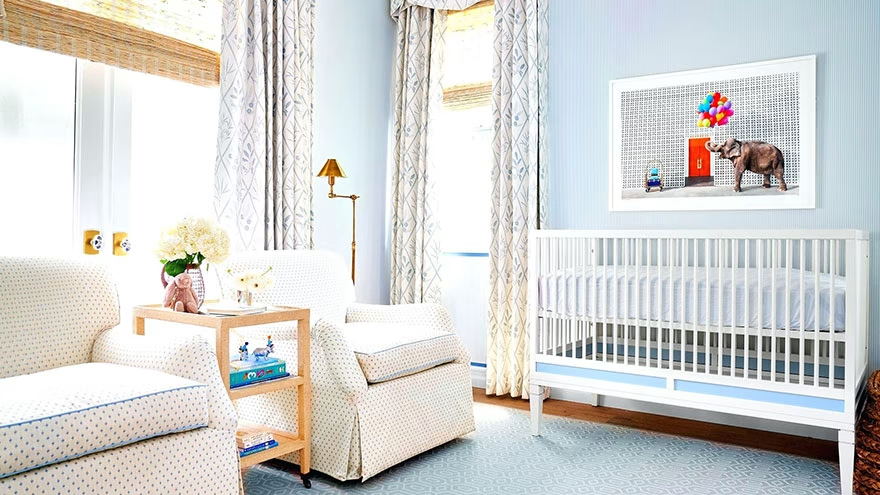
Designing a nursery online is useful when it prevents bad purchases. It becomes less useful when the tool makes the room look finished but ignores sleep safety, cords, and night care.
The best digital plan starts with measurements and care routines, then adds color and decor after the safe layout works.
Design Around Safe Sleep First
CPSC safe sleep guidance says the sleep space should use products intended for sleep and should stay bare except for a fitted sheet: CPSC safe sleep guidance. An online nursery plan should begin with crib placement and safety, not wallpaper.
A design board that puts pillows, bumpers, or loose blankets in the crib is a pretty mistake.
Measure Before You Click
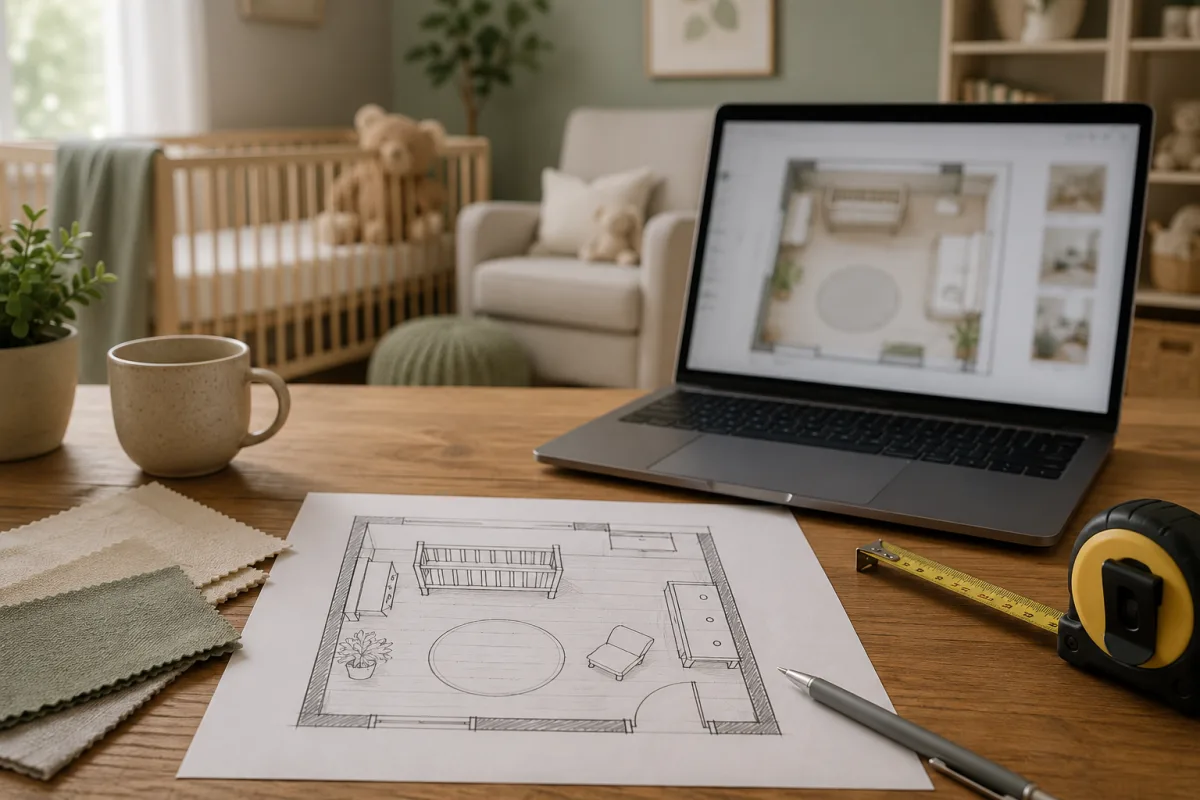
AAP's baby room safety checklist covers crib placement, changing table safety, and room hazards: AAP baby room safety checklist. Online tools are only useful if measurements are real.
Measure doors, windows, outlets, closet swing, dresser depth, crib clearance, and the walking path for night care.
Watch Windows, Cords, And Furniture
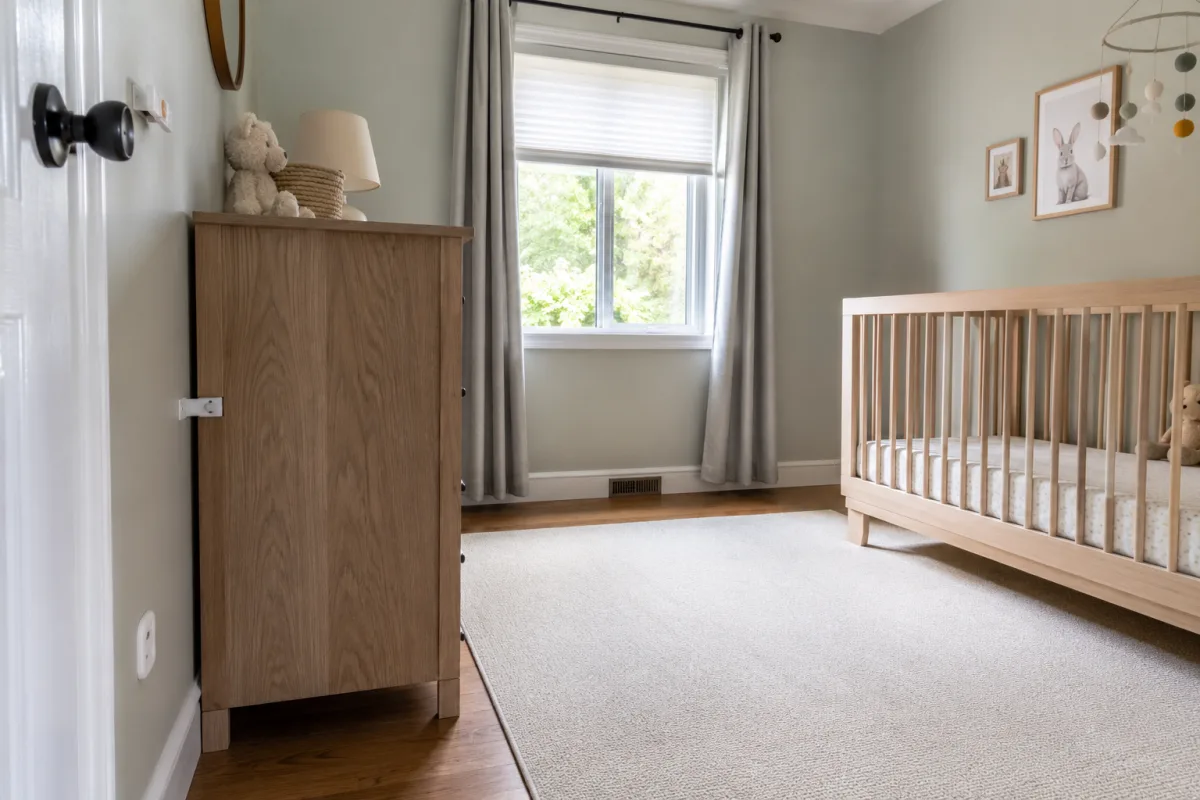
CPSC childproofing guidance warns that furniture and appliances can tip over and should be anchored: CPSC childproofing guidance. Online layouts should leave room for anchors and keep sleep furniture away from window cords.
If you want a keepsake separate from the room plan, Livecub's guide to make a belly bowl cast keeps memory-making out of the crib.
Build A Real Shopping List
Start with safe sleep, changing, storage, feeding, laundry, lighting, and a chair if space allows. Livecub's guide to share the baby's gender can help if the online design is part of sharing the baby news.
Do not let the design app turn every blank wall into a purchase.
Test The Night Version
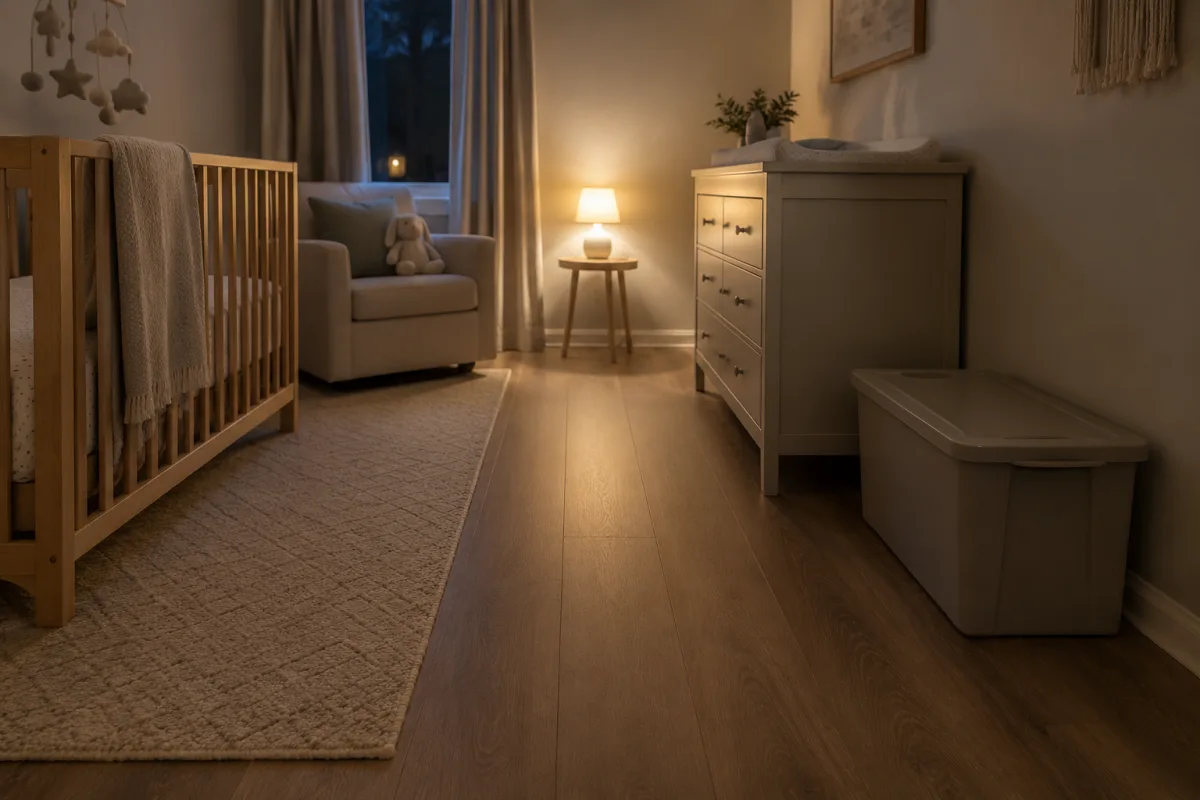
After the online plan looks good, imagine the room at 3 a.m. Livecub's guide to emotional support during early labor can help a partner think practically about support after birth.
If anxiety is turning the nursery into a control project, Livecub's guide to depression during pregnancy can help flag when worry needs support.
Start With Safety Before Style
For how to design a nursery online, the safest setup is often the plainest one. Decide where the baby will sleep, where diapers will be changed, and where supplies will be stored before choosing decor.
A room that photographs well but blocks night care, crowds the crib, or hides hazards is not working.
Keep Sleep Space Bare
The crib, bassinet, portable crib, or play yard should stay free of pillows, bumpers, blankets, wedges, stuffed toys, and decorative extras.
Use the right mattress and fitted sheet for the product. Do not add padding because a product looks too firm.
Anchor And Measure
Measure the room, door swing, closet clearance, windows, vents, cords, outlets, and the path you will walk at night.
Anchor dressers, shelves, bookcases, and heavy furniture before the baby becomes mobile. It is easier to do before the room is full.
Use Storage That Works One-Handed
Diapers, wipes, spare clothes, burp cloths, and trash bags should be reachable without stepping away from the baby.
If a supply needs two hands or a step stool during a diaper change, it belongs somewhere else.
Check Recalls And Manuals
Secondhand gear should be checked for recalls, missing parts, broken locks, and the correct manual. A bargain is not useful if setup cannot be verified.
Save manuals in a phone folder or binder so another caregiver can check limits without guessing.
Avoid Aftermarket Fixes
Extra mattresses, strap-on accessories, clip-on trays, wedges, and homemade repairs can change how baby products work.
If a part is missing, contact the maker or replace the product. Do not improvise around sleep or fall risk.
Plan For Laundry And Trash
A small nursery needs a place for dirty clothes, wet burp cloths, diaper trash, and extra sheets. Otherwise the crib or chair becomes storage.
A washable hamper and one refill bin often solve more problems than another shelf.
Practice The Night Walk
Walk the room in low light. Check whether you can reach the crib, changing supplies, water, and the door without stepping over cords, bags, or toys.
Night design is the real design. Fix trip points before the baby arrives.
Buy Less First
How to Design a Nursery Online can turn into a long shopping list, but babies often show what they actually need after birth.
Start with safe sleep, feeding, diapers, basic clothes, washing, and transportation. Add convenience items later.
Edit After Real Use
After a week, move the items that keep landing in the wrong place. Remove anything unused, unsafe, or annoying to clean.
A practical baby setup improves through use. It does not need to be perfect before the first night.
Design For The Tired Version Of You
A nursery is used at two in the morning, not only in good lighting after a clean-up. Put the safest, most repeated actions within easy reach.
Changing, feeding, burping, handwashing, laundry, and trash should work when a caregiver is tired, holding the baby, and trying not to wake the whole house.
Check The Floor Plan With Real Measurements
Measure the crib, dresser, chair, hamper, door swing, closet, rug, and walkway before buying. Online planning tools are useful only when the measurements are real.
Leave enough room to open drawers, pull out bins, carry a laundry basket, and reach the crib without brushing against furniture.
Keep Cords And Fabric Away From Sleep
Window cords, monitor cords, lamp cords, curtains, wall hangings, and fabric can become hazards as the baby grows. Design the room so these items are not near the sleep space.
If a beautiful arrangement requires constant vigilance, move it. A good nursery makes the safer choice the easy default.
Plan For Caregivers Who Do Not Live There
Grandparents, babysitters, relatives, and friends may use the room later. Label where diapers, wipes, spare clothes, thermometer, and clean sheets live.
Keep instructions simple and visible. The best system is one another adult can understand without waking you to ask where everything is.
Build In Space To Remove Things
Babies outgrow clothes, diapers, swaddles, and gear quickly. Leave a bin for items that no longer fit or no longer belong in the room.
Removal space prevents the nursery from turning into storage. It also makes safety checks easier because old items are not mixed with current ones.
Recheck The Room At Each Stage
How to Design a Nursery Online is not finished forever on the day the baby comes home. Rolling, sitting, crawling, pulling to stand, and walking all change the room.
Set reminders to review furniture anchors, cords, outlet covers, small objects, shelf height, and anything the baby can reach from the crib or floor.
Keep One Short Note
After reading, write a short note in your own words: what is known, what is uncertain, what you plan to do next, and who needs to know.
This step turns a long article into a decision you can revisit. If the note feels unclear, the next action probably needs to be smaller.
Decide What Can Wait
Not every detail needs action today. Sort the issue into now, soon, and later so urgent items do not get buried under shopping, planning, or worry.
The now list should be short. It may be one call, one measurement, one question, one appointment, one safety change, or one honest conversation.
Watch For The Exception
General advice works only until an exception appears. Pain, safety concerns, money limits, school rules, medical history, family conflict, or access barriers can change the right answer.
Name the exception early. A plan that ignores the hardest detail usually fails at the exact moment it is needed.
Share Only What Helps
Advice from family, friends, social feeds, and forums can be kind, but too many opinions can blur the next step. Share the question with people who can help without taking over.
If a conversation leaves you more confused, return to the facts, the timeline, and the professional or local rule that actually applies.
Remove The Extra Work
How to Design a Nursery Online should not create a second full-time job. Remove steps that are decorative, repetitive, unsafe, unaffordable, or based only on pressure.
A smaller plan that gets done is better than a perfect plan that stays in notes. Practical usually wins because people have real limits.
Recheck After New Information
The right answer for how to design a nursery online can change after a test result, phone call, meeting, appointment, new symptom, budget change, or family update.
Set a point to recheck instead of carrying old advice forward. The best plans stay editable.
Frequently Asked Questions
What should I place first in an online nursery design?
Place the crib or sleep space first, then changing, storage, feeding, lighting, and walking paths.
Can I put decor in the crib for the design?
Avoid planning pillows, blankets, bumpers, toys, or loose decor inside the crib.
What measurements matter?
Measure walls, doors, windows, outlets, vents, furniture depth, closet swing, and walking paths.
Should furniture be anchored?
Yes. Dressers, shelves, and bookcases should be anchored before the baby becomes mobile.
How do I keep the room from feeling crowded?
Buy fewer items, use closed storage, keep sleep space bare, and leave clear paths for night care.
This article is for general information only and is not medical, pregnancy, labor, or emergency advice. Contact your obstetric care team for personal guidance and call emergency services for urgent symptoms.

Cashie Evans
Covers parenting and practical household topics with clear steps, safety notes and links to current guidance.



Leave a reply
Replying to