

How to File Probate in Florida starts with one plain fact: probate is a court process, and the right path depends on the estate, the will, the debts, the assets, and who has authority to act. Florida has several probate routes, and using the wrong one can waste time or expose a family member to avoidable problems.
This article is general legal information, not legal advice. Probate deadlines, homestead issues, creditor claims, and family disputes can change the answer quickly. For a real estate file, business asset, contested will, minor heir, tax question, or unpaid medical bills, speak with a Florida probate attorney.
Confirm Probate Is Needed
Not every asset goes through probate. Joint accounts with survivorship, life insurance with a living beneficiary, retirement accounts with a beneficiary, and property held in a trust may pass outside probate. Probate is usually needed for assets titled only in the deceased person's name with no beneficiary path.
The Florida Courts probate help page gives a court-level overview of probate in Florida. Start there before assuming every account belongs in the court file.
Find The County
Probate is usually filed in the Florida county where the person lived at death. If the person lived outside Florida but owned Florida real estate, an ancillary Florida probate may be needed. County matters because each clerk has local forms, filing fees, e-filing rules, and scheduling practices.
If you are still gathering death records, Livecub's death certificate search guide can help you understand which records families often need before court paperwork can move.
Choose The Probate Type
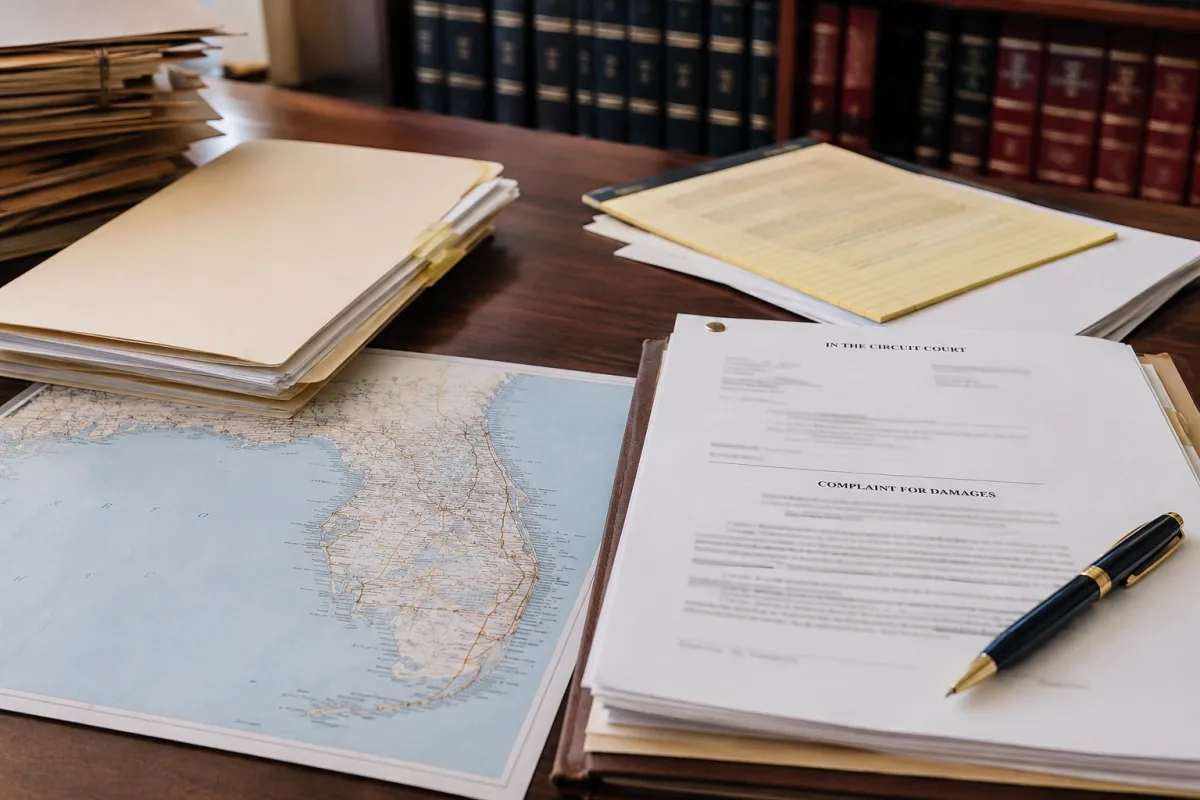
Florida families most often hear about formal administration, summary administration, and disposition of personal property without administration. Formal administration is the full court process, often used for larger estates or complicated assets. Summary administration may fit smaller estates or estates where the person died more than two years ago. Disposition without administration is narrow and usually tied to reimbursement for final expenses.
The Florida Bar's consumer pamphlet on probate in Florida explains these routes in practical language. Read the route descriptions before filling out forms.
Do Not Overuse Summary Administration
Summary administration sounds easier, so families sometimes try to force a case into it. That can backfire if assets, creditor questions, missing heirs, or real estate issues need more formal handling. A shorter process is useful only when it fits the facts. If a title company, bank, or buyer needs different authority, the cheaper filing may not solve the practical problem.
Before choosing summary administration, ask what asset needs to move, who must sign, whether creditors are still inside a claim period, and whether every beneficiary is known and cooperative.
Locate The Will
If there is an original will, Florida law expects it to be deposited with the clerk after death. Do not mark it, remove staples, or write notes on it. The court usually wants the original document, not a copy, unless a lost-will process applies.
A will does not avoid probate by itself. It tells the court who should receive probate property and who may serve, but the court still needs to admit it and give authority to the personal representative when formal administration is used.
If There Is No Will
When there is no valid will, the estate is usually handled as intestate. That does not mean the first relative who arrives can take property. Florida law decides who inherits, and the court still has to give someone authority to act for the estate. Spouses, children from different relationships, adopted children, and deceased heirs with descendants can make the family tree more complicated than it looks at first.
For this reason, write down the family structure before filing: surviving spouse, all children, deceased children and their descendants, parents, siblings, and any person who may claim an interest. Guessing about heirs can create bad notices and later challenges.
Identify The Petitioner
The petitioner is the person asking the court to open the case. In formal administration, the petition often asks the court to appoint a personal representative. Florida has rules on who can serve, and nonresidents face limits unless they have certain family relationships to the deceased person.
Questions about who should serve are common. Livecub's questions to ask an estate lawyer can help families prepare for that first attorney call.
Gather The Opening Papers
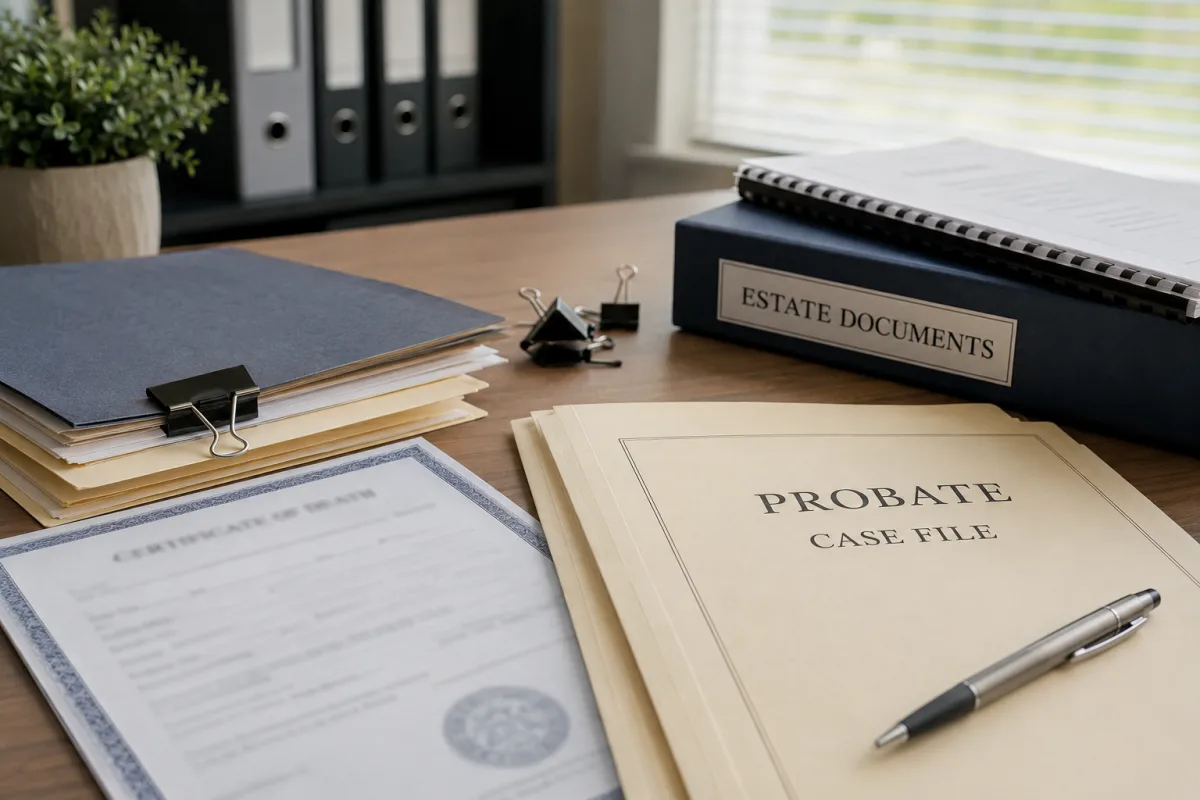
Typical opening materials may include a petition, death certificate, original will if one exists, oath or acceptance by the proposed personal representative, proposed orders, and information about heirs or beneficiaries. Summary administration uses different papers than formal administration. Local clerk sites often publish checklists.
Florida's Probate Code, including Chapter 733, is the statutory backbone for administration. The statutes are not a substitute for counsel, but they show why details matter.
File With The Clerk
Once the packet is ready, file it with the clerk for the correct county and pay the filing fee. Many Florida filings are handled through e-filing, though self-represented people should confirm the clerk's current process. Keep stamped copies and all receipt numbers.
If the estate includes real property, homestead status should be discussed early. Florida homestead can change creditor rights, who receives property, and what order the court needs.
Wait For Court Authority
Do not start selling estate assets or distributing money just because a relative says you are in charge. In formal administration, authority usually comes from letters of administration after the court appoints a personal representative. Banks, title companies, and buyers often require those letters.
If someone had power of attorney before death, that authority ended at death. Livecub's power of attorney revocation article is separate, but the key probate point is simple: after death, court or trust authority controls.
Notify Interested People
Probate requires notice to people with legal interests, such as beneficiaries, heirs, and sometimes creditors. Notice problems can slow the case or create disputes later. Names, addresses, family relationships, and beneficiary information should be checked before filing.
If family members disagree about the will, assets, or who should serve, do not treat probate forms as a private paperwork exercise. A contested matter can become litigation.
Handle Creditors Carefully

Florida probate includes creditor claim procedures. The personal representative may need to publish notice and serve known or reasonably ascertainable creditors. Paying bills casually from estate funds can create priority problems.
Medical debt and spouse liability questions are sensitive. Livecub's surviving spouse medical bills article can help frame the issue before legal advice.
Create An Estate Inventory
An inventory lists probate assets and values. Bank accounts, vehicles, real estate, personal property, refunds, and claims owed to the deceased person may belong on it. Nonprobate assets should be tracked too, but they may not be reported the same way.
Use date-of-death values where required. Guessing can affect taxes, accounting, and beneficiary disputes.
Do Not Distribute Too Early
Beneficiaries may want money fast, especially after a long illness or funeral costs. The personal representative has to respect court orders, creditor periods, taxes, expenses, and accounting duties. Early distributions can become personal risk if the estate later lacks cash.
Funeral cost questions can be emotional. Livecub's SSI funeral benefits article may help families separate benefit questions from probate duties.
Close The Estate
Closing usually requires final accounting or waivers, proof that debts and expenses were handled, distribution records, and a petition for discharge in formal administration. Summary administration has a different ending. Keep records even after the court closes the case.
The cleanest probate files are boring: clear authority, careful notices, documented expenses, and no side deals.
Frequently Asked Questions
Can I file probate in Florida without a lawyer?
Some simple matters may be filed without counsel, but formal administration usually requires a Florida attorney for the personal representative.
How long does Florida probate take?
Simple cases may take months. Contested estates, real estate sales, creditor issues, or tax matters can take longer.
Where do I file probate?
Usually in the county where the person lived at death, or through ancillary probate if a nonresident owned Florida property.
Does a will avoid probate?
No. A will directs probate property, but the court may still need to admit the will and appoint authority.
What should I do first?
Find the death certificate, original will, asset list, county, and possible beneficiaries, then confirm which probate route fits.
The Practical Order
File probate in Florida by confirming probate is needed, choosing the county and probate type, locating the will, preparing the correct petition, filing with the clerk, waiting for court authority, notifying interested parties, handling creditors, and closing the estate with records intact.

Patrick Harwood
Edits sports, consumer-finance and general legal explainers. Regulated or time-sensitive topics link to primary sources and are not professional advice.


Leave a reply
Replying to