
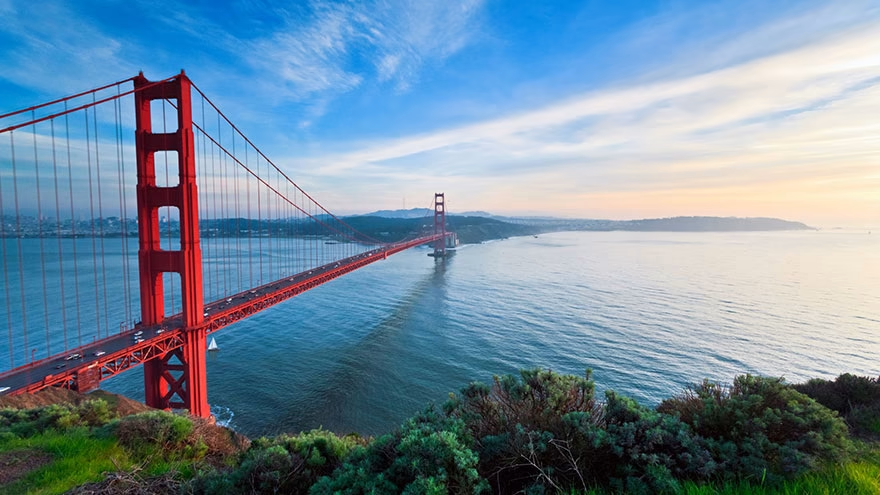
San Francisco Rewards Neighborhood Travel
How to visit San Francisco well starts with accepting the city's shape. It is compact on a map, but hills, water, fog, transit transfers, and parking rules make scattered plans tiring.
Plan by neighborhood or corridor instead of by isolated attractions. A good day might stay around the waterfront, another around Golden Gate Park, and another around the Mission, Castro, and nearby hill views.
San Francisco is better when you stop zigzagging. Fewer areas per day usually means more time actually seeing the city.
Decide Early About Transit
Most city-focused visitors do not need a rental car every day. SFMTA's Visitor Passport page explains pass options for Muni, including cable cars, historic streetcars, buses, and Muni Metro for consecutive days.
Compare passes against the actual itinerary. A cable car ride plus several Muni trips can make a pass useful, but a mostly walking day may not need one.
If you arrive by ship or plan a waterfront day, Livecub's How to Identify Cruise Lines by Their Smoke Stacks fits the same planning issue: arrival logistics shape the first hours of the trip.
Use Free National Park Sites as Anchors
Golden Gate National Recreation Area is one reason San Francisco can feel bigger than a city trip. The National Park Service fees page notes that the recreation area generally does not charge entrance fees, except for Muir Woods, while some special fees may apply.
That opens up Crissy Field, Lands End, Ocean Beach edges, the Presidio, and many bridge-view walks as major itinerary pieces. These places give the trip space, air, and views without needing a ticket for every hour.
Bring a layer even on a bright morning. The coast and bridge areas can feel colder than the neighborhood where you started.
Plan the Classic Sights Without Rushing
Golden Gate Bridge, Alcatraz, cable cars, Chinatown, North Beach, Fisherman's Wharf, Golden Gate Park, and the Painted Ladies can all fit into a trip, but not all into one relaxed day.
Choose one paid or timed anchor per day. Alcatraz, a museum, or a tour can decide the schedule. Then build free walks, meals, and transit around it.
For scenic-route thinking, Livecub's Waterfalls on Skyline Drive in Virginia shows why the route itself can be part of the attraction.
Make Food Part of the Route
San Francisco is a food city, but eating well does not mean chasing every famous stop. Pick neighborhoods where food and sightseeing support each other: North Beach with Chinatown, the Mission with Dolores Park, the Ferry Building with the Embarcadero, or Inner Sunset with Golden Gate Park.
San Francisco Travel's official visitor site is useful for checking current visitor information, neighborhood ideas, and event context before committing to a route.
Do not let food become a second itinerary. A good meal near the day's route is often better than a famous meal that costs an hour each way.
Handle Weather Like a Local Problem
Weather changes quickly between neighborhoods. A warm Mission afternoon can become a windy bridge walk. A foggy morning at the coast can turn into a clear inland lunch.
Dress in layers, carry water, and keep a hat or light jacket handy. If bridge views are clear, take them. If fog wins, shift to neighborhoods, museums, markets, or parks where the mood still works.
Fog is not a failed visit. It is part of the place, but it should not be the only plan.
Choose Lodging by Access, Not Only Price
A cheaper room can cost more if it sits far from transit or requires expensive rides late at night. Compare the rate with airport access, Muni or BART routes, neighborhood comfort, parking fees, and the places you actually want to see.
If you stay outside the city, build the trip around the arrival point. Do not assume you can easily pop back to the room between sights.
For another travel guide built around compact stops, Livecub's Top 5 Places to See In Petoskey, Michigan shows how lodging and route choices shape the whole day.
Protect One Slow Hour Each Day
The city can overload visitors: hills, crowds, wind, transit noise, lines, and food decisions. Build one slow hour into each day for a park bench, waterfront view, cafe pause, bookstore, or unplanned walk.
This is not wasted time. It keeps the rest of the itinerary from feeling like a checklist.
If you enjoy unusual landscapes, Livecub's How to Visit the Spiral Jetty on Utah's Great Salt Lake makes the same point in a different setting: travel feels better when effort and rest are both planned.
Leave the Car Out When Possible
Parking can be expensive, scarce, and stressful. If your trip includes wine country, redwoods, or other day trips, rent a car only for that portion if it makes sense.
Within the city, walking, Muni, BART for some routes, ferries, and occasional rideshare can be simpler than moving a car between neighborhoods.
For road-trip planners, Livecub's Things to See Around Laughlin, Nevada is a useful contrast because some places are built for driving. San Francisco usually is not.
Use a Three-Day Shape for a First Visit
A first day can focus on arrival, the waterfront, North Beach, Chinatown, and a cable car if it fits. A second day can lean into Golden Gate Park, the Presidio, bridge views, or Lands End. A third day can cover the Mission, Castro, hill views, and one paid anchor.
This is only a shape, not a command. The point is to keep each day geographically sensible and emotionally different. One day can be classic, one can be outdoors, and one can be neighborhood-driven.
Do not schedule the hardest hill after the longest line. The order matters as much as the list.
Book Timed Items Before Filling the Day
Alcatraz, popular museum entries, special tours, and some restaurant plans can require advance booking. Put those fixed times on the calendar first, then add flexible walks and food around them.
Leave transit buffers before ferries, timed entries, and evening events. San Francisco rewards people who move steadily; it punishes people who assume every transfer will be instant.
A flexible day still needs a few anchors. The trick is knowing which parts cannot move.
Keep Safety Practical, Not Dramatic
Use ordinary city awareness. Do not leave bags visible in a car, keep phones and wallets secure in crowds, know how you will return at night, and avoid turning unfamiliar late-night walks into experiments.
Most visitors do fine with calm attention and sensible routing. Fear does not improve a trip, but neither does ignoring basics.
Use Ferries and Viewpoints for Breathing Room
A ferry ride, waterfront walk, or hill viewpoint can give the trip a pause without leaving the city rhythm. These moments matter because San Francisco sightseeing can otherwise become a chain of lines, transfers, and steep walks.
Build one view into the day but do not chase every view. Twin Peaks, Coit Tower area, the Presidio, Crissy Field, and hill parks can all be good, but the right choice depends on weather and location.
One clear view can carry the day. The rest of the itinerary does not need to compete with it.
Keep Evenings Close to the Route
At night, choose dinner or a final walk near your lodging or a direct transit line. A long cross-town return feels different after hills, wind, and a full day on foot.
If you want nightlife, plan the return before you go out. If you want a quiet trip, do not apologize for ending with a simple meal and an early night.
A strong San Francisco visit is not about seeing every famous name. It is about choosing a few areas well, respecting the weather, using transit wisely, and letting the city feel like a place rather than a list.
Frequently Asked Questions
How many days do I need in San Francisco?
Three full days gives most first-time visitors enough time for major sights, neighborhoods, views, food, and one slower day.
Do I need a car in San Francisco?
Usually not for city sightseeing. Parking is often costly, and transit plus walking works well for many routes.
What should I pack?
Pack layers, walking shoes, water, a small bag, and a flexible plan for fog, wind, and hills.
Is Alcatraz worth booking?
Many visitors enjoy it, but book early and plan the rest of the day around the ferry time.
Chiara Bradshaw
Covers education, culture and creative topics with an emphasis on readable explanations and verifiable references.


Leave a reply
Replying to