
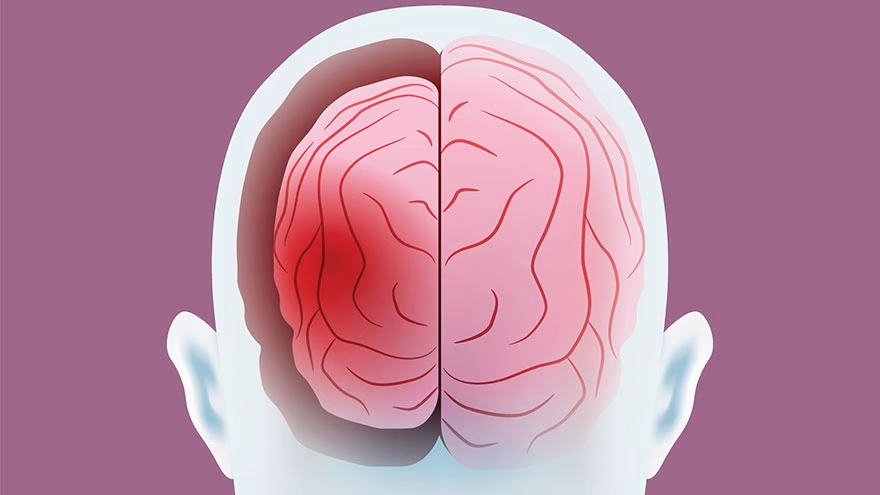
A temporal lobe lesion is a medical finding, not a full diagnosis by itself. The effects depend on what caused the lesion, where it sits, how fast it changed, and what symptoms are happening now.
Start With Location And Cause
The temporal lobes help with hearing, language processing, memory, emotion, and parts of visual recognition. A lesion in that area can disturb one function, several functions, or none that a family notices right away.
MedlinePlus explains that brain diseases can affect memory, speech, thinking, movement, and body functions: MedlinePlus brain diseases. That broad point is why the scan result needs medical context.
A report may describe a mass, scar, stroke change, infection, inflammation, bleeding, or another abnormality. Those words do not all carry the same risk or treatment path.
Ask whether the finding is new, old, growing, shrinking, or uncertain. The answer shapes the urgency of follow-up.
Track The Symptoms

A temporal lobe problem can show up as memory gaps, trouble naming objects, speech comprehension problems, mood shifts, unusual smells, deja vu, confusion spells, or seizure-like episodes.
MedlinePlus lists focal seizure symptoms such as blackout spells, memory loss, deja vu, mood changes, and temporary inability to speak: MedlinePlus focal seizure.
Write down what happened before, during, and after an episode. Include sleep, missed medicine, alcohol, fever, stress, and how long recovery took.
Do not assume a mood or speech change is personality. Sudden or worsening changes deserve medical review.
Ask What The Scan Says
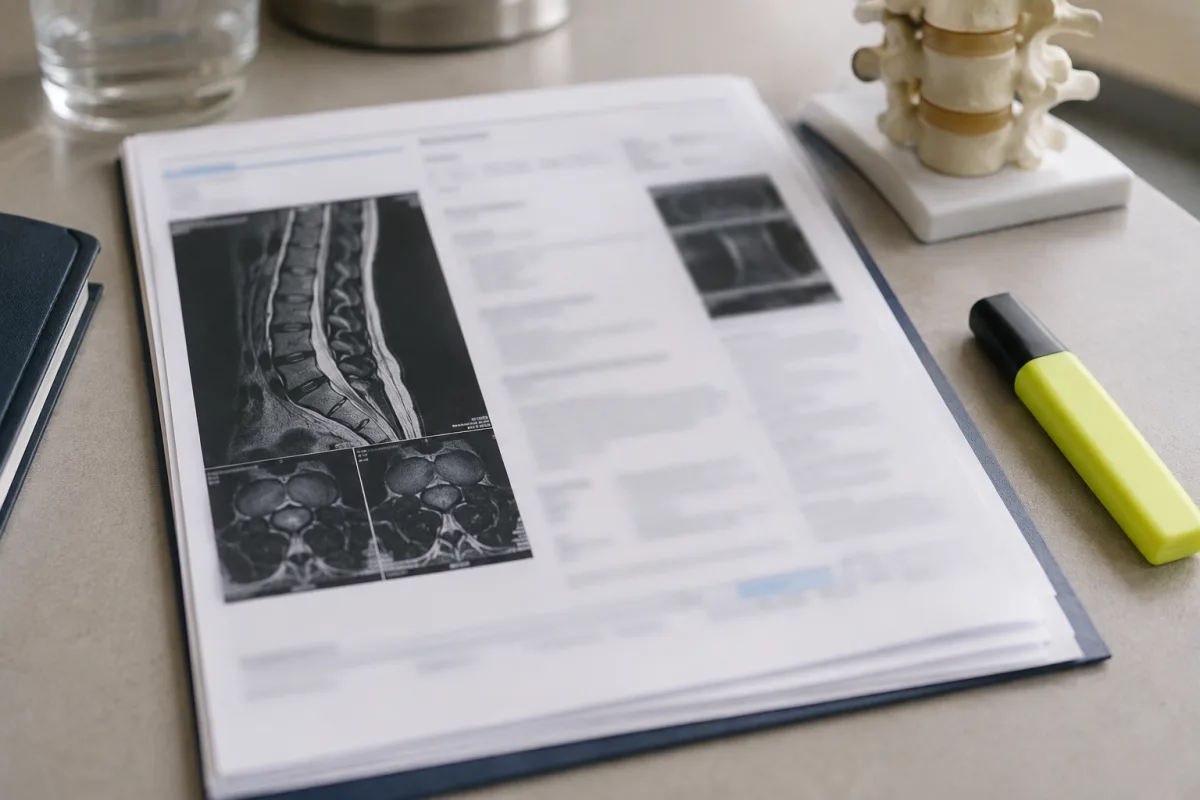
The words left, right, anterior, mesial, mass effect, edema, enhancement, and stable can all matter. Ask the clinician to translate the report into plain language.
NCBI Bookshelf notes that temporal lobe seizure conditions can involve memory, sleep, anxiety, depression, and mood changes: NCBI Bookshelf mesial temporal lobe epilepsy.
If a tumor is suspected, ask what kind of specialist should review the case and whether repeat imaging, biopsy, surgery, medicine, or observation is being considered.
If stroke or infection is suspected, the questions change. The cause matters as much as the location.
Plan Help At Home
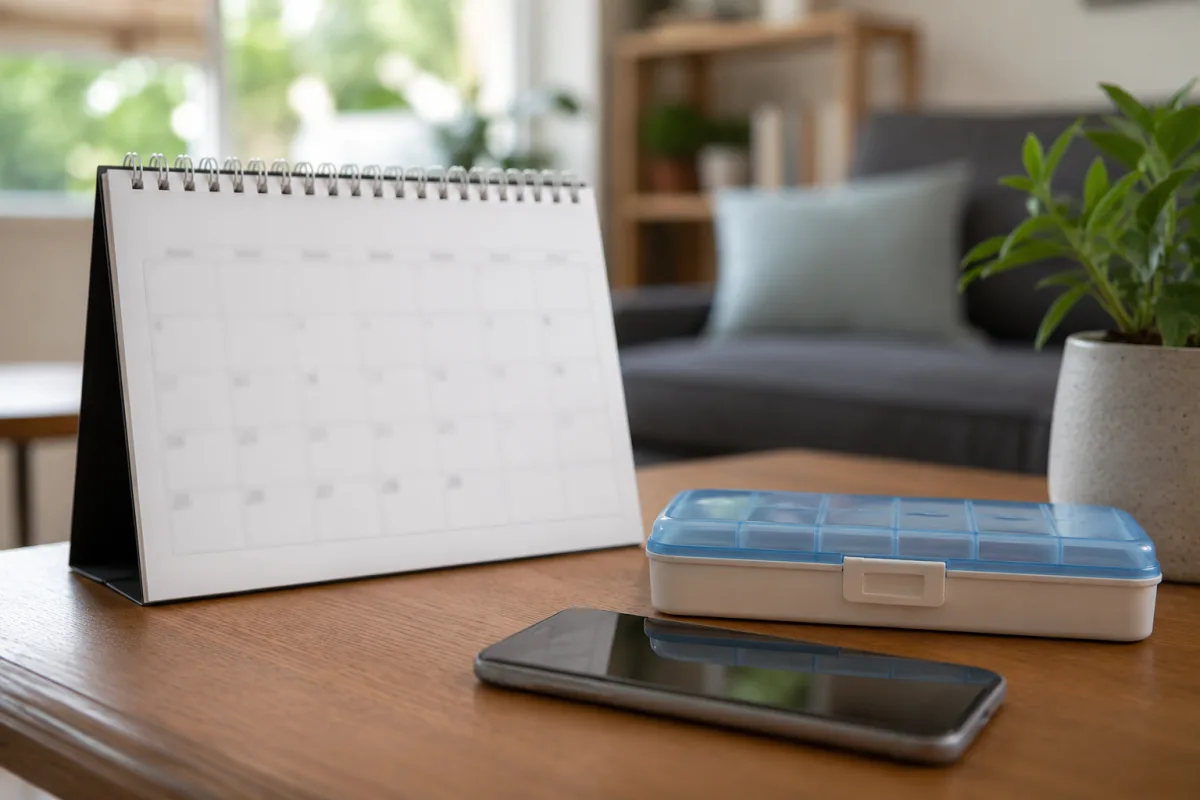
Home support should be practical: appointment rides, medication reminders if prescribed, seizure notes, a calendar, and a safe way to share scan reports with the care team.
Ask about driving, bathing alone, swimming, cooking, power tools, heights, and work duties if seizures, confusion, or blackouts are possible.
Family members should know the emergency plan. New seizure, severe headache, sudden weakness, trouble speaking, or loss of consciousness is not a wait-and-see situation.
The person with the lesion still deserves privacy and respect. Help should lower risk without taking over every choice.
If the scan raises tumor questions, causes of gliomas is a related Livecub health topic to read with medical guidance.
For a serious brain tumor context, untreated glioblastoma prognosis shows why prognosis language should stay careful and specific.
Symptoms can come from many causes, and metastatic bone cancer symptoms is another example where urgent changes need professional care.
Do Not Guess From Location Alone
For temporal lobe lesion effects, location matters, but it is not the whole diagnosis. A lesion can have different effects depending on cause, size, growth, swelling, bleeding, seizure activity, and the person's baseline.
The same temporal lobe label can appear in records for injury, stroke, infection, inflammation, tumor, epilepsy workup, or an old finding. The medical report should name what is known and unknown.
Ask the clinician to explain the scan wording in plain language: where the lesion is, what it may affect, what follow-up is planned, and what symptoms require urgent care.
Track Daily Changes
Families can help by recording changes in memory, speech, comprehension, mood, sleep, smell, hearing, vision, balance, headaches, seizure-like spells, and daily function.
Write the date, time, duration, and recovery after each episode. A short factual note is more useful than a dramatic description that leaves out the timing.
Bring medication lists, prior scans, lab results, seizure logs, and hospital discharge papers to appointments. Missing records can slow the next decision.
Protect Safety At Home
If seizures, confusion, blackouts, or judgment changes are possible, ask about driving, cooking alone, ladders, swimming, alcohol, sleep loss, and work safety.
Caregivers should know when to call emergency services. New weakness, severe headache, trouble speaking, seizure, loss of consciousness, or sudden behavior change can be urgent.
Support at home should preserve dignity. Help with calendars, pill boxes, rides, and notes without treating the person as if every choice has been lost.
Prepare Appointment Questions
Ask what the lesion may affect, what symptoms fit the location, what symptoms do not fit, and what test or specialist is next.
Ask whether the plan is watchful waiting, medicine, seizure care, repeat imaging, biopsy, surgery, radiation, therapy, or another path. The answer depends on the diagnosis.
End the visit by repeating the next step, the warning signs, and who to call after hours. That short repeat can prevent confusion later.
Pair Symptoms With Evidence
A symptom note is most useful when it connects what happened with the evidence already available. Pair the episode with the scan date, medication change, sleep pattern, fever, or injury if one exists.
Do not turn that note into a diagnosis. The point is to give clinicians a cleaner view of timing and pattern.
If symptoms are getting more frequent, longer, or harder to recover from, say that clearly when calling. Change over time can matter as much as the symptom itself.
If nothing has changed, that is useful too. Stable function can help the care team decide what follow-up is reasonable.
Support Communication
Brain-related visits can be hard because the person may be tired, anxious, or dealing with memory and language changes. A support person can take notes if invited.
The support person should ask before answering. Helping is different from speaking over the patient.
Use direct questions: What did the scan show? What cause is most likely? What symptoms should send us to urgent care? When is the next test?
At the end, repeat the plan aloud. The clinician can correct any misunderstanding before the family leaves.
Know When The Plan Changes
A plan can change after new symptoms, repeat imaging, lab results, medication side effects, or a specialist visit. Keep the latest version easy to find.
If an old plan conflicts with new symptoms, call. Do not rely on a months-old instruction when the situation has changed.
Store scan reports, images, discharge papers, and medication lists together. Care is faster when records are not scattered.
The most useful home role is steady observation, timely calls, and respect for the person's dignity.
Use A Short Checklist
Before the next call or visit, write the symptom, start time, duration, recovery, medicine changes, and anything that made it better or worse.
Keep scan reports and images together if possible. A report without the image may be less useful to a specialist.
Ask who owns the next step: primary doctor, neurologist, neurosurgeon, oncologist, emergency department, or imaging center.
Write down which symptoms require urgent care and which symptoms can wait for the office. That distinction lowers panic and delay.
If communication is hard, ask permission to bring one support person who can listen and take notes.
After the visit, update the medication list and the follow-up date before the paperwork gets lost.
Before The Next Appointment
Before the next visit about temporal lobe lesion effects, write down the top three changes you have seen, the top three questions, and the records you still need.
If symptoms are new or sudden, do not wait for a routine appointment. Emergency signs need urgent care, even when an appointment is already scheduled.
A clear record helps the clinician. It also helps family members avoid arguing from memory when everyone is tired or worried.
If the medical words are unclear, ask for the plain-language version and write it down before leaving.
Frequently Asked Questions
What is the first step for temporal lobe lesion effects?
Ask the clinician what the finding means, what symptoms fit it, and what follow-up is planned.
When is it urgent?
New seizure, sudden weakness, severe headache, trouble speaking, fainting, confusion, chest pain, or trouble breathing needs urgent care.
What should families track?
Track memory, speech, mood, sleep, headaches, seizure-like spells, medicines, scan dates, and changes in daily function.
Can online information diagnose the cause?
No. Imaging, exam findings, history, and sometimes lab or pathology results are needed.
What should I bring to a visit?
Bring prior scans, reports, medication lists, symptom notes, hospital papers, and questions in writing.
This article is for general information only and is not medical advice. Brain symptoms, diagnosis, treatment, exercise limits, medication use, and pregnancy questions need a qualified clinician or urgent care when symptoms are severe.

Cashie Evans
Covers parenting and practical household topics with clear steps, safety notes and links to current guidance.




Leave a reply
Replying to