
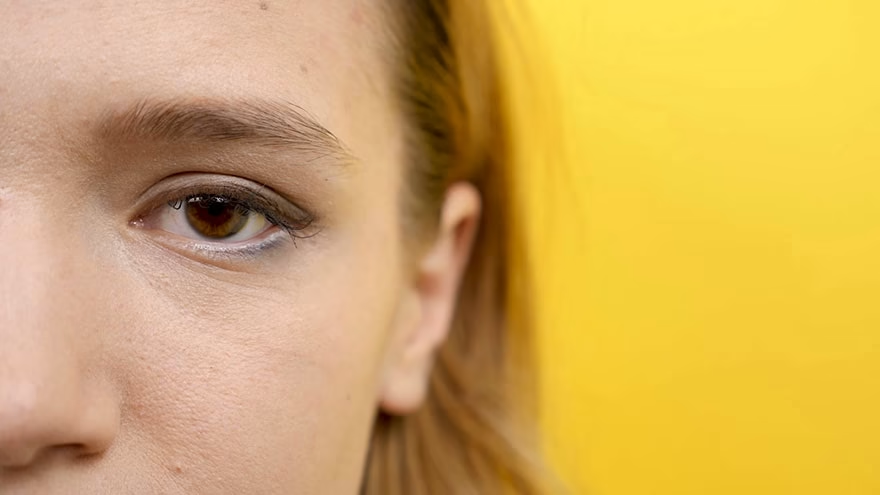
The Types of Blinking are easier to understand when you separate normal blinking from excessive blinking and eye spasms. Blinking protects the eye, spreads tears, clears irritants, and can also communicate emotion or intention.
Most blinking is automatic, but some blinking is voluntary, reflexive, incomplete, or linked with irritation, anxiety, dry eye, vision strain, tics, or eyelid spasm.
Spontaneous Blinking
Spontaneous blinking is the automatic blink that happens without a clear trigger. It keeps the eye surface moist and helps spread the tear film.
Cleveland Clinic describes blinking as a natural reflex your body uses to keep eyes lubricated and healthy: Cleveland Clinic blinking overview.
Reflex Blinking

Reflex blinking happens in response to a trigger: bright light, dust, wind, an object near the eye, or sudden irritation.
This blink is protective. If a foreign body, chemical, or injury is involved, flushing or urgent eye care may be needed depending on the situation.
Voluntary Blinking
Voluntary blinking is blinking on purpose. People do it to reset focus, communicate, moisten the eyes, or follow a clinician's blink exercise.
A deliberate blink can help during screen work because many people blink less fully when staring at a device.
Incomplete Blinking
An incomplete blink does not fully close the lids. That can leave part of the eye surface less protected and may worsen dryness for some people.
If dryness, burning, or blurry vision appears during screen time, ask an eye clinician about dry eye and blink habits.
Dry Eye Blinking
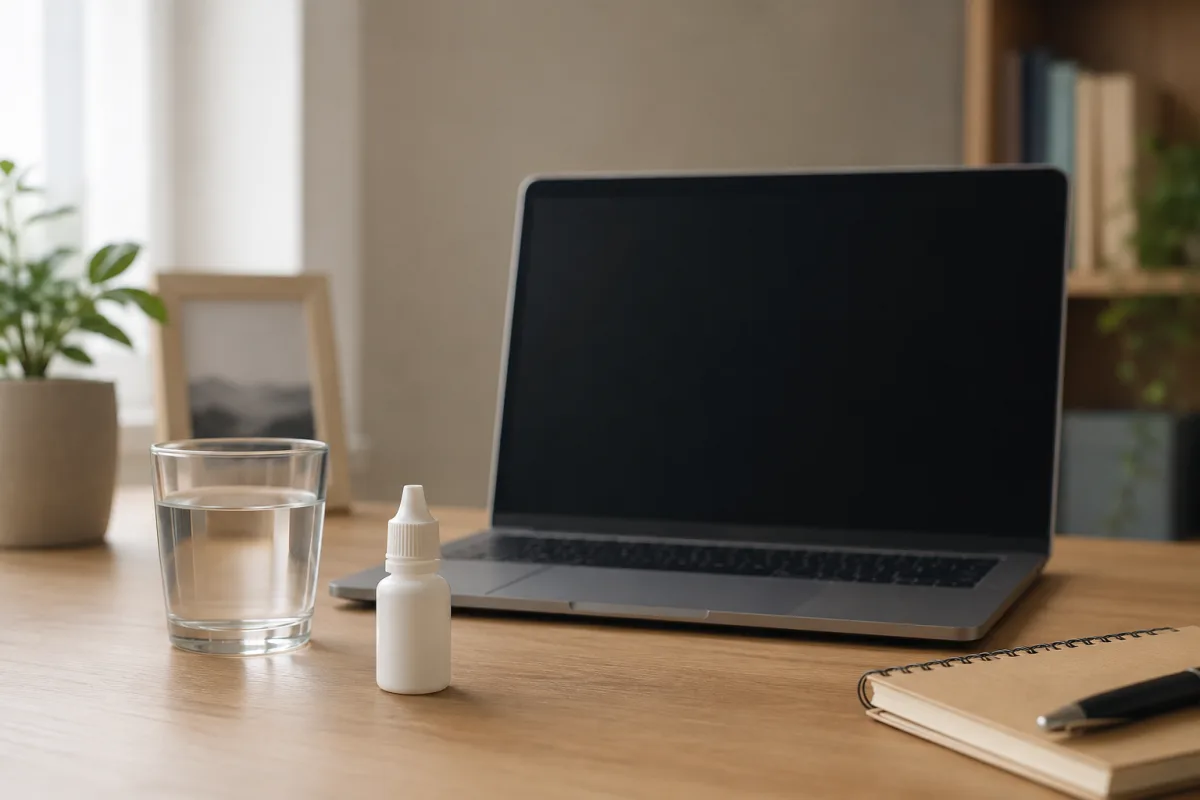
Dry eye can make people blink more because the surface feels gritty, burning, or unstable. The extra blinking is often the body's attempt to rewet the eye.
The American Academy of Ophthalmology explains dry eye as not producing enough tears, not making the right type of tears, or tears drying out too fast: AAO dry eye overview.
Excessive Blinking
Excessive blinking can come from allergies, dry eye, irritation, vision problems, stress, anxiety, tics, or habits. Children may blink more for reasons that are not serious, but persistent changes should be checked.
Cleveland Clinic lists debris, allergies, dry eye, and vision problems among common reasons children blink a lot. Pain, redness, discharge, or vision change deserves eye care rather than guessing.
Blepharospasm
Blepharospasm is not just frequent normal blinking. It involves involuntary eyelid spasms that can force the eyes closed.
Cleveland Clinic explains blepharospasm as rapid, uncontrolled spasms of muscles around the eyes: blepharospasm overview.
Anxiety Blinking
Some people blink more when nervous, watched, tired, or under pressure. The blinking may become more noticeable because the person starts monitoring it.
If blinking spikes during performance fear, Livecub's stage fright guide may help with body-calming tools.
Vision And Focus
Blinking can increase when someone struggles to focus, squints, tilts the head, or sits too close to screens or books. Eye strain can look like a blinking habit.
A vision screening is reasonable when blinking comes with headaches, squinting, reading trouble, or complaints that words blur.
Tracking Blinks
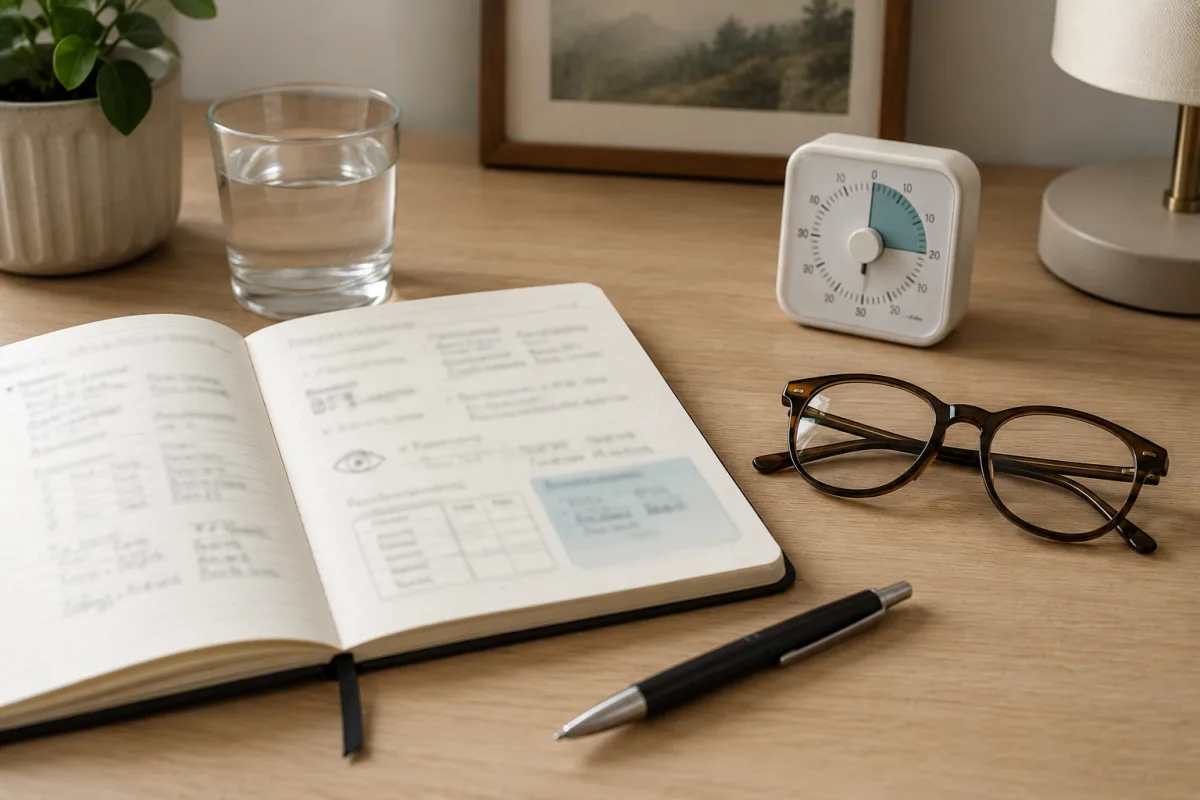
A short symptom log can help: date, screen time, sleep, allergies, stress, eye redness, pain, discharge, and what made it better or worse.
Livecub's food journal guide is about eating patterns, but the same dated-note structure works for eye symptoms.
Children And Tics
Some blinking in children may be a tic. Tics often rise with stress, excitement, fatigue, or attention and may fade over time.
Do not punish a child for blinking. If it persists, affects school, includes pain, or comes with other movements or sounds, ask a clinician.
When To Get Care
Get eye care for pain, injury, chemical exposure, vision loss, light sensitivity, discharge, severe redness, eyelids forced shut, or blinking that keeps getting worse.
If anxiety or silence around school is part of the pattern, Livecub's selective mutism guide may be useful alongside medical evaluation.
Screens And Blink Rate
During close screen work, many people stare longer and blink less fully. The eyes may feel worse after the task because the surface dries.
Use breaks, look across the room, and blink fully a few times before symptoms build.
Communication Blinks
People also blink for social reasons: a wink, a deliberate pause, or a blink that shows discomfort or disbelief.
Social blinking is different from a new pattern with pain, redness, or vision change.
Notice The Whole Eye Picture
Blinking rarely tells the full story by itself. Redness, itching, burning, watery eyes, crusting, pain, headache, squinting, light sensitivity, and blurry vision help separate a harmless habit from a problem that needs care.
For children, watch behavior too. Sitting close to screens, avoiding reading, rubbing the eyes, losing place on a page, or complaining after school may point toward vision strain or irritation rather than a choice to blink.
What A Clinician May Ask
An eye clinician may ask when blinking started, whether it happens in sleep, what triggers it, and whether both eyes are involved. They may also ask about allergies, medicines, screens, stress, tics, and recent illness.
Those questions are not small talk. They help sort surface irritation, eyelid spasm, tic patterns, dry eye, and vision issues. Bringing a short note can make the appointment more useful than trying to remember every detail.
Do Not Overcorrect Every Blink
Repeatedly telling someone to stop blinking can make the blinking more noticeable and stressful, especially for children. If the cause is irritation, shame will not fix the eye. If the cause is a tic, attention can make it worse.
A calmer response is to look for patterns, reduce obvious triggers, and book care when symptoms persist. Keep the child from feeling watched every minute, because monitoring can become its own source of pressure.
Small Comfort Steps
Simple steps may help while you wait for advice: screen breaks, avoiding smoke, using proper lighting, staying hydrated, and not rubbing the eyes hard. Contact lens users should follow their eye care instructions closely.
These steps are not a diagnosis and they do not replace care for pain or vision change. They are basic comfort habits that reduce strain while you watch the pattern with a clear head.
Normal Blinking Changes By Situation
Blinking can change with reading, driving, bright light, dry rooms, allergies, fatigue, and emotional stress. A person may blink less while concentrating and more after the eyes start feeling dry or strained.
That is why a single minute of watching someone blink is not enough to explain the pattern. Look at the setting, timing, comfort level, and any other symptoms before deciding the blinking is only a habit.
Medication And Health Clues
Some medicines, neurologic conditions, allergies, and skin problems around the eyelids can change blinking. So can contact lens discomfort or an old eye injury that becomes irritated again.
This does not mean every blink has a serious cause. It means a persistent change deserves context. If blinking arrives with new facial movements, headaches, balance trouble, or vision changes, the next step should be medical advice.
For Parents Watching A Child
Parents usually notice blinking during homework, screens, meals, or bedtime because those are quiet moments. Before correcting the child, check for rubbing, red lids, light sensitivity, squinting, or complaints that the eyes feel scratchy.
If the child seems unaware of the blinking, repeated reminders may only add embarrassment. A better plan is to note the pattern, reduce obvious irritants, and arrange an exam if it does not settle or if warning signs appear.
When A Log Helps The Visit
A blink log does not need medical language. Write the time, what the person was doing, eye comfort, screen use, allergy symptoms, stress level, and whether blinking happened in one eye or both.
Bring the pattern, not a theory. The clinician can do more with a clear week of observations than with a confident guess that misses dryness, vision strain, or a tic pattern.
Frequently Asked Questions
What are the main types of blinking?
Common types include spontaneous blinking, reflex blinking, voluntary blinking, incomplete blinking, excessive blinking, and spasm-related blinking.
Is blinking good for the eyes?
Yes. Blinking spreads tears, protects the eye surface, clears small irritants, and supports comfort.
Why do I blink more on screens?
Screen use can reduce full blinking and increase dryness or strain, which may lead to extra blinking later.
Can anxiety cause blinking?
Anxiety can increase blinking for some people, but eye irritation, dry eye, vision problems, and tics should also be considered.
When is blinking a medical concern?
Pain, vision changes, severe redness, injury, discharge, forced eyelid closure, or persistent excessive blinking should be checked.
Blinking is usually protective, but the pattern matters. Automatic, reflex, voluntary, incomplete, excessive, and spasm-related blinks point to different next steps.

Olivia Prete
Edits culture and personal-development articles, distinguishing opinion and experience from verifiable claims.



Leave a reply
Replying to