
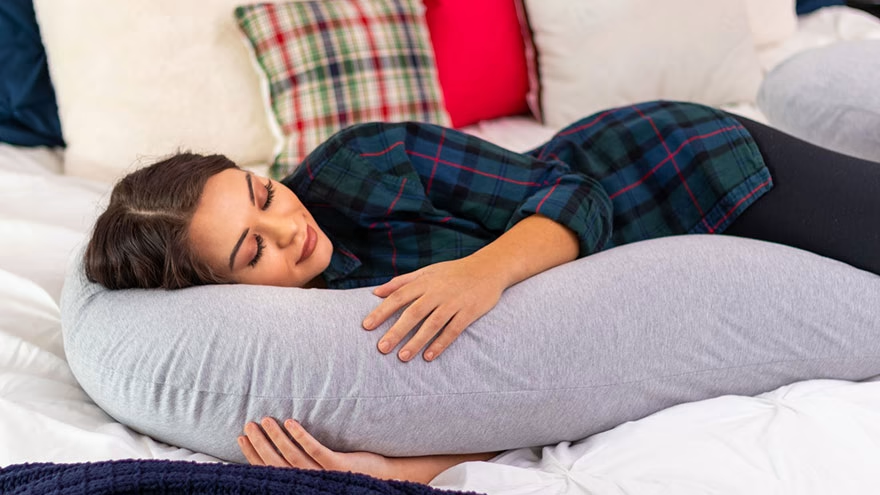
Types of Boppy & Body Pillows can be confusing because the names sound similar, but they solve different problems: feeding support, belly support, back support, side sleeping, or full-body positioning.
A good pillow should make rest easier without creating a new ache. The right choice depends on pregnancy stage, body size, bed space, sleep position, nursing plans, and how much support you actually need.
Boppy Nursing Pillows
A classic Boppy-style nursing pillow is usually C-shaped and sits around the waist. It is mainly designed to bring a baby closer during feeding, not to replace safe sleep surfaces or adult supervision.
During pregnancy, some people use this shape behind the back, under an arm, or between the knees, but it is smaller than a true pregnancy body pillow.
If you plan to breastfeed or bottle-feed, a nursing pillow can be useful after birth. Test whether it sits at the right height for your torso before assuming it will solve every feeding position.
Pregnancy Wedge Pillows
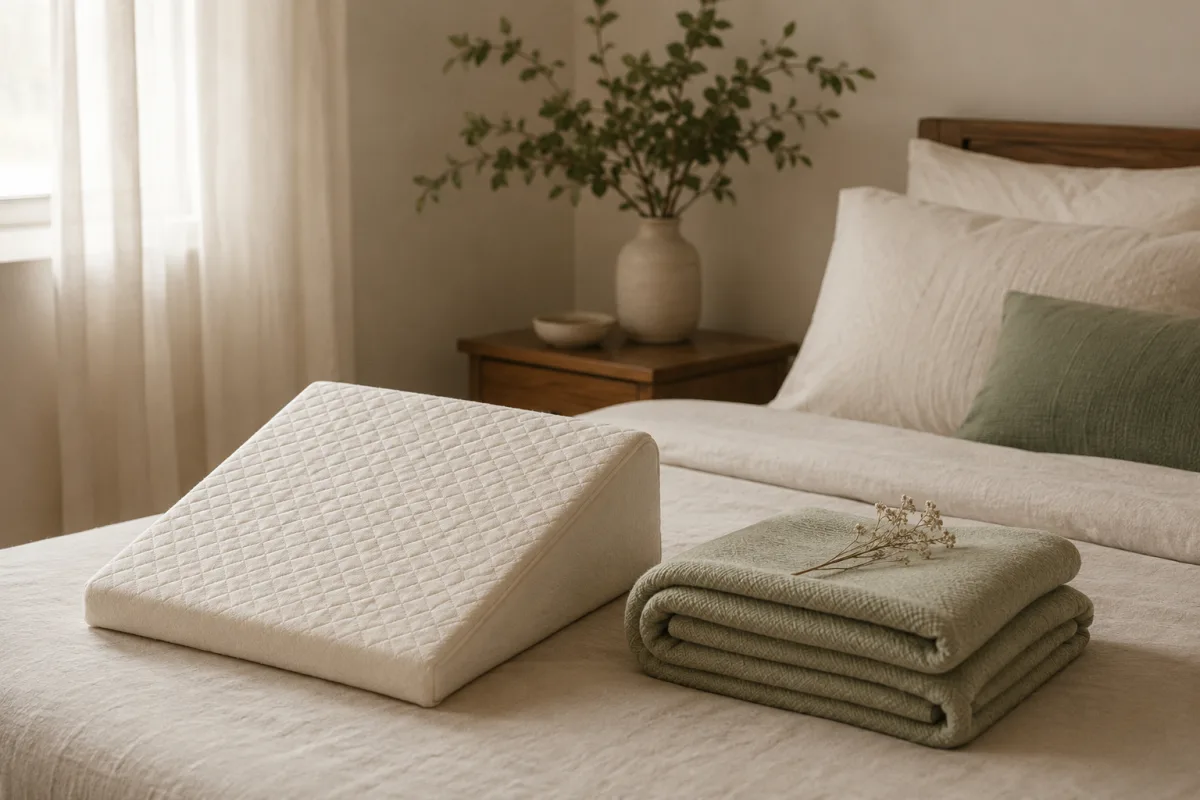
A wedge is small and firm. It can slide under the belly, behind the back, or between the knees without taking over the bed.
Wedges suit people who want targeted support or who share a small bed. They are also easier to move during the night than a long U-shaped pillow.
If reflux or hip pressure is part of the problem, ask your clinician for positioning guidance. A wedge can help comfort, but it should not replace care for severe pain, shortness of breath, or swelling.
Full-Length Body Pillows
A straight full-length pillow runs along the body and can support the arms, knees, and ankles. It is simple, cheaper than many specialty pillows, and easy to repurpose after pregnancy.
The downside is that it does not wrap around the back. If you roll onto your back and wake sore, a straight pillow may not give enough rear support.
ACOG's back pain guidance suggests supportive shoes, posture, and sleeping on the side with a pillow between the knees as ways to reduce pregnancy back pain: ACOG back pain during pregnancy.
C-Shaped Pregnancy Pillows
A C-shaped pillow curves around the head, belly, knees, and sometimes the back. It can feel supportive without the bulk of a U-shaped pillow.
It works well for side sleepers who want belly and knee support but do not need both sides of the body braced at once.
The tradeoff is direction. If you switch sides often, you may need to flip or reposition the pillow, which can be annoying at 3 a.m.
U-Shaped Pregnancy Pillows
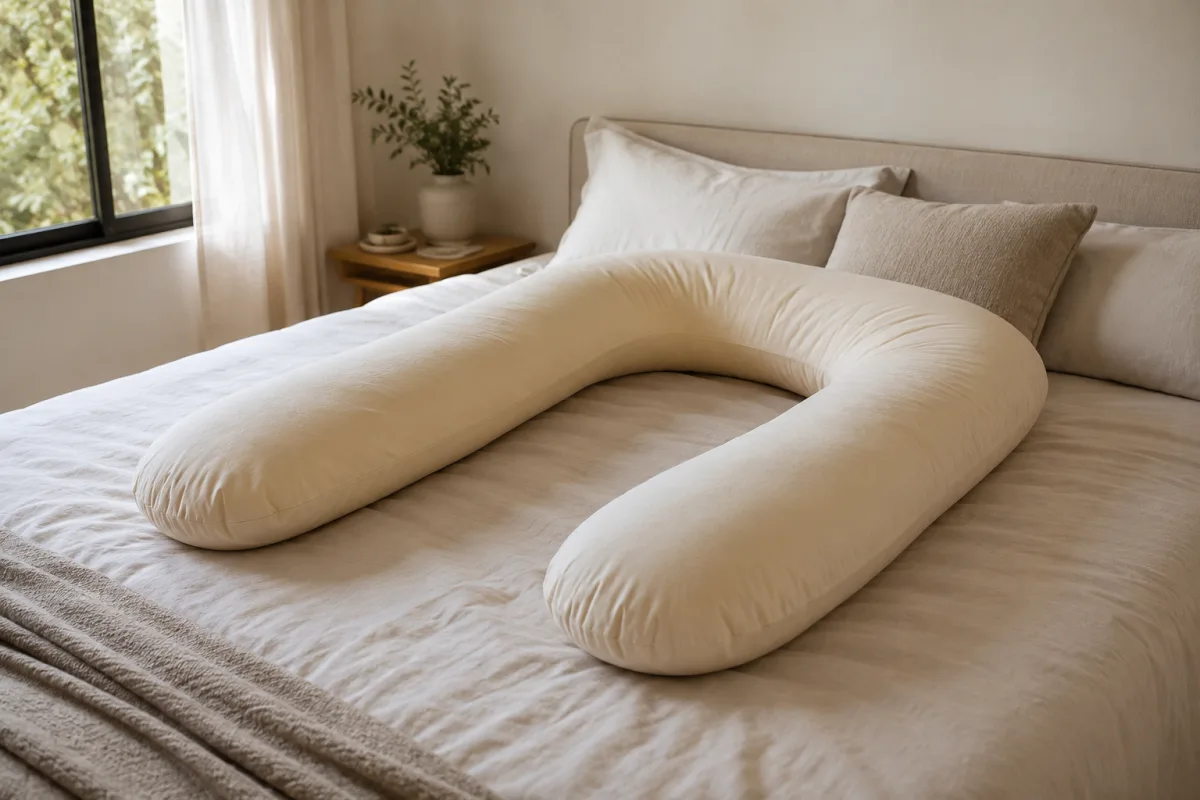
A U-shaped pillow supports both sides of the body. It can be helpful if you turn from left to right during the night and do not want to drag a pillow with you.
It is also the biggest option. A U-shaped pillow can crowd a partner, trap heat, and make getting out of bed slower.
If you already feel overheated in pregnancy, check fabric, fill, and washability before buying the largest pillow available.
Sleep Position And Safety
Many clinicians encourage side sleeping later in pregnancy, especially after the mid-pregnancy point, because lying flat on the back can feel uncomfortable and may affect circulation for some people.
NHS pregnancy guidance says sleeping on the side after 28 weeks is safer than sleeping on the back: NHS tiredness and sleep in pregnancy.
If you wake on your back, do not panic. Reposition on your side and discuss persistent dizziness, shortness of breath, chest pain, or faintness with your clinician.
Fabric, Fill, And Washing
Pregnancy pillows can collect sweat, lotion, milk, spit-up, and dust. A removable washable cover is not a luxury; it is a practical feature.
Memory foam can feel supportive but hot. Polyester fill may be lighter and cheaper. Microbeads can shift easily but may feel noisy or less supportive.
Check seams, zipper placement, and cover texture. A pillow that scratches your face or presses a zipper into your shoulder will not feel like a treat for long.
Fit For Your Body And Bed
Shorter people may feel swallowed by long pillows. Taller people may find small wedges useless. Bed size and partner sleep space matter too.
If hip pain is the main issue, knee and ankle alignment may matter more than belly support. If rib or shoulder pain is the issue, upper-body support may matter more.
If body image or comfort has changed during pregnancy, feeling attractive during pregnancy can help separate normal body change from shame.
Pillows After Birth
After birth, a pregnancy pillow may help with side-lying rest, C-section positioning, or feeding setup, but keep soft bedding away from infant sleep spaces.
Do not use adult body pillows as infant sleep positioners. Babies need a separate safe sleep space that follows current pediatric guidance.
If postpartum rest is already strained by mood symptoms, depression during pregnancy is relevant to discuss with a clinician, even before birth.
How To Choose
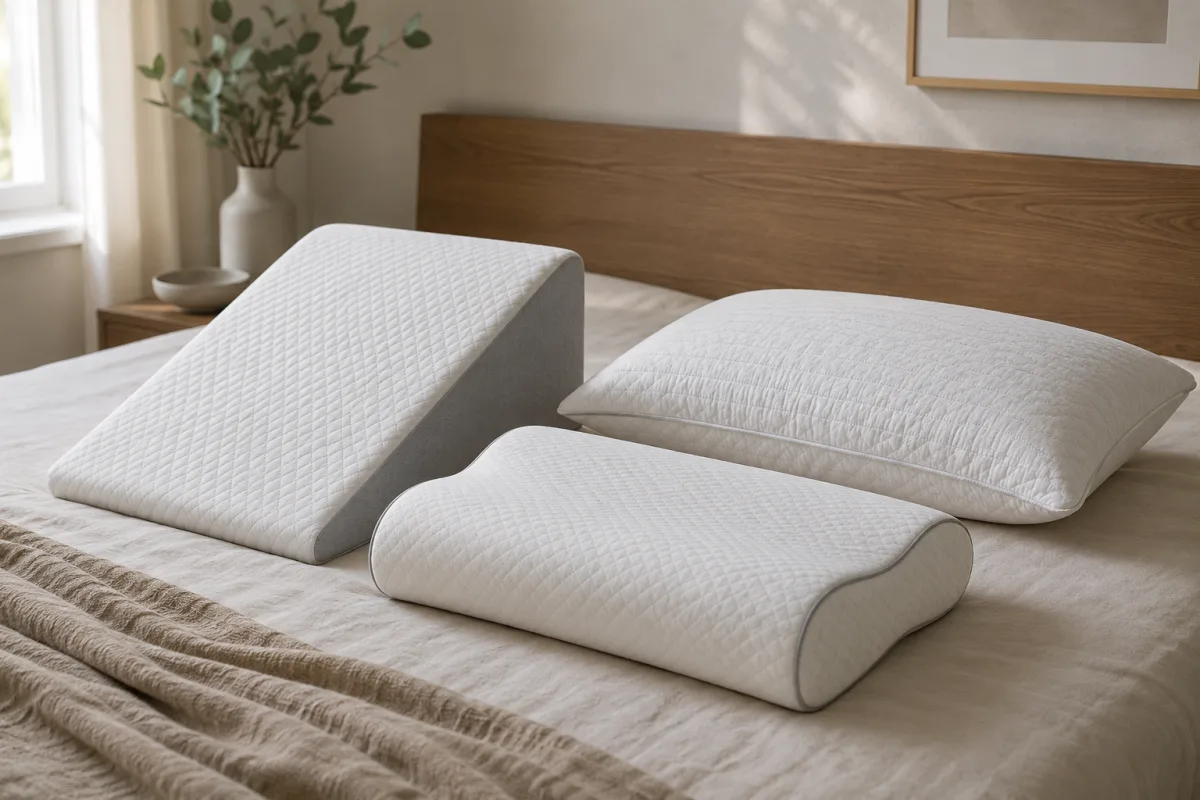
Start with the problem: belly pull, hip pain, back rolling, reflux, nursing support, or general comfort. Then choose the smallest pillow that solves that problem.
Try a regular pillow between the knees first. If that helps but slips, a body pillow may be enough. If you need belly and back support together, look at C or U shapes.
If nausea affects night comfort, bland pregnancy foods may help meal planning, but persistent vomiting or dehydration needs medical care.
If intimacy and bed space are becoming tense, staying intimate during pregnancy may help you talk about comfort without turning the pillow into the argument.
Sizing Mistakes To Avoid
Do not buy only by product photo. Measure your bed, your shoulder-to-knee distance, and the space you need to turn over. A pillow that looks cozy online may feel like furniture in a small bed.
Check height as well as length. A pillow that is too thick between the knees can twist the hips, while one that is too flat may not change alignment enough.
If you sleep hot, choose breathable covers and lighter fill. Pregnancy already raises the chance of night warmth, and a dense pillow can make sleep worse.
Return Policy And Trial Period
Pregnancy comfort changes fast. A pillow that feels perfect at 20 weeks may feel too bulky at 34 weeks, so a real return window has value.
Read the return rule for opened bedding. Some companies accept returns only if the pillow is unused, which is not much of a trial.
If possible, start with a pillow that can be repurposed for feeding, reading, side-lying rest, or postpartum support.
What Not To Use
Do not use pregnancy pillows to prop a baby for sleep, and do not put soft adult pillows in an infant sleep space.
Avoid pillows that force your neck into a sharp angle, block easy bathroom trips, or make it hard to get out of bed safely.
If pain is sharp, one-sided, paired with swelling, or not helped by position changes, treat it as a medical question rather than a shopping problem.
Budget And Storage
Pregnancy pillows can be expensive and large. If the budget is tight, try regular pillows first: one between the knees, one behind the back, and one under the belly.
Borrowing can work if the cover is washable and the pillow is still supportive. A flattened pillow may look fine but fail at the one job it needs to do.
Think about storage after pregnancy. A giant pillow may be hard to keep in a small apartment unless it will become a reading, nursing, or recovery pillow later. Plan before buying, not after delivery. Measure the bed.
Frequently Asked Questions
Is a Boppy the same as a pregnancy pillow?
No. A Boppy-style pillow is usually for feeding support; pregnancy pillows are built for adult body positioning.
Which shape is best for hip pain?
Many people start with knee and ankle support. A straight or U-shaped pillow may help, but severe pain needs clinical advice.
Are pregnancy pillows safe after birth?
They can help adult comfort, but they should not be used as infant sleep positioners.
Do I need a huge pillow?
Not always. Choose the smallest shape that fixes the actual comfort problem.
When should I buy one?
Buy when regular pillows stop working, often in the second or third trimester.
This article is for general information only and isn't a substitute for medical advice. Talk to a clinician who knows your full history before making changes.

Chiara Bradshaw
Covers education, culture and creative topics with an emphasis on readable explanations and verifiable references.

Leave a reply
Replying to