
Start With a Good Carton
Buying and cooking eggs starts at the store. Choose eggs from a refrigerated case, open the carton, and check that the shells are clean and uncracked. Avoid cartons with broken eggs, leaking whites, or dirty shells. Eggs are simple food, but they still need safe handling.
The USDA Food Safety and Inspection Service explains in its shell eggs from farm to table guidance that clean, unbroken shell eggs can still contain Salmonella. That is why refrigeration, cooking, and kitchen hygiene matter.
Carton dates can help, but they are not the only signal. Buy from stores with good turnover, keep eggs cold on the way home, and refrigerate them promptly. Egg quality is cold-chain care from store to skillet.
Understand Grades, Sizes, and Labels
In the United States, eggs may be sold by grade and size. Grade AA and Grade A eggs are common for retail use. Size refers to the minimum weight per dozen, not the size of every individual egg. Most recipes assume large eggs unless they say otherwise.
Labels such as cage-free, free-range, pasture-raised, organic, vegetarian-fed, and omega-3 can describe production practices or feed, but they do not replace safe handling. Choose based on budget, values, recipe needs, and freshness.
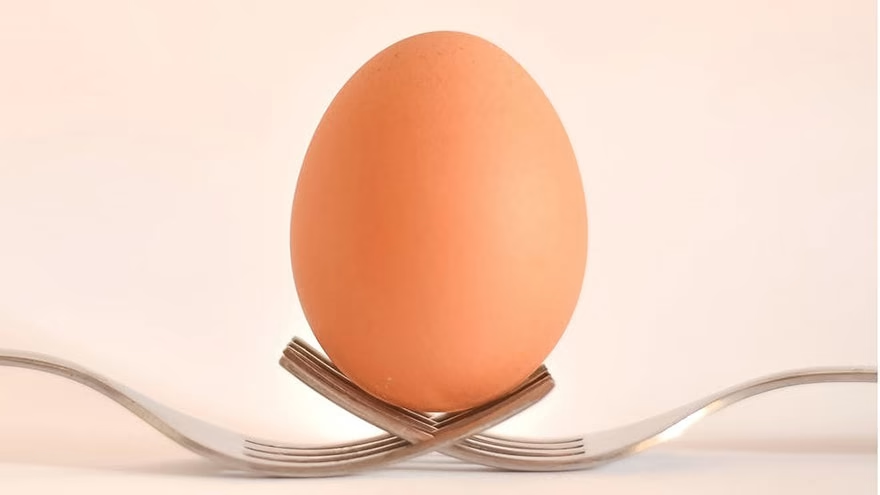
Brown eggs, white eggs, and blue or green eggs can all be good eggs. Shell color mostly comes from breed, not cooking quality. What matters more in the kitchen is freshness, size, storage, and how the egg will be used.
For baking, size matters more than many cooks expect. Too much or too little egg can change structure, moisture, and richness. When a recipe is precise, use the size it calls for. In casual cooking, small differences are easier to forgive.
Store Eggs Properly
Keep eggs in their carton in the refrigerator, not loose in the door if the door warms often. The carton protects the shells, slows moisture loss, and keeps odors from moving into the eggs. Refrigeration should be steady.
Do not wash store-bought eggs before storing them. Washing can move bacteria around and may affect the shell's protection. If an egg cracks on the way home, discard it unless you know it cracked during handling and can use it immediately in a fully cooked dish.
Keep eggs away from strong-smelling foods when possible. Shells are porous, and the carton helps reduce odor transfer. That is one reason the carton is better than a loose refrigerator bin.
FDA's egg safety material says safe handling instructions tell consumers to keep eggs refrigerated, cook eggs until yolks are firm, and cook foods containing eggs thoroughly. The FDA egg safety guide is especially relevant for households with children, older adults, pregnant people, or immune-compromised people.
Check Freshness Without Guessing
The float test can give a rough clue because older eggs lose moisture and develop a larger air cell. A floating egg is older, but floating does not automatically tell you whether an egg is unsafe. Smell and appearance still matter.
Crack eggs into a small bowl before adding them to a recipe. A bad egg can ruin a whole batter or pan. Fresh eggs usually have a firmer white and a higher yolk, while older eggs spread more. Older eggs can still be useful for hard boiling if they smell normal and have been stored safely.
If an egg smells sulfurous, rotten, or unusual, discard it. Do not taste questionable eggs. Food safety should not depend on bravery.
For recipes where appearance matters, freshness can change results. Fresher eggs hold a tighter shape for frying or poaching. Slightly older eggs may peel more easily after boiling. Use the egg that fits the task.
If several cartons are open, use the older eggs first for boiling or baking. Save the newest carton for poaching, frying, or dishes where shape matters most at serving.
Boil, Poach, Fry, and Scramble
For hard-boiled eggs, start with cold water or steam, cook until set, then cool quickly in ice water. Peeling is often easier with slightly older eggs. Store cooked eggs in the refrigerator and use them within a reasonable time.
For scrambled eggs, gentle heat gives a softer texture. High heat makes eggs rubbery and can leave browned edges. Stir slowly, remove the pan just before the eggs look completely dry, and let carryover heat finish them if food safety needs are met.
For fried or poached eggs, food safety guidance is more cautious for vulnerable groups because runny yolks may not reach the same level of doneness. If serving young children, older adults, pregnant people, or immune-compromised guests, use firmer cooking or pasteurized eggs where appropriate.
For omelets, cook fillings first if they release moisture. Mushrooms, spinach, onions, and peppers can water down the eggs if added raw. A good omelet depends on controlled moisture as much as heat.
Use Eggs in Baking and Desserts
Eggs give structure, moisture, richness, color, and binding in baked goods. They help cakes rise, custards set, cookies hold together, and breads brown. Room-temperature eggs blend more easily into some batters, but do not leave them out carelessly for long periods.
For desserts with eggs, pay attention to doneness. Custards, casseroles, and other dishes containing eggs should be cooked thoroughly. The American Egg Board's egg handling guidance notes that casseroles and dishes containing eggs should reach 160 F.
Egg technique connects to many desserts. Livecub's perfect tiramisu article is a useful reminder that recipes using eggs need careful handling, especially when the finished dish is chilled rather than baked hard.
When tempering eggs for custard, add hot liquid slowly while whisking. Pouring too fast can scramble the eggs. A smooth custard is built through patience, not force.
Match the Egg to the Meal
Eggs are not only breakfast. They can top rice bowls, enrich soups, bind meatballs, thicken sauces, glaze pastry, coat fried foods, and turn vegetables into frittatas. The cooking method should match the role.
For stir-fries and quick meals, eggs cook fast and should usually be added at the right moment rather than left in the pan too long. Livecub's six stir-fry sauces article can help pair eggs with stronger flavors without making the dish feel random.
Eggs also work with greens. A soft-set egg over cooked greens can make a simple dish feel complete, while chopped hard-boiled eggs can add richness to salads. Livecub's guide to cooking greens fits that kind of practical pairing.
Avoid Common Egg Mistakes
The most common mistakes are using cracked eggs, storing eggs too warm, cooking over high heat, salting too early for some textures, and adding eggs directly to hot liquid without tempering. Each mistake has a simple fix.
For soups or sauces, temper beaten eggs with a little hot liquid before adding them to the pot. For omelets, keep the filling moderate so the egg can fold. For boiled eggs, cool them quickly if you want easier peeling and safer storage.
If you cook eggs often, keep notes on timing. Your stove, pan, egg size, and preferred texture all affect results. A reliable egg routine is kitchen memory.
Clean as you go when cooking eggs. Wash hands, wipe splashes, and keep raw egg away from ready-to-eat foods. Small kitchen habits reduce risk without making breakfast complicated.
For meal prep, hard-boiled eggs are useful, but they still need refrigeration. Label the container if several people share the fridge. Simple storage habits protect ready-to-eat food.
Buying and cooking eggs well comes down to respect for a small ingredient. Keep them cold, cook them thoughtfully, and choose the method that fits the dish.
If you cook eggs often, keep notes on timing. Your stove, pan, egg size, and preferred texture all affect results. A reliable egg routine is kitchen memory.
Frequently Asked Questions
How can I tell if eggs are fresh?
Check the carton date, buy refrigerated eggs, crack into a separate bowl, and watch for unusual odor or appearance. The float test only gives a rough age clue.
Should eggs be stored in the refrigerator door?
It is better to keep eggs in their carton on a refrigerator shelf where the temperature is steadier.
Are runny eggs safe for everyone?
No. Vulnerable groups should be more cautious with undercooked eggs and may need fully cooked or pasteurized options.
What size egg do most recipes use?
Most U.S. recipes assume large eggs unless they state another size. Size can matter in baking.

Timothy Davidson
Edits step-by-step general-interest guides for clarity, realistic limits and source verification.




Leave a reply
Replying to