
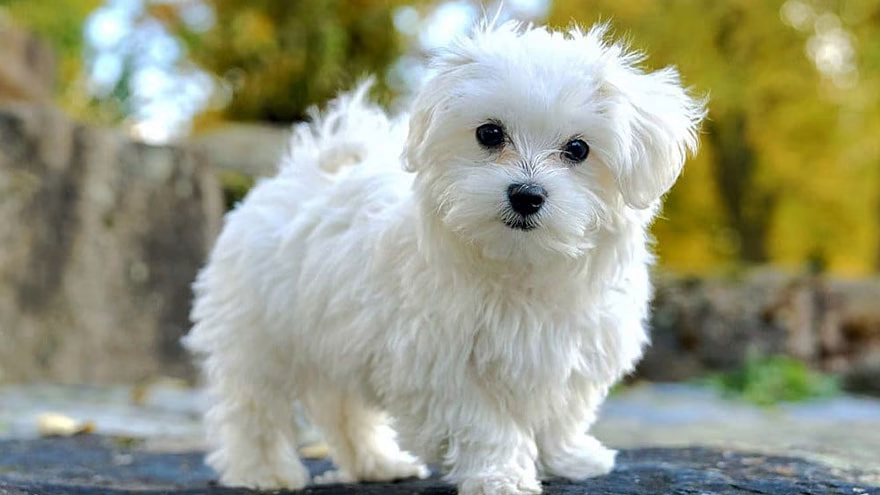
The name usually means Bichon Frise
People often say Bichon terrier, but the breed most often meant is the Bichon Frise. It is not a terrier in the classic working-terrier sense. It is a small companion breed known for a white coat, lively expression, and people-focused temperament.
That naming mix-up matters because terrier expectations can be misleading. A Bichon can be playful and stubborn, but the breed's history and coat care are closer to companion breeds than digging-and-ratting terriers.
Temperament is cheerful but not automatic
Bichons are often friendly, social, and alert. They usually enjoy people and can fit apartments or houses when their exercise and grooming needs are met. Still, a pleasant breed reputation does not replace training.
The American Kennel Club breed page for the Bichon Frise describes a small, cheerful companion dog. Individual dogs still vary by genetics, early socialization, health, and home routine.
The coat needs real maintenance
The fluffy white coat is part of the appeal, but it is not low-effort. Bichons need regular brushing, bathing, trimming, and ear and eye care. Matting can pull on skin and become painful if grooming is ignored.
Owners familiar with coat-heavy breeds may recognize the same discipline required for grooming topics such as longhair dachshund coat care. The tools and style differ, but the habit of regular maintenance is the same.
Professional grooming may be part of the budget
Many Bichon owners use a professional groomer every few weeks. That cost should be considered before bringing the dog home. A cheap puppy can become expensive if the coat is allowed to mat and then needs corrective grooming.
Ask a groomer what schedule they recommend for your climate, coat style, and lifestyle. A shorter pet trim may be easier for families than a show-like look.
Training should start early and stay kind
Bichons are smart enough to learn quickly and charming enough to get away with avoiding rules. Use short sessions, rewards, clear routines, and patient repetition. House training may take structure, especially in bad weather or apartment living.
Small dogs still need manners. Jumping, barking, begging, and guarding laps can become real problems if everyone excuses them because the dog is cute.
Exercise needs are moderate
A Bichon usually does not need extreme exercise, but it does need daily movement and mental activity. Walks, short play sessions, trick training, puzzle toys, and polite social time can help prevent restlessness.
Do not judge exercise needs only by size. A bored small dog can bark, chew, or demand attention just as loudly as a larger dog.
Health checks matter
Common concerns in small companion breeds can include dental disease, allergies, patella issues, ear problems, and eye staining or irritation. The Bichon Frise Club of America shares breed health information at bichon.org, and your veterinarian should guide decisions for your individual dog.
Dental care deserves special attention. Small dogs often need regular brushing and professional dental checks. Bad breath should not be treated as normal if gums, teeth, or appetite are changing.
Compare Bichons with similar small breeds
People considering a Bichon often compare Maltese, miniature schnauzers, Havanese, poodles, and Lhasa apsos. Each breed has a different mix of coat care, barking tendency, training style, and social needs.
Internal breed comparisons such as Maltese questions, miniature schnauzer questions, and Lhasa Apso questions can help families think beyond size and cuteness.
Good homes for Bichons
Bichons often fit people who want an indoor companion, can budget for grooming, and enjoy a dog that wants attention. They may not fit homes that want a wash-and-wear coat or a dog left alone for long, lonely days without training support.
Meet adult dogs if possible before deciding. Puppies are persuasive, but adult behavior gives a clearer picture of what living with the breed may feel like.
Socialization should include calm moments
Bichons often enjoy attention, but socialization should not mean endless excitement. A good plan includes meeting friendly people, hearing normal household sounds, walking near traffic, and learning to settle while life happens around them.
Calm confidence is the goal. A dog that expects constant entertainment may struggle when the family needs quiet time.
Barking needs early rules
Small alert dogs can become noisy if every sound at the door turns into a full event. Teach a cue for quiet, reward calm observation, and avoid yelling along with the dog. Yelling can sound like joining the alarm.
Apartment living makes bark training more urgent. Neighbors may tolerate a few alerts, but not repeated daily noise.
Separation practice matters
Because Bichons are people-focused, they need gentle practice being alone. Start with short departures, safe confinement, and a predictable return. Do not make every exit emotional. Calm routines help the dog learn that alone time ends.
If distress is severe, work with a veterinarian or qualified trainer. Separation anxiety is not solved by scolding.
Choose breeders or rescues carefully
A good breeder or rescue should answer questions, discuss health, describe temperament, and care where the dog goes. Be cautious with sellers who always have puppies, avoid records, or push quick payment.
Meet the dog or ask for detailed behavior information. The source of the dog shapes the first months at home.
Plan grooming as a relationship
Handle feet, ears, muzzle, and body gently from the start so grooming does not become a battle. Pair brushing with treats and short sessions. A puppy that learns grooming in tiny pieces is easier to care for as an adult.
Professional groomers can help, but daily handling still belongs at home. Coat care is part of owning the breed.
Children and Bichons need supervision
Bichons can be good family companions, but small dogs are still vulnerable to rough handling. Children should learn to let the dog rest, avoid pulling fur, and keep food or toys from becoming conflict points.
Gentle handling protects both sides. A dog that feels safe is less likely to nip or hide.
Older Bichons can be excellent companions
An adult or senior Bichon may already show its real temperament, grooming tolerance, and house habits. For some homes, that is easier than raising a puppy. Ask about medical needs, dental history, and alone-time behavior.
Older dogs still bond. They may simply need a quieter transition and predictable care.
Ask rescue or breeder questions in writing
Write down questions before contacting a breeder or rescue. Ask about health testing, behavior, grooming, diet, vaccines, returns, and what support is available after adoption or purchase.
Clear answers matter. Vague answers, pressure, or refusal to discuss health should slow the decision.
Exercise should include sniffing time
Walks are not only for burning energy. Sniffing gives a small dog mental work and can make the day feel more satisfying. A slow sniff walk may calm a Bichon better than a rushed lap around the block.
Mix short training cues into walks, then let the dog investigate safe areas. That balance uses both brain and body.
Watch weight under the coat
A fluffy coat can hide weight gain or loss. Use hands, not only eyes, to notice body condition. Your veterinarian can show how ribs, waist, and muscle should feel on your dog.
Food portions, treats, dental pain, and exercise all affect weight. Small dogs can gain from very small daily extras.
Use small rewards wisely
Bichons often respond well to treats, but tiny dogs do not need large portions. Break rewards into small pieces and count them as part of the day, especially during puppy training.
Frequently Asked Questions
Are Bichon terriers the same as Bichon Frises?
Most of the time, yes. People often use Bichon terrier casually, but the recognized breed is Bichon Frise.
The breed is a companion dog, not a classic terrier breed.
Do Bichons shed?
Bichons are often described as low-shedding, but their coat still needs regular brushing and trimming. Loose hair can stay in the coat and form mats.
No dog is truly maintenance-free. People with allergies should spend time with the breed before deciding.
Are Bichons good apartment dogs?
They can be, if they receive walks, training, grooming, and enough social time. Barking should be managed early in shared housing.
Apartment life works best when the dog is not left bored for long stretches every day.
Are Bichons easy to train?
They can learn well with rewards and consistency, but they may also test routines. House training needs patience.
Short, upbeat sessions usually work better than long, repetitive drills.

Timothy Davidson
Edits step-by-step general-interest guides for clarity, realistic limits and source verification.
Leave a reply
Replying to