
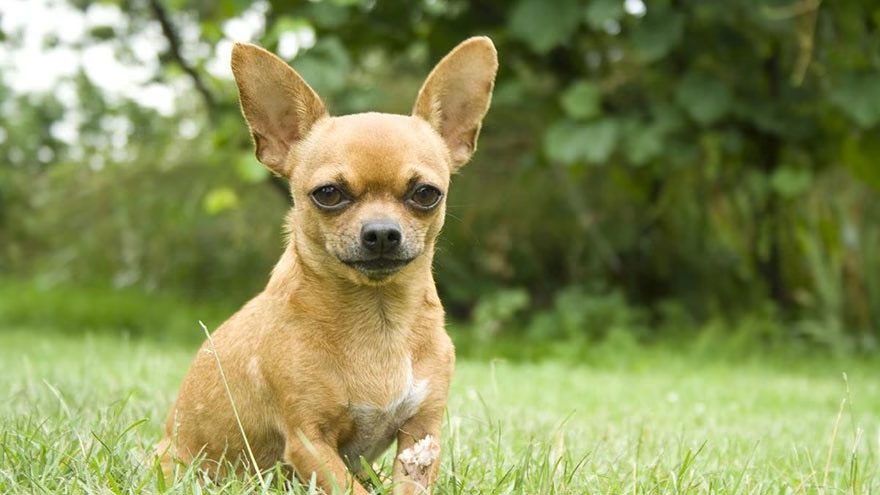
A Small Dog With a Full-Sized Personality
Chihuahua breed information often starts with size, but size is only the beginning. Chihuahuas are tiny dogs with alert expressions, quick reactions, and strong attachment to their people. They can be funny, loyal, bright, and bold. They can also bark, guard laps, dislike rough handling, and make large household opinions known from a very small body.
The American Kennel Club's Chihuahua breed page describes the breed as graceful, charming, and sassy. That word fits many Chihuahuas, but it should not be used as an excuse for poor manners. Small dogs still need training, socialization, routine, and kind boundaries.
A Chihuahua is best understood as a real dog, not a pocket accessory. The right owner respects the dog's size without treating the dog like glass. That balance matters. A Chihuahua needs gentle handling and clear rules at the same time.
Temperament and Daily Life
Many Chihuahuas bond closely with one or two people. They may enjoy being held, sleeping under blankets, and following their person from room to room. Some are social with visitors, while others need time and space. Early socialization helps, but personality and genetics still matter.
Because they are alert, Chihuahuas often notice doors, voices, delivery drivers, and unfamiliar dogs. Barking can become a habit if owners laugh at it when the dog is young. Teach a quiet cue, reward calm watching, and block window patrols when needed. Tiny does not mean silent.
Small-dog confidence can be misunderstood. A Chihuahua that snaps or growls is often scared, overwhelmed, or tired of being grabbed. Do not let children carry the dog around like a toy. Supervision protects both the dog and the child. If you are comparing other small breeds, Livecub's Maltese questions and Miniature Schnauzer questions show how size does not tell the whole temperament story.
Training a Chihuahua
Chihuahuas can learn very well when training is fair, consistent, and sized to the dog. The problem is not that they cannot learn. The problem is that owners sometimes skip training because the dog is easy to pick up. Picking up the dog may stop a situation, but it does not teach the dog what to do next time.
House-training
House-training can take patience because small dogs have small bladders and owners may miss subtle signals. Use a schedule, reward outdoor success, clean accidents with enzyme cleaner, and avoid giving too much freedom too soon. If indoor potty pads are used, keep the plan clear so the dog is not asked to guess.
Handling and grooming practice
Teach the dog to accept collar checks, nail trims, tooth brushing, ear checks, and being lifted safely. Reward short, calm sessions. If grooming becomes a battle, owners avoid it and problems grow. Livecub's guide on grooming a longhair Dachshund covers a different coat, but the habit of early handling applies to Chihuahuas too.
Leash manners
A Chihuahua should still learn to walk on leash. Use well-fitted walking gear or a collar based on your veterinarian's advice, and avoid yanking. Large dogs, bikes, and crowds can be scary from ankle height. Keep outings calm enough that the dog can think.
Exercise and Enrichment
Chihuahuas do not need marathon exercise, but they do need daily movement and mental work. Short walks, indoor games, training sessions, food puzzles, and safe exploring can keep them happier. A dog that never gets to sniff, move, or solve small problems may become restless or reactive.
Weather matters. Cold, heat, and wet sidewalks affect tiny dogs quickly. Use a sweater or coat when appropriate, avoid hot pavement, and keep walks short during harsh weather. The goal is not to toughen the dog up. The goal is to meet the dog's needs without ignoring the size of the body doing the work.
Enrichment should be safe for a small mouth and delicate frame. Choose toys that cannot be swallowed, avoid rough play with large dogs, and teach children not to chase. A short training game can tire a Chihuahua more pleasantly than chaotic wrestling.
Training should also include calm separation. Many Chihuahuas bond hard to one person, which can be sweet until the dog panics when that person leaves the room. Practice short absences, reward relaxed rest, and let trusted family members share care. The goal is not to make the dog less attached; it is to make the attachment feel secure.
Health and Breeder Questions
The Chihuahua Club of America notes health concerns and recommends responsible breeding practices through parent-club resources. Its Chihuahua health page is a useful starting point for topics to discuss with breeders and veterinarians.
Common screening conversations for Chihuahuas may include patellas, cardiac checks, and eye exams. The Orthopedic Foundation for Animals' CHIC page for Chihuahuas lists breed-specific testing expectations. A breeder should be able to explain what testing was done on the parents and where results can be verified.
Ask also about teeth and knees, weight, heart history, trachea concerns, and how older relatives have aged. Chihuahuas can live long lives, so buyer decisions can affect a dog for many years. Good breeders discuss long-term care, not only puppy cuteness.
Weight deserves special attention because a little extra food shows quickly on a tiny frame. Ask your veterinarian what body condition should look like, then measure meals instead of guessing. A Chihuahua at a healthy weight usually moves better, breathes easier, and has less stress on small joints.
Grooming and Everyday Care
Chihuahuas come in smooth and long coats. Smooth coats are easy to brush, but they still shed. Long coats need more attention around ears, tail, legs, and belly. Both coat types need nail care, dental care, ear checks, and skin checks. Dental care deserves special attention because small breeds can have crowded mouths and tartar problems.
Keep nails short enough that the dog walks normally. Long nails change posture and make slipping more likely. Brush teeth with dog-safe toothpaste and ask your veterinarian about professional dental care. Check weight by body condition, not by guessing from a photo online.
Do not let the dog's size hide discomfort. A Chihuahua that refuses food, limps, coughs, shakes, pants oddly, or avoids being touched should be taken seriously. Small dogs can decline quickly when ill. Routine care and early attention are better than waiting for a tiny dog to "act tough."
The Right Home for a Chihuahua
A Chihuahua can thrive in an apartment, condo, or house if the household understands noise, handling, weather, and safety. They often do well with adults, seniors, and families with gentle older children. Homes with very young children need extra care because accidental drops and rough play can injure the dog.
They can live with other pets, but introductions should be managed. A large friendly dog can still hurt a Chihuahua by stepping, pawing, or playing too hard. Gates, crates, and supervised time help. Do not expect the small dog to solve every social situation alone.
Household setup matters more than square footage. Give the dog a safe bed, a warm resting place, a predictable potty routine, and a quiet retreat when guests visit. If the dog hides, let it hide. Confidence grows faster when the dog has choices instead of being passed from person to person.
Travel and errands need the same care. Use a secure carrier when needed, keep the dog away from feet in busy places, and plan breaks during long visits. A tiny dog can be brave and still need physical protection from careless movement around it.
The best Chihuahua home is affectionate but not permissive. It gives the dog warmth, routine, training, safe handling, and sensible health care. In return, the dog often gives fierce loyalty from a very small frame.
Frequently Asked Questions
Are Chihuahuas good apartment dogs?
Yes, they can be excellent apartment dogs if barking is managed and they get daily attention, movement, and potty routine. Size helps, but training still matters.
Are Chihuahuas good with children?
They can be good with gentle children who understand small-dog handling. Very young children need close supervision because Chihuahuas can be injured by rough play or dropping.
Do Chihuahuas need much grooming?
Smooth coats need light brushing, while long coats need more coat care. Both need nail trims, dental care, ear checks, and regular handling practice.
What should I ask a Chihuahua breeder?
Ask about parent health testing, patellas, heart history, eye exams, teeth, temperament, socialization, contract terms, and support after the puppy comes home.

Chiara Bradshaw
Covers education, culture and creative topics with an emphasis on readable explanations and verifiable references.
Leave a reply
Replying to