
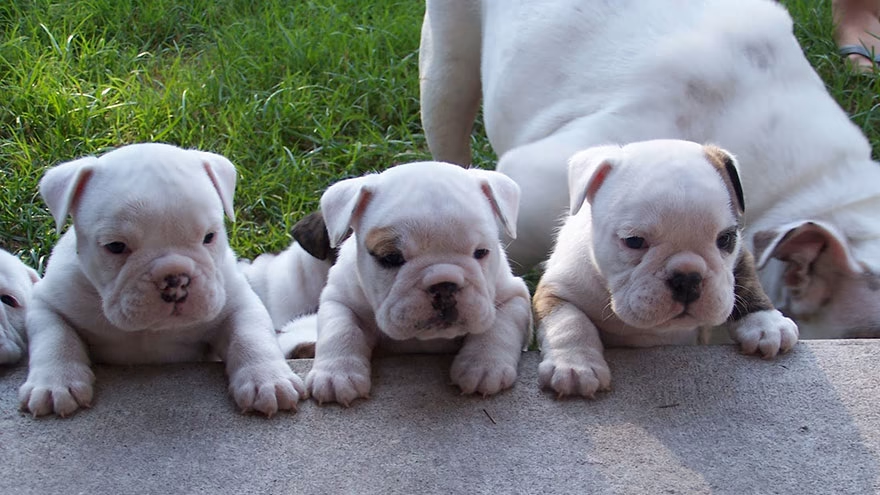
Bulldog Puppies Are Sweet, but They Are Not Easy Mode
Facts About Bulldog Puppies should start with the part many photos leave out. Bulldog puppies can be affectionate, funny, and loyal, but their body shape creates daily care needs that buyers should understand before bringing one home.
A Bulldog puppy is not a high-speed hiking dog or a low-maintenance backyard dog. This breed does best with people who can manage heat, weight, skin, breathing, training, and regular veterinary care.
The appeal is real, but the responsibility is real too.
The Breed Is Built for Close Family Life
The AKC's Bulldog breed page describes the breed as friendly, courageous, and calm, with a recognizable short muzzle, loose skin, and heavy build.
That calm reputation does not mean a puppy arrives trained. Young Bulldogs still chew, jump, test limits, and need house manners. They usually want to be near their people, which can be wonderful in the right home and tiring in a house that expects a puppy to entertain itself all day.
For comparison with another compact breed, Livecub's Basset Hound questions guide shows how body type and temperament both shape daily ownership.
Breathing and Heat Need Real Attention
Bulldogs are brachycephalic dogs, meaning they have short muzzles and compressed facial anatomy. VCA's brachycephalic airway syndrome article explains that short-nosed breeds can have airway issues tied to narrow nostrils, elongated soft palate, and related anatomy.
For a puppy owner, that means heat and hard exercise deserve caution. A Bulldog puppy should not be pushed through hot walks, long fetch sessions, or rough play because the family wants the puppy to burn energy.
Shade, water, air conditioning, and common sense are part of Bulldog care.
Good Breeders Answer Uncomfortable Questions
A careful breeder should talk about health, structure, breathing, temperament, parents, veterinary records, socialization, and what happens if the puppy is not a fit. They should not treat questions as an insult.
Ask to meet the mother dog when possible, see where puppies are raised, review health information, and learn how the breeder chooses homes. If the conversation is only about color, rarity, price, or quick pickup, slow down.
Bulldog puppies are often expensive to buy and expensive to care for. The purchase price is only the first line in the budget.
Litter and Birth Details Need Careful Language
Older Bulldog articles often make sweeping claims about litters and C-sections. It is better to ask your breeder and veterinarian about the actual parents, the actual pregnancy, and the actual birth history.
Bulldogs can face reproductive challenges because of body shape, and many breeders use planned veterinary support. Still, the useful question for a buyer is not gossip about the breed. It is whether this breeder is transparent, responsible, and working closely with a veterinarian.
Keep Exercise Short, Cool, and Consistent
Bulldog puppies need movement for body condition, coordination, confidence, and bathroom routines. They do not need punishing workouts.
Use short walks in cool parts of the day, gentle play indoors, sniffing time, and training games. Avoid midday summer walks, forced running, and rough play with larger dogs that can knock a heavy puppy off balance.
If your puppy pants hard, slows down, lies flat, drools heavily, or seems distressed, stop and cool down. Call a veterinarian if symptoms do not improve quickly.
Lean Weight Matters More Than a Chunky Look
Bulldog puppies can look cute when round, but extra weight works against breathing, movement, skin folds, and joints. Feed measured meals and check body condition instead of rewarding every begging face.
Use your veterinarian to set portions as the puppy grows. Treats should be small, counted, and useful for training rather than handed out all day.
Livecub's biggest dog breeds article is not about Bulldogs, but it is a useful reminder that size and weight should never replace fitness and comfort.
Skin Folds and Coat Care Start Early
Bulldog puppies have short coats, but short coat does not mean no grooming. Wrinkles and skin folds can trap moisture, food, dirt, and irritation.
Ask your veterinarian how to clean and dry folds safely. Do not use harsh products or leave damp skin closed inside wrinkles. Watch for redness, odor, rubbing, hair loss, or discharge.
Clean and dry is the goal, not perfumed and scrubbed.
For a very different grooming routine, Livecub's longhair Dachshund grooming guide shows how coat type changes the work, even when the dog is small.
Training Should Be Kind and Firm
Bulldog puppies can be charmingly stubborn. That does not mean they need harsh handling. They need clear routines, rewards, patience, and calm limits.
Start with name response, crate comfort, house training, gentle mouth habits, leash walking, and settling on a mat. Keep sessions short because tired puppies stop learning well.
Bulldogs usually learn best when the household is consistent.
Plan for Veterinary Costs Before Trouble Starts
Bulldog ownership can involve more vet visits than some families expect. Discuss vaccines, parasites, ear care, skin folds, breathing, weight, dental care, and spay or neuter timing with your veterinarian.
Pet insurance or a dedicated savings account can make decisions easier if breathing, skin, eye, orthopedic, or digestive problems appear. Waiting until there is a problem may leave fewer financial options.
Livecub's Staffordshire Bull Terrier health problems guide is a separate breed topic, but it reflects the same idea: breed research should happen before the puppy is on the couch.
Choose the Home, Not Just the Puppy
A Bulldog puppy may fit an apartment or smaller house if the owner provides care, cooling, training, and daily attention. A large yard does not fix heat risk or lack of supervision.
Think about stairs, summer climate, work schedule, children, other pets, floor surfaces, and whether the family can say no to overfeeding. A Bulldog can be a wonderful companion when the home matches the breed's limits.
Socialization Should Be Calm and Controlled
Bulldog puppies need to meet normal life early: doorbells, car rides, visitors, grooming touch, vet handling, and safe dogs. Socialization does not mean throwing the puppy into noisy places until it shuts down.
Keep sessions short and positive. Let the puppy observe, take food, and leave before stress builds. A confident Bulldog is easier to handle as an adult.
Prepare the House for a Heavy Puppy
Use non-slip mats on slick floors, block unsafe stairs, move cords, and choose sturdy chew toys. Bulldogs can be low to the ground but surprisingly strong.
Crates, gates, and washable beds make routines easier. They also help during hot weather because the puppy has a safe place to rest in a cool part of the home.
A good setup prevents many bad habits before training is needed.
Learn the Difference Between Snoring and Struggling
Some Bulldog noise may be expected, but loud breathing should not be ignored without thought. Snoring, snorting, gagging, and noisy exercise can mean different things depending on the dog.
Record concerning sounds and show your veterinarian. A short video during sleep or after play can help the clinic understand what you are seeing at home.
Travel Needs Extra Planning
Bulldog puppies can struggle in heat, crowded cars, and stressful travel. Keep the vehicle cool, use a safe restraint, carry water, and plan breaks.
Air travel needs special caution for short-nosed breeds. Talk with your veterinarian and the airline before assuming a Bulldog puppy can fly safely.
Warning Signs Should Not Be Ignored
Call a veterinarian if a Bulldog puppy struggles to breathe, collapses, cannot cool down, has blue or pale gums, vomits repeatedly, refuses food, develops eye swelling, limps, or shows painful skin.
Also pay attention to constant snoring, heavy exercise intolerance, repeated gagging, and chronic skin odor. Some signs are common in the breed, but common does not mean harmless.
Frequently Asked Questions
Are Bulldog puppies good family dogs?
They can be loving family dogs in homes that manage heat, weight, training, skin care, and veterinary needs. Supervise all puppy-child interactions.
Do Bulldog puppies need a lot of exercise?
They need regular light activity, not forced hard exercise. Short cool walks and gentle play are usually better than long hot outings.
Are Bulldog puppies hard to train?
They can be stubborn, but they respond to clear routines, rewards, patience, and short sessions. Start house manners early.
What should I ask a Bulldog breeder?
Ask about parent health, breathing, skin, temperament, vet records, socialization, return policies, and why the breeder chose that pairing.

Timothy Davidson
Edits step-by-step general-interest guides for clarity, realistic limits and source verification.


Leave a reply
Replying to