
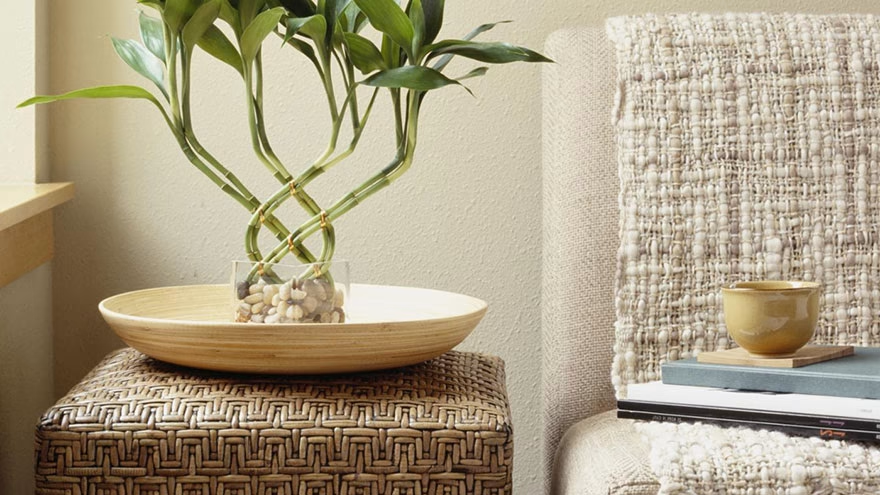
Feng Shui Tips for Loving Your Job can be useful if you treat them as workspace rituals, not as a cure for a toxic job. A desk change cannot fix unsafe management, impossible workload, harassment, or chronic underpay.
Used honestly, feng shui-inspired changes can help you notice how your work area affects attention, mood, boundaries, and energy. The practical question is: what does this space make easier or harder during the workday?
Start With What You Can Control
Before moving furniture, name the work problem. Is it clutter, noise, interruptions, unclear priorities, poor lighting, resentment, boredom, or burnout?
The U.S. Surgeon General's workplace well-being framework highlights protection from harm, connection, work-life harmony, mattering, and opportunity for growth: HHS workplace well-being framework.
A desk ritual helps most when it supports one of those real needs, not when it pretends layout can solve everything.
Clear The First Layer Of Clutter

Remove trash, old cups, dead pens, irrelevant papers, broken supplies, and items that belong somewhere else. Do not start with a full office makeover.
A clear first layer gives the mind less friction at the start of work. It also reveals what still needs a real system.
If tracking food or energy patterns helps your workday, journaling patterns can be adapted into a work energy log.
Create A Command Position If Possible
In feng shui language, the command position usually means facing the entrance or having a clear sense of what is behind you. In practical terms, reduce the feeling of being startled all day.
If you cannot move the desk, use a small mirror, adjust the monitor angle, or choose a seat that gives better awareness during calls.
The goal is not mysticism. The goal is lowering background tension.
Fix Ergonomics Before Symbolism
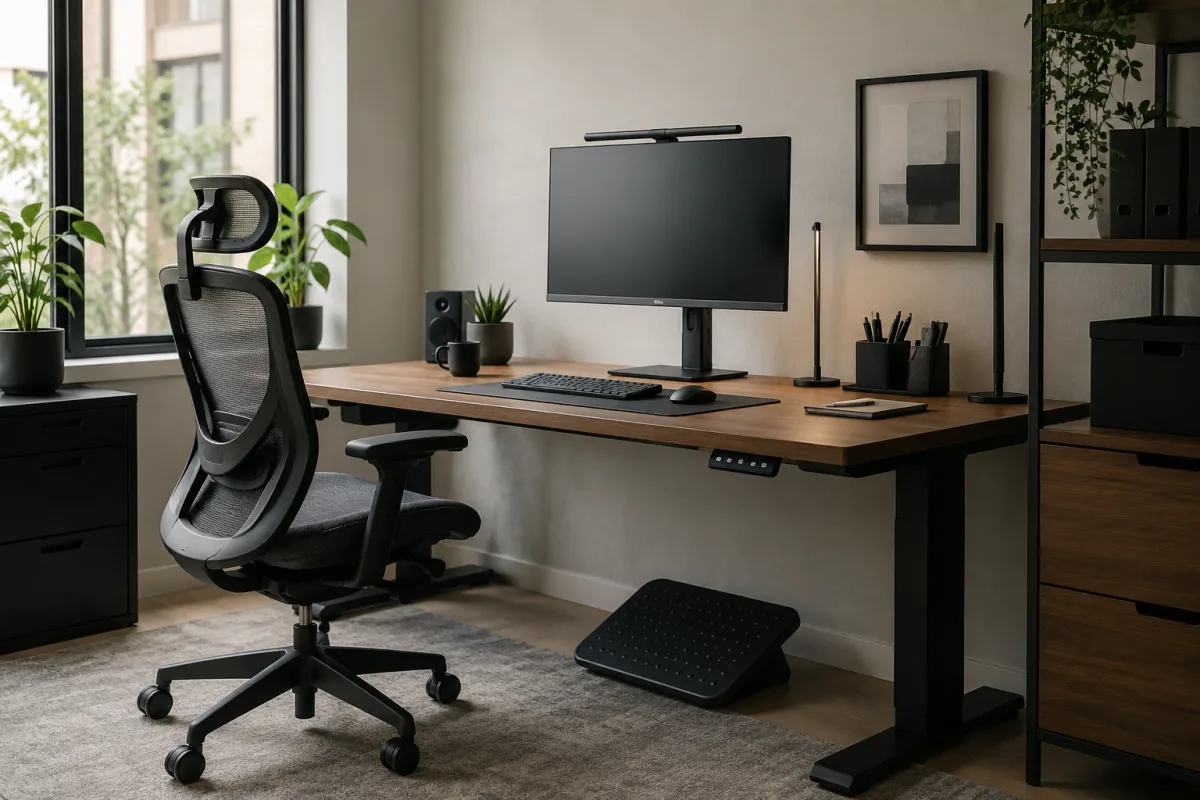
If your chair hurts, the monitor is too low, or your wrists ache, no symbolic object will make the job feel better for long.
OSHA's computer workstation resources focus on identifying workstation hazards and ergonomic controls: OSHA computer workstations.
Adjust chair height, monitor position, keyboard reach, lighting, and foot support before buying decor.
Use One Object As A Work Anchor
Choose one object that reminds you how you want to show up: a plant, stone, photo, small card, clean notebook, or lamp.
Do not crowd the desk with objects that compete for attention. One anchor works better than a shelf of guilt gifts.
If the object stops helping, remove it. The space should serve the workday.
Make The Entry To Work Gentler
The first five minutes can set the tone. Create a small opening routine: clear the surface, check priorities, fill water, turn on the lamp, and choose the first task.
This is the practical side of ritual. It tells the brain that work has begun without throwing you straight into chaos.
If presentations are part of the job stress, stage fright coping may help with that specific trigger.
Use Zones For Different Tasks
If space allows, separate focus work, admin work, and break items. Even a small tray can create a zone for bills, notes, or current projects.
Do not keep every possible task visible. A desk that shows ten obligations at once can make everything feel urgent.
Use one current-work area and one capture area for later.
Bring In Living Or Natural Cues
A plant, daylight, wood texture, or a view outside can make a workspace feel less sterile. Choose items you can maintain easily.
Dead plants and dusty objects become another task. If you do not want plant care, use a clean natural texture, a photo of a place you like, or better light.
The point is to make the space feel cared for, not staged.
Control Digital Clutter Too
Feng shui for work should include the screen. Close unused tabs, clear the desktop, name files clearly, and make the first task visible.
Digital clutter can create the same mental drag as paper clutter. It also follows you home if notifications never stop.
Set notification boundaries where your job allows.
Address Work Stress Directly
NIOSH notes that work plays a significant role in mental health and that chronic exposure to occupational stress can worsen mental health: NIOSH mental health at work.
If the problem is workload, bullying, unsafe conditions, or lack of control, document it and seek appropriate workplace support. A plant is not a boundary.
If work anxiety feels tied to evaluation, performance nerves may offer a transferable coping frame.
Use Color With Restraint
Color can change how a space feels. Choose one or two cues: a calmer lamp shade, a green plant, a warm notebook, or a blue folder for focus work.
Avoid turning the desk into a themed display that distracts from work. The best workspace cue is one you stop noticing because it quietly helps.
If you share space, respect other people's visual comfort too.
End The Day On Purpose
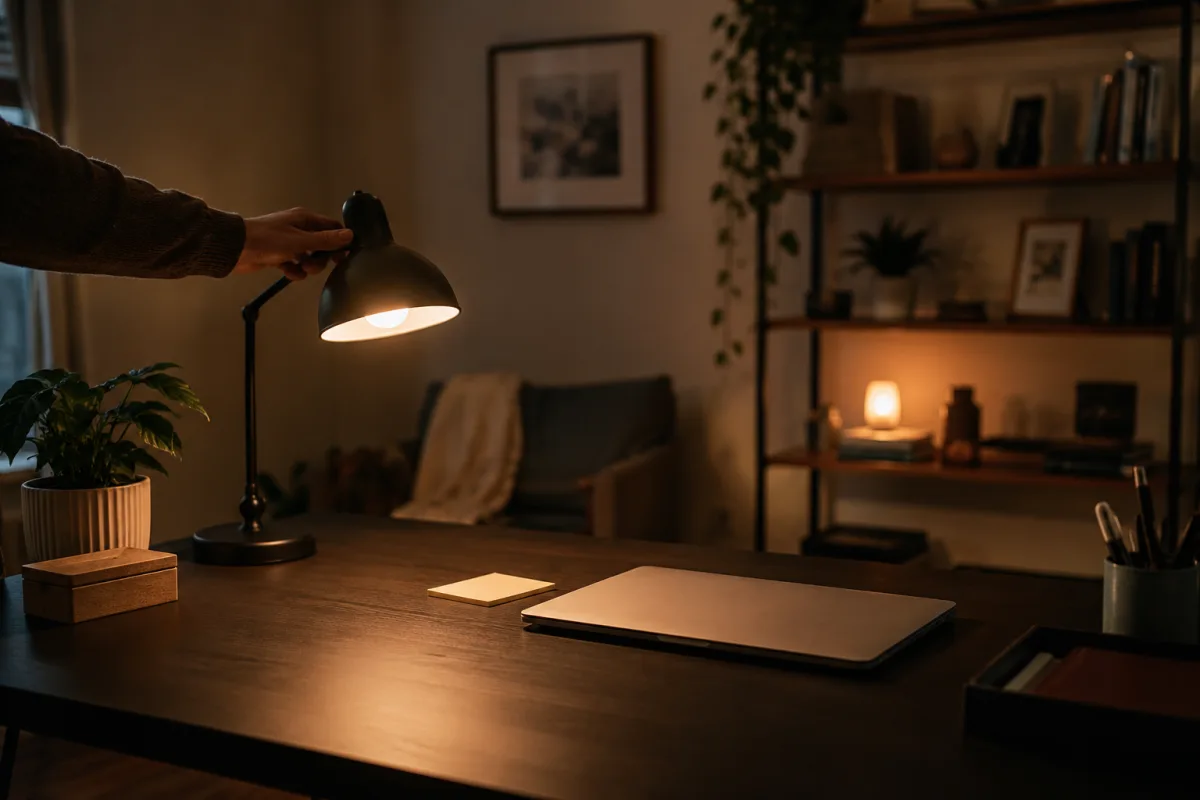
A closing ritual matters as much as an opening one. Put away the current task, write the next first step, clear dishes, and turn off the work light.
This helps create a boundary between work and the rest of life, especially for remote workers.
If motivation is low because the job feels meaningless, motivation support is a different audience, but its dignity-first tone can help you think about motivation without shame.
Use The Bagua As A Reflection Tool
Some feng shui traditions use a bagua map to think about areas such as career, relationships, knowledge, and support. You can use that idea as reflection without treating it as proof.
Ask what your workspace currently supports: focus, connection, learning, rest, or only urgency. Then choose one change tied to the answer.
This keeps the practice grounded in behavior and environment.
Make Interruptions Visible
If interruptions are the reason you dislike work, track them for two days. Note who interrupts, why, and which interruptions are preventable.
A sign, office hour, status light, calendar block, or clearer handoff may help more than any object on the desk.
If interruptions are part of poor management, document the pattern and raise it through the right channel.
Give Breaks A Place
A workspace that has no break cue can make the whole day feel like one long unfinished task. Put a water glass, walking shoes, or stretch band where it reminds you to pause.
Break cues are not laziness. They protect attention and help the body tolerate the workday.
If breaks are impossible because workload is unsafe, the problem is job design, not personal discipline.
Review The Job, Not Only The Desk
After changing the space, review what improved and what did not. Better lighting may help mood, but it will not fix disrespect, unclear priorities, or values mismatch.
Use the workspace reset as data. If small changes help, keep them. If the job still drains you, the next step may be a conversation, boundary, transfer, or job search.
Loving a job sometimes begins with seeing it clearly.
Make Values Visible
Write one word connected to the kind of worker you want to be: steady, curious, precise, kind, brave, focused, or fair.
Put it somewhere subtle. The word is not magic; it is a reminder to choose one behavior when the day gets noisy.
If the job constantly asks you to betray that value, the workspace is not the main issue.
Create A Friction List
For three workdays, write down every tiny friction: missing charger, bad chair, unclear notes, noisy alerts, hard-to-find files, or a task you keep avoiding.
Fix one friction at a time. Small fixes can change the emotional tone of a day because they reduce repeated irritation.
Do not use the list to blame yourself. Use it to design a better work path.
Use Scent Carefully
Some people like scent as part of a workspace ritual, but shared workplaces and sensitivities matter. Strong fragrance can bother coworkers or trigger headaches.
If scent is appropriate, keep it subtle and personal. If not, use visual or tactile cues instead.
Respect for the shared environment is part of a healthier work setup.
Protect The First Task
Choose the first task before ending the previous workday. Put only the materials for that task in view if possible.
Starting with email, chat, or other people's emergencies can make the whole day feel reactive. A protected first task gives you a sense of agency.
Even fifteen focused minutes can change the tone of a workday.
Frequently Asked Questions
Can feng shui make me love my job?
It can make the workspace feel better, but it cannot fix unsafe work, poor management, or chronic overload by itself.
What is the first change to make?
Clear trash and irrelevant items, then make the first task easy to see.
Does desk position matter?
It can if it reduces tension or interruptions. If you cannot move the desk, improve awareness and lighting.
Should I buy new decor?
Not first. Fix clutter, ergonomics, light, and workflow before buying objects.
What if I still hate my job?
Look at workload, values, safety, pay, growth, and management. The space may not be the main problem.
This article is for general information only and isn't a substitute for medical or mental health advice. If symptoms affect daily life, talk with a qualified professional.

Cashie Evans
Covers parenting and practical household topics with clear steps, safety notes and links to current guidance.



Leave a reply
Replying to