

Feng shui tips for pregnancy are best treated as a way to make the home feel calmer and easier to use. They should not be framed as a way to control the baby's health, labor, fertility, or outcome.
Pregnancy already brings enough advice. Use the parts that help the room feel safer, clearer, and more restful. Leave the rest.
Start With Safety And Access
Before thinking about placement, look at walking paths, rugs, cords, stairs, lighting, and where you put water, snacks, medications, and phone chargers. A beautiful room that trips a pregnant person at night is not a good room.
Keep the route to the bathroom clear. Add soft night lighting. Put heavy items lower. Ask for help moving furniture, especially later in pregnancy.
Understand Feng Shui As Arrangement
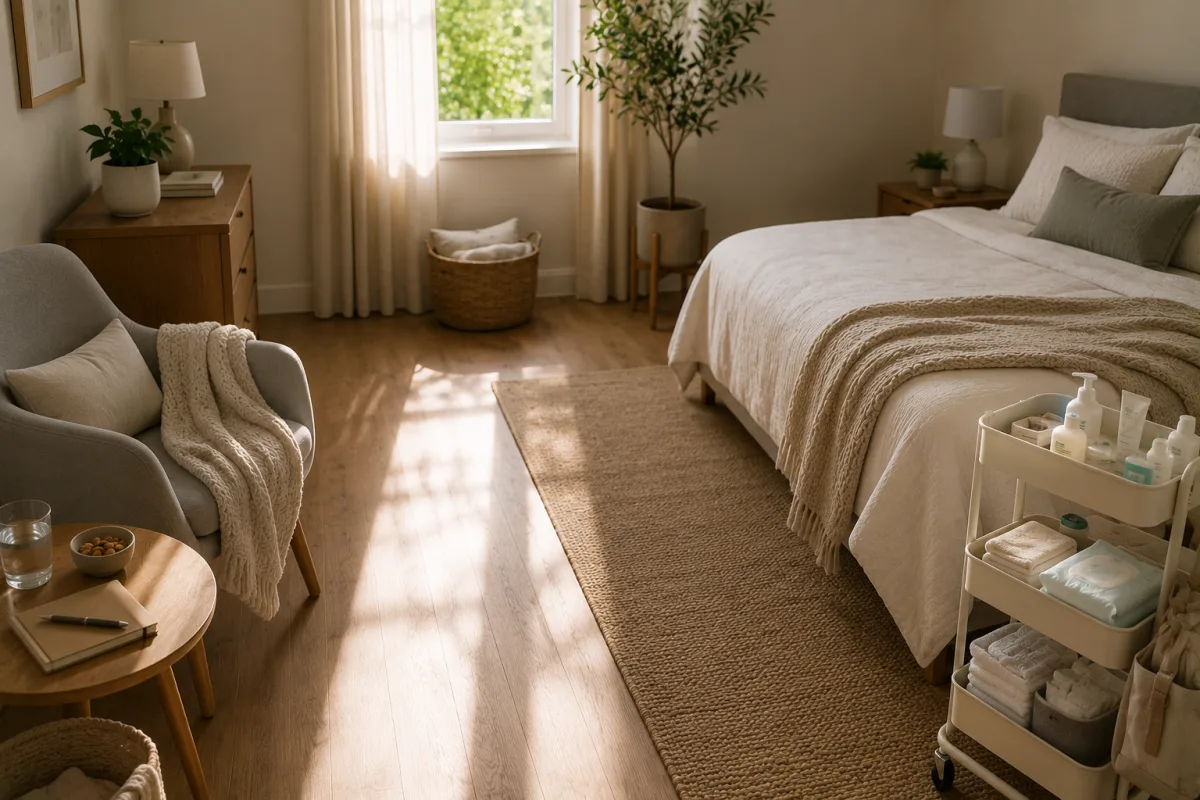
National Geographic describes feng shui as an ancient Chinese art of arranging buildings, objects, and space for harmony and balance: National Geographic on feng shui. For pregnancy, that can mean arranging the room so rest and daily care feel easier.
You do not need to buy special objects. Start with light, air, clutter, bed access, and a chair that supports the body.
Comfort also affects intimacy and connection; Livecub's guide to staying intimate during pregnancy is a related topic.
Keep The Bed Area Calm
Many feng shui traditions talk about the bed as a place of support. In practical terms, keep the bed easy to enter from at least one side, use stable nightstands if space allows, and remove piles that make the room feel like a storage area.
If sleep is already hard, do not add more pressure. A calmer bed area may help the routine, but it is not a cure for pain, insomnia, reflux, anxiety, or medical symptoms.
Use Soft Light And Air
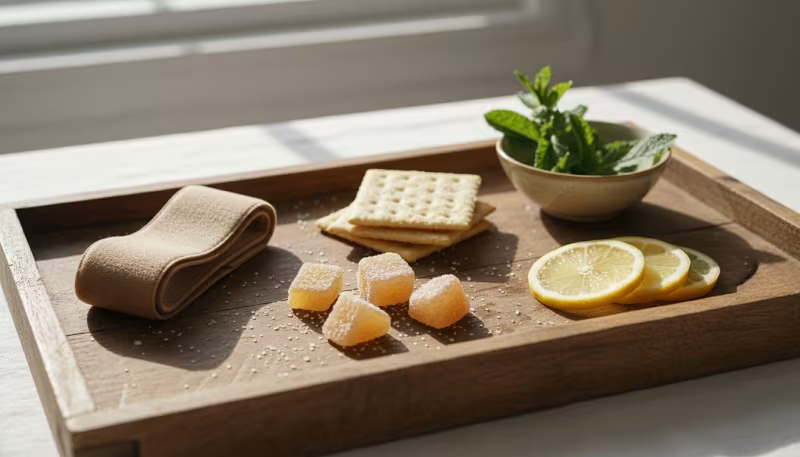
Use daylight when possible and gentle lighting at night. Open windows when safe and weather allows. Avoid heavy scents if nausea or headaches are present. Pregnancy can make smell sensitivity intense.
If food aversion or nausea shapes the day, Livecub's article on bland diets for pregnancy may fit better than room styling advice.
Plan The Nursery Around Safe Sleep
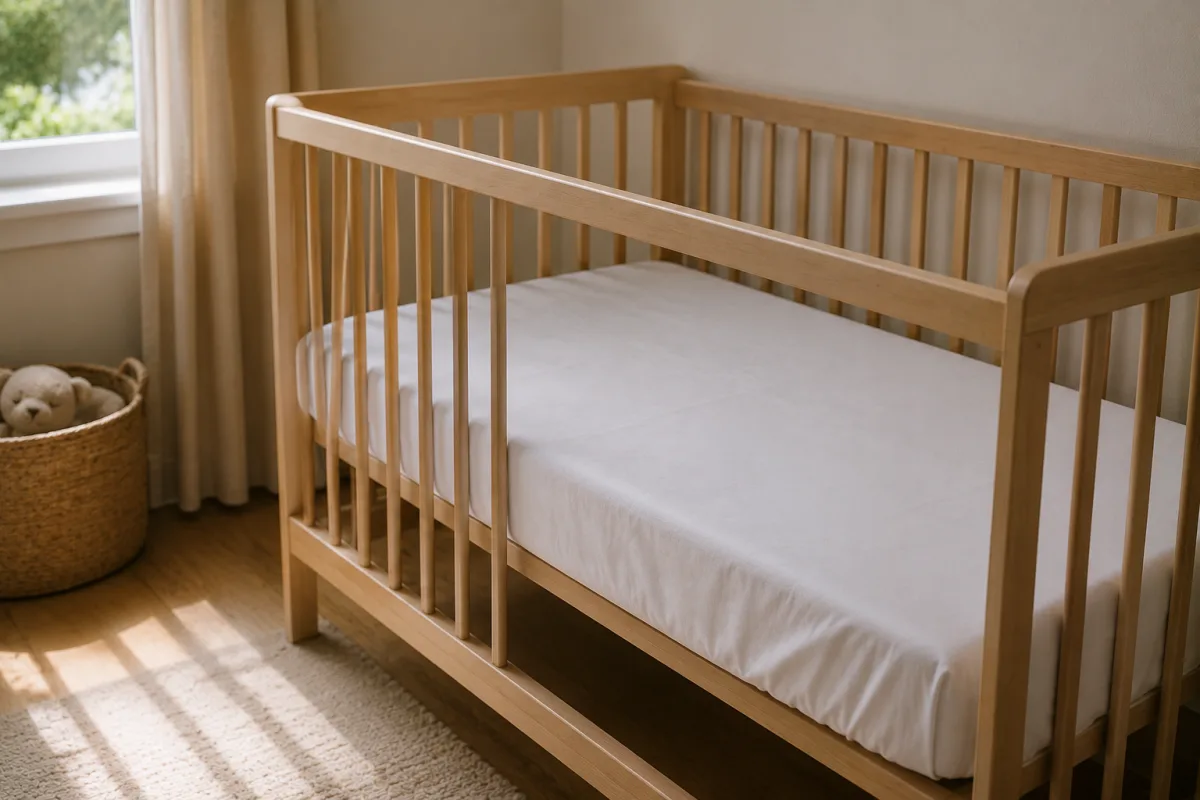
NIH Safe to Sleep says a baby's sleep area should be firm, flat, level, and covered only with a fitted sheet: NIH Safe to Sleep environment. This matters more than any decor rule.
Skip loose blankets, pillows, crib bumpers, stuffed toys in the sleep space, and decorative items with cords near the crib. A clear crib may look plain, but it is the safer choice.
Check Cords, Furniture, And Crib Setup
HealthyChildren.org warns against dangling strings or cords near the crib and gives baby room safety tips. Put blinds cords out of reach, secure furniture that can tip, and keep mobiles where a baby cannot grab them.
If a feng shui suggestion conflicts with safety guidance, choose safety. Harmony should never require a risky sleep setup.
Make A Quiet Corner
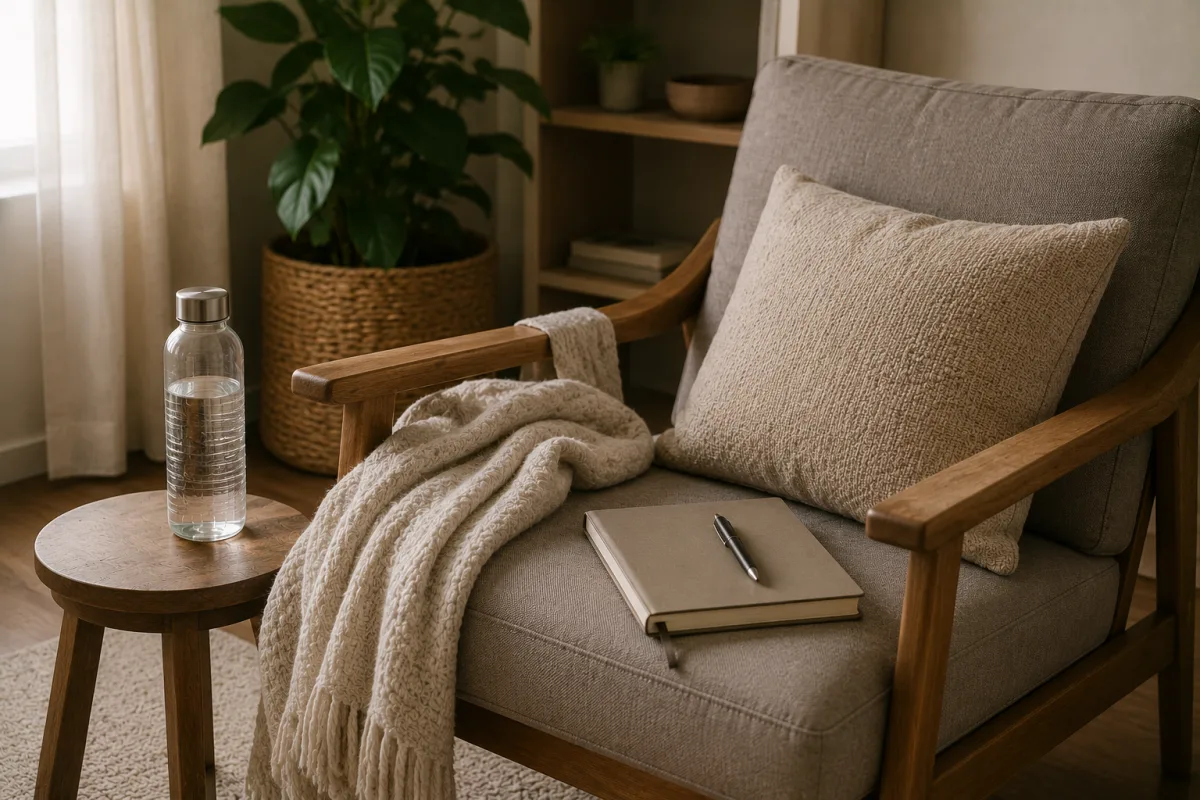
A quiet corner can be a chair, pillow, small table, water bottle, journal, blanket, and charger. Use it for breathing, reading, feeding plans, partner talks, or a few minutes away from noise.
If body image shifts are making pregnancy hard, Livecub's article on feeling attractive during pregnancy may be a better next read than moving furniture again.
Use Symbols Gently
Some people like plants, family photos, soft art, keepsakes, or handmade items. Choose objects that feel steady rather than objects chosen from fear. Do not let a broken charm or misplaced item become a source of guilt.
Creative keepsakes can be meaningful too; Livecub's guide to making a belly bowl cast is one example of turning pregnancy into a tangible memory.
Protect Mental Space
ACOG notes that anxiety can occur during pregnancy and that treatment and support are available: ACOG anxiety and pregnancy. If room arrangement becomes a way to manage constant fear, bring that fear to an obstetric care team.
A calm home can support mental health, but it does not replace care. If anxiety, depression, intrusive thoughts, panic, or unsafe feelings appear, ask for help.
Livecub's article on depression during pregnancy connects directly with that need.
Prepare For Labor Support
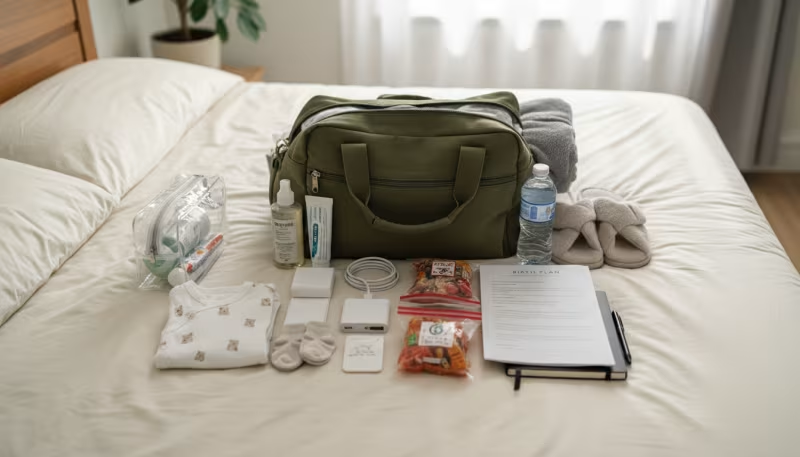
Arrange a small basket for labor or late pregnancy: charger, water bottle, socks, lip balm, medical paperwork, snacks if allowed, and contact list. Put it where a partner or support person can find it.
If support planning is the real concern, Livecub's guide to emotional support during early labor is more useful than another decor change.
Use What Calms You
The best pregnancy room is one that helps real people move, sleep, breathe, feed, recover, and ask for help. If feng shui language helps you make those choices, use it. If it makes you anxious, let it go.
A clear path, safe sleep plan, gentle light, good support, and medical guidance will do more for the household than any perfect arrangement.
Give Partners A Real Role
If a partner is involved, give them more than furniture opinions. They can clear paths, manage cords, build the crib according to instructions, take donation boxes out, and learn where medical paperwork sits. Shared preparation reduces pressure.
Respect Scent Sensitivity
Pregnancy can make scents hard to tolerate. Incense, oils, candles, paint, cleaners, and new furniture smells may trigger nausea or headaches. Ventilate well and skip scent-heavy rituals if they make the room harder to use.
Keep The Budget Calm
A peaceful room does not require expensive decor. A clear path, safe crib, comfortable chair, clean sheets, working lamp, and reachable water can matter more than a perfect theme. Buy less if buying creates stress.
Think About Postpartum Movement
Plan for recovery too. Put feeding supplies, diapers, water, snacks, burp cloths, and chargers where they can be reached without bending or twisting too much. A practical room supports the parent after birth, not just before.
Set Visitor Boundaries Early
The home may feel calm until visitors arrive. Decide who can come, how long they can stay, and what help you actually want. A short visit with dishes done may support the household more than a long visit with advice.
Use Storage That Reduces Bending
Late pregnancy and recovery can make bending harder. Put daily items between shoulder and knee height when possible. Store heavy diapers, wipes, towels, and clothing where they can be reached without twisting.
Make Medical Items Easy To Find
Keep blood pressure notes, medication lists, insurance cards, birth preferences, and emergency contacts in one visible folder or bag. A peaceful home also means support people can find what is needed quickly.
Leave Room For Imperfect Days
Some days the room will be messy, the laundry will sit, and the plan will not happen. That does not mean the home has bad energy. It means a pregnant person lives there.
Review The Room After Baby Arrives
A setup that looked good during pregnancy may not work after birth. Recheck paths, feeding spots, night lighting, diaper storage, and safe sleep habits once the baby's real routine appears.
Make A No-Move List
Write down furniture and boxes the pregnant person should not move alone. Put the list where helpers can see it. This avoids last-minute lifting because something looks easy enough.
Use Washable Materials
Pregnancy, birth, feeding, and newborn care are messy. Washable covers, easy floors, and simple storage often beat delicate decor. A room can be calm and still ready for spills.
Avoid Advice Overload
If every visitor has a rule about placement, colors, or baby gear, choose a trusted safety source and your care team. Too many voices can make a room feel tense instead of supportive.
Frequently Asked Questions
Can feng shui affect pregnancy health?
There is no good reason to treat feng shui as medical care. Use it for comfort and room planning, not health promises.
What should come before decor?
Clear walking paths, safe furniture, gentle lighting, sleep safety, medical guidance, and emotional support should come first.
Can I use plants in a pregnancy room?
Yes, if they are safe for the household, not heavily scented, and placed where they will not spill or create a fall risk.
What should not go in the crib?
Avoid pillows, loose blankets, bumpers, stuffed toys, cords, or decorative items in the baby's sleep space.
When should pregnancy anxiety be discussed?
Discuss it when worry feels constant, affects sleep or function, or brings panic, intrusive thoughts, or unsafe feelings.
This article is for general information only and is not medical, pregnancy, labor, or emergency advice. Contact your obstetric care team for personal guidance and call emergency services for urgent symptoms.

Cashie Evans
Covers parenting and practical household topics with clear steps, safety notes and links to current guidance.
Leave a reply
Replying to