

Golden Retrievers Are Friendly, Not Effortless
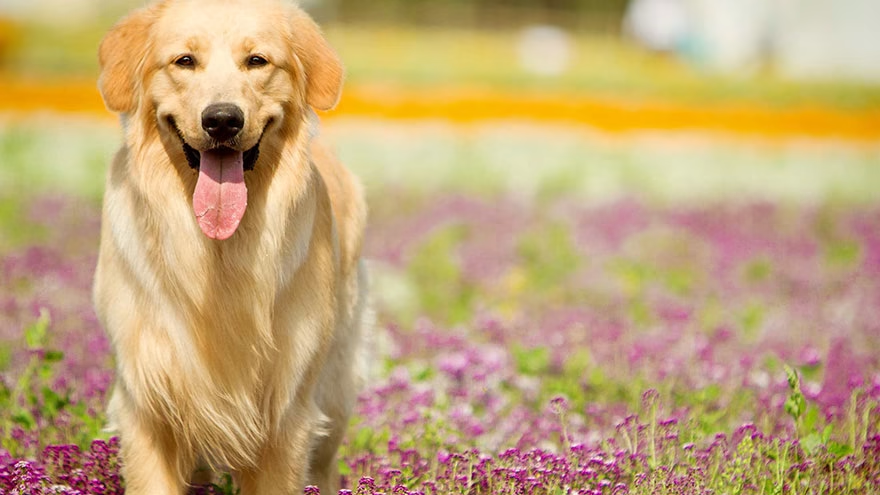
Golden Retriever breed information often begins with a familiar picture: a cheerful, soft-coated family dog carrying a ball. That picture is fair, but incomplete. A Golden still needs daily exercise, training, grooming, health planning, and a home ready for a social sporting breed.
The American Kennel Club's Golden Retriever breed page describes the breed as a Scottish gundog used in hunting, field work, guide work, search and rescue, obedience, and companionship. That working history still shows in the modern family dog.
A Golden is sweet, but sweetness does not replace structure.
Temperament and Family Fit
Goldens are often social, eager, people-oriented, and playful. Many do well with children and visitors when trained and supervised. Their friendliness can be a gift, but it can also become jumping, mouthing, stealing objects, and overexcited greetings if manners are not taught.
Families should teach calm greetings, safe play, and respect around food, toys, and rest. A Golden is usually sturdy compared with toy breeds, but children still need to learn that a dog is not playground equipment.
Family-friendly still means family-supervised.
Exercise Is a Daily Need
Golden Retrievers usually need regular physical activity and mental work. Walks, training games, retrieve games, swimming where safe, scent work, and structured play can all help. A bored Golden may chew, bark, steal items, dig, or become hard to settle.
Match exercise to age, health, weather, and conditioning. Puppies should not be pushed through adult workouts, and older dogs may need shorter, softer sessions.
For another sporting breed comparison, Livecub's German Shorthaired Pointer common questions shows why energy needs must be read breed by breed.
Training Should Start Early
The AKC's recent article on whether a Golden Retriever is a good fit notes that early socialization and consistent training help the breed become well-mannered adults. Start with name response, recall, leash manners, settle, drop, leave it, and polite greetings.
Goldens often respond well to reward-based training because food, toys, praise, and social access matter to them. The owner still has to be consistent. If one person rewards jumping and another discourages it, the dog receives mixed lessons.
Goldens learn fast, including habits you did not mean to teach.
Grooming and Coat Care
The Golden coat needs brushing, especially around the ears, tail, feathering, chest, and areas that collect burrs or mats. Regular brushing also helps owners check skin, lumps, ticks, sore spots, weight change, and ear irritation.
Bathing should fit the dog's coat and lifestyle. Dogs that swim often or hike through mud need more cleanup than a quiet house companion. Nail care, dental care, and ear checks belong in the routine too.
Livecub's longhair dachshund grooming guide covers a different coat, but the habit of checking the body during grooming applies well to Goldens.
Health Screening Before a Puppy
The Golden Retriever Club of America's health and research section points buyers toward issues such as parent health screening, cancer information, eye concerns, and breed health education. Puppy buyers should ask for records, not only reassurance.
GRCA's page on health screenings for parents of a litter discusses hips, elbows, eyes, and hearts. Ask where results are listed and how the breeder uses them.
Health screening is not a guarantee, but it is a serious buyer question.
Food, Weight, and Growth
Goldens can gain weight if portions, treats, and exercise are not managed. Extra weight affects stamina, joints, heat tolerance, and long-term comfort. Use body condition scoring with your veterinarian rather than judging by coat fluff.
Puppies need growth handled carefully. Ask your vet about food, portion changes, treats, and exercise limits. A fast-growing puppy should be kept lean and active without being overworked.
Apartment and City Living
Some Goldens can live well in apartments or city homes, but the owner must replace yard access with real walks, training, and enrichment. Elevator manners, calm hallway greetings, and paw cleanup become part of the routine.
Noise can also matter. A bored Golden may bark, drop toys, or pace. City living works best when the dog has a predictable schedule and enough outdoor time.
Water and Retrieve Instinct
Many Goldens love water and carrying objects. That can be fun, but owners should teach drop, wait, and recall before games become frantic. Supervise swimming, check water conditions, and dry ears if your veterinarian recommends it.
Retrieve games should end before the dog is exhausted or sore. A Golden may keep going because the game is exciting, not because the body has unlimited capacity.
Enthusiasm needs owner judgment.
Life Stage Changes
A Golden puppy needs sleep, potty structure, socialization, and gentle handling. An adolescent Golden often needs renewed training around distractions, because the dog is bigger and more confident. An adult Golden needs steady exercise, weight management, grooming, and enough mental work to stay settled.
Senior Goldens may need softer activity, more careful footing, dental care, pain checks, and vet screening. The breed's friendly expression can hide discomfort, so owners should watch movement, appetite, sleep, and mood.
Golden care changes as the dog changes.
Common Daily Challenges
Many Golden homes deal with shedding, muddy paws, stolen socks, counter interest, mouthy play, and excited greetings. These are normal training and management topics, not reasons to give up on the breed.
Use gates, storage, towel routines, clear toy choices, and short daily lessons. Preventing a habit is easier than arguing with it after the dog has practiced for months.
Most Golden problems are easier with setup, not scolding.
Who Should Think Twice?
A Golden may not fit a home that wants a low-shedding dog, little daily exercise, no training plan, or a dog that can be ignored for long workdays. The breed usually wants contact, movement, and involvement.
For puppy-buyer question habits across breeds, Livecub's Brittany Spaniel breeder recommendations can help structure the conversation before choosing a breeder.
Rescue and Adult Goldens
An adult Golden can be a good match for people who do not want puppy chaos, but adults still need training, vet review, grooming, and time to settle. Ask rescues what is known about children, other dogs, cats, crate comfort, health history, and separation behavior.
Give an adult dog a quiet transition instead of expecting instant perfection. A new home changes routines, smells, people, and rules all at once.
Adult dogs need onboarding too.
Daily Life With a Golden
A good Golden routine includes exercise, training, rest, grooming, feeding structure, and family time. The breed often thrives when it has a job, even if that job is only carrying a toy, practicing manners, or joining a morning walk.
Goldens are popular for good reason, but popularity should not make the decision casual. Choose the breed because its real needs fit your life, not only because the image is appealing.
Preparing the Home
Before bringing home a Golden, plan where the dog will sleep, where wet towels will go, how food will be stored, and which rooms need gates during puppyhood. Decide who handles walking, training, grooming, and vet appointments.
Families should agree on rules before the dog arrives. If one person allows couch jumping, another rewards begging, and another punishes barking after it works, the dog receives a confusing set of lessons.
A Golden learns the household system quickly.
Vet and Grooming Rhythm
Routine vet visits, parasite prevention, vaccines based on risk and law, dental planning, weight checks, and ear checks all belong in the care plan. Grooming should be frequent enough to prevent mats and catch skin changes early.
Keep records of weight, food, symptoms, medications, and changes in movement. Clear notes help your veterinarian and make gradual shifts easier to explain.
The Best Match Is Active and Present
The happiest Golden homes usually have people who enjoy being involved with the dog. That does not mean constant entertainment. It means regular walks, training, grooming, affection, rest, and a place in family life.
If that rhythm sounds enjoyable rather than burdensome, the breed may fit well.
Frequently Asked Questions
Are Golden Retrievers good family dogs?
They often are, when trained, exercised, supervised with children, and given enough daily attention.
Do Golden Retrievers shed a lot?
Yes. Regular brushing helps, but owners should expect hair in the house and seasonal coat changes.
How much exercise does a Golden Retriever need?
Most need daily walks, training, play, and mental work, adjusted for age, health, weather, and conditioning.
What health records should Golden Retriever breeders show?
Ask about hip, elbow, eye, and heart screening, plus any breed-relevant genetic testing and public database records.

Chiara Bradshaw
Covers education, culture and creative topics with an emphasis on readable explanations and verifiable references.
Leave a reply
Replying to