
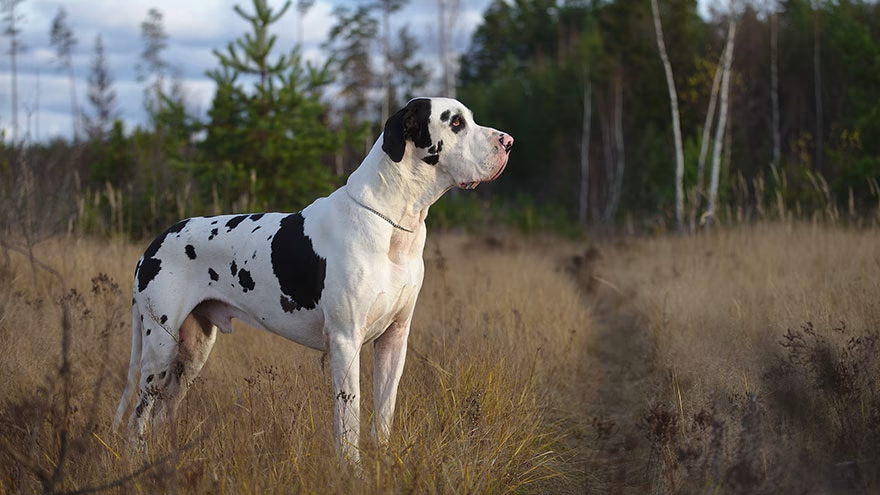
A Great Dane Is Gentle but Still Giant
Great Dane breed information often starts with the phrase gentle giant, and the phrase can be true. It can also hide the work. A friendly giant dog still needs training, space, food planning, vet care, safe movement, and a home ready for size.
The American Kennel Club's Great Dane breed page describes the breed as sociable, friendly, eager to please, and responsive to firm, consistent training. That temperament is one reason people love the breed, but training has to start early.
The Great Dane's size makes manners part of safety.
Size Changes Everyday Life
A Great Dane can reach counters, block hallways, fill a car crate, and turn a normal leash walk into a strength test if manners are weak. Even a sweet dog can knock someone down by leaning, jumping, or turning too quickly in a small room.
Think about stairs, flooring, vehicle access, rental rules, yard safety, couch rules, and where the dog will sleep. A Great Dane does not need a mansion, but the home must be planned around a very large body.
Livecub's biggest dog breeds article can help compare how size affects care choices.
Temperament and Family Fit
Well-bred and well-raised Great Danes are often affectionate, people-oriented, and calm indoors after their needs are met. They can be good family dogs when children are taught safe behavior and adults supervise closely.
Small children should not be left to manage a giant dog alone. A Dane does not need to be aggressive to create risk. A happy tail, a clumsy step, or a playful shoulder bump can be enough.
Family fit depends on supervision as much as sweetness.
Training Should Begin Early
Training a Great Dane is not about being harsh. It is about teaching a large dog how to move politely through human spaces. Start with name response, settling, leash walking, gentle greetings, waiting at doors, and coming when called.
Use rewards, consistency, and short sessions. A young Dane is easier to guide before full size arrives. Rough handling can damage trust and make a powerful dog harder to manage.
For another strong-breed comparison, Livecub's Rottweiler common questions can help frame why early manners matter.
Exercise Should Be Controlled
Great Danes need movement, but they are not built for endless forced running. Puppies especially need careful activity while bones and joints develop. Ask your veterinarian and breeder about safe exercise for your dog's age.
Adult Danes often do well with walks, training games, gentle play, and time with their people. Watch for limping, reluctance, stiffness, or fatigue that seems unusual.
Exercise should build condition without punishing the joints.
Puppy Growth Needs Patience
A Great Dane puppy can grow so quickly that people forget the dog is still a baby. Fast growth, slick floors, repeated jumping, rough stairs, and too much forced exercise can make daily life harder on a developing body.
Ask your vet and breeder about food, body condition, growth rate, and safe movement. Keep the puppy lean, use non-slip rugs, and teach calm household behavior before the dog is too large to redirect easily.
Giant-breed puppy care is slow on purpose.
Feeding and Bloat Awareness
Deep-chested giant breeds raise real bloat concerns. The Great Dane Club of America's illustrated standard page is a useful breed context source, and many veterinary discussions of Danes include gastric dilatation-volvulus risk. Owners should ask their veterinarian about feeding routine, activity timing, emergency signs, and whether preventive gastropexy belongs in the conversation.
Emergency signs can include a swollen abdomen, repeated unproductive retching, drooling, restlessness, collapse, or severe distress. Do not wait at home if these signs appear.
Bloat planning should happen before an emergency night.
Health Screening Questions
The Orthopedic Foundation for Animals has a CHIC program that helps parent clubs, breeders, buyers, and researchers organize breed-specific health screening information. For Great Danes, buyers should ask breeders about hips, heart, eyes, thyroid, and other parent-club recommendations that apply at the time.
A health record should be verifiable, not only promised. Ask where results are listed, what age the dog was tested, and what the breeder does with those results.
Health screening reduces guesswork before a puppy comes home.
Home Setup Matters
A Great Dane needs a home that makes large movement safe. Use rugs on slick floors, choose a bed large enough for full rest, keep food and trash secured, and think about how the dog will get into a vehicle.
Also plan for illness. A giant dog that cannot walk is difficult to move without help. Know which emergency clinic can handle large dogs, and keep a ramp or helper plan in mind before you need it.
With a Dane, logistics are part of care.
Grooming Is Simple but Not Optional
The short coat is easier than many breeds, but Great Danes still need brushing, nail care, ear checks, dental care, bathing when needed, and skin checks. Their size can make simple tasks harder if the dog has not learned to stand calmly.
Teach cooperative handling early. Touch paws, ears, mouth, and body in short reward-based sessions so vet visits and grooming do not become wrestling matches.
Livecub's longhair dachshund grooming guide covers a different coat, but the body-check habit applies to every breed.
Cost Is Part of Breed Fit
Food, preventives, medication, surgery, boarding, beds, crates, vehicles, and emergency care can cost more for a giant breed. A Great Dane can be an amazing companion and still be expensive to maintain.
Plan for pet insurance or a savings fund before the first major vet bill. Budgeting is not a lack of love. It is part of caring for a dog whose care is physically and financially larger.
Daily Routine Keeps the Dog Easier to Live With
Great Danes often do well with predictable meals, walks, rest periods, training practice, and a clear place to settle. Routine helps a large dog relax instead of inventing its own entertainment.
Teach the dog to wait at doors, move off furniture when asked, lie on a mat, and greet visitors calmly. These are ordinary skills, but size makes them feel much more valuable.
Good manners let a giant dog share small spaces safely.
Do Not Skip Mental Work
A Dane may look like a couch companion, but the mind still needs a job. Use short training games, scent work, food puzzles, calm handling practice, and easy obedience refreshers.
Mental work can tire a dog without adding joint stress. It also gives you a better way to manage boredom, attention-seeking, and overexcited greetings.
Vet Care Should Be Planned Around Size
Routine vet care can feel different with a Great Dane. Exams, nail trims, blood draws, imaging, medications, anesthesia, and recovery may all require more planning than with a small dog. Teach cooperative handling early so clinic visits are safer for everyone.
Keep records of weight, diet, exercise, medications, symptoms, and any bloat-like episodes in relatives if the breeder shares that history. Clear notes help your veterinarian spot patterns and give more useful guidance.
Large-dog care gets easier when the dog knows how to be handled.
Apartment and Rental Living
Some Great Danes can live calmly in apartments, but rental rules, elevator size, neighbor comfort, potty access, and noise need honest review. A calm indoor temperament does not remove the need for outdoor breaks and daily training.
Before bringing one home, check lease restrictions by breed, weight, and insurance. Moving later with a giant breed can be harder if housing options are limited.
Who Should Think Twice?
A Great Dane may not fit a home with no room for safe movement, no training plan, unstable housing, no emergency budget, or adults who want a dog that can be managed casually. The breed asks for patience and planning.
If that planning sounds worthwhile, the reward can be a deeply affectionate dog with a calm presence and a memorable personality.
Frequently Asked Questions
Are Great Danes good family dogs?
They can be good family dogs with training, supervision, safe child interactions, and adults who respect the breed's size.
Do Great Danes need a lot of exercise?
They need regular activity, but forced running and high-impact work should be handled carefully, especially during growth.
What health issues should Great Dane owners know?
Ask a veterinarian and breeder about bloat risk, heart screening, orthopedic health, thyroid questions, eyes, weight, and emergency planning.
Are Great Danes easy to groom?
The short coat is simple, but nail care, dental care, skin checks, and cooperative handling still need steady attention.

Chiara Bradshaw
Covers education, culture and creative topics with an emphasis on readable explanations and verifiable references.
Leave a reply
Replying to