

How to Calculate the Weight of a Fetus is less about doing a home math problem and more about understanding how clinicians estimate growth from ultrasound measurements.
Parents often want a clear number, but fetal weight is an estimate. The useful part is the pattern: gestational age, growth percentile, fluid, placenta, Doppler results when used, and whether the baby keeps growing over time.
What Fetal Weight Really Means
A fetus is not weighed directly before birth. The number on an ultrasound report is usually called estimated fetal weight, or EFW. It is calculated from measurements such as head size, belly size, and thigh bone length.
ACOG explains that ultrasound can estimate gestational age and check fetal physical development: ACOG ultrasound exams. That estimate helps clinicians decide whether growth looks expected for the pregnancy stage.
The estimate is useful, but it is not a promise about birth weight. Babies can weigh more or less than the ultrasound estimate, especially later in pregnancy.
The Measurements Behind The Estimate
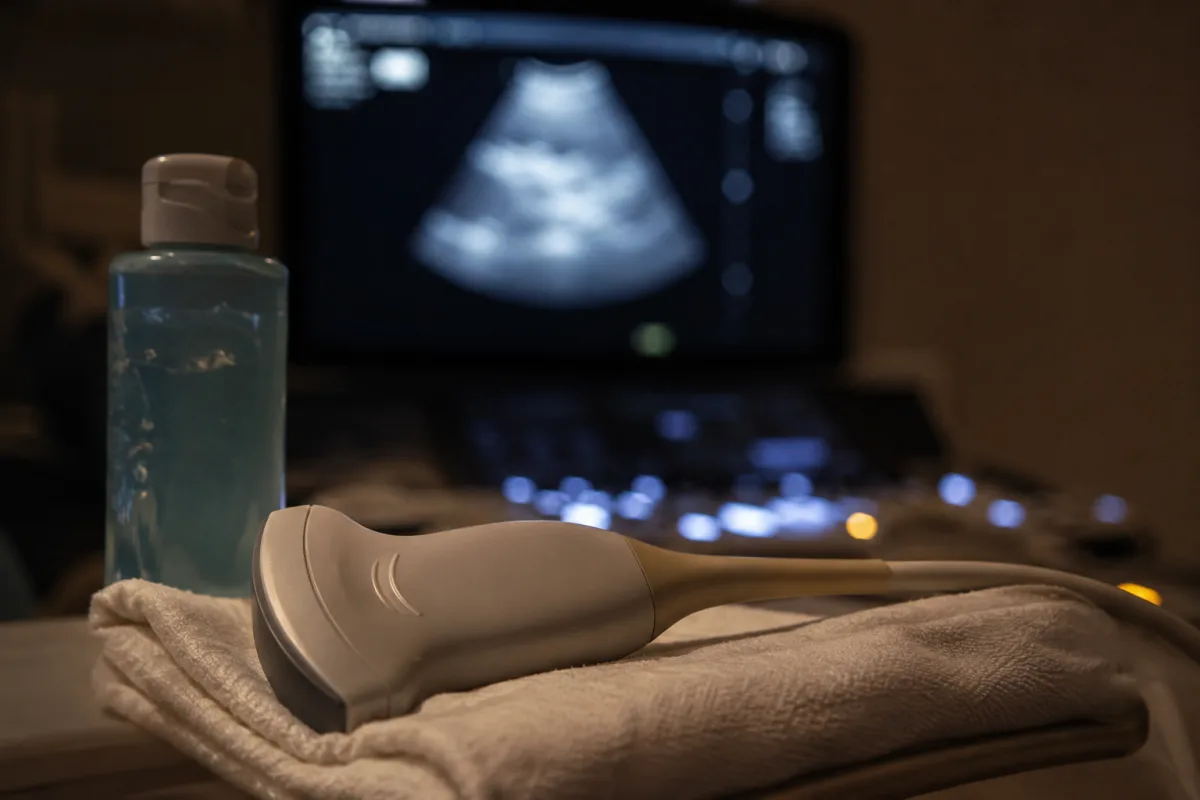
Common ultrasound measurements include biparietal diameter, head circumference, abdominal circumference, and femur length. A formula combines those numbers to estimate weight.
The abdominal circumference often carries a lot of weight in the calculation because it reflects soft-tissue growth. That is why a small or large belly measurement can shift the estimate.
A single measurement can be affected by fetal position, image quality, gestational age, and who is performing the scan. That is why clinicians look at the whole report, not just one number.
Why Percentile Matters More Than Pounds

A fetus estimated at four pounds can be perfectly reasonable at one week and concerning at another. Percentile compares the estimate with other fetuses at the same gestational age.
SMFM defines fetal growth restriction as estimated fetal weight or abdominal circumference below the 10th percentile for gestational age: SMFM fetal growth restriction guidance. That does not mean every small baby is sick, but it does mean the care team may look closer.
Large estimates also need context. Diabetes, dating errors, family build, and prior birth weights can all shape how the number is interpreted.
Dating Comes First
Fetal weight estimates depend on accurate pregnancy dating. If the due date is off, the percentile may look wrong even when growth is normal.
Early ultrasound and last-period dates may be used together. If you are still trying to understand early dating language, early pregnancy timing can help with the calendar side, but medical dating belongs with your clinician.
When dates are uncertain, the clinician may repeat a scan instead of making a decision from one estimate.
Fundal Height Is A Screening Clue
After the midpoint of pregnancy, clinicians may measure fundal height, which is the distance from the pubic bone to the top of the uterus. It is a simple office measurement, not a fetal scale.
If fundal height is smaller or larger than expected, an ultrasound may be ordered to estimate fetal weight and check fluid. Sometimes the baby, uterus, or body shape makes fundal height less precise.
Do not try to diagnose fetal weight from belly shape, strangers' comments, or how large you feel. Those are not reliable measurements.
Growth Over Time Is The Better Story
One scan is a snapshot. Two or more scans can show whether the baby is following a growth curve, slowing down, or catching up.
A small baby who keeps growing steadily may be managed differently from a baby whose percentile drops. The same is true for a large estimate that changes the birth plan conversation.
Ask when the next measurement would actually change care. That keeps the focus on decisions, not only numbers.
What Can Make Estimates Wrong
Late pregnancy estimates can be off because the baby is bigger, bones overlap, and the head may be low in the pelvis. Maternal body habitus, fibroids, low fluid, and fetal position can also make images harder.
Even skilled sonographers work with angles and formulas. If the estimate feels surprising, ask about the margin of error and whether a repeat scan is planned.
The goal is not a perfect prediction. The goal is to catch patterns that could affect monitoring, timing of birth, or delivery planning.
Small Estimated Weight
A small estimate may lead to a review of dating, anatomy, placenta, fluid, blood pressure, medical history, and fetal movement. Some babies are constitutionally small and healthy; others need closer monitoring.
ACOG's fetal growth information explains that fetal growth follows a general pattern while every pregnancy is unique: ACOG fetal growth overview. That balance matters when a report looks small.
If anxiety spikes after a growth scan, depression during pregnancy may help with the emotional side while your clinician explains the medical plan.
Large Estimated Weight
A large estimate may raise questions about diabetes screening, prior large babies, family build, shoulder dystocia risk, and birth plan options. It does not automatically mean a cesarean birth.
Ask how confident the estimate is, what percentile it falls in, and what choices would change if the next scan shows the same pattern.
If the anatomy scan also revealed fetal sex and you plan to share that news, gender announcement ideas is a lighter topic for later, separate from growth decisions.
What To Ask After A Growth Scan
Ask the estimated weight, percentile, abdominal circumference percentile, fluid level, placenta notes, Doppler results if used, and whether the scan changed your risk level.
Ask what would trigger another scan, a nonstress test, a specialist referral, or a delivery timing conversation. Write the answers down before leaving.
If a support person attends the appointment, ask them to listen for dates and next steps. The guide to emotional support during early labor is written for labor, but calm listening helps during scan follow-up too.
Do Not Use Online Calculators As A Diagnosis
Online fetal-weight calculators may use the same kinds of ultrasound measurements, but they cannot judge image quality, medical history, or whether the values were entered correctly.
They also cannot decide whether the pregnancy needs Doppler testing, diabetes review, blood pressure care, or specialist input.
If you want to understand the math, ask the clinic for the printed report and talk through the impression section with a clinician.
When To Call Between Scans
Call promptly for decreased fetal movement after movements have become regular, bleeding, severe pain, severe headache, vision changes, sudden swelling, leaking fluid, or symptoms your clinic told you to watch.
A growth estimate is only one part of pregnancy monitoring. Your symptoms and the baby's movement pattern still matter.
If body comments are wearing on you, feeling attractive during pregnancy may help protect your headspace while you stick with medical facts.
How Clinicians Use The Number
An estimated weight can affect follow-up timing, but it rarely acts alone. Clinicians usually combine it with gestational age, percentile, amniotic fluid, maternal conditions, and prior scan results.
For example, a low percentile with normal fluid and steady growth may lead to a different plan than a low percentile with abnormal blood flow or falling growth.
Ask which part of the report drove the recommendation. The answer should be clearer than the baby is small or the baby is big.
Bring The Report To The Visit
If you receive ultrasound results in a portal, save the report and bring questions. Look for the impression section, estimated fetal weight, percentile, abdominal circumference, fluid, and placenta notes.
Do not panic over abbreviations before the clinician explains them. Reports are written for medical communication, not for calm bedtime reading.
If a result is unclear, ask for a plain-language summary and the next decision point.
Do Not Compare One Scan To An App
Pregnancy apps often show average fetal weights by week, but those numbers are broad estimates. They are not adjusted to your dating, scan quality, family history, or medical conditions.
If an app number and an ultrasound report do not match, use the clinical report as the starting point for questions.
Ask your clinician what range they consider expected for your pregnancy instead of chasing a perfect chart number.
Frequently Asked Questions
Can I calculate fetal weight myself?
Not accurately without ultrasound measurements. Even with measurements, the result is an estimate.
How accurate is estimated fetal weight?
Accuracy varies, especially late in pregnancy. Ask your clinician about the margin of error.
Is a small estimate always dangerous?
No. Some babies are small and healthy, but low percentiles may need follow-up.
Does a large estimate mean I need a C-section?
Not automatically. Your clinician should explain risk, uncertainty, and options.
What number should I ask for?
Ask for the estimated weight, percentile, fluid level, and what the result changes in your care plan.
This article is for general information only and isn't a substitute for medical advice. Talk to a clinician who knows your full history before making changes.

Cashie Evans
Covers parenting and practical household topics with clear steps, safety notes and links to current guidance.




Leave a reply
Replying to