

How to Change a Self-Image is not about pretending to love every part of yourself overnight. It is about changing the thoughts, habits, comparisons, and avoidance patterns that keep an old identity in place.
A self-image can shift through small evidence: what you try, how you speak to yourself, who you spend time with, and when you get help for deeper anxiety, depression, trauma, or body image distress.
Name The Current Story
Start by writing the story you repeat about yourself: I am awkward, I fail, I look wrong, I am weak, I am too late. Keep it plain.
NHS says low self-esteem can lead people to avoid challenging situations and that avoidance can reinforce doubts. Its low self-esteem guide is a useful starting point.
Separate Facts From Judgments

A fact is specific: I did not get the job. A judgment is global: I am useless. Self-image changes when you stop treating every judgment as evidence.
Write the situation, the thought, the feeling, and a fairer response. This is not forced positivity; it is better accuracy.
Use CBT Tools
APA describes cognitive behavioral therapy as a treatment that helps people change thinking and behavior patterns. Its CBT overview explains the basic idea.
You can borrow the structure: notice the thought, test it, choose a small action, and review what happened. A therapist can help when patterns are deep.
Build Evidence
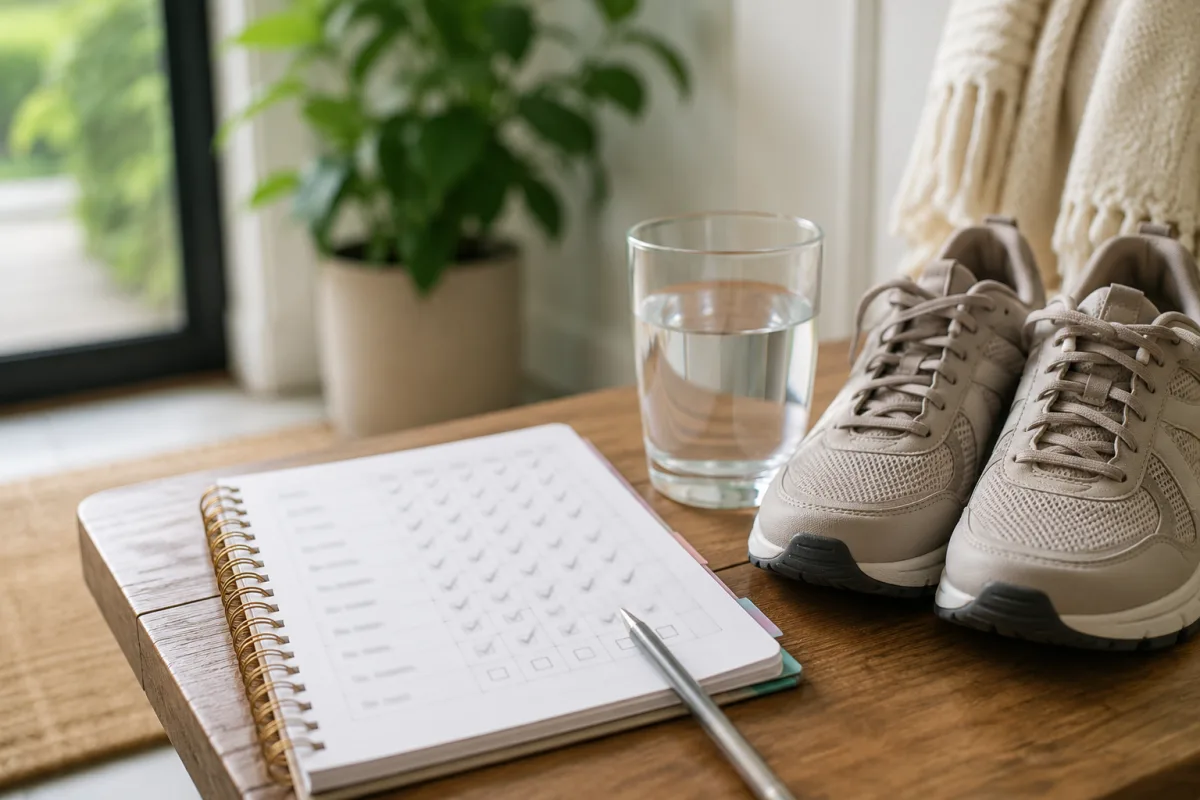
Self-image changes through evidence, not slogans. If you think you are unreliable, keep one tiny promise daily and record it.
The action should be small enough to repeat. A 10-minute walk, one email, one cleaned surface, or one honest conversation can begin to challenge the old label.
Stop Mirror Trials
If body image is part of the problem, repeated mirror checking, photo checking, or comparison may keep distress alive. Reduce checking gradually.
The Office on Women's Health explains that body image includes thoughts, feelings, and behaviors related to the body: body image overview.
Change The Input
Social media, gossip, harsh family comments, and perfectionist work cultures can all feed a poor self-image. You may need less exposure, not more willpower.
Mute accounts, limit comparison triggers, and notice who leaves you feeling human. The environment is part of the pattern.
Try Behavior Before Belief
You do not have to feel confident before acting. Try the behavior in a small dose, then let the result update the belief.
For performance fear, Livecub's stage fright guide and sports tryout nerves guide can help turn confidence into practice steps.
Use Food Tracking Carefully
Food journals can help some people notice patterns, but they can hurt if used for punishment or body obsession.
If tracking is safe for you, Livecub's food journal guide may help. Stop if it increases shame, restriction, or constant body checking.
Practice Assertive Language
Self-image changes when your language changes in relationships. Try: I need time, I disagree, I cannot do that, or I am not available.
This may feel fake at first because the old self-image expects you to apologize for having limits. Practice anyway, in low-risk settings first.
Social Avoidance
Avoidance can protect you short term and shrink life long term. Start with one manageable social action: reply to a message, attend for 20 minutes, or ask one question.
If speaking anxiety is severe, Livecub's selective mutism guide may point toward a more specific support path.
Support From Others
Choose people who can reflect reality without flattery. You need steady, honest support, not constant reassurance that disappears after an hour.
For older adults or caregivers, Livecub's motivating the elderly guide can help families support change without pushing shame.
When To Get Help
Get professional help if self-image problems drive depression, panic, eating disorder symptoms, self-harm thoughts, isolation, substance use, or inability to function.
Mayo Clinic's self-esteem guidance frames this kind of work around counseling-based steps. You do not have to do it alone.
Expect Resistance
Old self-image patterns can feel familiar even when they hurt. A kinder thought may feel false simply because it is new.
Do not judge the first week by comfort. Judge it by whether you practiced.
Measure Differently
Instead of asking whether you feel transformed, ask what you did differently today. Did you pause, speak up, try, rest, or stop comparing sooner?
Those small measurements make progress visible before the deeper belief changes.
Choose One Identity Area
Do not try to change every self-belief at once. Pick one area: work, body, social confidence, discipline, creativity, or relationships.
A narrow target gives you clearer actions. I am practicing speaking up is easier to test than I am becoming a new person.
Write A Fair Statement
Replace the harsh story with a fair statement, not a sugary one. Instead of I always fail, try I struggled with this, and I can plan the next attempt.
Fair statements are easier to believe because they do not deny reality. They widen it.
Reduce Reassurance Loops
Constantly asking others if you are okay can feel soothing for a moment, then restart doubt. Try delaying the question and writing your own answer first.
If reassurance seeking is tied to anxiety or body checking, therapy may help you break the loop safely.
Use Values
A healthier self-image grows faster when linked to values. Ask what kind of person you want to practice being today: honest, steady, kind, brave, disciplined, or curious.
Then choose one action that fits the value. The action matters more than the mood.
Repair After Setbacks
A setback does not prove the old image was true. It is a moment to repair: apologize, rest, try again, ask for feedback, or change the plan.
People with healthier self-image still make mistakes. They do not turn every mistake into an identity sentence.
Therapy Fit
If you try therapy, fit matters. You can ask about CBT, body image work, trauma-informed care, eating disorder experience, or social anxiety experience.
A good therapist should help you build skills, not just repeat compliments.
Body Neutrality
If body positivity feels unreachable, body neutrality may be a better first step. The goal can be respecting the body without needing to admire it every minute.
Neutral language lowers the fight: this is my body today, and I can care for it.
Skill Confidence
Confidence grows faster around skills than vague worth. Choose one skill to practice and let progress become evidence.
Cooking, public speaking, budgeting, exercise, drawing, or social skills can all give the mind new data.
Safe People
Changing self-image around unsafe or mocking people is harder. Spend more time with people who respect effort and less with people who profit from your insecurity.
This may mean firmer boundaries, shorter visits, or not sharing goals with everyone.
Crisis Signs
If self-image turns into self-harm urges, eating disorder behavior, panic, or not wanting to live, skip self-help and seek urgent support.
A workbook cannot replace crisis care. Safety comes before identity work.
Use Photos Carefully
Photos can help some people see progress, but they can also trigger checking and criticism. Decide ahead of time how often, why, and what you will do with them.
If photos make your day worse, use behavior notes instead.
Practice Being Seen
If you hide because of self-image, practice being seen in small ways: join a call, wear the outfit, ask the question, or attend briefly.
The goal is tolerating visibility, not performing confidence perfectly.
Keep The Promise Small
A self-image promise should be small enough to keep on a bad day. Five minutes of practice is better than a dramatic plan you abandon.
Kept promises teach the brain that your word to yourself counts.
Frequently Asked Questions
Can self-image really change?
Yes. It usually changes through repeated evidence, new behavior, fairer thinking, safer relationships, and sometimes therapy.
How long does it take to change self-image?
It varies. Small behavior changes can help quickly, but deep beliefs may take weeks, months, or professional support.
Is changing self-image the same as positive thinking?
No. The goal is fair, accurate thinking and behavior that matches your values, not forced praise.
Can social media affect self-image?
Yes. Comparison-heavy feeds can reinforce body and identity doubts. Reducing triggers may help.
When should I get professional help?
Seek help if poor self-image leads to depression, anxiety, eating disorder symptoms, self-harm thoughts, isolation, or major daily impairment.
Changing self-image is practical work: name the old story, test it with small actions, reduce harmful inputs, and get support when the pattern is too heavy to carry alone.

Alyssa Curlin
Edits general health, nutrition and education explainers. Medical topics are educational and link to public-health guidance.




Leave a reply
Replying to