
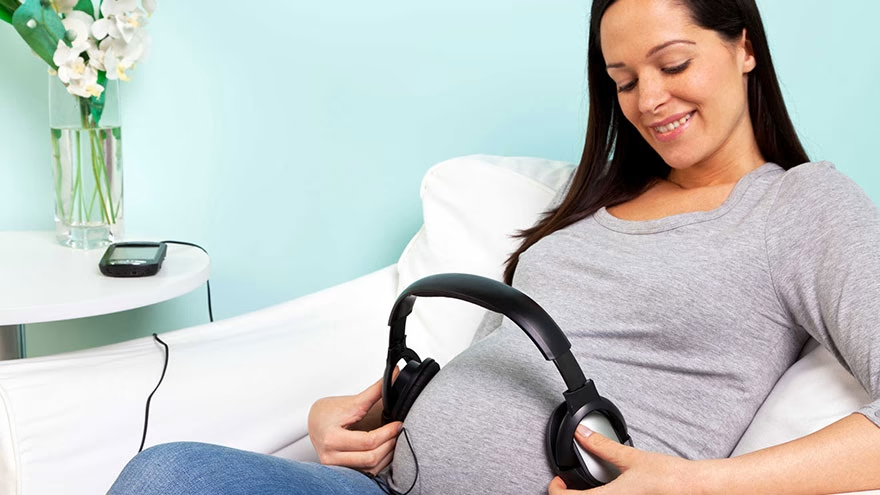
How to Play Music for a Baby in the Womb starts with a simple rule: play music for yourself first. If it relaxes you, helps you breathe, or creates a quiet bonding moment, it is already doing something useful.
This is general pregnancy education. Do not place loud speakers against the belly, do not use music to replace medical monitoring, and ask your clinician about any concern with fetal movement, pain, contractions, or workplace noise.
When Babies Hear
Fetal hearing develops gradually. CDC/NIOSH notes that ears develop by about 20 weeks and fetuses start responding to sounds around 24 weeks on its page about noise and reproductive health.
Mayo Clinic's second trimester fetal development page also describes hearing development around the middle of pregnancy.
Keep Volume Gentle

Music does not need to be loud to reach the womb. The pregnant body already carries sound, heartbeat, breath, and voice.
Use normal room volume. If it is uncomfortable for you, it is too much.
Skip Belly Headphones
Putting headphones or speakers directly on the belly can make people turn volume up too high. It is safer and more comfortable to play music in the room.
The point is a calm shared routine, not forcing sound through the abdomen.
Choose Music You Like
There is no required genre. Lullabies, soft pop, classical music, worship music, jazz, folk, or quiet instrumental tracks can all be fine if they help you settle.
A baby does not need a perfect playlist. Repetition and your relaxed mood matter more than prestige.
Use Your Voice

Talking and singing are easy, free, and personal. Your voice is part of the sound environment already.
If you and your partner are building routines, Livecub's staying intimate during pregnancy may fit the broader bonding conversation.
Short Sessions
Try 10 to 20 minutes if you enjoy structure. Stop sooner if you feel overstimulated, tired, or uncomfortable.
Music can be part of bedtime, stretching, journaling, or a quiet afternoon break.
Do Not Chase Movement
Some babies move after sound; some do not. Fetal movement patterns depend on gestational age, sleep cycles, placenta position, and many other factors.
If you notice decreased fetal movement later in pregnancy, follow your clinician's instructions instead of trying to wake the baby with music.
Noise At Work
Very loud, repeated noise exposure is a different topic from playing music at home. CDC/NIOSH says loud noise may be able to damage fetal hearing.
If your job is loud, ask about hearing protection, distance from the source, and workplace adjustments.
Make It A Routine

A routine can be as simple as one song after dinner or a soft playlist while folding baby clothes. It should feel like a pause, not another task.
If music helps mood, keep it for you even if the baby gives no obvious response.
Pair With Reading
Reading out loud, humming, or telling the baby about the day can feel awkward at first. It gets easier when you stop performing and just speak normally.
You can also use the routine after birth, when familiar songs may help you feel steadier.
Family Involvement
Partners and siblings can choose one gentle song, sing quietly, or record a short message. Keep the pregnant person's comfort first.
For announcement planning around the same season of pregnancy, Livecub's gender announcement ideas is separate but related.
After The Anatomy Scan
Many people start music routines after the anatomy scan because the pregnancy feels more concrete. That timing is emotional, not required.
If you are also making keepsakes, Livecub's belly bowl cast article belongs in the memory-making category.
If You Feel Silly
Feeling silly is common. Start with one song you already like and let the routine stay private.
The baby does not need a formal concert. A relaxed parent is enough.
Food And Comfort
Pair music with water, a snack, or a calm seat if nausea or reflux is active. Comfort makes the routine easier to keep.
Livecub's bland diets for pregnancy may help if meals are still difficult.
The Parent Benefit
Music can lower the temperature of the day. It may help with breathing, boredom, worry, or the strange waiting feeling that comes with pregnancy.
That benefit does not depend on proving the baby learned a song. A calmer routine is enough reason to keep it.
Volume Check
A simple test is whether you can talk over the music without raising your voice. If conversation feels difficult, turn it down.
Avoid long sessions with bass-heavy speakers close to the body. Ordinary room sound is the safer default.
Headphones For The Parent
If you want loud music in headphones for yourself, keep general hearing safety in mind. The baby is not the only concern; your own ears matter too.
Take breaks, keep volume moderate, and avoid using headphones to block out symptoms you should report, such as pain or concerning movement changes.
After Birth
The same song may become a feeding, rocking, or bedtime cue after birth. It may comfort you even if the newborn does not react the way you imagined.
Choose songs you will not hate after hearing them many times. Practical taste beats perfect taste here.
Quiet Counts Too
You do not have to fill pregnancy with sound. Quiet rest, normal conversation, and daily household noise are already part of the baby's environment.
If music starts to feel like homework, drop the routine or make it shorter.
Movement Myths
A kick after a song can feel special, but it does not prove the baby likes that song. It may be timing, position, digestion, or a normal active period.
Enjoy the moment without turning it into a test. If movement decreases later in pregnancy, use medical guidance, not playlist experiments.
Shared Playlist
A shared playlist can help partners feel involved. Keep it short and realistic: a calm song, a funny family song, a bedtime song, and maybe one song you want to remember.
Long playlists often become another unfinished project. A few songs are easier to use after birth.
Workplace Questions
If you work around machinery, concerts, sirens, aircraft, or other loud settings, ask occupational health or your prenatal clinician about exposure. Home music advice does not cover every workplace.
Distance, barriers, breaks, and reassignment may matter more than earplugs alone because fetal exposure is not the same as adult ear protection.
Cultural And Family Music
Family songs, prayers, lullabies, and language traditions can make the routine feel personal. A baby does not need to understand the words for the routine to matter to the family.
Choose music that helps you feel connected rather than music someone says is smarter or better.
If There Are Medical Concerns
If you have bleeding, pain, contractions, fluid leakage, high blood pressure concerns, or decreased movement later in pregnancy, music is not the tool to use.
Call the prenatal office or follow the triage plan. Comfort routines are useful, but they do not replace medical guidance.
Simple Setup
A simple setup is a chair, normal-volume music, water, and a short window of time. That is enough.
Keeping the routine easy makes it more likely to feel soothing instead of staged, especially on tired days.
Siblings And Music
Older children may enjoy choosing a soft song or singing a short lullaby. Keep the session brief so it stays sweet instead of chaotic.
This can help siblings feel included without turning pregnancy into a performance.
No Learning Claims
Be careful with products that promise smarter babies through special music. There is no need to buy a program to bond with a baby before birth.
Normal sound, gentle routines, and your voice are enough for a simple pregnancy music habit.
Frequently Asked Questions
When can a baby hear music in the womb?
Hearing develops gradually; fetuses may respond to sound around 24 weeks.
Should I put headphones on my belly?
No. Room-level music is safer and more comfortable.
What music is best?
Choose music you enjoy at a gentle volume; no genre is required.
Can loud music hurt the baby?
Very loud repeated noise may be a concern, especially in workplace settings.
Should music make the baby move?
Not always. Do not use music as a substitute for fetal movement guidance from your clinician.
Playing music for a baby in the womb should be gentle, ordinary, and centered on comfort. Keep the volume reasonable, use your voice, and treat it as bonding rather than a performance.

Olivia Prete
Edits culture and personal-development articles, distinguishing opinion and experience from verifiable claims.




Leave a reply
Replying to