

An Alaskan Malamute puppy looks like a bear cub for about five minutes, then grows into a powerful working dog with a thick coat, serious strength, and opinions about movement. A good Alaskan Malamute breeder prepares buyers for the adult dog: health testing, heat limits, coat blowouts, training, secure containment, and the cost of living with a large northern breed.
What should an Alaskan Malamute breeder explain first?
A breeder should start with adult reality. The American Kennel Club describes the Alaskan Malamute as an immensely strong, heavy-duty worker of spitz type, affectionate, loyal, playful, and dignified. That combination can be wonderful, but it is not low-effort.
The AKC Alaskan Malamute profile is a good baseline for breed size, history, and temperament. A breeder should build on that by explaining what their own adult dogs are like in daily life.
If you are comparing big dogs, Livecub's biggest dog breeds guide is useful because Malamute ownership is shaped by adult strength, not puppy charm.
What health testing should you ask for?

Ask for health testing documentation before discussing deposits. The Alaskan Malamute Club of America publishes buyer and health information, including required tests listed for breeders such as hip dysplasia screening, eye screening, and polyneuropathy DNA testing.
The AMCA puppy buyer page is useful because it puts health testing in front of buyers before they choose a litter. A breeder should explain results, not just say the parents are healthy.
Testing reduces risk; it does not erase biology. Ask what health issues have appeared in related dogs, how the breeder tracks them, and what support they give buyers if something appears later.
How should a breeder talk about temperament?
Malamutes are often affectionate with family, but they are also strong, social, independent, and capable of ignoring weak direction. A breeder should ask about your fencing, experience, children, other pets, climate, and plans for exercise. They should not sell the breed as a giant teddy bear for everyone.
Meet adult dogs if possible. Watch whether they are confident, manageable, and comfortable being handled. A noisy kennel is not automatically a problem, but fearful, frantic, or uncontrolled adult dogs deserve questions.
Temperament is inherited and practiced. Breeding, early handling, socialization, and your home routine all shape the adult dog.
What coat and grooming costs should buyers expect?
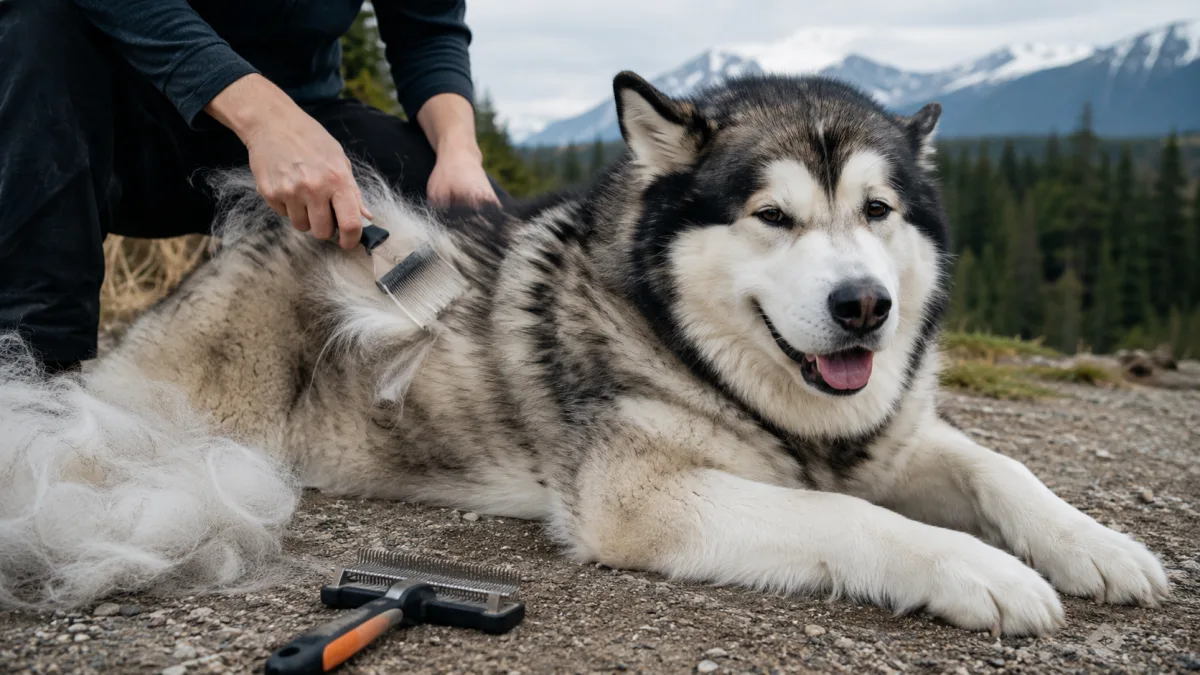
Malamutes have a dense double coat that sheds heavily, especially during seasonal coat blow. A breeder should explain brushing tools, drying, nail care, ear checks, and the reality of hair in the house. Shaving the coat for convenience is not a normal care plan.
Ask how often their adult dogs are brushed, what tools they use, and how puppies are introduced to grooming. A puppy who has never been brushed, handled, or placed on a grooming surface can become difficult very quickly.
For a different coat-care example, Livecub's longhair Dachshund grooming guide shows the same owner habit: grooming is health care as much as presentation.
What should a breeder ask about fencing and containment?
A serious breeder should ask where the dog will live, how the yard is fenced, how gates latch, and what happens when visitors, children, or delivery drivers open doors. Malamutes are strong, curious, and capable of making their own decisions when a barrier fails.
Secure fencing is not a substitute for training, but it gives training a chance to work. A tie-out in an unfenced yard is not a thoughtful plan for a large northern breed. Apartment living may be possible for some dogs, but only with exercise, management, and honest landlord rules.
Containment is welfare. It protects the dog, the neighborhood, wildlife, and the owner from preventable emergencies.
How much exercise and training should you plan for?
Plan daily movement, training, and mental work. Malamutes were built for endurance and work, but puppies still need age-appropriate exercise. A breeder should warn you against both extremes: under-exercising a bored adolescent and overdoing repetitive impact on a growing body.
Training should start early with leash manners, recall practice, settle, leave it, drop it, grooming cooperation, and door control. A Malamute that pulls for fun at 30 pounds will become a much bigger problem at adult size.
If you want a sporting-breed contrast, Livecub's German Shorthaired Pointer questions show another high-energy path, but Malamute strength and northern-breed independence change the plan.
Are Malamutes good with children and other pets?
Some Malamutes are excellent with respectful children, but their size and enthusiasm can knock small kids over. A breeder should ask about children's ages, supervision, gates, and how the family teaches dog manners. Children should not climb on, hug tightly, or disturb a sleeping dog.
Other pets need honest discussion. Malamutes can have strong prey drive, and same-sex dog conflict may appear in some lines or individuals. A breeder who says every Malamute is automatically safe with cats, chickens, rabbits, and all dogs is avoiding reality.
Management is not failure. Separate feeding, slow introductions, gates, crates, and leash control are normal tools in a multi-pet home.
What should the contract include?
Ask to read the contract before paying. It should cover registration terms, health terms, return policy, spay/neuter expectations if any, buyer responsibilities, and what happens if you cannot keep the dog. A responsible breeder wants the dog back or involved in rehoming.
The Alaskan Malamute Club of America's code of ethics says members should consider health issues in breeding and use health screening and DNA testing when available. The AMCA code of ethics gives buyers language for asking better questions.
A contract should protect the dog, not just the sale. If it only protects the seller's money, slow down.
What red flags should make you walk away?
Walk away from constant puppy availability, no health documents, no questions about your home, pressure to ship quickly, dirty conditions, fearful adults, no return policy, or a breeder who will not discuss coat, heat, fencing, and training. Also be wary of anyone marketing rare colors or size extremes as the main reason to buy.
Ask why they bred the litter. A thoughtful answer should include temperament, health, structure, purpose, and the match between parents. "They are cute" is not enough for a breed this powerful.
Livecub's Brittany Spaniel breeder recommendations cover another breed, but the same buyer discipline applies: verify health, temperament, and support.
How do you prepare for a Malamute puppy?
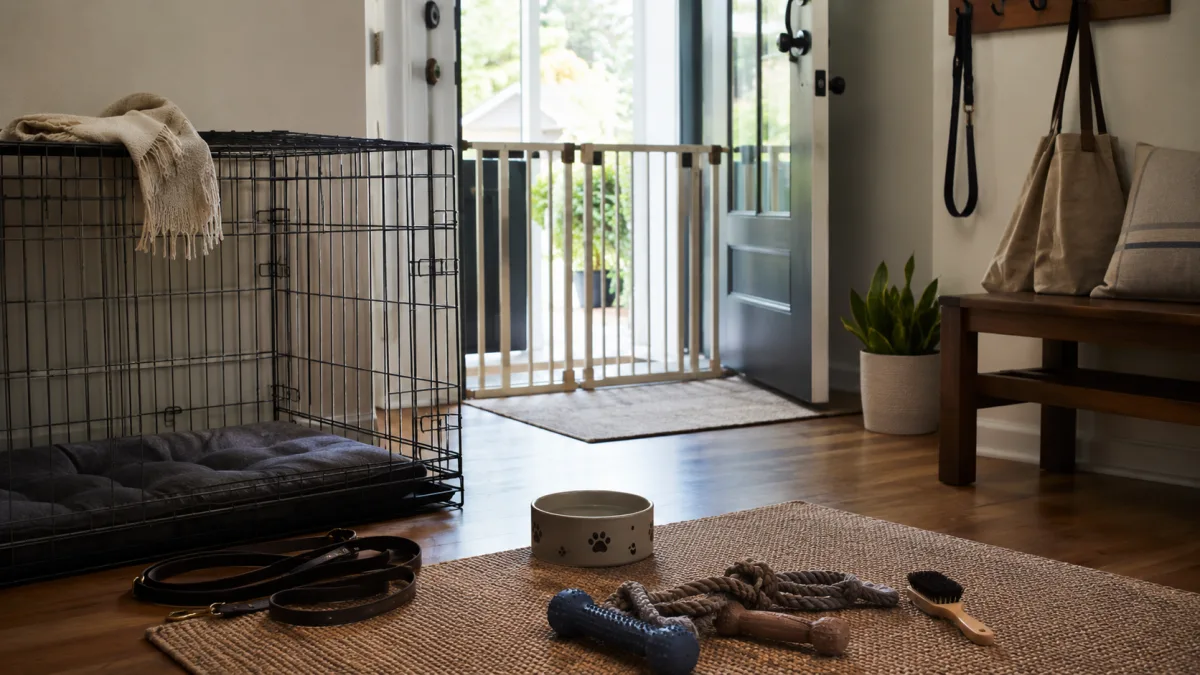
Prepare secure fencing, a large crate or safe room, chew management, grooming tools, a training class, a veterinary appointment, and a realistic plan for exercise. Puppy-proof as if the puppy will become stronger next week, because it will.
Think about climate. Malamutes often enjoy cold weather and can struggle in heat. Plan shaded walks, water, cool resting areas, and activity timing if you live somewhere hot.
Start the adult routine early. The puppy should learn that brushing, nail handling, calm greetings, leash walking, and alone time are normal household events.
What costs should buyers plan for?
Plan beyond the purchase price. Large crates, strong leashes, secure fencing, grooming tools, training classes, bigger food bills, preventive veterinary care, boarding, and vehicle space all cost more than many puppy buyers expect.
Ask the breeder what their adult dogs cost to feed and groom in a normal month. The exact number will vary by region and dog, but the conversation tells you whether the breeder wants you prepared or merely excited.
If the budget only works when nothing goes wrong, wait. A Malamute deserves an owner who can handle ordinary care and a few surprises.
Prepared homes age better.
Frequently Asked Questions
Are Alaskan Malamutes good first dogs?
They can be for committed owners with strong support, but they are often difficult for people who want easy obedience, low shedding, or light exercise needs.
Should a Malamute breeder let me meet the parents?
You should meet the dam when possible and discuss the sire. Adult temperament, condition, and handling matter more than puppy photos.
Are Malamutes good with other pets?
Some are, but prey drive and same-sex dog issues can occur. Careful introductions, management, and breeder honesty matter.
How do I know if a breeder is responsible?
Look for health documentation, adult-dog access, buyer screening, a clear contract, return support, and honest discussion of the breed's hard parts.
Buy the adult dog in your mind, not the puppy in the photo. A Malamute breeder should make the future feel clear before you bring the dog home.

Chiara Bradshaw
Covers education, culture and creative topics with an emphasis on readable explanations and verifiable references.


Leave a reply
Replying to