
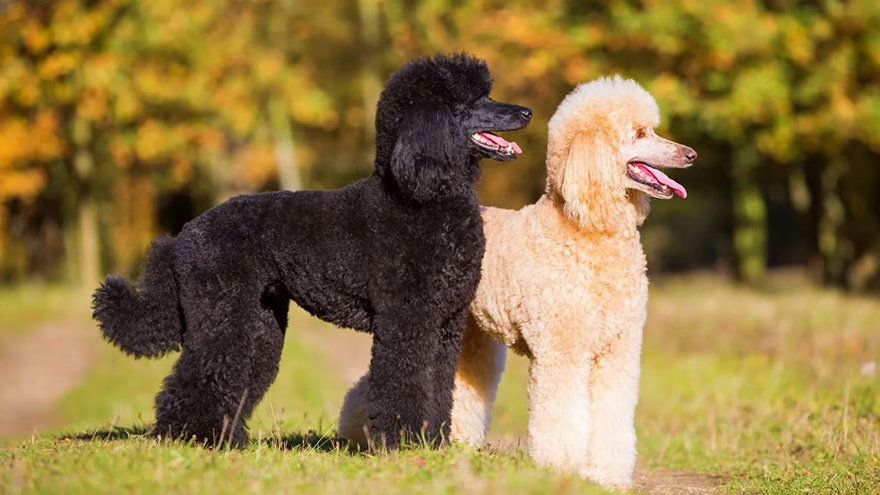
Quick Poodle Snapshot
Poodles are often reduced to fancy haircuts, but the breed is much more practical than that image suggests. They are smart, athletic, people-focused dogs with a curly coat that needs steady care. In the United States, the main size varieties are Standard, Miniature, and Toy. Size changes the household fit, but the same basic breed traits still matter: intelligence, trainability, coat care, and a need for human involvement.
The American Kennel Club's Standard Poodle page describes the Standard as active, proud, and very smart. The Poodle Club of America's Poodle information page gives health-testing detail across Toy, Miniature, and Standard Poodles. Read both before you decide a Poodle fits your life.
A good Poodle owner likes training, grooming appointments, and a dog that wants to be included. A Poodle is not low-maintenance just because it can look elegant. The best homes understand coat care and mental work from the beginning.
Size, Temperament, and Family Fit
1. What are the Poodle sizes?
Standard Poodles are the largest, Miniatures sit in the middle, and Toys are the smallest. Height and weight affect exercise style, travel, child safety, and grooming cost. Do not choose only by size. Ask what temperament and activity level match your home.
The size varieties also change practical details. A Standard may need more space in the car and more time to stretch out after being crated. A Toy may be easier to carry but easier to injure through careless handling. A Miniature can feel like a middle path, yet still needs training and grooming. The right size is the one your household can manage every day.
2. Are Poodles good family dogs?
They can be excellent family dogs when children are taught kind handling and the dog receives training. Standards may handle busy homes better because of size, but they still need manners. Toys and Miniatures can be sturdy in spirit but physically easier to hurt by accident.
3. Are Poodles good for first-time owners?
Yes, if the owner is ready to learn. Poodles train well, but they also notice inconsistency. A first-time owner should plan for puppy class, grooming, crate training, and daily exercise. If you want a dog that can be ignored for long stretches, choose another breed.
Poodles often do best with people who enjoy teaching rather than simply owning. They can be sensitive to rough handling, bored by repetition, and quick to spot loopholes. That does not make them difficult dogs. It means the home should offer fair rules, patient training, and enough variety to keep the dog engaged without turning every hour into a performance. Calm structure helps the dog relax.
That habit matters most during adolescence, travel, holidays, and busy family weeks at home.
Grooming and Coat Care
4. Do Poodles shed?
Poodles shed less visibly than many breeds because loose hair gets caught in the curly coat. That does not mean the coat takes care of itself. Without brushing and clipping, mats form close to the skin and become painful. Low shedding usually means more grooming responsibility, not less.
5. How often do Poodles need grooming?
Many pet Poodles need professional grooming about every four to eight weeks, depending on coat, haircut, lifestyle, and owner brushing. Between appointments, owners should brush, check ears, trim nails, and keep the face and feet clean. The Poodle Club of America's code of ethics also emphasizes that buyers should receive written care and feeding instructions from breeders.
Ask a groomer what your chosen haircut will require before you bring the puppy home. A short pet clip is easier than a longer style, but it still needs maintenance. Livecub's guide on grooming a longhair Dachshund covers a different coat, yet the same lesson applies: gentle routine prevents panic grooming later.
Budget for grooming before you choose the breeder. Ask local groomers what they charge for the size you want, how often they recommend appointments, and what they expect owners to do between visits. If you plan to groom at home, price clippers, blades, table safety, shampoo, brushes, and training time. Poodle coat care is ongoing work, not a one-time setup.
Training and Exercise
6. Are Poodles easy to train?
Poodles are usually quick learners. They often enjoy obedience, tricks, agility, scent work, water play, and problem solving. Quick learning cuts both ways. A Poodle can learn polite behavior fast, but it can also learn how to open bins, demand attention, or avoid boring tasks. Keep training short, fair, and varied.
7. How much exercise does a Poodle need?
Exercise needs vary by size and age, but most Poodles need daily walks, play, and training. Standards may need more room for movement; Toys may need shorter but more frequent activity. Mental work matters as much as distance. A bored Poodle can become noisy, clingy, or inventive in ways the owner did not request.
If you are comparing active breeds, Livecub's German Shorthaired Pointer questions show a higher-drive sporting breed. Poodles are often easier to live with than a field-bred pointer, but they still need an engaged owner.
Health and Breeder Questions
8. What health tests should Poodle breeders discuss?
Health testing depends on the size variety. PCA material lists eye exams, PRA DNA testing, patella evaluation for Toy and Miniature Poodles, hip evaluation for Miniatures and Standards, and additional Standard Poodle testing options such as thyroid, sebaceous adenitis, and cardiac evaluation. Ask which variety you are considering and which tests apply.
Do not accept "vet checked" as the whole answer. A vet check looks at the puppy on that day. Breeding tests look at the parents and the family line. Ask for registered names, test dates, and where results can be verified. The best breeders are comfortable with specific health questions.
Ask also how the breeder chooses pairings. A thoughtful answer should mention temperament, health results, structure, size variety, and what the breeder hopes to improve or preserve. No line is perfect, so be cautious of anyone who claims there are no problems anywhere behind the litter. Honest detail is more useful than a smooth promise.
9. Are Poodles hypoallergenic?
No dog is truly hypoallergenic for every person. Some allergy sufferers do better with Poodles because of the coat type, but dander, saliva, and individual sensitivity still matter. Spend time with adult Poodles before buying if allergies are part of the decision.
Living With a Poodle
10. Can Poodles live in apartments?
Yes, many can live in apartments if exercise, training, and barking are managed. Toys and Miniatures fit smaller spaces physically, but Standards can also be calm indoors after proper activity. Apartment life works best when the dog learns elevator manners, quiet time, and polite greetings.
Poodles tend to notice patterns. They know when you reach for shoes, when dinner is late, and when guests are arriving. Use that intelligence in your favor. Build predictable routines, teach useful cues, and reward calm behavior. If you like reading across small companion breeds, Livecub's Miniature Schnauzer questions and Maltese questions can help you compare coat, noise, and personality.
Daily life should include both activity and rest. A Poodle that never learns to settle may demand attention all evening, while a Poodle that never gets enough work may invent its own projects. Teach mat time, crate comfort, calm greetings, and polite leash walking alongside the fun skills. Smart dogs still need boring manners.
The right Poodle home has time for brushing, training, and companionship. The wrong home sees the coat as a fashion detail and the intelligence as automatic obedience. A Poodle is at its best when treated as a smart working companion in a soft coat.
Frequently Asked Questions
Which Poodle size is easiest?
There is no universal easiest size. Standards need more physical space and food; Toys need careful handling; Miniatures sit between them. Temperament and breeder quality matter as much as size.
Can I groom a Poodle at home?
Some owners learn to do basic grooming at home, but many use a professional groomer. Even with professional grooming, owners still need to brush and check the coat between visits.
Do Poodles bark a lot?
Some do, especially if bored or allowed to alert at every sound. Training, exercise, and window management can reduce nuisance barking.
What should I ask a Poodle breeder?
Ask about size variety, parent health testing, grooming expectations, temperament, socialization, contract terms, return policy, and what support is available after pickup.

Chiara Bradshaw
Covers education, culture and creative topics with an emphasis on readable explanations and verifiable references.



Leave a reply
Replying to