
Pregnancy Massage Table Danger is usually about position, pressure, and training. The problem is not massage itself; the problem is using a setup that does not fit the pregnant body safely.
A table with a belly hole may look thoughtful, but it can leave the abdomen unsupported, strain ligaments, or place pressure where a pregnant person needs support.
The Belly Hole Problem
Some pregnancy massage tables or bolsters allow the belly to drop through an opening. That can feel freeing at first, but the uterus and abdominal tissues may not be evenly supported.
The American Pregnancy Association says many professionals consider side-lying best, and that belly-hole tables may still apply pressure or allow uncomfortable stretching. See its prenatal massage page.
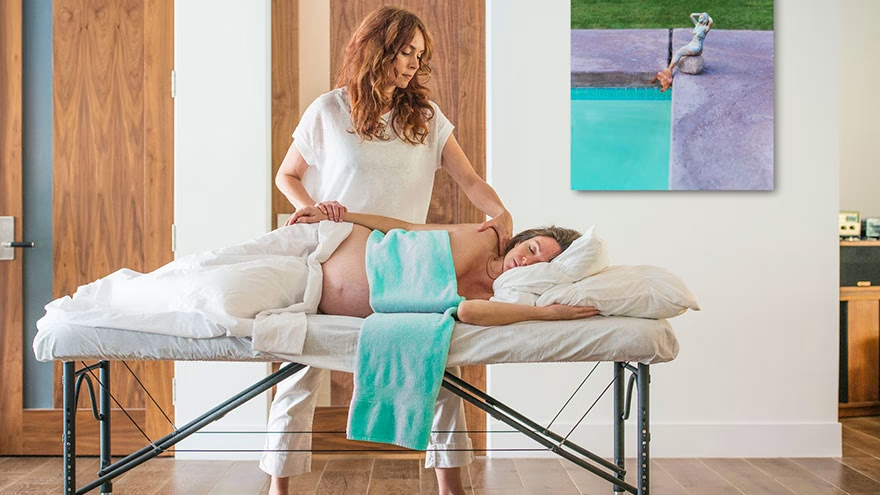
Side-Lying Is Often Preferred

Side-lying with pillows or bolsters supports the belly, knees, back, and top arm. It also lets the therapist adjust pressure without forcing the pregnant person to lie flat or face down.
AMTA's pregnancy massage article says that by the second trimester massage should be done side-lying to keep pressure off the vena cava. See AMTA pregnancy massage.
Flat-On-Back Risk
Lying flat on the back later in pregnancy can make some people dizzy, nauseated, short of breath, or lightheaded because the uterus can compress major blood vessels.
A trained prenatal therapist should know how to position clients semi-reclined or side-lying. If a therapist dismisses dizziness or asks you to tolerate it, stop the session.
Training Matters
A regular massage therapist may be skilled and still not trained in prenatal positioning, pregnancy contraindications, or how to adapt pressure around swelling, varicose veins, high-risk pregnancy, or pelvic pain.
Cleveland Clinic notes that prenatal massage commonly uses gentle pressure and side-lying, and that some people should avoid massage depending on pregnancy risks. Its prenatal massage guide gives a practical overview.
Ask Before Booking
Ask: Are you trained in prenatal massage? What position do you use after the first trimester? Do you use side-lying bolsters? Do you avoid deep abdominal pressure? What symptoms mean we stop?
A good therapist will answer calmly. A vague answer is a reason to book elsewhere.
Red Flags During Massage
Stop the massage if you feel dizziness, shortness of breath, abdominal pain, uterine tightening, bleeding, severe headache, calf pain, sudden swelling, or reduced fetal movement after the session.
Massage is not a way to push through warning signs. Call your clinician or urgent care line if symptoms concern you.
Partner Massage At Home
A partner can offer gentle shoulder, hand, foot, or back rubs without trying to imitate a deep tissue session. Avoid the belly, strong pressure on swollen legs, and any touch that causes pain.
Livecub's massage guide can be useful for gentle partner touch, but pregnancy changes the rules: comfort, consent, and clinician advice come first.
Intimacy And Comfort
Some people seek pregnancy massage because they miss feeling comfortable in their body. That is valid, but a risky table setup is not worth the temporary relief.
Livecub's feeling attractive during pregnancy article and pregnancy intimacy guide can help separate body confidence from unsafe services.
High-Risk Pregnancy
If you have preeclampsia, placenta issues, clot risk, severe swelling, bleeding, preterm labor concerns, or another high-risk condition, ask your clinician before booking.
Bring the answer to the therapist. A responsible therapist should welcome medical limits rather than treating them as an inconvenience.
Better Setup

A safer setup usually includes side-lying support, pillow between knees, belly support, top-arm support, and the ability to change sides. Semi-reclined work may also help for neck, shoulders, or hands.
The goal is not to recreate a nonpregnant massage. The goal is a session adapted to the pregnant body in front of the therapist.
Table Marketing
A table can be marketed as prenatal and still be wrong for one person's body. Marketing photos do not show ligament strain, dizziness, nausea, or pressure points.
Comfort should be checked during the session, not assumed because the table has a special opening.
After The Session
A safe session should leave you relaxed or mildly sore, not alarmed. Call your provider if you notice bleeding, contractions, severe pain, dizziness, calf swelling, or decreased fetal movement afterward.
Write down when symptoms started and what position was used. That detail can help your care team.
Modesty And Consent
Pregnancy can make positioning feel vulnerable. A trained therapist should explain draping, ask before adjustments, and let you change position without embarrassment.
If you feel talked into a position, the session has already gone off track.
Why Belly Pressure Matters
A belly opening can seem logical because it gives the abdomen a place to go, but that does not mean the rest of the body is supported well. The lower back, hips, chest, and shoulders may still be pulled into awkward angles.
Pregnancy also changes ligaments and balance. A position that feels fine at first can become uncomfortable after ten minutes, so the therapist should check in and adjust before pain builds.
Back-Lying Time
Many prenatal massage sessions avoid long flat-on-back positioning later in pregnancy. Short supported moments may be different from lying flat for a full session, but the plan should be discussed before the appointment starts.
If a therapist dismisses dizziness, nausea, shortness of breath, or a sudden need to roll over, end the session. Positioning is part of safety, not a small preference.
High-Risk Pregnancy
Anyone with bleeding, placenta concerns, preeclampsia, clotting history, severe swelling, uncontrolled blood pressure, preterm labor risk, or other complications should ask their clinician before booking.
The massage therapist also needs to know about restrictions. A good provider will not act annoyed by medical limits; they will either adapt the session or tell you that massage is not the right choice that day.
Pressure And Technique
Prenatal massage is usually gentler than a deep sports massage. Heavy pressure around painful areas, aggressive stretching, or work that causes guarding is a sign to stop and reset.
Ask what training the therapist has in pregnancy massage. General massage experience is helpful, but prenatal positioning, contraindications, and comfort checks are their own skill set.
Booking Red Flags
Be careful with any spa that promises to fix pregnancy pain, uses the same table setup for every trimester, or cannot explain how side-lying support works.
A safer booking conversation sounds specific: trimester, medical restrictions, preferred position, pillow support, session length, symptoms to avoid, and what happens if you need to change position.
Session Length
Shorter sessions can be a smart choice late in pregnancy, especially for someone who gets stiff, dizzy, nauseated, or anxious in one position. Comfort often drops before the clock runs out.
Ask about a shorter first appointment. It gives the therapist a chance to learn what support works, and it lets the pregnant client leave before discomfort turns into a problem.
Communication During Massage
The client should not have to be polite through pain. Tingling, pulling, pelvic pressure, nausea, headache, or feeling trapped are all valid reasons to pause.
A good therapist will welcome direct feedback because it helps them adjust. If speaking up feels hard, agree on a simple signal before the session starts.
Skip The Session Sometimes
Massage is optional. If the day already includes contractions, illness, heavy swelling, bleeding, severe headache, unusual pain, or worry about fetal movement, call the clinician instead of keeping the appointment.
A cancellation fee is annoying, but it is smaller than the cost of ignoring a symptom that needs medical advice before hands-on care.
Frequently Asked Questions
Are pregnancy massage tables with belly holes dangerous?
They can be uncomfortable or poorly supportive for some pregnant people. Many prenatal massage professionals prefer side-lying support instead.
What position is safest for prenatal massage?
Side-lying with pillows or bolsters is commonly preferred after the first trimester. Semi-reclined positioning may also be used.
Can I lie on my back during pregnancy massage?
Later in pregnancy, flat-on-back positioning can cause dizziness or blood-flow issues for some people. Ask for side-lying or semi-reclined support.
What should I ask a massage therapist before booking?
Ask about prenatal training, side-lying support, pressure changes, contraindications, and when the session would be stopped.
When should I avoid prenatal massage?
Ask your clinician first if you have high-risk pregnancy, bleeding, preterm labor concerns, clot risk, severe swelling, or other medical issues.
Pregnancy massage should make the body feel supported, not suspended. Choose a trained prenatal therapist, ask about side-lying positioning, and stop if the table or symptoms feel wrong.

Chiara Bradshaw
Covers education, culture and creative topics with an emphasis on readable explanations and verifiable references.



Leave a reply
Replying to