
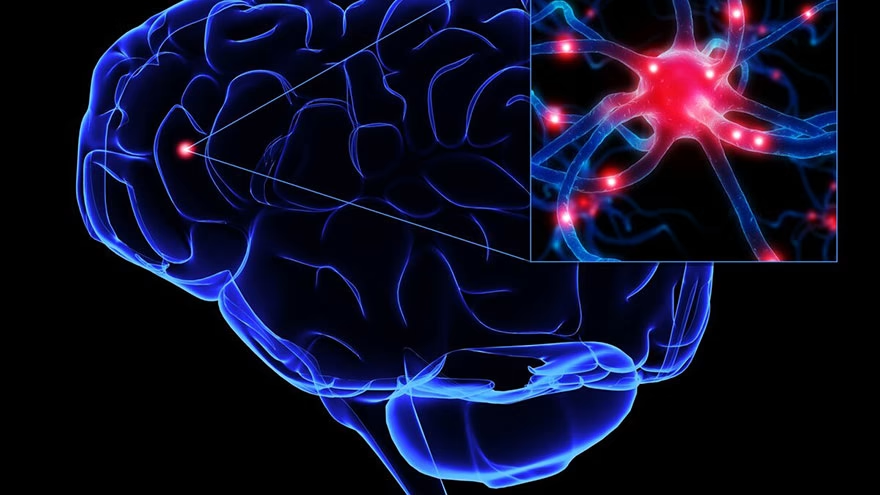
Reflex Testing Symptoms of a Brain Tumor sounds like a home test, but reflexes are not reliable self-diagnosis. Reflex testing is one small part of a neurological exam. A clinician checks reflexes along with strength, sensation, coordination, vision, speech, balance, mental status, and the story of how symptoms began.
This is general health information, not medical advice. New seizure, sudden weakness, severe sudden headache, confusion, fainting, trouble speaking, vision loss, or symptoms that progress quickly need urgent medical care. Do not wait for an online explanation if a neurological symptom feels acute or unsafe.
What Reflex Testing Can Show
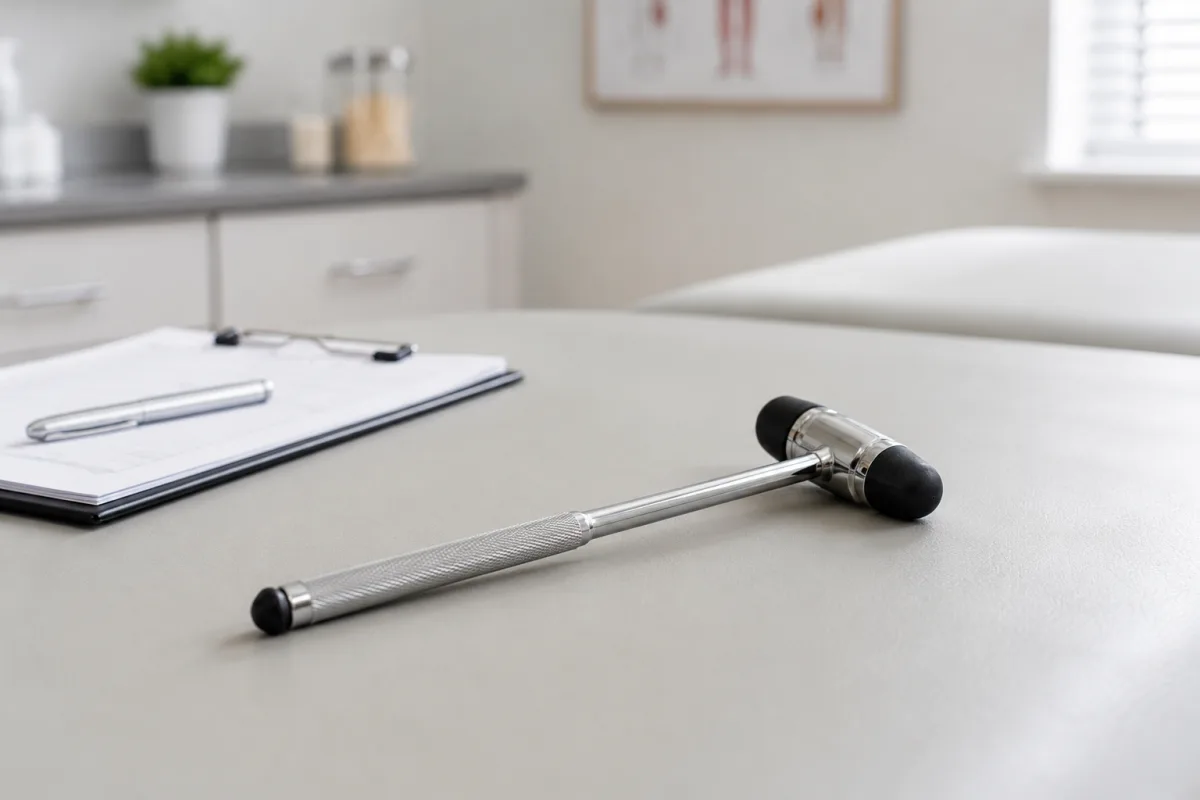
A reflex hammer checks how nerves, spinal cord pathways, and brain control interact. Reflexes may be brisk, reduced, absent, asymmetric, or paired with abnormal signs. The meaning depends on the full exam. A brisk knee reflex alone does not equal a brain tumor.
MedlinePlus describes a neurological exam as a check of motor and sensory skills, balance, coordination, reflexes, and mental status. Reflexes are only one lane of that road.
Why A Tumor Can Affect Reflexes
A brain tumor can irritate or press on tissue that controls movement. Depending on location, this may change muscle tone, strength, coordination, or reflex patterns. Tumors near motor pathways may cause one-sided weakness or stiffness. Tumors in other areas may cause headaches, seizures, vision changes, personality changes, or speech problems instead.
The National Cancer Institute's brain tumor fact sheet explains that symptoms depend on tumor type, size, growth rate, and location.
Asymmetry Matters
Clinicians pay attention when one side of the body acts differently from the other. A reflex that is much brisker on one side, paired with weakness or coordination changes, may point toward a nervous system problem. It still does not name the cause. Stroke, spinal cord problems, multiple sclerosis, medication effects, injury, and other conditions can also change reflexes.
If symptoms come with fear or performance pressure before a medical visit, Livecub's stage fright guide has breathing ideas, but it should not delay urgent evaluation.
Headache With Neurological Signs
Many headaches are not brain tumors. Worry rises when headache is new, worsening, different from usual, worse with vomiting or neurological changes, or paired with seizure, weakness, vision change, confusion, or balance trouble. A clinician decides whether imaging is needed.
Mayo Clinic's brain tumor overview lists brain tumor symptoms and causes, including headaches, seizures, vision issues, and changes tied to tumor location.
Seizures Are A Key Symptom
A first seizure in an adult deserves medical evaluation. A seizure can look like shaking, staring, lost time, odd smells, speech arrest, or brief confusion. Brain tumors are only one possible cause, but seizures are not something to explain away with reflex checks.
If an older adult is hard to motivate after a neurological diagnosis, Livecub's article on motivating older adults may help caregivers think about dignity and routine.
Weakness And Tone
A tumor affecting motor pathways may cause weakness, stiffness, clumsiness, dragging a foot, dropping objects, or changes in handwriting. Reflexes may be brisk in the same limb, but the story is the combination: strength, tone, coordination, and progression.
One abnormal movement after exercise is not the same as progressive neurological weakness. Time course matters.
Vision, Speech, And Balance
Brain tumors may affect vision, speech, hearing, swallowing, balance, or coordination depending on location. Reflex testing will not catch all of those. A careful exam may include eye movements, visual fields, finger-to-nose testing, gait, and language tasks.
If a clinician suspects a serious problem, imaging such as MRI may be ordered. Reflexes do not replace imaging.
What Happens In The Exam
The exam is usually calm and structured. The clinician may tap tendons, ask you to push and pull against resistance, follow a finger with your eyes, walk heel-to-toe, feel light touch, remember words, or describe symptoms. Tell the truth about timing and changes; do not perform for the exam.
If anxiety makes appointments harder, Livecub's nervousness guide has simple pressure tools that can help you prepare questions.
Do Not Test Yourself Too Much
Repeatedly hitting your own tendons or comparing YouTube reflexes can feed anxiety and produce bad information. Even clinicians interpret reflexes in context, with patient position and technique controlled. A shaky self-test is not a diagnosis.
Write symptoms down instead: when they started, what changed, which side, what triggers them, and whether they are getting worse.
Other Causes Of Reflex Changes
Reflex changes can come from spine problems, peripheral neuropathy, thyroid issues, medication effects, anxiety during the exam, vitamin deficiencies, old injuries, stroke, or normal variation. That range is why a clinician does not jump from reflex to tumor without a fuller workup.
For a related cancer symptom topic, Livecub's metastatic bone cancer symptoms article shows why symptom patterns need careful medical reading.
When To Seek Urgent Care

Seek urgent help for sudden weakness, facial droop, severe sudden headache, new seizure, confusion, fainting, trouble speaking, new vision loss, or loss of balance that appears quickly. These can be emergencies even when the cause is not a tumor.
For slower changes, schedule medical evaluation rather than waiting months while checking reflexes at home.
Why Location Guides Symptoms
The brain is organized by function. A tumor near movement pathways may show up as weakness or reflex changes. A tumor near language areas may change speech. A tumor near visual pathways may affect sight. A tumor in the cerebellum may affect balance and coordination. That is why two people with brain tumors can have very different symptoms.
Reflex testing is useful only because it points toward a pathway. It does not show the whole map.
Imaging Decisions
A clinician may order MRI or CT based on the symptom pattern, exam, age, cancer history, seizure history, and speed of change. Imaging is not ordered for every twitch or headache, but it should not be delayed when neurological signs are clear or worsening.
If you already have imaging, bring the report and the images if possible. The wording in a radiology report can matter.
Keep A Symptom Timeline
A short timeline helps more than a long fear spiral. Note the first day symptoms appeared, whether they are constant or come and go, what side is affected, and what function changed. Include seizure-like events, falls, new headaches, vomiting, vision changes, and any cancer history.
Bring a witness if someone else saw the event. A seizure or confusion episode may be easier for another person to describe.
After A Normal Exam
A normal exam can be reassuring, but it is not permission to ignore change. Ask what should trigger a return visit, how long to watch symptoms, and whether follow-up is needed. If symptoms progress, new information should be reported.
The goal is not to chase every sensation. The goal is to notice real change and get the right level of care.
Medication And Metabolic Clues
Some symptoms that feel neurological can be influenced by medication side effects, alcohol, blood sugar, thyroid disease, electrolyte problems, infection, or sleep loss. A clinician may order blood tests along with a neurological exam if the story points that way.
This does not mean symptoms are imaginary. It means the nervous system can be affected by problems outside the brain too.
Cancer History Changes The Threshold
A person with a known cancer history should mention it clearly when new neurological symptoms appear. Brain metastases are handled differently from ordinary headaches or old back pain. The clinician may use a lower threshold for imaging or oncology contact.
Bring the cancer type, treatment history, and most recent scan dates if you have them.
Frequently Asked Questions
Can reflex testing diagnose a brain tumor?
No. Reflex testing can show nervous system signs, but diagnosis usually needs clinical evaluation and imaging.
Are brisk reflexes always dangerous?
No. They can be normal for some people or related to many non-tumor causes.
What symptom should worry me most?
New seizure, sudden weakness, confusion, speech trouble, vision loss, or rapidly worsening symptoms need urgent care.
Will a normal reflex exam rule out a tumor?
Not always. Some tumors cause symptoms that do not change basic reflexes early.
What should I bring to the doctor?
Bring a symptom timeline, medication list, prior imaging, and notes about which side or function changed.
The Practical Takeaway
Reflex testing can support a neurological exam, but it cannot confirm or rule out a brain tumor by itself. New, one-sided, progressive, or sudden neurological symptoms should be evaluated by a clinician.

Olivia Prete
Edits culture and personal-development articles, distinguishing opinion and experience from verifiable claims.




Leave a reply
Replying to