

A teenager who skips breakfast, sips a sweet coffee at noon, and grazes on packaged snacks until dinner is running on fuel that spikes and crashes all day. Mood tends to follow that rhythm, which is why diet keeps surfacing in conversations about adolescent anxiety and low energy. Food is not the only driver — sleep, stress, school, friendships, hormones, and social media all matter — but it is one of the few levers a family can actually adjust this week without shame or panic.
What Counts As Ultra-Processed, and What Doesn't
Ultra-processed foods are industrial products built mostly from refined ingredients, added sugars, oils, starches, flavorings, colors, and emulsifiers. Sugary drinks, packaged snacks, sweet bakery items, instant noodles, candy, many fast-food items, and ready-to-heat meals usually sit in this group.
Not every package is equal, though. Frozen vegetables, plain yogurt, canned beans, and whole-grain bread are processed but still useful building blocks. The honest question is proportion: how much of a teen's usual day comes from products engineered for speed, sweetness, and constant snacking rather than from real meals.
How Much Teens Eat, and Why It May Matter
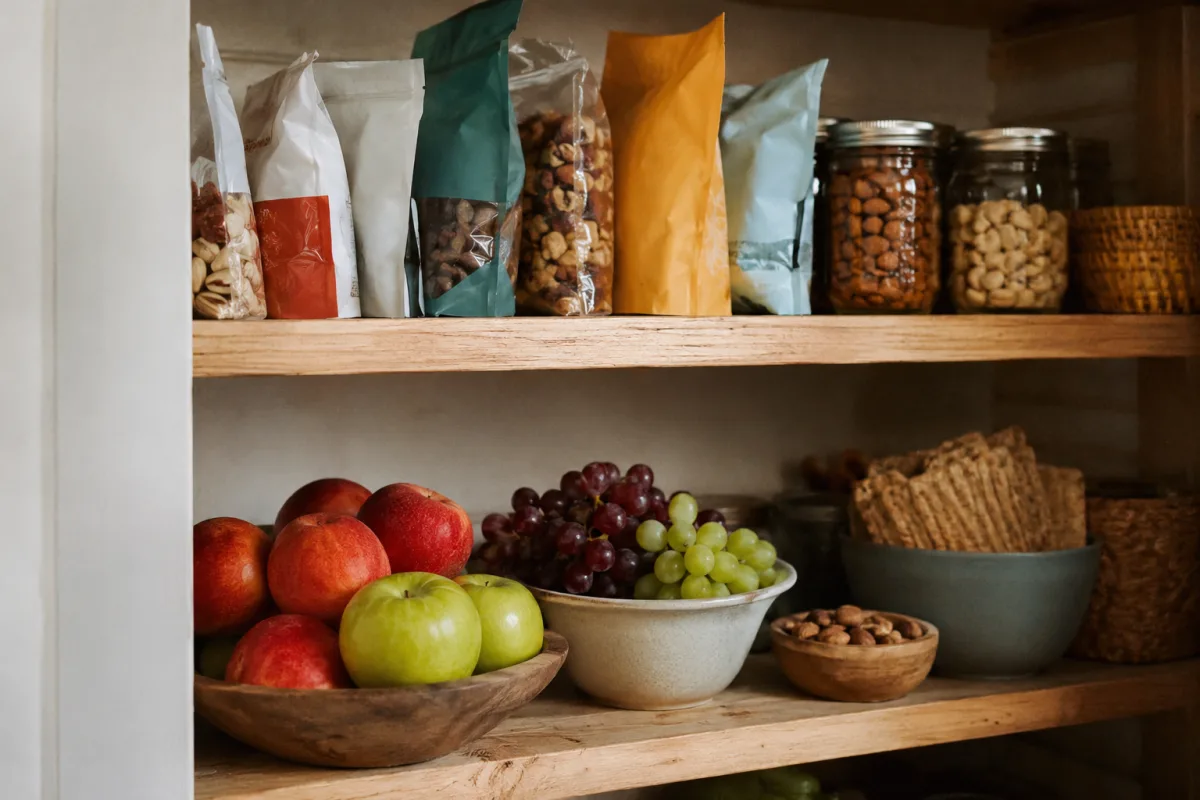
The amounts are not small. A 2025 CDC National Center for Health Statistics data brief found that from August 2021 through August 2023, young people ages 1 to 18 got 61.9% of their calories from ultra-processed foods, compared with 53.0% among adults (CDC intake data). That does not mean every anxious teen eats this way, but it does show the pattern is mainstream rather than fringe.
The plausible pathways are ordinary physiology: blood-sugar swings, low fiber, thin micronutrient density, caffeine that disrupts sleep, and highly palatable foods that encourage grazing instead of meals. A BMJ umbrella review reported associations between higher ultra-processed intake and several poor outcomes, including common mental-disorder symptoms (BMJ umbrella review). Associations are not proof of cause for any single teen, so the practical takeaway is replacement rather than blame: add real food before trying to remove every snack.
A No-Shame Replacement Plan
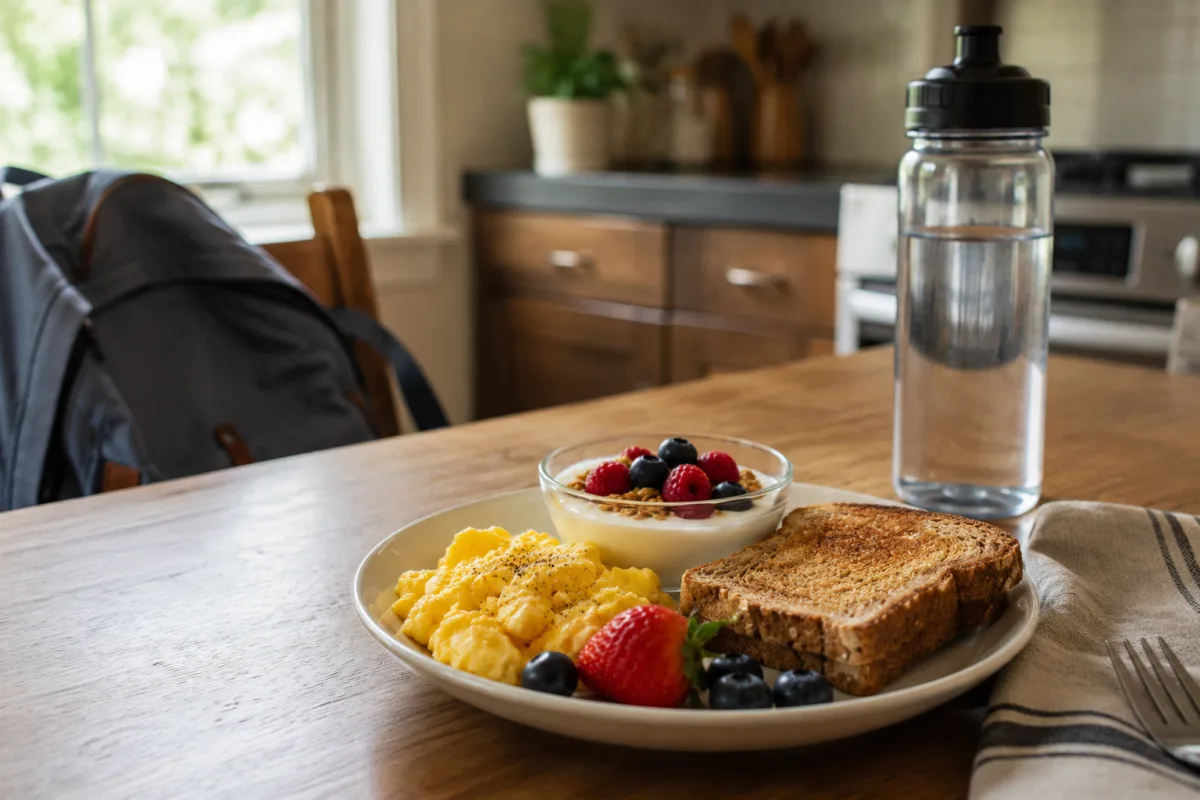
Start with breakfast and drinks, the two easiest wins. A teen running on soda, energy drinks, or nothing at all often feels more irritable and drained by late morning. Aim for protein plus fiber: eggs and toast, yogurt with fruit and nuts, oatmeal with peanut butter, beans and rice, or last night's leftovers. Keep water cold and push caffeine earlier in the day so it is out of the system by bedtime.
Then make the better option easier than the default. Cut fruit and leave it visible, put yogurt at eye level, keep sandwich supplies ready, cook extra rice or pasta, and portion nuts or popcorn ahead of time. Convenience is not the enemy; poor convenience is. A swap ladder helps: if soda is daily, shrink the size and add water; if instant noodles are dinner, add egg, vegetables, tofu, or beans. Higher-fiber swaps can upgrade meals when noodles are a staple.
Protect the teen's autonomy while you do it. A parent who throws out every favorite snack often triggers secrecy, fights, or hidden eating, and pressure centered on weight can damage trust and feed disordered patterns. Talk about energy, sleep, sports, concentration, and steady mood instead of the scale. Tracking mood, sleep, and meals for a week can reveal patterns worth acting on; a simple journal works fine without any calorie counting.
Fit the plan to the real schedule, because any plan that ignores it usually fails. Early buses, short lunch periods, sports practice, and after-school jobs all make packaged food the path of least resistance. Pack a portable after-school snack, plan a dinner that reheats fast on late-practice nights, and make breakfast something a teen can eat on the way out. A tight budget is no barrier either: beans, eggs, oats, frozen vegetables, peanut butter, rice, canned tuna, yogurt, and seasonal fruit deliver steady fuel without wellness-store prices.
When Food Is Not the Whole Story
Diet changes should never delay care. Seek help for persistent sadness, panic, self-harm thoughts, major sleep changes, food restriction, bingeing, purging, substance use, sharp grade drops, or social withdrawal. If school-performance nerves are part of the picture, body signals and preparation interact closely — see sports nerves and stage fright. When communication itself shuts down, selective mutism support is a reminder that some distress needs skilled help, not more pressure at home.
The best family plan is deliberately boring: regular meals, enough food, fewer ultra-processed defaults, no moral labels attached to eating, and fast access to professional support when symptoms outgrow ordinary teenage stress. That combination gives a teen a steadier floor to stand on while everything else in adolescence keeps shifting.
Frequently Asked Questions
Do ultra-processed foods cause teen depression?
Research shows associations, not proof of cause. One teen's depression cannot be reduced to food alone, but diet may be one adjustable factor among many.
Should parents ban all packaged snacks?
Usually no. Add better defaults first and reduce the highest-frequency items without turning food into a daily argument.
What change should start first?
Breakfast and drinks are often easiest: add protein, fiber, and water, and move sweet drinks or caffeine earlier in the day.
When is professional help needed?
Self-harm thoughts, persistent depression, panic, severe food restriction, purging, substance use, or major changes in functioning need prompt professional help.
This article is for general information only and isn't a substitute for medical advice. Talk to a clinician who knows your full history before making changes.

Linda Fehrman
Edits general wellness and relationship explainers. Health material is educational, avoids diagnosis and links to health-authority guidance.




Leave a reply
Replying to