

Healthy eating while pregnant matters because the body is building blood, tissue, placenta support, and a baby while still trying to get through ordinary days. That takes nutrients.
It does not take perfection. It takes repeatable meals, prenatal care, and enough flexibility to survive nausea, fatigue, and real life.
Healthy Eating Supports The Parent Too
ACOG's healthy eating guidance explains that pregnancy needs extra nutrients, including folic acid and iron: ACOG healthy eating during pregnancy. Food supports blood volume, energy, digestion, fetal growth, and recovery.
The point is not a flawless plate. It is a pattern that keeps both parent and baby better supported.
Folic Acid Starts Early
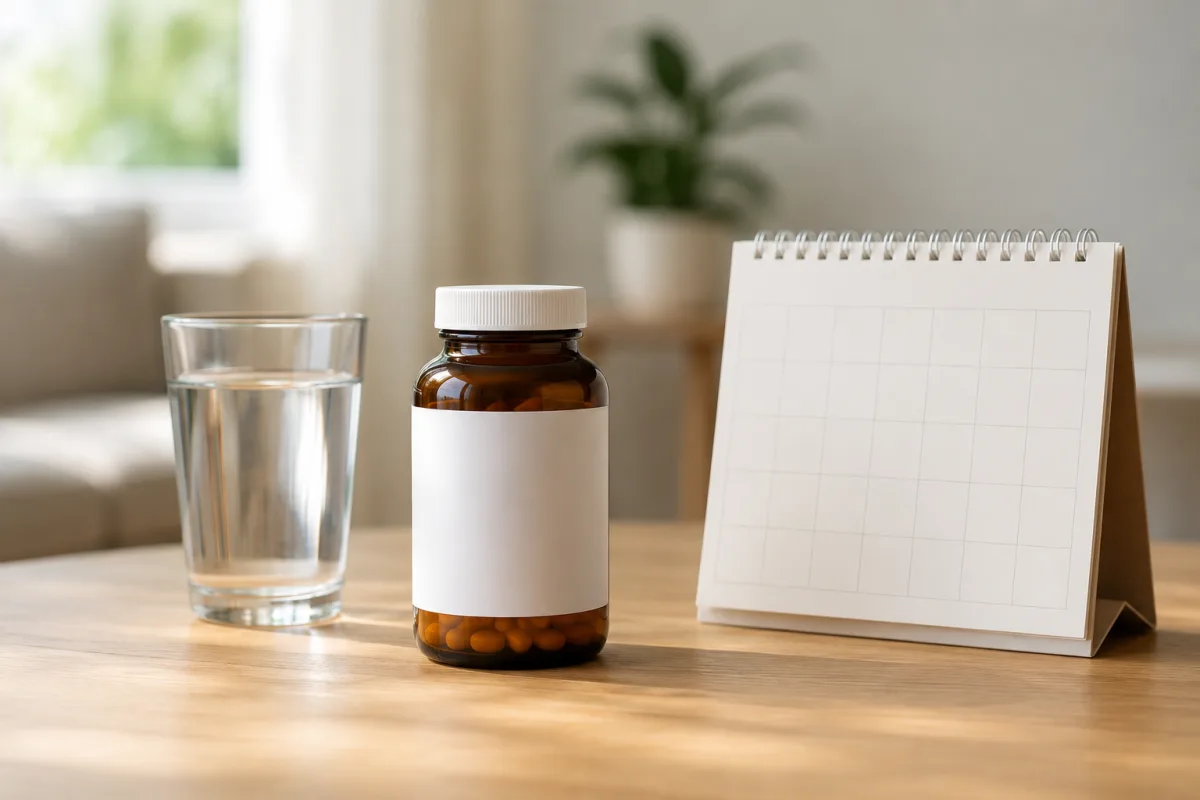
CDC says 400 mcg of folic acid daily can help prevent neural tube defects: CDC folic acid guidance. This is why prenatal vitamins matter before and early in pregnancy.
If pregnancy is newly suspected, Livecub's guide to early signs of pregnancy can help organize next steps, but folic acid timing should not wait for a long checklist.
Protein, Iron, And Fiber Make Days Easier
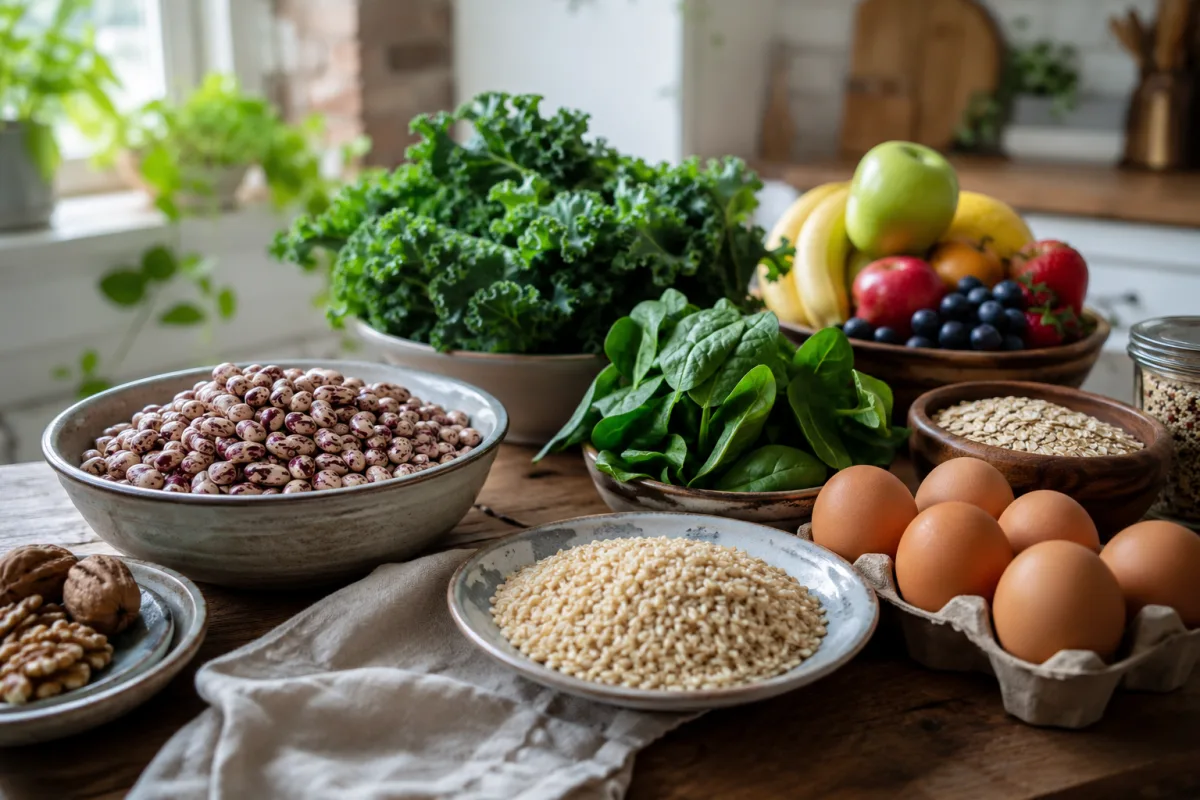
Protein helps meals last longer. Iron supports oxygen-carrying blood. Fiber can help constipation. None of that needs a perfect diet plan.
If strong smells or nausea interfere, Livecub's guide to bland pregnancy meals can help keep simple meals in rotation.
Fish Choices Need Mercury Awareness
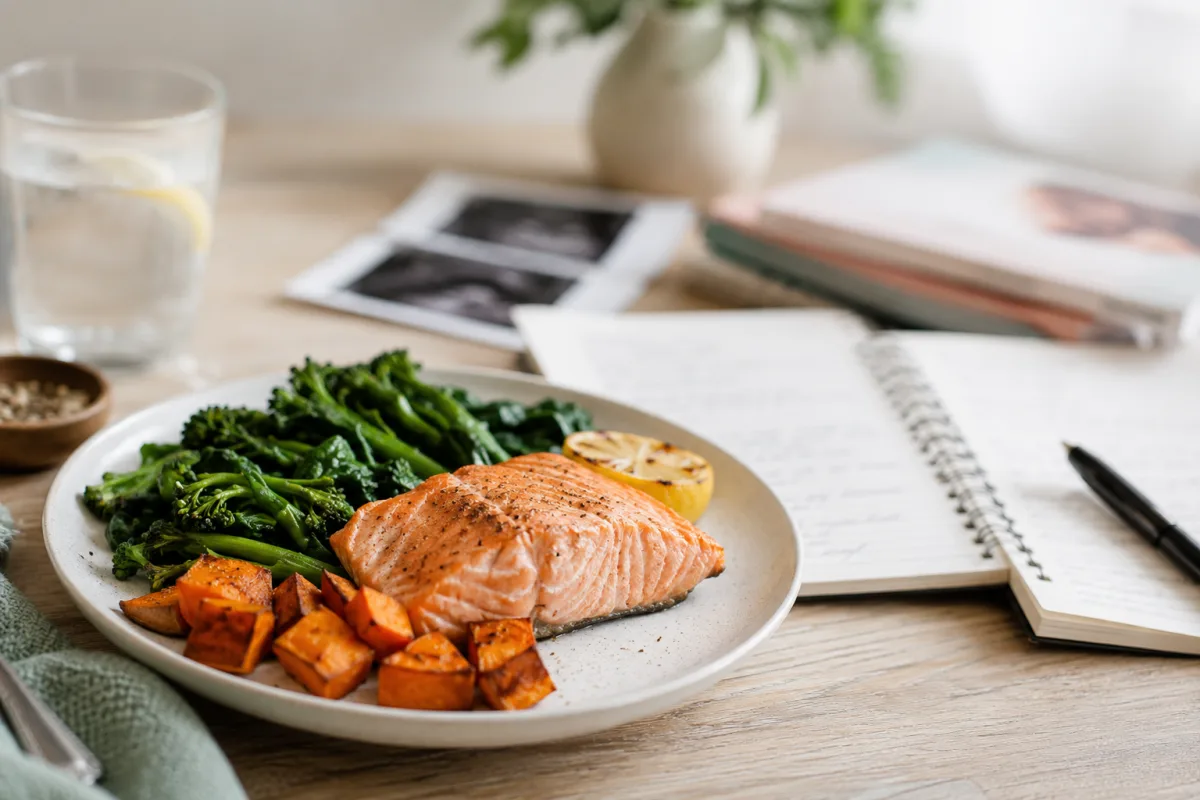
FDA advises pregnant people to eat a variety of fish from lower-mercury choices: FDA fish advice. Fish can provide nutrients, but species choice matters.
Avoid turning food guidance into fear. Use the chart, pick safer options, and ask the clinician when unsure.
Food Stress Needs Support
If eating becomes tied to guilt, panic, or restriction, Livecub's guide to depression during pregnancy can help start the mental health conversation.
Partners can support meals and rest; Livecub's guide to staying intimate during pregnancy may help keep connection kind while bodies and routines change.
Ask What Would Change The Advice
For eat healthy while pregnant, the most useful question is not just what to do. Ask what symptom, lab result, week of pregnancy, medication, or history would change the advice.
That answer keeps the plan flexible. Pregnancy guidance often depends on timing, personal risk, and what else is happening in the body.
Keep A Small Symptom Log
Write down the date, symptom, food, activity, sleep, stress, and anything that helped. A short log can show patterns that memory misses.
Bring the log to prenatal visits when the issue repeats. Do not wait for a perfect record; three useful notes beat a blank page.
Use The Care Team Early
Call for severe pain, heavy bleeding, fainting, chest pain, trouble breathing, severe headache, fever, fluid leakage, painful regular contractions, or reduced fetal movement later in pregnancy.
For nonurgent concerns, a portal message or appointment question list can still prevent weeks of guessing.
Plan Around Real Life
The best pregnancy plan fits work, childcare, transportation, food budget, nausea, fatigue, and privacy. A plan that only works on an ideal day will not last.
Lower the friction. Put snacks where nausea starts, keep phone numbers visible, and let someone else carry part of the mental load.
Protect Food And Rest
Food and rest are not side issues. Low intake, dehydration, and poor sleep can make fatigue, nausea, mood, and pain feel worse.
If full meals are hard, smaller meals and simpler foods may be easier. Keep the goal practical rather than perfect.
Watch The Emotional Layer
Pregnancy information can become scary fast. If reading about risks causes panic, step back and ask the care team for the version that applies to you.
Anxiety, sadness, or shame that changes daily life deserves support. It is part of care, not a personal defect.
Share The Plan With A Partner
A partner or trusted person should know the basics: what you are watching, when to call, where records are, and what help actually helps.
Shared information reduces pressure on the pregnant person to be the only one who remembers every instruction.
Avoid Claims That Sound Too Certain
Why Is it Important to Eat Healthy While Pregnant? can invite bold promises. Pregnancy biology is rarely that tidy. Be careful with products, diets, supplements, or routines that promise a guaranteed outcome.
A solid plan usually sounds more modest: reduce risk, support health, notice changes, and get help at the right time.
Separate Patterns From Emergencies
Some pregnancy concerns are patterns to discuss at the next visit. Others need same-day advice. The difference is usually severity, speed, bleeding, pain, fever, breathing, fainting, or a sudden change from your normal.
If the question is not urgent, still write it down. A mild symptom that repeats for several days can be easier to explain when the timing is clear.
Check Medicines And Supplements
Do not add herbs, high-dose vitamins, over-the-counter medicine, or old prescriptions without asking a clinician or pharmacist who knows you are pregnant.
Bring the actual bottles to a visit or send clear photos through the patient portal. Labels, doses, and added ingredients matter more than the product name alone.
Keep Research In Its Lane
Good research helps you ask sharper questions. It should not make you diagnose yourself at midnight or compare your pregnancy with every story online.
Use reputable sources for background, then bring the personal part back to your care team: your dates, your results, your symptoms, and your medical history.
Make Appointments Easier To Use
Go in with three short questions instead of a long mental list. Put the most worrying question first, because visits can move fast.
Ask what to watch, what to try, what not to do, and when to call. Those four answers usually turn vague advice into a plan you can follow at home.
Set Up The House For Follow-Through
Small household systems matter: a water bottle near the bed, snacks in a bag, appointment cards in one place, and a visible list of phone numbers.
The goal is to make the safer choice the easier choice on a tired day. Pregnancy planning works best when it respects low-energy moments.
Bring Context, Not Just The Symptom
A symptom is easier to judge when it comes with context: how long it lasted, what week you are in, whether it is new, and what else changed that day.
That context helps a clinician decide whether reassurance, a routine visit, labs, imaging, medication review, or urgent care makes sense.
Leave Room For Your Own Baseline
Pregnancy advice often describes averages, but every person starts with a different baseline for sleep, digestion, pain, mood, work demands, and medical history.
Use general guidance as a starting point, then adjust it with your care team so the plan fits your body instead of someone else's day.
Your pattern matters too.
Write it down.
Use One Change At A Time
Changing everything at once makes it hard to tell what helped. Try one small change for a short stretch, such as a snack plan, a sleep adjustment, a movement limit, or a call to the clinic.
If it helps, keep it. If it does not, you have still learned something useful without turning the whole week upside down.
Small steps count.
The point is steady follow-through, not a perfect week. Repeat the change that makes the next day easier.
Review At The Next Visit
Bring one question about eat healthy while pregnant to the next prenatal visit. Ask it plainly and write the answer in the same place you keep appointment notes.
If the answer is unclear, ask for the reason in ordinary language. Understanding the reason makes the instruction easier to follow.
After the visit, keep the answer where you can find it again. The best note is short enough to reuse on a tired day.
Frequently Asked Questions
Why does healthy eating matter in pregnancy?
It supports energy, blood volume, digestion, fetal growth, and nutrient needs such as folic acid and iron.
Do I need a perfect pregnancy diet?
No. A steady pattern matters more than perfect meals.
Why is folic acid recommended?
Folic acid helps prevent neural tube defects when taken before and during early pregnancy.
Can fish be healthy during pregnancy?
Yes, choose lower-mercury fish according to FDA/EPA guidance.
What if nausea makes healthy eating hard?
Tell your care team, try smaller simple meals, and ask for help if intake is low.
This article is for general information only and is not medical, pregnancy, labor, or emergency advice. Contact your obstetric care team for personal guidance and call emergency services for urgent symptoms.

Linda Fehrman
Edits general wellness and relationship explainers. Health material is educational, avoids diagnosis and links to health-authority guidance.



Leave a reply
Replying to