
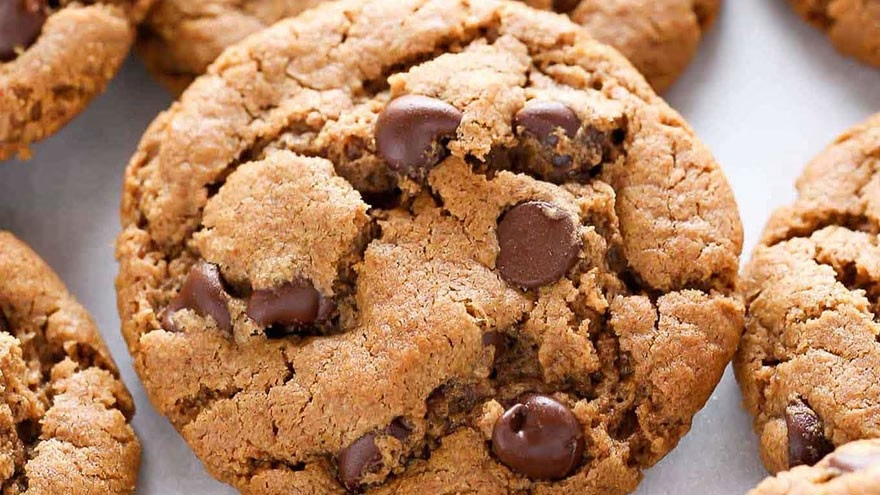
Chocolate chip cookies should taste like butter, brown sugar, vanilla, and chocolate, with edges that set before the centers dry out. The old family-style recipe used butter-flavor shortening, brown sugar, milk, vanilla, egg, flour, salt, baking soda, and chocolate chips. That makes a softer, chewy cookie with a nostalgic flavor, and this rewrite keeps that structure while adding clearer mixing, spacing, baking, storing, and dough safety cues. Good cookies need measured ingredients, a gentle hand, and a watchful oven.
What kind of cookie does this recipe make?
This is a brown-sugar chocolate chip cookie made with shortening rather than butter. Shortening gives a softer texture and can reduce spreading. Brown sugar brings moisture and a deeper flavor than white sugar alone.
The recipe also uses milk, which softens the dough and helps bring it together. That means the dough may feel slightly different from a classic butter cookie. It should be scoopable, not runny.
For a dessert table, cookies like this sit well beside richer items such as Mom's best fudge icing. The cookies give guests a handheld option while the fudge or cake handles the richer sweet craving.
Measure the ingredients carefully
Use 3/4 stick butter-flavor shortening, 1 1/4 cups packed light brown sugar, 2 tablespoons milk, 1 tablespoon vanilla extract, 1 large egg, 1 3/4 cups all-purpose flour, 1 teaspoon salt, 3/4 teaspoon baking soda, and 6 to 8 ounces semi-sweet chocolate chips.
Pack brown sugar firmly, then level it. Spoon flour into the measuring cup and level it rather than scooping hard from the bag. Too much flour makes cookies dry and cakey. Too little can make them spread too thin.
Small measuring habits matter. Cookies reveal sloppy measuring faster than many larger desserts because the dough has little room to hide imbalance.
Mix the dough
Combine shortening, brown sugar, milk, vanilla, and egg until smooth. In a separate bowl, whisk flour, salt, and baking soda. Add dry ingredients to wet ingredients and mix just until the dough comes together.
Fold in chocolate chips last. A mix of semi-sweet, milk, and bittersweet chips can work, but keep the total amount reasonable. Too many chips can make the dough break apart and bake unevenly.
Stop when combined. Overmixing after flour is added can toughen cookies. The dough should look cohesive, not whipped.
Do not eat raw dough
The original article joked about eating cookie dough, but raw dough is not a safe recommendation. CDC's raw dough guidance explains that flour can contain germs and those germs are killed only when flour is baked or cooked.
FDA's raw dough safety advice also says never to eat raw dough that is meant to be baked and to clean hands, utensils, and surfaces after contact. Its raw cookie dough outbreak page is a useful reminder that both flour and eggs need respect.
Bake the dough first. If you want edible cookie dough, use a separate recipe designed with heat-treated flour and safe ingredients.
Scoop and space the cookies
Drop small balls of dough onto a prepared cookie sheet, leaving room for spreading. One inch may work for very small cookies, but two inches is safer if your scoops are larger. Use parchment for easier release and more even bottoms.
If the dough feels very soft, chill it for 20 to 30 minutes before baking. Chilling helps the cookies spread more slowly and can make the flavor rounder. If the dough is very firm, let it sit briefly before scooping.
For holiday trays, cookies can share space with Christmas cookie ornaments, but keep strongly flavored cookies separate so vanilla and chocolate do not pick up spice or mint.
Bake at 350 degrees F
Bake until the edges are set and lightly golden while the centers still look a little soft. The old recipe's cue that centers should bounce at the touch is useful, but the cookies will firm as they cool. Pull them before the centers look dry.
Let cookies rest on the sheet for a few minutes, then move them to a rack. If you move them too soon, they may bend or break. If you leave them too long on a hot sheet, they may continue cooking past the texture you want.
The oven decides timing. Start checking early, especially with small cookies or dark pans. A minute can separate chewy from dry.
Store and serve the cookies
Cool cookies completely before storing. A sealed container keeps them softer. If you like crisp edges, leave the lid slightly loose for a short time before sealing, then store away from heat.
A cookie tray looks better when similar sizes are grouped together. The ultimate guide to cookie displays can help with spacing and tray planning if you are baking for a party.
Freeze extra dough if you want fresh cookies later. Scoop dough balls, freeze them on a tray, then move them to a freezer bag. Bake from frozen with a little extra time.
Troubleshooting chocolate chip cookies
If cookies spread too much, chill the dough, check the flour measurement, and use a cool baking sheet for each batch. If they are too puffy, flatten the dough slightly or check that the flour was not overmeasured.
If cookies taste flat, they may need better vanilla, fresher baking soda, or enough salt. If they are too salty, check whether the chips or shortening already contain salt and adjust next time.
Change one variable. Cookie testing gets confusing when you change pan, scoop size, sugar, and oven rack all in the same batch.
Choose the right pan
Light-colored baking sheets usually give more control because they brown bottoms more gently. Dark pans absorb heat and can make cookie bottoms brown before the centers are ready. If using dark pans, check early.
Parchment helps cookies release and makes cleanup easy. Silicone mats can work too, but they may reduce browning slightly. Use the same pan style for a batch if you want consistent results.
Pan choice changes texture. If your recipe suddenly behaves differently, the baking sheet may be part of the answer.
Flavor variations
Add chopped toasted nuts for crunch, a pinch of cinnamon for warmth, or a mix of chocolate chips for contrast. Keep total add-ins moderate so the dough can still hold together.
A little flaky salt on top can make chocolate taste deeper, but use it lightly. The dough already contains salt, and some chips are salty enough on their own.
Protect the base recipe. Variations are fun only when the cookie still tastes like a chocolate chip cookie.
Make the dough ahead
Cookie dough can rest in the refrigerator before baking. A rest helps the flour hydrate and can deepen flavor. Cover the bowl or scoop dough balls into a sealed container so the dough does not dry out.
If baking from chilled dough, the cookies may spread less and need a little more time. Watch the edges instead of relying only on the clock. Chilled dough can go from perfect to overbaked if the cookies are very small.
Cold dough changes timing. That can be useful, but it means the first tray should be watched closely.
Pack cookies for sharing
Let cookies cool fully before stacking. Warm cookies trap steam and turn soft in a way that can feel stale by the time they arrive. Use parchment between layers if the cookies are tender.
A plain container is fine. The cookie matters more than the wrapping, especially when the texture is right.
If baking for a crowd, make one test tray first. Adjust spacing and timing before filling every pan.
Frequently Asked Questions
Can I use butter instead of shortening?
You can, but the cookies may spread more and taste different. Chill the dough if using butter.
Can I add nuts?
Yes. Add chopped walnuts or pecans with the chocolate chips, and reduce chips slightly if the dough feels crowded.
Why are my cookies dry?
Too much flour, overbaking, or too little brown sugar moisture can make them dry. Measure carefully and pull them while centers are still soft.
Can I eat the dough if it has no egg?
Not automatically. Raw flour can still carry germs unless it is heat-treated. Use an edible dough recipe if that is the goal.
Chocolate chip cookies are simple, but details matter. Measure carefully, mix gently, bake the dough instead of tasting it raw, and let the cookies finish setting after they leave the oven.

Chiara Bradshaw
Covers education, culture and creative topics with an emphasis on readable explanations and verifiable references.



Leave a reply
Replying to