
Start With Safety, Not Color
Cooking with flowers can make a plate look fresh, seasonal, and careful. It can also go wrong quickly if the flower was not meant for food. Some flowers are edible, while others are toxic.
Some are edible in one part and unpleasant or unsafe in another. Some are sprayed with pesticides or florist chemicals. Pretty is not the same as safe.
Use only flowers you can identify with confidence and that were grown for edible use. Do not cook with flowers from florists, roadside areas, treated lawns, or unknown bouquets. The University of Minnesota Extension guide to edible flowers gives the right starting rule: know the flower and avoid pesticide exposure.
If you are uncertain, do not use it. A garnish is never worth a health risk. The safest flower cooking starts with correct identification, clean growing conditions, and a small amount on the plate.
Buy edible flowers from a trusted grower, farmers market vendor, or produce department that sells them as food. If you grow your own, keep a record of what was planted and what was sprayed nearby. Guessing from a photo is not enough for dinner.
When shopping, ask direct questions: Were these grown for eating? Were they sprayed? How should they be stored? A vendor who sells edible flowers should be able to answer plainly. If the answer sounds uncertain, buy something else for the plate.
Common Edible Flowers
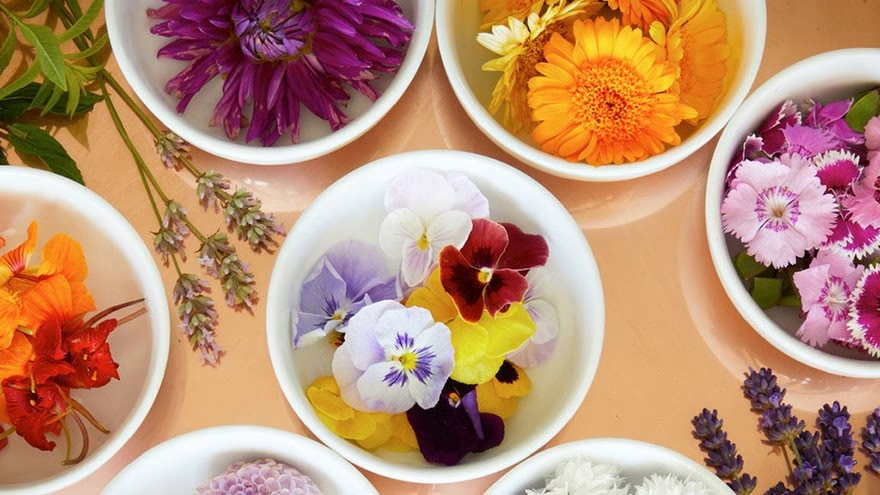
Common edible flowers include nasturtiums, pansies, violas, calendula, borage, chive blossoms, squash blossoms, lavender, rose petals, and some herb flowers. Each tastes different.
Nasturtiums are peppery. Chive blossoms are onion-like. Lavender is floral and strong. Roses vary from barely scented to perfumed. Squash blossoms are mild and tender.
Colorado State University Extension's edible flowers guide lists many edible options and notes that some flowers should be eaten in small amounts. That matters because even edible flowers can overwhelm food or bother sensitive stomachs when used heavily.
Start with one flower at a time. Taste a tiny piece before adding it to a recipe. If the flavor is bitter, soapy, or too strong, use less or choose another flower. Cooking with flowers should support the dish, not turn it into perfume.
Prep Flowers Gently
Harvest or buy flowers as close to serving time as possible. Shake off insects, rinse gently in cool water, and dry on a towel. Remove stems, stamens, pistils, and the white base of petals when they taste bitter or tough. Use petals or small blossoms more often than whole large flowers.
Do not soak delicate flowers for a long time. They bruise, wilt, and lose shape. If you need them for garnish, prep them last. If you need them for an infusion, make sure they are clean and edible before they touch liquid.
Storage is short. Place clean flowers between lightly damp paper towels in a container and refrigerate briefly. Do not seal wet flowers in a bag for days. They will collapse and may spoil. Treat flowers more like tender herbs than sturdy vegetables.
Use Flowers Where They Make Sense
Flowers work best when their flavor matches the dish. Nasturtiums fit salads, egg dishes, and soft cheeses. Chive blossoms work with potatoes, butter, eggs, and green vegetables. Lavender belongs in small amounts with lemon, honey, shortbread, cream, or berries. Rose petals can work with fruit, yogurt, syrups, and desserts.
For savory food, think of flowers as seasoning. Add chive blossoms to compound butter, scatter nasturtiums over greens, or fold squash blossoms into a light filling. Livecub's guide to cooking greens pairs well with peppery flowers because tender greens and herbs already share that fresh edge.
For sweet food, use restraint. Lavender can ruin a dessert if measured carelessly. Rose can taste like soap if the petals are too strong. A few petals on tiramisu or a simple cake can be enough. Livecub's perfect tiramisu guide is a reminder that delicate desserts need balance.
For drinks, keep flowers visible and optional. A viola in lemonade looks charming, but some guests may prefer a plain glass. Serve flower syrups on the side when possible. That makes the presentation flexible and respects people who do not want floral flavors.
For dinner, use flowers where a herb would already make sense. Chive blossoms can finish eggs or potatoes. Nasturtiums can replace some peppery greens. Rose and lavender belong closer to fruit, cream, honey, and simple cookies. This keeps flowers connected to flavor rather than used as decoration alone.
Infusions, Sugars, and Butters
Flower flavor can be captured in sugar, syrup, vinegar, honey, butter, and cream. Lavender sugar is useful for cookies. Rose syrup can sweeten drinks or fruit. Chive blossom vinegar turns pink and oniony. Herb-flower butter can finish vegetables or bread.
Use clean jars, edible flowers, and refrigeration when needed. Keep batches small until you know the flavor. Label the jar with the flower and date. If a mixture smells off, looks cloudy in a concerning way, or grows mold, discard it. Homemade infusions should be pleasant, not mysterious.
Do not pack fresh flowers into oil and leave the jar at room temperature. Moist plant material in oil can create food-safety concerns. For home cooking, keep flower butters, syrups, and vinegars small and dated, cold when needed, and clearly labeled. When in doubt, throw it out.
For serving, Livecub's cookie display guide can be adapted to edible flowers by keeping garnishes separate until the last moment. Petals wilt on damp icing, whipped cream, and warm plates if they sit too long.
Flowers to Avoid and Allergy Caution
Never assume a flower is edible because a similar-looking one is. Avoid foxglove, lily of the valley, oleander, daffodil, hydrangea, and any flower you cannot identify. Also avoid flowers from florists and garden centers unless they are specifically sold for culinary use. Decorative plants are often grown for looks, not eating.
NC State Extension's plant resources include edible flower safety notes and warnings about correct identification. Its choosing and using edible flowers guide is useful because it treats flowers as food ingredients, not just decorations.
People with pollen allergies, asthma, or sensitive digestion should start with very small amounts or avoid edible flowers unless a clinician says otherwise. Children, pregnant people, and guests should not be surprised with unusual ingredients. Tell people what is on the plate.
Simple Ideas for Beginners
Start with a salad of greens, goat cheese, cucumber, and nasturtium petals. Make chive blossom butter for baked potatoes or steamed vegetables. Add a tiny amount of lavender sugar to shortbread.
Float violas on lemonade. Use rose petals with berries and yogurt. Stuff squash blossoms with a light cheese filling if you want a cooked flower dish.
Keep the first attempt small and obvious. Do not hide flowers in a dish and hope guests guess the flavor. Put them where people can see and taste them clearly. If the flower adds nothing, leave it off next time. Cooking with flowers is optional; the plate should still taste good without them.
A useful beginner rule is one flower, one dish, one purpose. If the flower is there for color, keep the flavor mild. If it is there for flavor, make sure the rest of the dish is simple enough to notice it.
Season matters too. Spring pansies, summer nasturtiums, herb blossoms, and squash blossoms each belong to a different kitchen moment. Use what is fresh and edible now instead of forcing a flower into the menu because it looked good in a picture. Freshness gives better color, better texture, and safer handling for guests.
The best flower dishes are safe, restrained, and seasonal. Color gets attention, but flavor and identification decide whether the idea deserves repeating.
Frequently Asked Questions
Can I eat flowers from a florist?
No. Florist flowers are not grown or handled as food and may contain chemicals. Use flowers grown and sold for edible use.
Do edible flowers taste good?
Some do, and some are mostly decorative. Nasturtiums are peppery, chive blossoms are oniony, and lavender is strong and floral. Taste first and use small amounts.
Should I wash edible flowers?
Yes, gently rinse and dry them unless the grower provides different food-safe handling instructions. Remove tough or bitter parts before serving.
Can edible flowers cause allergies?
They can bother some people, especially those with pollen allergies or sensitive digestion. Use small amounts and tell guests what is in the dish.

Linda Fehrman
Edits general wellness and relationship explainers. Health material is educational, avoids diagnosis and links to health-authority guidance.




Leave a reply
Replying to