
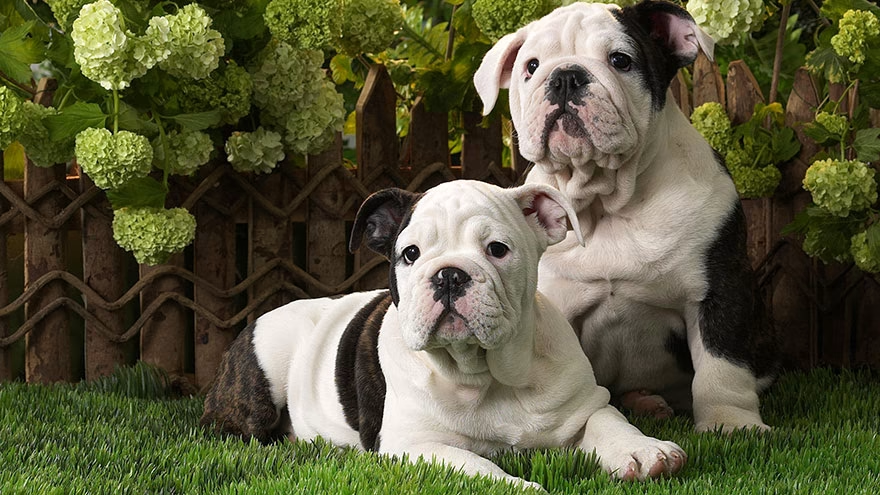
English and American Bulldogs Are Not the Same Dog
The difference between English and American Bulldog starts with build and purpose. The English Bulldog is shorter, heavier for its height, and more exaggerated in head and body shape. The American Bulldog is usually taller, more athletic, and closer to a working farm-dog outline.
The AKC's Bulldog breed page describes the Bulldog as a kind, courageous, calm companion with a distinctive low-slung body and loose skin. The American Bulldog is recognized differently across registries and is typically described as a stronger, more active working-type dog.
The shared name can be misleading. A family choosing between them should compare daily life, not only photos.
Different Histories, Different Expectations
Both dogs connect to bulldog history, but their modern paths are not identical. The English Bulldog became a companion and show breed with a very recognizable outline. The American Bulldog kept more of the farm and utility-dog image in many lines.
That history affects what people expect from them. English Bulldog owners often plan around companionship, heat management, and structural care. American Bulldog owners often plan around training, exercise, strength, and space.
History does not decide every dog, but it gives useful clues about the breed type.
Size and Body Shape
English Bulldogs are compact and broad, with a low center of gravity, heavy bone, and a wide front. They are not tall dogs, but they can feel substantial because of their mass and chest width.
American Bulldogs are usually taller, longer-legged, and more athletic. They can vary by line, but many have a more functional stride and more working-dog power than the average English Bulldog.
If big-dog size is part of your comparison, Livecub's top biggest dog breeds article gives broader context for size expectations, even though neither Bulldog type is simply a height contest.
Head, Muzzle, and Breathing
English Bulldogs are brachycephalic, meaning they have a short muzzle and compressed facial structure. That look is part of the breed identity, but it can come with breathing, heat, exercise, and anesthesia concerns.
American Bulldogs often have longer muzzles than English Bulldogs, though they are still powerful-headed dogs. A longer muzzle does not guarantee perfect breathing, but it usually changes heat and exercise expectations.
Owners should watch both types in hot weather. Panting, slowing down, noisy breathing, and heat stress signs deserve attention. Bulldogs should never be treated like heat-proof athletes.
Temperament and Energy
English Bulldogs are often chosen as companions because many are calm, affectionate, and content with moderate activity. They can still be stubborn, playful, and strong, but they are not usually chosen for high-endurance work.
American Bulldogs tend to need more training, exercise, structure, and outlets. A good one can be loyal and affectionate, but the breed's size and drive make early manners and socialization important.
The AKC's American Bulldog page describes the breed as loyal, self-confident, and sturdy. Those traits can be wonderful in the right home and difficult in an unprepared one.
For another strong breed comparison, Livecub's Rottweiler questions can help readers think through power, training, and household fit.
Exercise Needs
English Bulldogs usually need moderate, careful exercise. Short walks, play, and weight control matter, but heat and breathing limits should shape the routine. Many do better with several small outings than one long hot walk.
American Bulldogs usually need more physical and mental work. Walks, training games, tug with rules, scent games, and structured play can help. Without outlets, a strong young American Bulldog may create its own entertainment.
Neither dog should be pushed through heat. Water, shade, cool surfaces, and early-morning or evening walks can make routine exercise safer.
Training and Socialization
Both Bulldog types need training that starts early and stays consistent. English Bulldogs may be stubborn or slow to care about repetition. American Bulldogs may be stronger, faster, and more determined when they decide to pull, jump, or guard.
Use reward-based training, clear rules, leash manners, and calm introductions to people and other animals. Do not wait until an American Bulldog is full-grown to teach polite greetings or recall basics.
Strength without manners becomes a household problem.
Children, Guests, and Other Pets
Many Bulldogs are affectionate with family, but supervision still matters. English Bulldogs can be heavy and stubborn. American Bulldogs can be powerful and enthusiastic. Either can knock over a child without meaning harm.
Teach children not to climb on dogs, pull ears, disturb sleep, or crowd food bowls. Teach dogs to settle, leave it, walk away, and greet politely. Household harmony comes from management as much as temperament.
If you already have pets, introduce slowly. Do not assume either Bulldog type will automatically accept every dog, cat, or small animal.
Health and Veterinary Planning
English Bulldogs are known for health concerns connected to structure, skin folds, breathing, heat tolerance, eyes, joints, and reproduction. Responsible ownership means budgeting for veterinary care and choosing breeders who take health seriously.
American Bulldogs can also have health concerns, including orthopedic issues, skin problems, and line-specific conditions. Their more athletic build does not remove the need for screening, weight control, and careful exercise planning.
The United Kennel Club's American Bulldog standard is useful for seeing how a working-style registry describes structure, balance, and breed type.
For skin and health comparison, Livecub's Staffordshire Bull Terrier health problems article shows why sturdy short-coated dogs still need health planning.
Questions for a Breeder or Rescue
Ask why the dog or litter fits your home. For an English Bulldog, ask about breathing, skin folds, eyes, heat tolerance, weight, and veterinary history. For an American Bulldog, ask about temperament, exercise needs, health screening, and how the dog handles visitors and other animals.
A responsible source should not pretend the breeds are interchangeable. They should talk honestly about limits, costs, training, and the kind of owner who succeeds with the dog.
If the seller focuses only on color, size, or toughness, slow down. Good breed matching is more than appearance.
Grooming and Daily Care
English Bulldogs often need wrinkle, tail pocket, ear, nail, and skin-fold attention. Moisture trapped in folds can create irritation. Owners should learn what normal skin looks and smells like for their dog.
American Bulldogs are usually simpler to groom, but they still shed, need nail care, and may have skin or allergy problems. Bathing too often with harsh products can irritate either type.
Livecub's longhair Dachshund grooming guide is a different coat type, but it reinforces the same idea: grooming should match the dog, not a generic schedule.
Which Bulldog Fits Your Home?
Choose an English Bulldog if you want a lower, heavier companion and are prepared for heat limits, structure-related care, and careful weight management. Choose an American Bulldog only if you can provide training, exercise, space, and confident handling.
Neither choice should come from looks alone. Meet adult dogs, talk to responsible breeders or rescues, ask about health testing, and be honest about your schedule.
For hound-style contrast in temperament and home fit, Livecub's Basset Hound questions shows how different body type and purpose can shape daily life.
Apartment, Climate, and Routine Fit
An English Bulldog may fit a smaller home if stairs, heat, and weight are managed. A ground-floor apartment with air conditioning is very different from a hot walk-up with long stair climbs.
An American Bulldog usually needs more room in the schedule, not only more room in the house. A fenced yard helps, but it does not replace training, walks, and mental work.
Climate matters for both. Hot, humid regions require extra caution, especially for English Bulldogs. Cold weather may be easier for breathing, but slick ground and short coats still need attention.
If the daily routine sounds like a compromise before the dog arrives, choose another breed or wait until life fits the dog much better.
Frequently Asked Questions
Is an English Bulldog the same as an American Bulldog?
No. They differ in size, body shape, history, energy, muzzle length, training needs, and recognition across registries.
Which Bulldog is better for apartments?
Many English Bulldogs fit apartments better because of lower activity needs, but heat, stairs, weight, and health care still matter.
Are American Bulldogs good family dogs?
They can be in prepared homes with training, socialization, supervision, and enough exercise, but they are strong dogs that need structure.
Which Bulldog has more breathing concerns?
English Bulldogs generally have more concern because of their brachycephalic structure, though every dog should be evaluated individually.

Timothy Davidson
Edits step-by-step general-interest guides for clarity, realistic limits and source verification.

Leave a reply
Replying to