
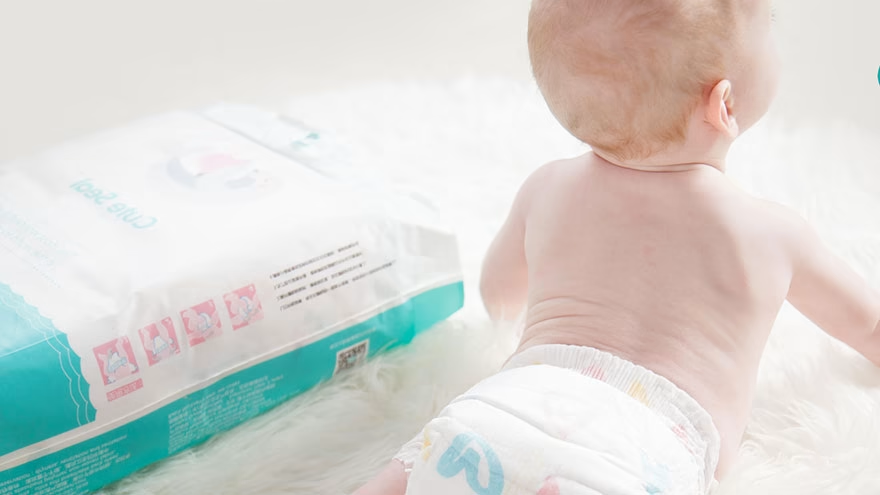
Difference Between Flatfold & Prefold Diapers comes down to structure. A flatfold diaper is a single layer of cloth folded to fit the baby. A prefold is already sewn into panels with extra absorbency in the middle.
Both usually need a waterproof cover. Both can be affordable and washable. The better choice depends on drying time, folding tolerance, fit, absorbency needs, laundry setup, and caregiver comfort.
What A Flatfold Diaper Is
A flatfold, often called a flat, is one large piece of cloth. You fold it into the shape and absorbency pattern you need before placing it on the baby.
Flats are flexible because one cloth can fit many stages with different folds. They can also wash and dry quickly, which helps families with limited machines or drying space.
What A Prefold Diaper Is
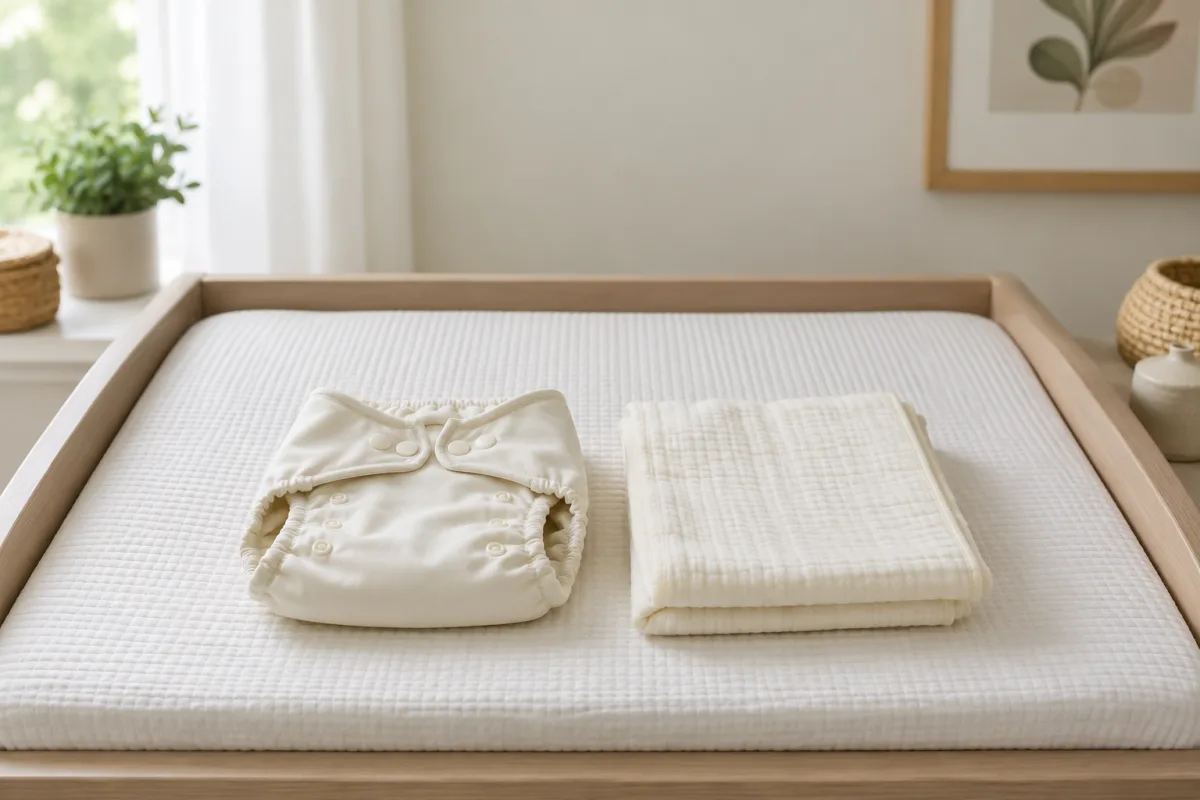
A prefold is a rectangular cloth diaper sewn into sections, usually with a thicker center panel. It can be folded around the baby or pad-folded into a cover.
Prefolds require less folding than flats because the absorbency is already placed. They are still simpler than pocket diapers or all-in-ones.
Both Need Covers
HealthyChildren notes that cloth diapers are less absorbent than disposables, need more frequent changes, and usually need a stay-dry cover: HealthyChildren cloth diaper overview.
A waterproof cover is what keeps clothing, bedding, and caregivers dry. Without a cover, a flat or prefold is just absorbent cloth.
Absorbency
Prefolds often feel easier for absorbency because the center panel is thicker. Flats can be folded to put more layers where the baby wets most.
For heavy wetters, naps, and longer outings, either style may need a doubler or extra insert. Change frequency still matters.
Fit On Newborns
Flats can be folded very small, which some parents like for newborn legs and tiny waists. Prefolds come in sizes, so a newborn size may fit better than a large one.
For premature or low-birth-weight babies, ask the care team what diapering setup fits safely. Livecub's low-birth-weight and preterm infant guide may help with broader context.
Ease For Caregivers
A prefold is usually easier to explain to grandparents, daycare, or a tired partner. A flat may take more practice because the fold creates the fit.
If multiple caregivers are involved, choose the system they will actually use correctly. A perfect fold that nobody repeats is not practical.
Laundry And Drying
The National Diaper Bank Network describes cloth diapers as an alternative that may reduce diaper spending over time: National Diaper Bank cloth diaper article.
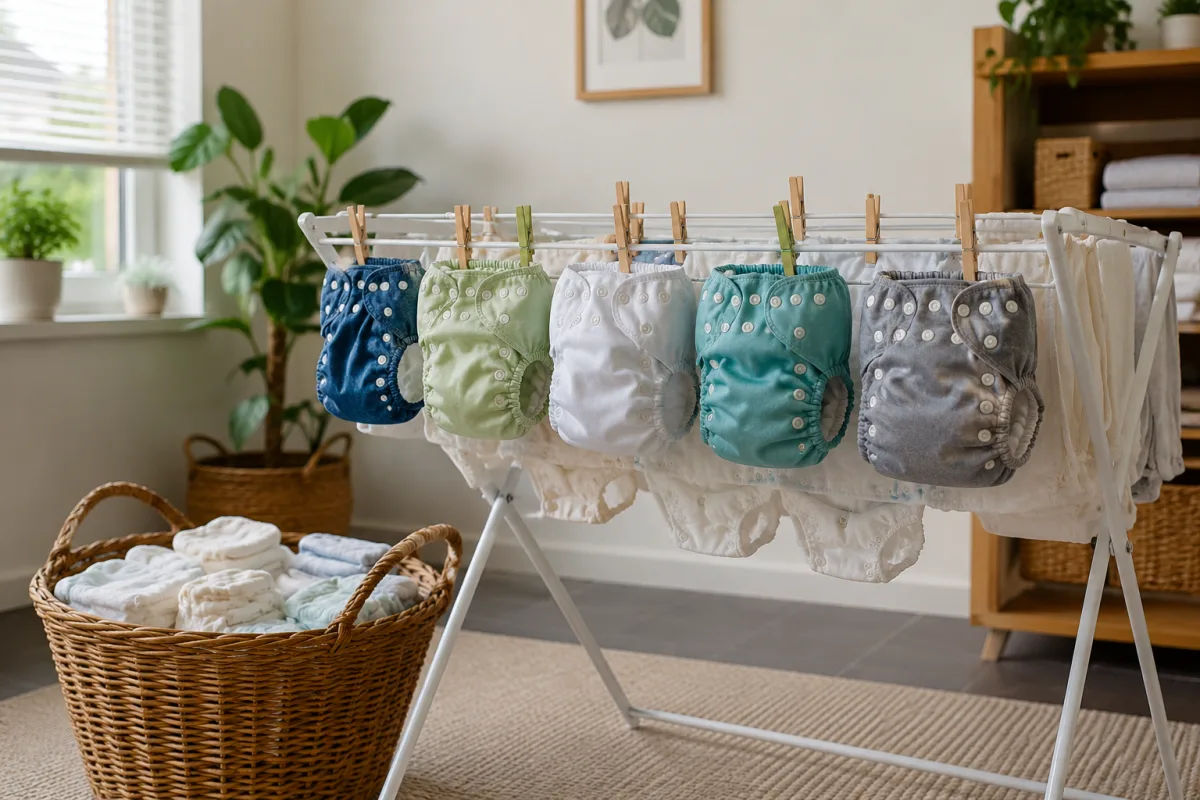
Flats tend to dry faster because they are a single layer. Prefolds may take longer but can feel simpler at changing time.
Handwashing
Families without reliable laundry machines often prefer flats because they rinse, wash, and dry quickly. Prefolds can still be handwashed, but the thicker middle may dry slower.
Drying time matters because damp diapers can cause odor problems. Count how many diapers you need based on realistic drying, not best-case drying.
Cost
Flats are often among the lowest-cost cloth options. Prefolds cost more than flats in many setups but less than many shaped modern systems.
Do the math with covers, fasteners, wet bags, detergent, water, energy, and replacement needs. Upfront price is only one part of the system.
Rash And Skin Checks
Cloth diapers may need more frequent changes because they can feel wet sooner. Check skin regularly and change promptly after stool.
If irritation, blisters, spreading rash, or signs of illness appear, Livecub's baby rash and blister guide can help organize care questions, but medical advice comes first.
Washing The Baby
Diaper choice and bath routine are connected because stool, creams, and damp skin affect comfort. Keep wipes gentle and avoid scrubbing irritated skin.
Livecub's infant washing guide can help new caregivers build a calm cleaning routine around diaper changes and baths.
Folding Learning Curve
Minnesota Cloth Diaper Bank describes flats as single-layer fabric that can be folded many ways, and prefolds as multi-layer fabric often tri-folded into a pad: Minnesota Cloth Diaper Bank FAQ.
Start with one or two folds, not ten. Once a simple fold works, adjust for legs, absorbency, and cover fit.
Travel And Daycare
Prefolds may be easier for outings because they can be pre-folded and stacked. Flats pack thin and dry fast, but folding during travel can be annoying.
Ask daycare before committing. Some providers accept cloth only if diapers arrive ready to place in a cover or wet bag.
Baby-Proofing The Setup
As babies grow, diaper supplies become something they can grab. Store pins, fasteners, creams, and wet bags safely.
Livecub's baby-proofing guide can help when the baby becomes mobile, but small diaper items should be controlled early.
Which One To Try First
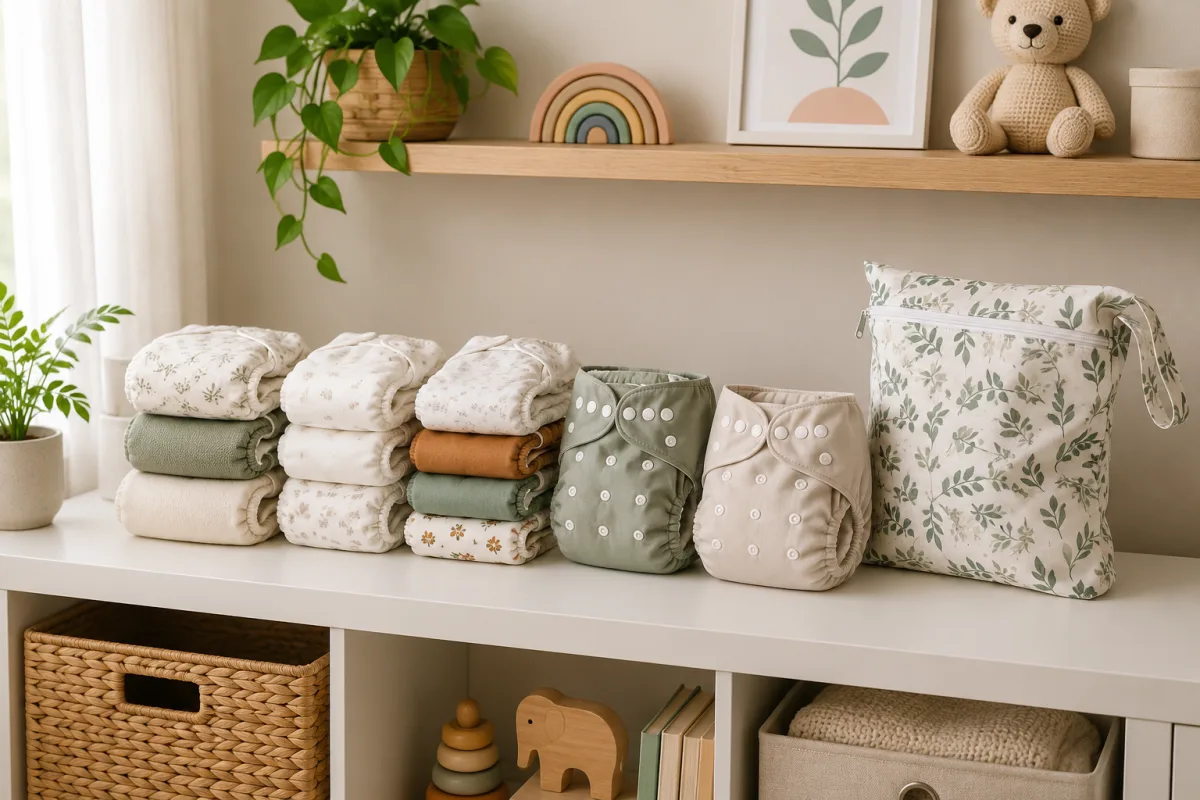
Try a small set before buying a full stash. Some families use flats at home and prefolds for caregivers. Others use prefolds by day and flats for fast drying.
The best diaper is the one that fits the baby, dries in your home, and does not make every change feel like a fight.
Fasteners
Flats and prefolds can be pad-folded into a snug cover, or they can be fastened around the baby with diaper-safe fasteners depending on the style and caregiver comfort.
Avoid unsafe pins or sharp items if you are not trained and confident. The diaper should fit securely without poking, pinching, or restricting movement.
Night Use
Some families use flats or prefolds overnight with extra absorbency, but night diapering takes trial and error. Too little absorbency leaks; too much bulk can fit poorly.
Start with daytime testing before trusting a new setup overnight. Check the skin in the morning and adjust layers, cover fit, and change timing.
Covers Change The Fit
The same flat or prefold can work differently under different covers. Leg gaps, rise settings, elastic strength, and cover size all affect leaks.
Before blaming the diaper, check the cover fit. A good fold under a poor cover can still leak.
Poop Containment
Newborn stool can be loose, and cloth systems handle it differently. A fastened flat or prefold may contain stool better than a simple pad fold for some babies.
Try the fold at home before relying on it during a long outing. Keep an extra cover and outfit nearby while learning.
Detergent And Creams
Some diaper creams can coat cloth and reduce absorbency. Some detergents leave buildup if the wash routine is not matched to water hardness and machine type.
Follow cloth-safe care instructions and adjust if diapers smell, repel liquid, or irritate skin.
Start Small
A small trial stash prevents expensive regret. Buy or borrow a few flats, a few prefolds, and two covers before choosing a full setup.
Real use teaches more than a chart: drying time, caregiver patience, baby shape, and laundry rhythm all matter.
Daycare Labels
If daycare accepts cloth, label covers and wet bags clearly. Send diapers ready to use, not as a folding puzzle for a busy caregiver.
Ask the provider exactly how they want clean and dirty diapers packed. A system that fits daycare is more likely to last.
Sizing Over Time
Prefolds are often sized, so the baby may outgrow one size and need another. Flats can last longer across sizes because the fold changes with the baby.
That flexibility can save money, but only if you like folding. A cheaper diaper you avoid using is not really cheaper.
Backup Disposables
Some cloth-diapering families keep a small disposable backup for travel, illness, laundry delays, or overnight experiments that fail.
Using a backup does not mean the cloth system failed. It means the diaper plan fits real life.
Frequently Asked Questions
What is the main difference between flatfold and prefold diapers?
A flatfold is one large single-layer cloth. A prefold is sewn into panels with extra absorbency, usually in the middle.
Do flatfold and prefold diapers need covers?
Yes, most flat and prefold cloth diapers need a waterproof cover to keep clothes and bedding dry.
Which dries faster, flats or prefolds?
Flats usually dry faster because they are one layer. Prefolds can take longer because the center is thicker.
Which is easier for beginners?
Prefolds are often easier because they need less folding. Flats are more flexible but take more practice.
Can I use both flats and prefolds?
Yes. Many families mix them based on laundry, caregiver comfort, outings, naps, and budget.
Flatfold diapers offer flexibility and fast drying. Prefolds offer easier setup and built-in absorbency. Try a small mix before committing to a full cloth diaper stash.

Linda Fehrman
Edits general wellness and relationship explainers. Health material is educational, avoids diagnosis and links to health-authority guidance.



Leave a reply
Replying to