

How to Be Positive in the Midst of Tough Events does not mean pretending the event is fine. Real positivity during hard moments is closer to steadiness: naming what hurts, choosing the next small action, and letting other people help.
Forced cheer can make people feel alone. A better approach leaves room for grief, fear, anger, practical planning, and small signs that life is still livable today.
Drop The Fake Smile
Do not start by trying to look positive. Start by telling the truth in a sentence: this is hard, I am scared, I do not know what happens next.
Honesty lowers the pressure to perform. It also gives the brain a clearer problem to work with.
Separate Facts From Forecasts
A tough event gives you facts and then your mind adds forecasts. Facts might be a diagnosis, bill, breakup, job loss, or family crisis. Forecasts often sound like everything is ruined.
Write the facts on one side of a page and the predictions on the other. You do not have to argue with every thought, but you can stop treating every thought as evidence.
Use The Next Hour
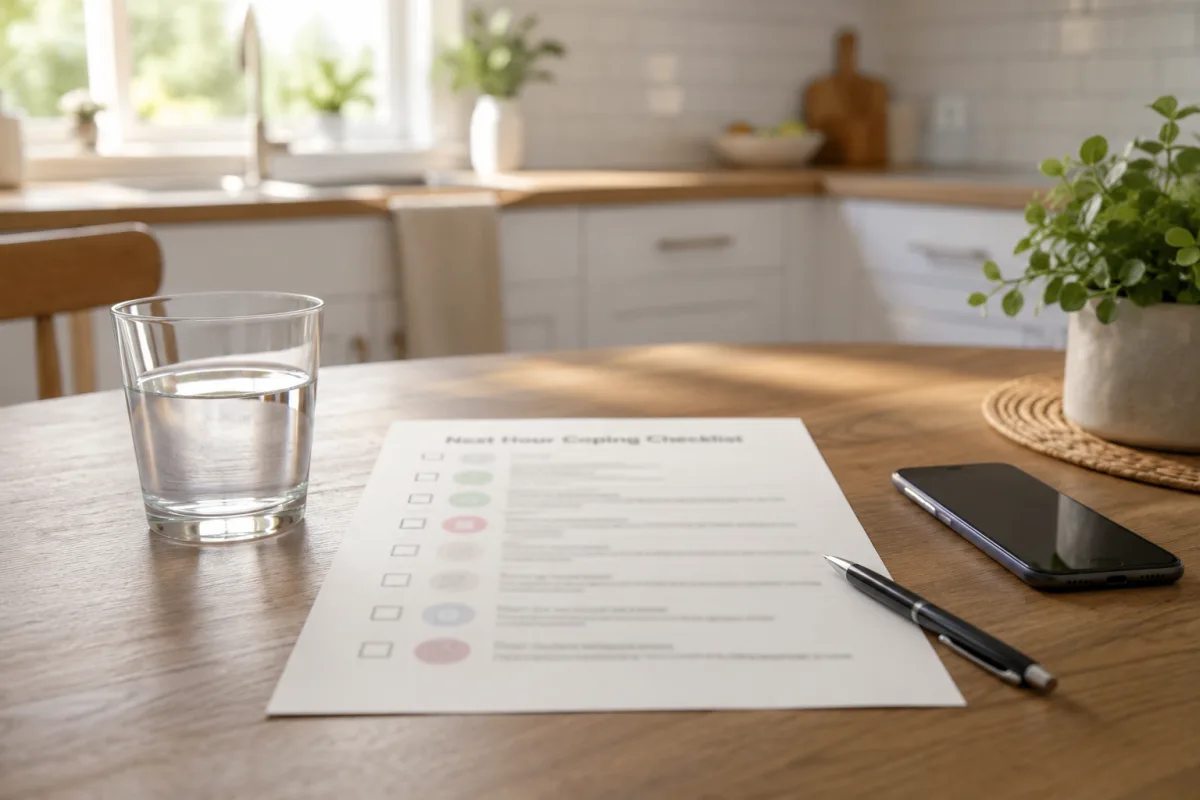
During shock, a five-year plan is too big. Ask what the next hour needs: food, a call, a ride, sleep, a document, or quiet.
CDC stress guidance includes breaks from news and social media, breathing, stretching, journaling, time outside, and making time to unwind: CDC managing stress.
Make The Body Safer
Stress hits the body first. Drink water, eat something plain, take medication as prescribed, lower noise, sit down, and unclench your jaw.
These steps do not fix the event. They make it less likely that exhaustion will make every decision worse.
Stay Connected
NIMH includes staying connected, setting priorities, practicing gratitude, and challenging unhelpful thoughts among mental health care steps: NIMH caring for your mental health.
Connection does not require a crowd. One steady person is better than ten people who need you to comfort them.
Use Realistic Gratitude
Gratitude during a crisis should be small and specific: the nurse called back, the car started, my friend answered, the soup stayed down.
Do not use gratitude to silence pain. Use it to widen the frame by one inch.
Build Resilience Slowly
Mayo Clinic describes resilience as adapting to misfortunes and setbacks, and suggests using connection, meaning, self-care, and proactive steps: Mayo Clinic resilience.
Resilience is not a personality trophy. It is a set of habits people practice while life is uncomfortable.
Let Illness Be Serious
If the tough event is illness, positivity should not replace medical care, symptom tracking, or honest conversations.
Livecub's metastatic bone cancer symptoms guide is an example of a topic where clear symptom language matters more than upbeat slogans.
Handle Bad Prognosis Talk
Some events include frightening medical words. Ask the clinician what is known, what is uncertain, and what the next decision is.
Livecub's untreated glioblastoma prognosis guide deals with a hard subject where honest information is more respectful than forced optimism.
Choose One Useful Task
A useful task gives the mind somewhere to stand. Call the office, wash the cup, make the folder, send the update, or walk around the block.
The task should be small enough to finish. Finishing one small thing can make the next thing visible.
Limit Doom Checking
Checking news, portals, texts, or search results can feel like control. After a point it becomes fuel.
Set two check times if you can. Outside those times, write the question down and return to the next useful task.
Use Scripts With People
Hard events attract questions. Prepare a short script: I am not ready to discuss details, we will update people later, or I need practical help, not advice.
A script saves energy because you do not have to invent boundaries while upset.
Support Older Relatives
Tough events can be harder when an older parent or relative loses motivation, appetite, mobility, or hope.
Livecub's motivating elderly loved ones guide can help families offer support without talking down to the person.
Performance Setbacks Count
Not every tough event is a tragedy. A failed tryout, public mistake, or humiliating moment can still hit hard.
Livecub's sports tryout nerves guide and stage fright guide can help with smaller but very real stress.
Watch Silence In Children
Children may show stress through silence, clinginess, stomachaches, irritability, sleep trouble, or school refusal.
If speech shuts down in specific settings, Livecub's selective mutism guide can help families understand why patience and professional care matter.
Use A Food And Sleep Baseline
Stress changes appetite and sleep. Write down the minimum: one tolerable breakfast, one easy dinner, one bedtime cue, one morning light cue.
You are not building a wellness routine. You are keeping the body from running on fumes.
Avoid Meaning Too Soon
People often rush to find a lesson. Sometimes the event is too fresh for meaning, and the only honest meaning is that it hurts.
Let meaning arrive later if it arrives. You can act with care before you understand the story.
Know When Positivity Is Not Enough
If you cannot sleep for days, cannot function, feel unsafe, think about self-harm, or feel detached from reality, get professional help urgently.
A positive mindset is not a substitute for therapy, medication, crisis care, or medical treatment when those are needed.
Make A Tiny Recovery List
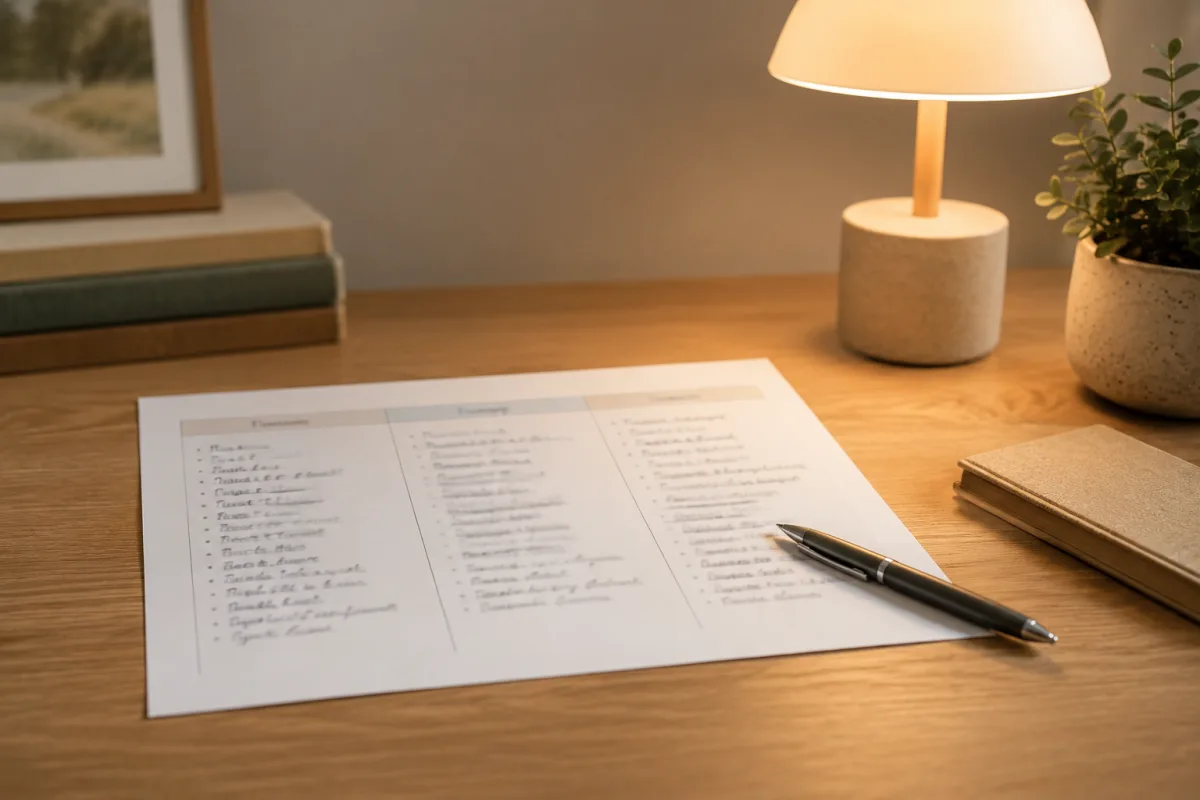
Write three items: people who help, actions that steady me, and signs I am sliding. Keep the list visible.
During hard events, memory gets unreliable. A list can hold the plan when your mind is tired.
Let Joy Be Small
A laugh during a hard week is not betrayal. A decent meal, a song, or a quiet morning does not erase the seriousness of the event.
Small joy is not denial. It is one way the nervous system gets a little air.
Money Shock
Financial stress can make positivity feel insulting. If money is the crisis, start with numbers: what is due, what can wait, who must be called, and what proof is needed.
A payment plan, benefits office, social worker, or trusted adviser may be more helpful than another motivational quote.
Children In The House
Children do not need every adult detail, but they do need a calm truth they can understand. Avoid pretending nothing happened if the house clearly feels different.
Use short sentences, repeat the routine, and tell them who is taking care of the adults. Predictable meals and bedtime can be a form of comfort.
After The First Week
The first day is survival. The first week is logistics. After that, people may expect you to be normal while your body is still catching up.
Plan for the second wave: paperwork, fatigue, delayed grief, follow-up appointments, and the quiet moment when everyone else goes back to work.
Ask For Concrete Help
People often say let me know if you need anything. Give them a job: groceries, school pickup, a ride, one meal, one form, one phone call.
Concrete help protects relationships because nobody has to guess, and you do not have to explain the whole situation every time.
Keep One Normal Ritual
Keep one small normal thing if you can: morning coffee, a walk, a song in the car, a bedtime story, or watering a plant.
A ritual is not denial. It tells the nervous system that not every part of the day belongs to the crisis.
When Hope Feels False
If hope feels fake, use willingness instead. I am willing to make the call. I am willing to eat. I am willing to sleep before deciding.
Willingness is quieter than hope, but it can carry you through hours when positive language feels too far away.
Frequently Asked Questions
Does being positive mean ignoring reality?
No. Healthy positivity names the hard facts while looking for the next useful action, support, or moment of steadiness.
What is the first step during a tough event?
Start with the next hour: water, food, a call, a ride, a document, rest, or a safe person.
Can gratitude help during a crisis?
It can help if it stays specific and does not silence pain. Small gratitude should widen the frame, not deny the problem.
When should I get professional help?
Seek help if stress blocks daily functioning, sleep disappears, you feel unsafe, or thoughts of self-harm appear.
How do I deal with people asking questions?
Use a short script that names what you can share, what is private, and what kind of help you actually need.
Being positive in tough events is not pretending. It is telling the truth, caring for the body, asking for help, and choosing the next small action.

Timothy Davidson
Edits step-by-step general-interest guides for clarity, realistic limits and source verification.



Leave a reply
Replying to