
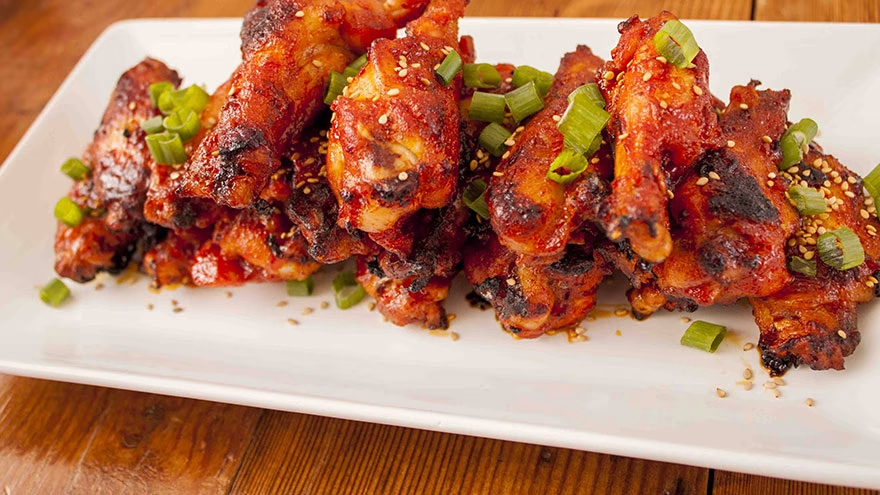
How to Cook Spicy Malaysian Chili Chicken depends on building a sauce that tastes cooked, not raw and harsh. The dish can lean toward sambal chicken or ayam masak merah, depending on the version, but the home-cook goal is clear: tender chicken coated in a red, spicy, slightly sweet, savory sauce.
You do not need a restaurant kitchen. You need patience with the chili paste, enough aromatics, chicken that is not overcooked, and a final sauce that clings to the meat instead of sitting watery under it.
What Style Of Chicken Is This?
Malaysian chili chicken can mean different home versions. Some are close to sambal ayam, some are tomato-red ayam masak merah, and some are family weeknight adaptations. Nyonya Cooking's ayam masak merah recipe shows the tomato-chili direction many cooks recognize.
This version keeps the method practical: season chicken, brown or fry it, cook aromatics and chili paste, simmer the sauce, then return the chicken until coated and safe to eat.
What Ingredients Do You Need?
Use chicken thighs, drumsticks, or cut-up bone-in chicken if you want deeper flavor. Boneless thighs are easier for a quick dinner. The sauce needs dried or fresh chilies, shallots or onion, garlic, ginger, tomato paste or blended tomato, oil, sugar, salt, and a sour note such as tamarind or lime.
Optional ingredients include lemongrass, galangal, belacan, coconut milk, curry leaves, cinnamon, star anise, or ketchup for a softer family-style sauce. Do not add everything just because you own it. The sauce should taste focused.
How Spicy Should It Be?
Use the chili level your table can handle. Dried chilies often give color and depth. Remove seeds for less heat, soak them in hot water, then blend with aromatics. Fresh red chilies taste brighter but may be sharper.
If you are nervous, start with fewer chilies and keep sambal or sliced chilies on the side. It is easier to add heat at the table than to rescue a sauce that nobody wants to eat.
What Equipment Helps?
A blender or small food processor makes the paste smoother, but a mortar and pestle gives good texture if you have the time. Use a wide pan so the paste fries rather than steams. Crowded sauce tastes dull.
Keep a splatter guard nearby if your chili paste pops in hot oil. Red sauce on the stove is easier to prevent than scrub later. A thermometer is also useful because color alone does not prove chicken is done.
Should You Fry The Chicken First?
Many versions fry or brown the chicken before saucing. That step adds flavor and helps the chicken hold together. You do not have to deep-fry. A shallow sear in oil works well for home cooking.
Dry the chicken, season it with salt and a little turmeric if you like, then brown until the surface has color. It does not need to be fully cooked before it goes into the sauce, as long as it finishes safely later.
How Do You Cook The Chili Paste?
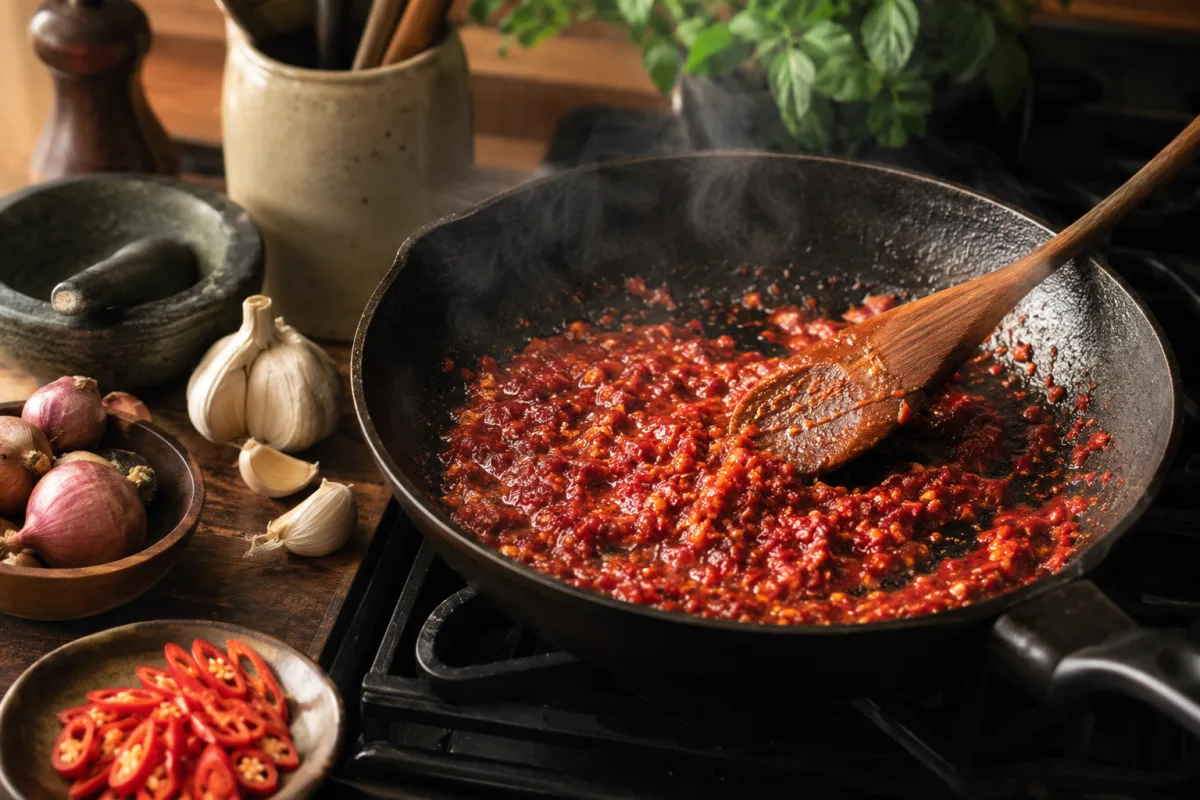
This is the step to slow down for. Blend soaked chilies, shallot, garlic, ginger, and any lemongrass or belacan you are using. Cook the paste in oil over medium heat until it darkens, smells rounded, and the oil begins to separate slightly.
Raw chili paste tastes flat and aggressive. Cooked paste tastes deeper and sweeter. Stir often so it does not burn at the bottom. If it catches, lower the heat and add a spoonful of water.
How Do You Build The Sauce?
Add tomato paste or blended tomato after the chili paste has cooked. Let it fry until the sharp tomato smell softens. Add sugar, salt, and tamarind water or lime later so you can balance the sauce instead of guessing early.
Rasa Malaysia's sambal chicken recipe is a useful reference for the sambal-style idea: chicken coated in a cooked chili base. The exact balance is personal, but the paste needs time.
When Is The Chicken Done?
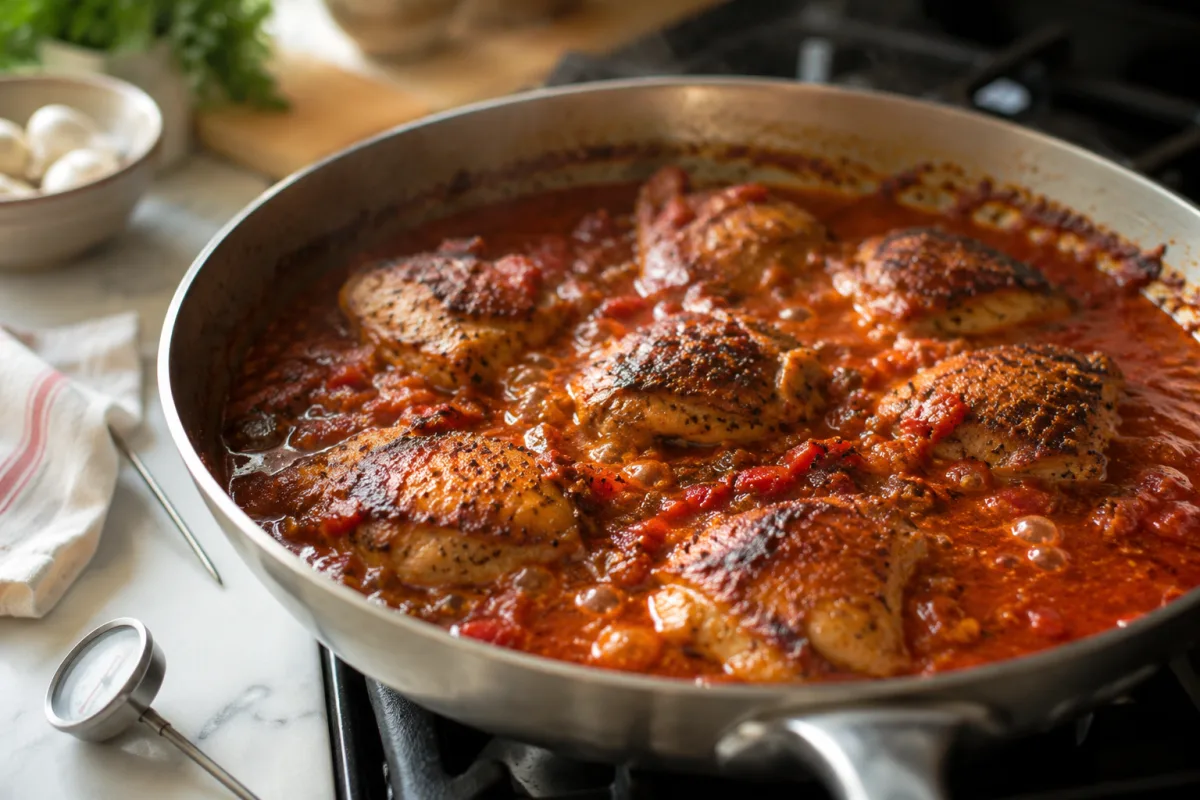
Return the browned chicken to the sauce, cover partly, and simmer gently until cooked through. Stir so every piece gets coated. If the sauce tightens too much before the chicken is done, add a splash of water.
For food safety, USDA guidance lists 165 degrees Fahrenheit as the safe minimum internal temperature for poultry. A thermometer removes guesswork, especially with bone-in pieces.
How Do You Balance Sweet, Sour, And Salty?
Taste the sauce after the chicken is cooked. If it tastes harsh, cook it a little longer or add a small pinch of sugar. If it tastes flat, add salt. If it tastes heavy, add tamarind or lime. If it is too sour, add a little more sugar.
Do not fix everything at once. Add one adjustment, stir, simmer briefly, and taste again. Malaysian-style chili sauces often work because heat, sweetness, salt, and acid are in conversation rather than fighting.
What Should You Serve With It?
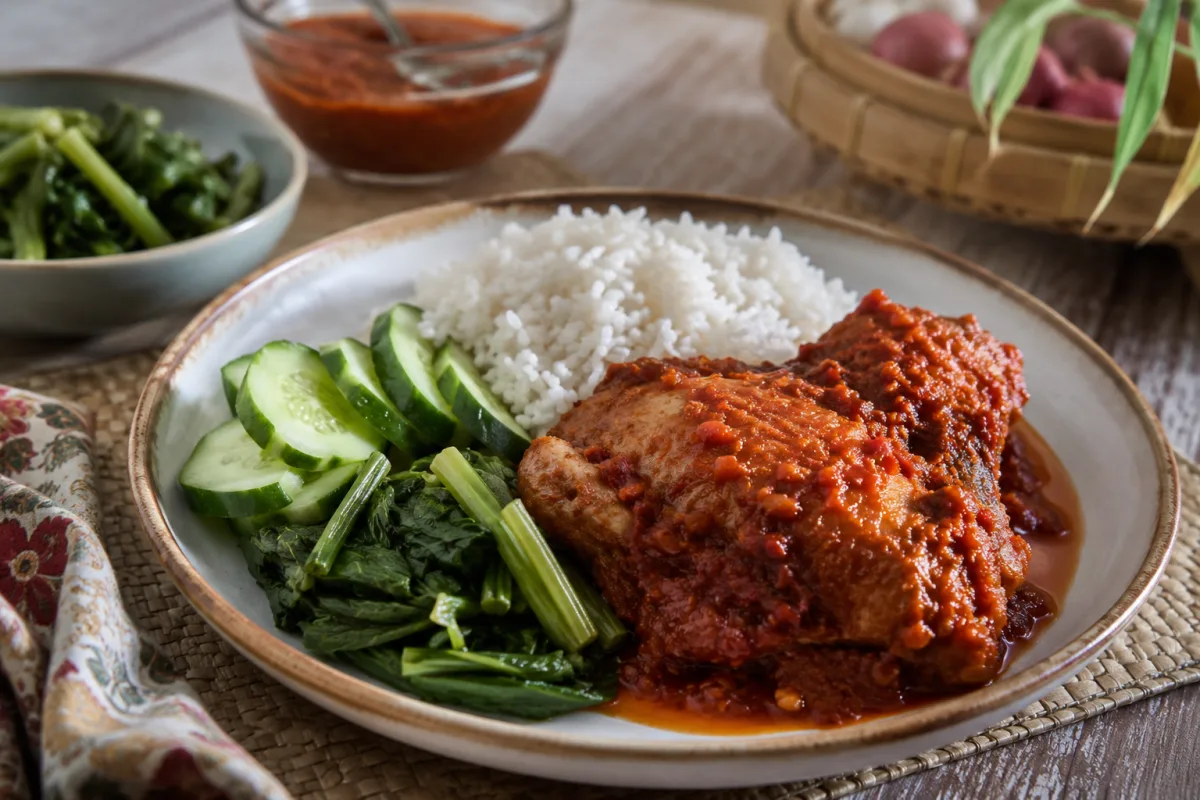
Plain rice is the easiest partner because it catches the sauce. Cucumber slices, blanched greens, fried egg, roti, or a simple cabbage salad can cool the plate. Keep side dishes calmer than the chicken.
If you like building flavor from pantry blends, Livecub's Asian seasoning mix guide can help with everyday dry mixes, though this dish gets most of its character from fresh paste.
Can You Make It Ahead?
Yes. Chili chicken often tastes better after a rest because the sauce settles into the meat. Cool it quickly, refrigerate, and reheat gently. Add a spoonful of water if the sauce thickens overnight.
For a party, cook it earlier in the day and reheat before serving. Do not leave cooked chicken sitting out for hours. Hot food should stay hot, and leftovers should be chilled promptly.
How Do You Fix Common Problems?
If the sauce is bitter, the chili paste may have burned. Add a little tomato, sugar, and water, then simmer gently. If the sauce is watery, remove the lid and reduce it. If the chicken is dry, use thighs next time or simmer more gently.
If the dish is too spicy, serve it with rice, cucumber, egg, or a mild vegetable side. Coconut milk can soften heat, but it changes the dish. Add it only if that richer direction sounds good to you.
What Chicken Cuts Work Best?
Bone-in thighs and drumsticks are forgiving and flavorful. Boneless thighs cook faster and are easy for bowls. Chicken breast can work, but it dries faster, so simmer it gently and stop as soon as it reaches a safe temperature.
If you enjoy poultry recipes, Livecub's Chinese fried chicken wings guide and grilled whole duck recipe cover different methods where heat control also decides the final texture.
What Is A Simple Cooking Order?
Prepare rice first. Soak dried chilies. Season and brown chicken. Blend aromatics. Cook the paste until fragrant and darker. Add tomato. Return chicken. Simmer. Balance. Rest for five minutes before serving.
That order keeps the kitchen calm. It also stops the common problem of cooked chicken waiting too long while the sauce is still raw. The sauce needs time, so start it before impatience takes over.
How Do You Scale The Recipe?
For a bigger batch, brown chicken in rounds and cook the paste longer before adding meat back. Doubling the chicken without widening the pan can make everything steam, which weakens the sauce and softens the browned edges.
Increase salt, sugar, and sour ingredients gradually rather than doubling blindly. Chili heat and tomato acidity do not always scale in a straight line. Taste near the end and adjust with a steady hand.
Frequently Asked Questions
Can I use boneless chicken?
Yes. Boneless thighs work especially well because they stay juicy and cook faster than bone-in pieces.
Can I make it less spicy?
Use fewer chilies, remove seeds, add more tomato, and serve extra sambal only for people who want heat.
Do I need belacan?
No. It adds depth, but you can skip it or use a small amount of fish sauce if that fits your kitchen.
Can I bake the chicken instead?
Yes. Bake or roast the chicken, then simmer it briefly in the finished chili sauce.
How long do leftovers last?
Use refrigerated leftovers within a few days and reheat until steaming hot.
What Is The Best Version For Home Cooks?
Use chicken thighs, cook the chili paste longer than you think, balance tomato with sugar and acid, and check the chicken temperature. The dish should taste spicy, savory, a little sweet, and cooked all the way through, not rushed.

Cashie Evans
Covers parenting and practical household topics with clear steps, safety notes and links to current guidance.



Leave a reply
Replying to